
Filter
3455
Text search:
non
communicable
diseases
Featured
Recommendations
273
New Publications
780
Language
Document type
No document type
1501
Studies & Reports
807
Guidelines
438
Strategic & Response Plan
196
Manuals
138
Fact sheets
118
Infographics
57
Training Material
56
Resource Platforms
45
Videos
28
Situation Updates
23
Brochures
19
Dashboards/Maps
15
Online Courses
13
App
1
Countries / Regions
Global
502
India
132
Africa
121
South Africa
116
Kenya
114
Ethiopia
77
Western and Central Europe
70
Latin America and the Carribbean
63
Sierra Leone
61
Liberia
57
Uganda
56
Nepal
55
Nigeria
51
Bangladesh
48
Myanmar / Burma
47
Malawi
45
Indonesia
42
Namibia
41
Zambia
40
Rwanda
40
Ghana
39
Tanzania
34
South–East Asia Region
33
Syria
32
Asia
32
Philippines
31
Ukraine
31
Mozambique
24
Eastern Europe
23
Lesotho
22
Congo, Democratic Republic of
21
North America
20
East and Southern Africa
18
West and Central Africa
18
Cambodia
16
Zimbabwe
14
South Sudan
14
Eastern Europe and Central Asia
14
Guinea
12
Pakistan
11
Western Pacific Region
11
Germany
10
Brazil
10
Botswana
10
Middle East and North Africa
10
Burkina Faso
9
Sudan
9
Yemen
9
Haiti
8
Thailand
8
Moldova
8
Senegal
7
Somalia
7
Iraq
7
Afghanistan
7
Russia
7
Jordan
6
China
6
Colombia
6
Venezuela
6
USA
5
Cameroon
5
Eswatini/ Swaziland
5
Saudi Arabia
4
Lebanon
4
Central African Republic
4
Argentina
4
Peru
4
Angola
4
Chile
4
Palestine
4
Timor Leste/ East Timor
4
Georgia
4
Vietnam
4
Mali
3
Papua New Guinea
3
Sri Lanka
3
Paraguay
3
Poland
3
Southern Africa
3
Iran
3
Mauritius
3
United Kingdom
3
Guinea-Bissau
2
Turkey
2
Egypt
2
Benin
2
North Macedonia
2
Hungary
2
Ecuador
2
Bolivia
2
Mexico
2
Bhutan
2
Albania
2
Laos
2
Tajikistan
2
Côte d’Ivoire / Ivory Coast
1
Morocco
1
Togo
1
Gambia
1
Ireland
1
Singapore
1
Burundi
1
El Salvador
1
Greece
1
Libya
1
Madagascar
1
Other region
1
Fiji
1
Djibouti
1
Armenia
1
Mongolia
1
Qatar
1
Bulgaria
1
Romania
1
Kyrgyzstan
1
Kazakhstan
1
Turkmenistan
1
Jamaica
1
Japan
1
Maldives
1
Tunisia
1
Portugal
1
Spain
1
Azerbaijan
1
Belarus
1
Israel
1
Barbados
1
United Arab Emirates
1
Authors & Publishers
Publication Years
Category
Countries
1306
Public Health
765
Clinical Guidelines
249
Key Resources
152
Women & Child Health
91
Capacity Building
83
Pharmacy & Technologies
26
Annual Report MEDBOX
1
Toolboxes
NCDs
754
COVID-19
181
TB
153
Mental Health
149
HIV
144
Planetary Health
122
Global Health Education
86
Conflict
82
Rapid Response
81
AMR
74
Caregiver
71
NTDs
69
Ebola & Marburg
58
Disability
52
Health Financing Toolbox
51
2.0 Rapid Response
43
Natural Hazards
42
Refugee
41
Malaria
27
Pharmacy
23
Zika
19
Polio
17
Cholera
13
Specific Hazards
9
Social Ethics
6
South Sudan
1
Typhoon
1

Heart failure is an important global health problem, and the associated public health and economic effect is increasing across all societies and geographies.
Epidemiological studies have estimated that there are more than 25 million patients with heart failure globally, and population-based studie
...
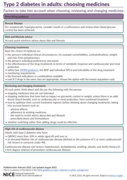
Factors to take into account when choosing, reviewing and changing medicines.
Rescue therapy:
For symptomatic hyperglycaemia, consider insulin or a sulfonylurea and review when blood glucose control has been achieved.
Diet and lifestyle advice:
At each point reinforce advice about diet and life
...
Atlanta, GA—New stroke guidelines strongly encourage clinicians to prescribe antithrombotic therapy, including antiplatelet medications or anticoagulant medications, for nearly all at-risk patients who don’t have contraindications.
What is blood pressure?
Blood pressure is the force of your blood pushing against the walls of your arteries. Each time your heart beats, it pumps blood into the arteries. Your blood pressure is highest when your heart beats, pumping the blood. This is called systolic pressure. When your heart is a
...
INTRODUCTION: Lower extremity peripheral artery disease (PAD) is increasing in prevalence in low- and middle-income countries creating a large health care burden. Clinical management may require substantial resources but little consideration has been given to which treatments are appropriate for les
...
Diabetes is a chronic disease that occurs either when the pancreas does not produce enough insulin or when the body cannot effectively use the insulin it produces. Insulin is a hormone that regulates blood glucose. Hyperglycaemia, also called raised blood glucose or raised blood sugar, is a common e
...
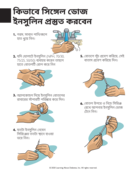
What is Diabetes? Diabetes means you have too much sugar in your blood. High blood sugar problems starts when your body no longer makes enough of chemical, or hormone, called insulin.
Diabetes is a chronic disease that occurs either when the pancreas does not produce enough insulin or when the body cannot effectively use the insulin it produces. Insulin is a hormone that regulates blood glucose. Hyperglycaemia, also called raised blood glucose or raised blood sugar, is a common e
...
Contents Summary Glycemic Index Individual foods Mixed meal or diet Glycemic Load Disease Prevention Type 2 diabetes mellitus Cardiovascular disease Cancer Gallbladder disease
The United Nations acknowledged diabetes as an epidemic of the 21st century. Global trends demonstrate a continuing growth in its prevalence at approximately 2.5 % per year. The aim of the study was to analyse selected epidemiological factors for type 2 diabetes mellitus in Poland, Central Europe
...

Contents Summary Glycemic Index Individual foods Mixed meal or diet Glycemic Load Disease Prevention Type 2 diabetes mellitus Cardiovascular disease Cancer Gallbladder disease

Diabetes is a chronic disease that occurs either when the pancreas does not produce enough insulin or when the body cannot effectively use the insulin it produces. Insulin is a hormone that regulates blood glucose. Hyperglycaemia, also called raised blood glucose or raised blood sugar, is a common e
...
Use these resources to engage communities, increase cultural competence, and promote type 2 diabetes prevention and diabetes management.
What is Diabetes?
Diabetes means you have too much sugar in your blood. High blood sugar problems starts when your body no longer makes enough of chemical, or hormone, called insulin.
Ensure treatment decisions are timely, rely on evidence-based guidelines, capture key elements within the social determinants of health, and are made collaboratively with people with diabetes and care partners based on individual preferences, prognoses, comorbidities, and informed financial conside
...
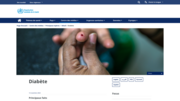
Le nombre de personnes atteintes de diabète est passé de 108 millions en 1980 à 422 millions en 2014
If you’re interested in preventing type 2 diabetes, this guide can help you get started. Congratulations on taking the first step! By reading this, you’re already on your way. Prediabetes puts you on the road to possibly getting type 2 diabetes. Find out now, in less than 1 minute, if you may ha
...
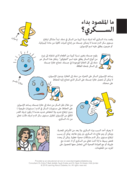
What is Diabetes? Diabetes means you have too much sugar in your blood. High blood sugar problems starts when your body no longer makes enough of chemical, or hormone, called insulin.

Cardiovascular disease (CVD) describes a group of conditions that affect your heart or blood vessels. Cardiovascular events like heart attacks and strokes are very serious.
