
Filter
3891
Text search:
World
Health
Organisation
(WHO)
Featured
Recommendations
313
New Publications
899
Language
Document type
No document type
1928
Studies & Reports
845
Guidelines
447
Strategic & Response Plan
178
Manuals
171
Fact sheets
99
Training Material
79
Situation Updates
59
Infographics
29
Resource Platforms
18
Brochures
14
Online Courses
10
Videos
9
App
4
Dashboards/Maps
1
Countries / Regions
Global
199
India
177
South Africa
115
Nigeria
88
Kenya
87
Zambia
81
Uganda
79
Sierra Leone
75
Africa
75
Latin America and the Carribbean
72
Western and Central Europe
67
Nepal
61
Myanmar / Burma
57
Ghana
55
Namibia
55
Malawi
52
Syria
44
Tanzania
44
Rwanda
36
Liberia
34
Zimbabwe
33
Ethiopia
32
Congo, Democratic Republic of
31
Ukraine
31
Bangladesh
29
Haiti
27
Lesotho
26
Germany
25
Mozambique
24
Senegal
23
Indonesia
23
East and Southern Africa
23
Cameroon
22
South Sudan
22
Guinea
20
Cambodia
20
West and Central Africa
20
Asia
20
Eastern Europe
20
Botswana
18
South–East Asia Region
18
Philippines
16
Middle East and North Africa
16
Russia
15
Mali
14
Burkina Faso
13
Benin
13
Central African Republic
13
Eswatini/ Swaziland
13
Brazil
12
Madagascar
12
Pakistan
11
Chad
11
Vietnam
11
Niger
10
China
10
Sri Lanka
10
Laos
9
Thailand
8
Argentina
8
Colombia
8
Western Pacific Region
8
Venezuela
8
Côte d’Ivoire / Ivory Coast
7
Iraq
7
Jordan
7
Afghanistan
7
Lebanon
7
Yemen
7
Somalia
6
Turkey
6
Sudan
6
Angola
6
Togo
5
Mexico
5
Tajikistan
5
Kyrgyzstan
5
France
5
Malaysia
4
Peru
4
Guatemala
4
Eastern Europe and Central Asia
4
Poland
4
Moldova
4
Iran
4
United Kingdom
4
Spain
4
Guinea-Bissau
3
Serbia
3
Hungary
3
Burundi
3
Ecuador
3
El Salvador
3
Bolivia
3
Libya
3
Chile
3
Congo-Brazzaville
3
Timor Leste/ East Timor
3
Kazakhstan
3
Georgia
3
Jamaica
3
Japan
3
Mauritius
3
Portugal
3
Morocco
2
Gambia
2
Mauritania
2
Singapore
2
North Macedonia
2
Croatia
2
Cuba
2
Honduras
2
Greece
2
Nicaragua
2
Paraguay
2
Fiji
2
Bhutan
2
Albania
2
Armenia
2
Southern Africa
2
Qatar
2
Romania
2
Uzbekistan
2
Gabon
2
Tunisia
2
Belarus
2
Israel
2
USA
1
Saudi Arabia
1
Egypt
1
Ireland
1
Papua New Guinea
1
Dominican Republic
1
Switzerland
1
Palestine
1
North Korea
1
Italy
1
Mongolia
1
Bulgaria
1
Lithuania
1
Slovakia
1
Australia
1
North America
1
Uruguay
1
Turkmenistan
1
Denmark
1
Maldives
1
Norway
1
Algeria
1
Azerbaijan
1
Bosnia and Herzegovina
1
Eritrea
1
Authors & Publishers
Publication Years
Category
Countries
1396
Key Resources
253
Clinical Guidelines
239
Public Health
197
Women & Child Health
169
Capacity Building
61
Pharmacy & Technologies
33
Annual Report MEDBOX
2
Toolboxes
COVID-19
311
Mental Health
274
Disability
263
Planetary Health
197
HIV
193
AMR
192
TB
138
Caregiver
114
Global Health Education
112
NTDs
105
Conflict
98
Ebola & Marburg
96
Refugee
96
Rapid Response
95
Health Financing Toolbox
84
NCDs
70
Malaria
63
2.0 Rapid Response
47
Cholera
44
Natural Hazards
43
Pharmacy
42
Social Ethics
22
Specific Hazards
20
Zika
18
Polio
15
Typhoon
1
An Independent Report
of the West Africa Commission on Drugs
A process for improving community awareness and preparedness for technological hazards and environmental emergencies
This handbook aims to help labour inspectors deal with the issue of HIV/AIDS.
It establishes the links between the key principles and core responsibilities of labour inspectorates and the management of HIV/ AIDS at the workplace.
It includes training activities and practical tools to help inspecto
...
Making education more inclusive requires schools and education authorities to remove the barriers to education experienced by the most excluded children - often the poorest, children with disabilities, children without family care, girls, or children from minority groups. Also included in the text a
...
CEPI is seeking to raise $3.5 billion to implement CEPI’s next 5-year plan. To mitigate the immediate threat of COVID-19 variants, it is activating key elements of this plan now—and seeking to mobilise a portion of this $3.5 billion in 2021. We have already launched R&D programmes to initiate de
...
The education sector forms an important part of the child protection response in refugee settings, and UNHCR’s Education Strategy (2012-16) reflects a focus on refugee education as a core component of UNHCR’s protection mandate. The right to education for all children also forms part of the Unit
...
This Module, Count me in! Inclusive WASH in Ethiopia, was prepared by Ethiopian authors with support from The Open University UK. It was first published in June 2018. The contributors of original material are:Girma Aboma, Manager, GAA Economic Development ConsultBethel Shiferaw, SPCC Disability Incl
...
Accessed: 17.11.2019
Street Child & Child Protection AoR: Accelerating localised response to COVID-19: Practical pathways
The COVID-19 pandemic presents a rare and immediate opportunity for a norm shift towards localisation in the humanitarian architecture. Whils tinternational humanitarian actors are facing constraints in funding and restrictions on movement and travel, national and local level
...
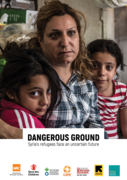
Hundreds of thousands of refugees are at risk of being pushed to return to Syria in 2018, despite ongoing violence, bombing and shelling that are endangering the lives of civilians, leading humanitarian agencies warn in a report released today. The warning comes amid a global anti-refugee backlash,
...
How do local authorities and humanitarian agencies collaborate when refugees are in transit? An IIED-supported research project is looking at the transit refugee response in Croatia.

Case management is an approach at the core of social work. Case management is the process required for improving the quality of life for vulnerable children in need of care and protection. This manual is intended to support social workers in their case management role and reduce overall workload by
...
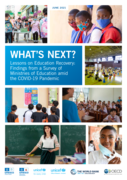
1 in 3 countries are not taking action to help students catch up on their learning post-COVID-19 school closures

A paper presented during a conference on The Catholic Social Teaching and its Social and Political impact on the Development 9thto 10th December, in Schloss Eichholz Koln/Cologne/GermanyPresented by Sr. Dr. Elizabeth Nduku
accessed July 2020

How to respond to, mitigate, and prevent risks to children’s protection and well-being is a profound, if unanswered, question. Practitioners agree that it is necessary to develop or strengthen protective factors at multiple levels, such as the family, community, and national levels.
