Filter
3414
Text search:
outbreak
control
Featured
Recommendations
429
New Publications
876
Language
Document type
No document type
1336
Guidelines
693
Studies & Reports
576
Manuals
214
Strategic & Response Plan
214
Fact sheets
134
Situation Updates
89
Training Material
69
Resource Platforms
32
Infographics
18
Online Courses
18
Videos
11
Brochures
8
Dashboards/Maps
1
App
1
Countries / Regions
Sierra Leone
193
Liberia
167
Global
161
Congo, Democratic Republic of
122
Nigeria
91
Guinea
84
Africa
75
Western and Central Europe
74
Syria
71
South Sudan
66
India
62
Latin America and the Carribbean
59
Rwanda
58
Uganda
52
West and Central Africa
52
Brazil
51
Kenya
50
South Africa
49
Ethiopia
47
Russia
47
Middle East and North Africa
46
Senegal
42
Mozambique
39
Myanmar / Burma
39
Ghana
37
Burkina Faso
36
Yemen
34
East and Southern Africa
34
Mali
33
Haiti
32
Bangladesh
31
Côte d’Ivoire / Ivory Coast
29
Germany
29
Philippines
26
Ukraine
26
Venezuela
24
Nepal
23
Madagascar
23
South–East Asia Region
22
Eastern Europe and Central Asia
22
Zimbabwe
20
Angola
20
Central African Republic
18
Namibia
18
Western Pacific Region
18
Zambia
17
Tanzania
17
Malawi
17
Eastern Europe
17
Somalia
16
Sudan
16
Cameroon
15
Niger
14
Pakistan
14
Afghanistan
13
Indonesia
13
Colombia
13
China
12
Vietnam
12
Lebanon
11
Chad
11
Cambodia
11
Guinea-Bissau
10
Laos
10
Spain
10
Jordan
9
Asia
9
Togo
8
Iraq
8
Benin
8
Burundi
8
Botswana
8
Turkey
7
Thailand
7
Peru
7
Honduras
7
Chile
7
Paraguay
7
Italy
7
Palestine
6
Iran
6
France
6
Portugal
6
Saudi Arabia
5
Argentina
5
Dominican Republic
5
Ecuador
5
Mexico
5
Gambia
4
Eswatini/ Swaziland
4
Libya
4
Albania
4
Djibouti
4
Congo-Brazzaville
4
Tajikistan
4
Moldova
4
Morocco
3
Malaysia
3
Mauritania
3
Papua New Guinea
3
El Salvador
3
Bolivia
3
Guatemala
3
Nicaragua
3
Sri Lanka
3
Canada
3
Timor Leste/ East Timor
3
Japan
3
Belgium
3
Tunisia
3
United Kingdom
3
USA
2
Egypt
2
Singapore
2
Switzerland
2
Lesotho
2
Luxembourg
2
North Korea
2
Uzbekistan
2
North America
2
Uruguay
2
Turkmenistan
2
Mauritius
2
Vanuatu
1
North Macedonia
1
Austria
1
Serbia
1
Croatia
1
Cuba
1
Greece
1
Cape Verde
1
Fiji
1
Solomon Islands
1
Bhutan
1
Armenia
1
Mongolia
1
Bulgaria
1
Estonia
1
Romania
1
Australia
1
Kazakhstan
1
Georgia
1
Gabon
1
Denmark
1
South Korea
1
Morocco
1
Israel
1
Belize
1
Costa Rica
1
Panama
1
Authors & Publishers
Publication Years
Category
Countries
1137
Key Resources
230
Clinical Guidelines
222
Public Health
152
Women & Child Health
79
Pharmacy & Technologies
42
Capacity Building
40
Annual Report MEDBOX
1
Toolboxes
COVID-19
903
Ebola & Marburg
468
Rapid Response
220
Cholera
140
Conflict
116
2.0 Rapid Response
113
Zika
109
NTDs
97
AMR
94
Planetary Health
94
TB
73
HIV
71
Mental Health
59
Natural Hazards
53
Refugee
51
Caregiver
48
Global Health Education
47
Polio
41
Health Financing Toolbox
41
Malaria
35
Pharmacy
24
Specific Hazards
21
NCDs
10
Disability
9
Social Ethics
3
South Sudan
2
Typhoon
1
Flambées de choléra
recommended
Le document fournit des directives complètes pour la gestion des flambées de choléra, y compris la détection, la confirmation, la réponse, le traitement et la prévention. Il met l'accent sur l'importance de la réhydratation, de l'assainissement de l'eau, de la promotion de l'hygiène et de la
...

Health system resilience is not an inevitable byproduct of any investment in health but must be intentionally programmed and developed with necessary input, investment and contextualization. This technical product aims to guide national, subnational, and global health actors to operationalize the co
...
Prevention Guidelines on Marburg virus disease
The WHO’s Early Warning, Alert and Response System (EWARS) is a tool used in emergencies such as conflicts or natural disasters to quickly detect and respond to disease outbreaks. It helps set up simple and reliable surveillance systems even in places without stable electricity or internet, using
...
The WHO webpage on cholera provides an overview of the disease, its causes, and prevention strategies. Cholera is an acute diarrheal infection caused by the bacterium Vibrio cholerae, typically spread through contaminated food or water. It remains a significant global health issue, particularly in a
...
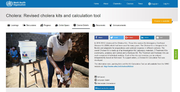
Cholera is an acute diarrhoeal infection caused by ingestion of contaminated water or food. It can lead to dehydration, and death in patients with severe forms of the disease.
Educational materials include resources for children and adolescents, such as children's books, textbooks, lesson plans, activities, games, and online resources on disaster prevention and school safety.

EWARS is a surveillance system developed by the World Health Organization to detect and respond quickly to disease outbreaks in emergency settings where normal health systems are disrupted. It allows health facilities to report priority diseases on a regular basis and generates alerts when unusual p
...

The webpage introduces the “Health Cluster Coordination” channel on World Health Organization’s OpenWHO platform, focusing on training and resources for coordinating health-cluster operations in humanitarian emergencies. It outlines how participants can learn about setting up and managing heal
...
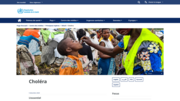
La fiche d'information sur le choléra de l'Organisation mondiale de la santé fournit des informations essentielles sur le choléra, une infection diarrhéique aiguë causée par l'ingestion d'aliments ou d'eau contaminés par la bactérie Vibrio cholerae. La maladie reste une menace mondiale pour
...
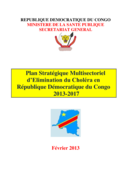
Le Plan Stratégique Multisectoriel d’Élimination du Choléra en République Démocratique du Congo (2013-2017) vise à réduire l’incidence du choléra à moins d’un cas pour 100 000 habitants. Ce plan repose sur une approche multisectorielle, combinant santé, eau, hygiène et assainissemen
...
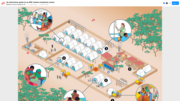
MSF often responds to outbreaks of cholera in the countries we work. But how do we set up our cholera treatment centres to ensure our patients get the best care possible - and that the disease doesn't spread? Learn more about the layout and activities of an MSF cholera treatment centre in this inter
...
The DHIS2 Health Data Toolkit is a collection of implementation tools and resources developed in collaboration with WHO, UNICEF, CDC and other global health partners to improve the quality and effective use of integrated health information systems at national scale.