
Filter
2106
Text search:
universal
access
to
HIV
care
and
treatment
Featured
208
664
Language
2048
38
37
30
21
11
11
8
4
3
3
3
3
2
2
2
2
2
2
2
2
1
1
1
1
1
1
1
1
1
1
1
1
1
1
1
1
1
Document type
1255
353
238
109
84
25
23
10
5
2
1
1
Countries
115
100
86
70
60
54
52
51
49
47
46
45
41
41
40
33
32
32
29
25
25
23
23
23
23
16
16
16
15
15
12
11
11
10
10
9
9
8
8
7
7
7
6
5
5
5
5
4
4
4
4
4
4
3
3
3
3
3
3
3
3
2
2
2
2
2
2
2
2
2
2
2
2
2
2
2
1
1
1
1
1
1
1
1
1
1
1
1
1
1
1
1
1
1
1
1
1
1
1
1
1
1
1
1
Authors & Publishers
253
101
75
64
62
50
36
34
32
24
21
18
16
16
14
13
12
12
12
12
11
11
11
10
10
10
10
9
9
9
9
9
8
8
8
8
7
7
7
7
7
7
7
6
6
6
6
6
6
6
6
6
6
6
5
5
5
5
5
5
5
5
5
5
5
5
5
5
5
5
5
5
4
4
4
4
4
4
4
4
4
4
4
4
4
4
4
4
4
4
4
4
4
4
4
4
4
4
4
4
4
3
3
3
3
3
3
3
3
3
3
3
3
3
3
3
3
3
3
3
3
3
3
3
3
3
3
3
3
3
3
3
3
3
3
3
3
3
3
3
3
3
3
3
3
3
3
3
3
3
3
3
3
3
2
2
2
2
2
2
2
2
2
2
2
2
2
2
2
2
2
2
2
2
2
2
2
2
2
2
2
2
2
2
2
2
2
2
2
2
2
2
2
2
2
2
2
2
2
2
2
2
2
2
2
2
2
2
2
2
2
2
2
2
2
2
2
2
2
2
2
2
2
2
2
2
2
2
2
2
2
2
2
2
2
2
2
2
2
2
2
2
2
2
2
2
2
2
2
2
2
2
2
2
2
2
2
2
2
2
2
2
2
2
2
2
2
2
2
2
2
2
2
2
2
2
2
2
2
2
1
1
1
1
1
1
1
1
1
1
1
1
1
1
1
1
1
1
1
1
1
1
1
1
1
1
1
1
1
1
1
1
1
1
1
1
1
1
1
1
1
1
1
1
1
1
1
1
1
1
1
1
1
1
1
1
1
1
1
1
1
1
1
1
1
1
1
1
1
1
1
1
1
1
1
1
1
1
1
1
1
1
1
1
1
1
1
1
1
1
1
1
1
1
1
1
1
1
1
1
1
1
1
1
1
1
1
1
1
1
1
1
1
1
1
1
1
1
1
1
1
1
1
1
1
1
1
1
1
1
1
1
1
1
1
1
1
1
1
1
1
1
1
1
1
1
1
1
1
1
1
1
1
1
1
1
1
1
1
1
1
1
1
1
1
1
1
1
1
1
1
1
1
1
1
1
1
1
1
1
1
1
1
1
1
1
1
1
1
1
1
1
1
1
1
1
1
1
1
1
1
1
1
1
1
1
1
1
1
1
1
1
1
1
1
1
1
1
1
1
1
1
1
1
1
1
1
1
1
1
1
1
1
1
1
1
1
1
1
1
1
1
1
1
1
1
1
1
1
1
1
1
1
1
1
1
1
1
1
1
1
1
1
1
1
1
1
1
1
1
1
1
1
1
1
1
1
1
1
1
1
1
1
1
1
1
1
1
1
1
1
1
1
1
1
1
1
1
1
1
1
1
1
1
1
1
1
1
1
1
1
1
1
1
1
1
1
1
1
1
1
1
1
1
1
1
1
1
1
1
1
1
1
1
1
1
1
1
1
1
1
1
1
1
1
1
1
1
1
1
1
1
1
1
1
1
1
1
1
1
1
1
1
1
1
1
1
1
1
1
1
1
1
1
1
1
1
1
1
1
1
1
1
1
1
1
1
1
1
1
1
1
1
1
1
1
1
1
1
1
1
1
1
1
1
1
1
1
1
1
1
1
1
1
1
1
1
1
1
1
1
1
1
1
1
1
1
1
1
1
1
1
1
1
1
1
1
1
1
1
1
1
1
1
1
1
1
1
1
1
1
1
1
1
1
1
1
1
1
1
1
1
1
1
1
1
1
1
1
1
1
1
1
1
1
1
1
1
1
1
1
1
1
1
1
1
1
1
1
1
1
1
1
1
1
1
1
1
1
1
1
1
1
1
1
1
1
1
1
1
1
1
1
1
1
1
1
1
1
1
1
1
1
1
1
1
1
1
1
1
1
1
1
1
1
1
1
1
1
1
1
1
1
1
1
1
1
1
1
1
1
1
1
1
1
1
1
1
1
1
1
1
1
1
1
1
1
1
1
1
1
1
1
1
1
1
1
1
1
1
1
1
1
1
1
1
1
1
1
1
1
1
1
1
1
1
1
1
1
1
1
1
1
1
1
1
1
1
1
1
1
1
1
1
1
1
1
1
1
1
1
1
1
1
1
1
1
1
1
1
1
1
1
1
1
1
1
1
1
1
1
1
1
1
1
1
1
1
1
1
1
1
1
1
1
1
1
1
1
1
1
1
1
1
1
1
1
1
1
1
1
1
1
1
1
1
1
1
1
1
1
1
1
1
1
1
1
1
1
1
1
1
1
1
1
1
1
1
1
1
1
1
1
1
1
1
1
1
1
1
1
1
1
1
1
1
1
1
1
1
1
1
1
1
1
1
1
1
1
1
1
1
1
1
1
1
1
1
1
1
1
1
1
1
1
1
1
1
1
1
1
1
1
1
1
1
1
1
1
1
1
1
1
1
1
1
1
1
1
1
1
1
1
1
1
1
1
1
1
1
1
1
1
1
1
1
1
1
1
1
1
1
1
1
1
1
1
1
1
1
1
1
1
1
1
1
1
1
1
1
1
1
1
1
1
1
1
1
1
1
1
1
1
1
1
1
1
1
1
1
1
1
1
1
1
1
1
1
1
1
1
1
1
1
1
1
1
1
1
1
1
1
1
1
1
1
1
1
1
1
1
1
1
1
1
1
1
1
1
1
1
1
1
1
1
1
1
1
1
1
1
1
1
1
1
1
1
1
1
1
1
1
1
1
1
1
1
1
1
1
1
1
1
1
1
1
1
1
1
1
1
1
1
1
1
1
1
1
1
1
1
1
1
1
1
1
1
1
1
1
1
1
1
1
1
1
1
1
1
1
1
1
1
1
1
1
1
1
1
1
1
1
1
1
1
1
1
1
1
1
1
1
1
1
1
1
1
1
1
1
1
1
1
1
1
1
1
1
1
1
1
1
1
1
1
1
1
1
1
1
1
1
1
1
1
1
1
1
1
1
1
1
1
1
1
1
1
1
1
1
1
1
1
1
1
1
1
1
1
1
1
1
1
1
1
1
1
1
1
1
1
1
1
1
1
1
1
1
1
1
1
1
1
1
1
1
1
1
1
1
1
1
1
1
1
1
1
1
1
1
1
1
1
1
1
1
1
1
1
1
1
1
1
1
1
1
1
1
1
1
1
1
1
1
1
1
1
1
1
1
1
1
1
1
1
1
1
1
1
1
1
1
1
1
1
1
1
1
1
1
1
1
1
1
1
1
1
1
1
1
1
1
1
1
1
1
1
1
1
1
1
1
1
1
1
1
1
1
1
1
1
1
1
1
1
1
1
1
1
1
1
1
1
1
1
1
1
1
1
1
1
1
1
1
1
1
1
1
1
1
1
1
1
1
1
1
1
1
1
1
1
1
1
1
1
1
1
1
1
1
1
1
1
1
1
1
1
1
1
1
1
1
1
1
1
1
1
1
1
1
1
1
1
1
1
1
1
1
1
1
1
1
1
1
1
1
1
1
1
1
1
1
1
1
1
1
1
1
1
1
1
1
1
1
1
1
1
1
1
1
1
1
1
1
1
1
1
1
1
1
1
1
1
1
1
1
1
1
1
1
1
1
1
1
1
1
1
1
1
1
1
1
1
1
1
1
1
1
1
1
1
1
1
1
1
1
1
1
1
1
1
1
1
1
1
1
1
1
1
1
1
1
1
1
1
1
1
1
1
1
1
1
1
1
1
1
1
1
1
1
1
1
1
1
1
1
1
1
1
1
1
1
1
1
1
1
1
1
1
1
1
1
1
1
1
1
1
1
1
1
1
1
1
1
1
1
1
1
1
1
1
1
1
1
1
1
1
1
1
1
1
1
1
1
1
1
1
1
1
1
1
1
Publication Years
572
1359
171
4
Category
1035
168
149
124
93
30
17
2
Toolboxes
216
150
123
78
61
60
50
46
40
36
32
29
29
28
26
18
18
17
14
9
8
5
5
4
1
Good practice guide
Supporting community action on HIV, health and rights to end AIDS
Supplement to the Healthcare Waste Management Toolkit for Global Fund
Practitioners and Policy Makers
The Government of Botswana’s SRH Policy Guidelines and Service Standards document provides the framework for developing a responsive strategy and an implementation plan for SRHR
...
and HIV&AIDS Linkages and Integration. The global call on governments to demonstrate commitments to intensify linkages between sexual and reproductive health and HIV&AIDS at the policy and programme level is therefore an added opportunity for the government to review the current service provision model and optimize current resources to provide more integrated, comprehensive coordinated SRHR and HIV&AIDS services.
more

Building on the WHO guidelines for disclosure to children up to age 12 in 2011, this implementation guidance provides evidence on existing interventions that support children
...
and adolescents living with HIV in the process of disclosure. It includes interventions that focuses on safe disclosure, as well as supporting children and adolescents with onwards disclosure. Specifically, this brief collates existing interventions via a scoping review; assesses key interventions through a realist evaluation lens, identifying what works, for whom, and in what contexts; and highlights emerging considerations, key gaps, and key actions.
more
This report brings attention to achieving gender equality in the context of women, girls, and the HIV response. This six-month consultation in 2016
...
with adolescent women and young girls found that #WhatWomenWant is: collaboration and joint action by all to invest in women's HIV and Sexual and Reproductive Health and Rights (SRHR), to be leaders and articulate the priorities of women and girls in all their diversity, and to speak to the new Political Declaration on AIDS and the SDG framework as a tool for civil society to meet their agenda to achieve gender equality in the HIV and SRHR response.
more
Pregnancy, childbirth, postpartum and newborn care: A guide for essential practice (3rd ed.)
recommended
WHO has been alerted to concerns expressed related to the wording on episiotomy in specific situations. We have temporarily removed the publication from the website while we are doing a review of th
...
e evidence with in-house and external experts. We will make the publication available on the website once the review is completed and any needed revisions are made. Please check the website!!!
more

India | The ‘Standard Operating Procedures for Care, Protection and Rehabilitation of Children in Street Situations’, is a unique endeavour to
...
streamline the processes and interventions regarding Children in Street Situations, based on the prevailing legal and policy framework.
more

Vision Statement
From birth to 8 years of age, all children of the Republic of the Union of Myanmar will receive holistic, high-quality and developmentally-appropriate ... care from their parents, caregivers and service providers to ensure they will be happy, healthy, well nourished, socially adept, emotionally balanced and well protected in conditions of freedom, equity and dignity in order to contribute positively to their families, communities and the nation. more
From birth to 8 years of age, all children of the Republic of the Union of Myanmar will receive holistic, high-quality and developmentally-appropriate ... care from their parents, caregivers and service providers to ensure they will be happy, healthy, well nourished, socially adept, emotionally balanced and well protected in conditions of freedom, equity and dignity in order to contribute positively to their families, communities and the nation. more
Monitoring and Evaluation Toolkit: HIV, TB and Malaria and Health Systems Strenghtening
The Global Fund
(2011)
The TB section of the toolkit presents selected (a) programmatic output and (b) outcome and impact indicators for TB. In addition to recommended mo
...
nitoring programs and measuring the outcomes and impact of TB programs, indicators for the strengthening of health systems, strengthening of community systems and some indicators that measure quality of services are also included.
more
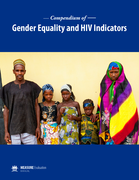
The intended purpose of this compendium is to provide program managers, organizations, and policy makers with a menu of indicators to better “kno
...
w their HIV epidemic/know their response” from a gender perspective. The indicators in the compendium are all either part of existing indicators used in studies or by countries or have been adapted from existing indicators to address the intersection of gender and HIV. The indicators can be measured through existing data collection and information systems (e.g. routine program monitoring, surveys) in most country contexts, though some may require special studies or research.
more
The overall aim of the study was to understand the acceptability and usefulness of PHC clinical placements for nursing and midwifery students.

Essential health care service disruption due to COVID-19: lessons for sustainability in Nigeria
AHOP National Centre based in Nigeria
World Health Organization WHO, Regional Office Africa
(2022)
C_WHO
The brief concludes that sustaining the continuity of EHS requires policies that ensure a whole-society and systems strengthening approach. This involves increased health care investment, community
...
engagement, disease control regulations, and multisector approaches to improve resilience, EHS quality, and equity.
more

Operational Guidance. This operational guidance provides a structured approach to support countries in sustaining priority services for HIV, viral hepatitis
...
and sexually transmitted infections in the context of reduced external funding. The guidance is intended for national governments, public health programmes, community-led organizations, civil society, technical partners and donors working to safeguard priority services, support phased adaptation, protect health outcomes and preserve hard-won gains.
more
This Guide responds to requests from practitioners and country teams who have learned about the Nurturing care framework
...
and want to understand how to adapt health and nutrition services to be supportive of nurturing care and strengthen caregivers’ capacity.
more
This report presents findings from research conducted by Economist Impact to assess the health, demographic, social and economic impacts associated with different scenarios for financing the
...
HIV epidemic across 13 selected countries in Sub-Saharan Africa. The sponsorship of UNAIDS towards this report is gratefully acknowledged. However, the findings and ideas expressed herein represent those of Economist Impact. They do not necessarily reflect the views and opinions of UNAIDS, nor do they engage the responsibility of UNAIDS.
more

Previous studies have highlighted a range of individual determinants associated with HIV testing but few have assessed the role of contextual factors. The objective of this paper is to examine the i
...
nfluence of both individual and community-level determinants of HIV testing uptake in Burkina Faso.
more
25 February 2021
This technical guidance is a living document that builds on guidelines and reports of the UNAIDS Joint Programme. The definitions contained herein are working definitions that are subject
...
to change. Updates will also be added further to the work of the multistakeholder Task Team on community-led AIDS responses that was recently established by the UNAIDS Executive Director and the UNAIDS Joint Programme, and which will conclude its task in December 2021.
more

These guidelines update earlier WHO recommendations to maximize the HIV prevention impact of safe VMMC services and aim
...
to guide the transition to the sustained provision of interventions with a focus on the health and well-being of both adolescent boys and men.
more
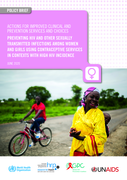
This programmatic brief explores how to expand HIV and STI prevention and contraceptive method o
...
ptions in contraceptive services and, thus, to reduce HIV and STI incidence among adolescent girls and women. It focuses on settings with extremely high HIV prevalence and incidence. This brief complements existing guidance on HIV prevention and sexual and reproductive health and rights (SRHR), amplifies calls for action and outlines more comprehensive approaches to integration of SRHR and HIV services. It also emphasizes the importance of SRHR for women living with HIV. It aligns with updated WHO recommendations for contraceptive eligibility for women at high risk of HIV and other HIV guidance for adolescent girls and young women.
more
