
Filter
411
Filtered Results: 411
Text search:
Ministry
of
Health,
World
Health
Organisation
(WHO),
Roll
Back
Malaria
Featured
Recommendations
31
New Publications
158
Language
Document type
No document type
270
Studies & Reports
51
Guidelines
36
Strategic & Response Plan
21
Manuals
20
Training Material
8
Infographics
2
Brochures
1
Situation Updates
1
Fact sheets
1
Countries / Regions
Kenya
25
Sierra Leone
22
Liberia
22
Uganda
21
Malawi
20
India
19
Ghana
18
Tanzania
17
Nigeria
16
Zambia
16
Global
15
Namibia
12
Ethiopia
12
Rwanda
9
Mozambique
9
Africa
9
Myanmar / Burma
9
Nepal
5
Bangladesh
5
Senegal
4
Zimbabwe
4
Guinea
4
Asia
4
Botswana
4
Pakistan
4
Cameroon
3
Congo, Democratic Republic of
3
Western and Central Europe
3
South Sudan
3
Thailand
2
Lesotho
2
Benin
2
Syria
2
Burkina Faso
2
Burundi
2
Haiti
2
South Africa
2
Indonesia
2
North Macedonia
1
Timor Leste/ East Timor
1
El Salvador
1
Laos
1
Peru
1
Cambodia
1
Dominican Republic
1
Venezuela
1
Latin America and the Carribbean
1
West and Central Africa
1
Middle East and North Africa
1
South–East Asia Region
1
Mauritius
1
East and Southern Africa
1
Belize
1
Costa Rica
1
Panama
1
Lebanon
1
Vietnam
1
Eastern Europe
1
Nicaragua
1
Sudan
1
Central African Republic
1
Honduras
1
Somalia
1
Madagascar
1
Guatemala
1
Authors & Publishers
Publication Years
Category
Countries
255
Public Health
26
Clinical Guidelines
19
Women & Child Health
18
Key Resources
14
Capacity Building
8
Pharmacy & Technologies
5
Toolboxes
HIV
40
TB
25
Malaria
23
COVID-19
11
Pharmacy
10
Ebola & Marburg
9
NTDs
8
AMR
6
Caregiver
5
Disability
4
Health Financing Toolbox
4
Conflict
4
Global Health Education
4
2.0 Rapid Response
3
Rapid Response
2
Mental Health
2
Natural Hazards
2
Planetary Health
2
Refugee
1
Social Ethics
1
NCDs
1
Zika
1
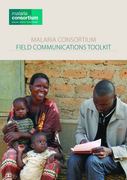
This Communications Toolkit is intended to provide practical guidance and support to staff and partners who are looking to increase their communications capacity. It has been developed as a resource for project staff who work at field-level, to help them communicate responsibly, creatively, and effe...

The findings of the report are both urgent and devastating. At the current rate of progress, by 2040 we would still have 1.9 million new HIV infections and 990,000 AIDS-related deaths in children. But if funding for HIV prevention and treatment continues to fall as current trends suggest, the world ...
This study, and similar studies in Kenya, Mozambique, Swaziland, Uganda, and Zambia is the outcome of close collaborative by a team in Swaziland, with technical and financial support from the UNAIDS Regional Support Team for Eastern and Southern Africa, UNAIDS Geneva, and the World Bank's Global HIV...
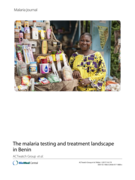
Malar J (2017) 16:174 DOI 10.1186/s12936-017-1808-x
Background: Since 2004, artemisinin-based combination therapy (ACT) has been the first-line treatment for uncomplicated malaria in Benin. In 2016, a medicine outlet survey was implemented to investigate the availability, price, and market share of...
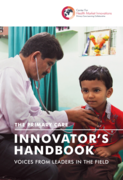
The Primary Care Innovator’s Handbook
recommended
Voices from Leaders in the Field
Integrated Management of pregnancy and childbirth
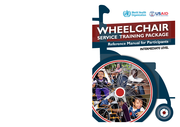
Following the release of the Wheelchair Service Training Package – Basic level (WSTP-B), WHO in partnership with United States Agency for International Development (USAID) has developed the Wheelchair Service Training Package – Intermediate Level (WSTP-I). WSTP-I is the second part of the WHO w...
Early-warning indicators to prevent stock-outs and overstocking of antiretroviral, antituberculosis and antimalaria medicines.
Global UNIDO Project: Strengthening the local production of essential medicines in least developed and developing countries
Global UNIDO Project: Strengthening the local production of essential generic drugs in the least developed and developing countries
Trachoma is an eye infection that for thousands of years caused many people to go blind across all continents. As the result of development and targeted interventions, trachoma is now limited to an estimated 57 countries, often affecting the poorest
populations of the world. Today, more than 2 mill...

UNICEF Annual Report 2017 - Burkina Faso
- Healthcare policy for children
- Food insecurity
- Community health strategy
- National child protection system
etc.
This report presents data and outlines best practices and policies that can put governments on the path to providing every child with the best start in life. It outlines the neuroscience of early childhood development (ECD), including the importance of nutrition, protection and stimulation in the ea...
Five years after a global commitment to Fast-Track the HIV response and end AIDS by 2030, the world is off track. A promise to build on the momentum created in the first decade of the twenty-first century by front-loading investment and accelerating HIV service provision has been fulfilled by too fe...
