
Filter
2913
Text search:
Cancer
Featured
285
669
Language
2529
327
170
104
80
50
26
22
11
11
10
10
9
8
7
6
6
6
5
5
5
5
5
4
4
4
3
3
3
2
2
2
2
2
2
2
2
2
2
2
2
2
1
1
1
1
1
1
1
1
1
1
1
1
1
1
1
1
1
1
1
Document type
1282
632
456
171
128
86
60
21
19
19
16
8
7
5
1
Countries
215
191
106
78
67
51
51
49
46
44
43
36
29
27
26
26
26
25
25
24
22
21
21
20
20
19
19
19
19
18
17
17
16
16
15
15
14
14
14
12
12
11
11
10
10
10
9
9
8
8
7
7
7
6
6
6
6
6
6
6
6
5
5
5
5
5
4
4
4
4
4
4
4
4
4
4
4
4
4
3
3
3
3
3
3
3
3
3
3
3
3
2
2
2
2
2
2
2
2
2
2
2
2
2
2
2
2
2
2
1
1
1
1
1
1
1
1
1
1
1
1
1
1
1
1
1
1
1
1
1
1
1
1
1
1
1
1
1
1
1
1
1
Authors & Publishers
416
134
121
105
99
46
31
31
29
25
24
24
22
21
20
19
19
17
17
16
16
16
15
15
13
12
12
12
12
12
11
11
11
10
10
10
10
10
9
8
8
8
8
8
7
7
7
7
7
7
7
7
7
6
6
6
6
6
6
6
6
6
6
5
5
5
5
5
5
5
5
5
5
5
5
5
5
5
5
5
5
5
5
5
4
4
4
4
4
4
4
4
4
4
4
4
4
4
4
4
4
4
4
4
4
4
4
4
4
4
4
4
4
4
4
4
4
4
4
4
4
3
3
3
3
3
3
3
3
3
3
3
3
3
3
3
3
3
3
3
3
3
3
3
3
3
3
3
3
3
3
3
3
3
3
3
3
3
3
3
3
2
2
2
2
2
2
2
2
2
2
2
2
2
2
2
2
2
2
2
2
2
2
2
2
2
2
2
2
2
2
2
2
2
2
2
2
2
2
2
2
2
2
2
2
2
2
2
2
2
2
2
2
2
2
2
2
2
2
2
2
2
2
2
2
2
2
2
2
2
2
2
2
2
2
2
2
2
2
2
2
2
2
2
2
2
2
2
2
2
2
2
2
2
2
2
2
2
2
2
2
2
2
2
2
2
2
2
2
2
2
2
2
2
2
2
2
2
2
2
2
2
2
2
2
2
2
2
2
2
2
2
2
2
2
2
2
2
2
2
2
2
2
2
2
2
2
2
2
2
2
2
2
2
2
2
2
2
2
2
2
2
2
2
2
2
2
2
2
2
2
2
2
2
2
2
2
2
2
2
2
2
2
2
2
2
2
2
2
2
2
2
2
1
1
1
1
1
1
1
1
1
1
1
1
1
1
1
1
1
1
1
1
1
1
1
1
1
1
1
1
1
1
1
1
1
1
1
1
1
1
1
1
1
1
1
1
1
1
1
1
1
1
1
1
1
1
1
1
1
1
1
1
1
1
1
1
1
1
1
1
1
1
1
1
1
1
1
1
1
1
1
1
1
1
1
1
1
1
1
1
1
1
1
1
1
1
1
1
1
1
1
1
1
1
1
1
1
1
1
1
1
1
1
1
1
1
1
1
1
1
1
1
1
1
1
1
1
1
1
1
1
1
1
1
1
1
1
1
1
1
1
1
1
1
1
1
1
1
1
1
1
1
1
1
1
1
1
1
1
1
1
1
1
1
1
1
1
1
1
1
1
1
1
1
1
1
1
1
1
1
1
1
1
1
1
1
1
1
1
1
1
1
1
1
1
1
1
1
1
1
1
1
1
1
1
1
1
1
1
1
1
1
1
1
1
1
1
1
1
1
1
1
1
1
1
1
1
1
1
1
1
1
1
1
1
1
1
1
1
1
1
1
1
1
1
1
1
1
1
1
1
1
1
1
1
1
1
1
1
1
1
1
1
1
1
1
1
1
1
1
1
1
1
1
1
1
1
1
1
1
1
1
1
1
1
1
1
1
1
1
1
1
1
1
1
1
1
1
1
1
1
1
1
1
1
1
1
1
1
1
1
1
1
1
1
1
1
1
1
1
1
1
1
1
1
1
1
1
1
1
1
1
1
1
1
1
1
1
1
1
1
1
1
1
1
1
1
1
1
1
1
1
1
1
1
1
1
1
1
1
1
1
1
1
1
1
1
1
1
1
1
1
1
1
1
1
1
1
1
1
1
1
1
1
1
1
1
1
1
1
1
1
1
1
1
1
1
1
1
1
1
1
1
1
1
1
1
1
1
1
1
1
1
1
1
1
1
1
1
1
1
1
1
1
1
1
1
1
1
1
1
1
1
1
1
1
1
1
1
1
1
1
1
1
1
1
1
1
1
1
1
1
1
1
1
1
1
1
1
1
1
1
1
1
1
1
1
1
1
1
1
1
1
1
1
1
1
1
1
1
1
1
1
1
1
1
1
1
1
1
1
1
1
1
1
1
1
1
1
1
1
1
1
1
1
1
1
1
1
1
1
1
1
1
1
1
1
1
1
1
1
1
1
1
1
1
1
1
1
1
1
1
1
1
1
1
1
1
1
1
1
1
1
1
1
1
1
1
1
1
1
1
1
1
1
1
1
1
1
1
1
1
1
1
1
1
1
1
1
1
1
1
1
1
1
1
1
1
1
1
1
1
1
1
1
1
1
1
1
1
1
1
1
1
1
1
1
1
1
1
1
1
1
1
1
1
1
1
1
1
1
1
1
1
1
1
1
1
1
1
1
1
1
1
1
1
1
1
1
1
1
1
1
1
1
1
1
1
1
1
1
1
1
1
1
1
1
1
1
1
1
1
1
1
1
1
1
1
1
1
1
1
1
1
1
1
1
1
1
1
1
1
1
1
1
1
1
1
1
1
1
1
1
1
1
1
1
1
1
1
1
1
1
1
1
1
1
1
1
1
1
1
1
1
1
1
1
1
1
1
1
1
1
1
1
1
1
1
1
1
1
1
1
1
1
1
1
1
1
1
1
1
1
1
1
1
1
1
1
1
1
1
1
1
1
1
1
1
1
1
1
1
1
1
1
1
1
1
1
1
1
1
1
1
1
1
1
1
1
1
1
1
1
1
1
1
1
1
1
1
1
1
1
1
1
1
1
1
1
1
1
1
1
1
1
1
1
1
1
1
1
1
1
1
1
1
1
1
1
1
1
1
1
1
1
1
1
1
1
1
1
1
1
1
1
1
1
1
1
1
1
1
1
1
1
1
1
1
1
1
1
1
1
1
1
1
1
1
1
1
1
1
1
1
1
1
1
1
1
1
1
1
1
1
1
1
1
1
1
1
1
1
1
1
1
1
1
1
1
1
1
1
1
1
1
1
1
1
1
1
1
1
1
1
1
1
1
1
1
1
1
1
1
1
1
1
1
1
1
1
1
1
1
1
1
1
1
1
1
1
1
1
1
1
1
1
1
1
1
1
1
1
1
1
1
1
1
1
1
1
1
1
1
1
1
1
1
1
1
1
1
1
1
1
1
1
1
1
1
1
1
1
1
1
1
1
1
1
1
1
1
1
1
1
1
1
1
1
1
1
1
1
1
1
1
1
1
1
1
1
1
1
1
1
1
1
1
1
1
1
1
1
1
1
1
1
1
1
1
1
1
1
1
1
1
1
1
1
1
1
1
1
1
1
1
1
1
1
1
1
1
1
1
1
1
1
1
1
1
1
1
1
1
1
1
1
1
1
1
1
1
1
1
1
1
1
1
1
1
1
1
1
1
1
1
1
1
1
1
1
1
1
1
1
1
1
1
1
1
1
1
1
1
1
1
1
1
1
1
1
1
1
1
1
1
1
1
1
1
1
1
1
1
1
1
1
1
1
1
1
1
1
1
1
1
1
1
1
1
1
1
1
1
1
1
1
1
1
1
1
1
1
1
1
1
1
1
1
1
1
1
1
1
1
1
1
1
1
1
1
1
1
1
1
1
1
1
1
1
1
1
1
1
1
1
1
1
1
1
1
1
1
1
1
1
1
1
1
1
1
1
1
1
1
1
1
1
1
1
1
1
1
1
1
1
1
1
1
1
1
1
1
1
1
1
1
1
1
1
1
1
1
1
1
1
1
1
1
1
1
1
1
1
1
1
1
1
1
1
1
1
1
1
1
1
1
1
1
1
1
1
1
1
1
1
1
1
1
1
1
1
1
1
1
1
1
1
1
1
1
1
1
1
1
1
1
1
1
1
1
1
1
1
1
1
1
1
1
1
1
1
1
1
1
1
1
1
1
1
1
1
1
1
1
1
1
1
1
1
1
1
1
1
1
1
1
1
1
1
1
1
1
1
1
1
1
1
1
1
1
1
1
1
1
1
1
1
1
1
1
1
1
1
1
1
1
1
1
1
1
1
1
1
1
1
1
1
1
1
1
1
1
1
1
1
1
1
1
1
1
1
1
1
1
1
1
1
1
1
1
1
1
1
1
1
1
1
1
1
1
1
1
1
1
1
1
1
1
1
1
1
1
1
1
1
1
1
1
1
1
1
1
1
1
1
1
1
1
1
1
1
1
1
1
1
1
1
1
1
1
1
1
1
1
1
1
1
1
1
1
1
1
1
1
1
1
1
1
1
1
1
1
1
1
1
1
1
1
1
1
1
1
1
1
1
1
1
1
1
1
1
1
1
1
1
1
1
1
1
1
1
1
1
1
1
1
1
1
1
1
1
1
1
1
1
1
1
1
1
1
1
1
1
1
1
1
1
1
1
1
1
1
1
1
1
1
1
1
1
1
1
1
1
1
1
1
1
1
1
1
1
1
1
1
1
1
1
1
1
1
1
1
1
1
1
1
1
1
1
1
1
1
1
1
1
1
1
1
1
1
1
1
1
1
1
1
1
1
1
1
1
1
1
1
1
1
1
1
1
1
1
1
1
1
1
1
1
1
1
1
1
1
1
1
1
1
1
1
1
1
1
1
1
1
1
1
1
1
1
1
1
1
1
1
1
1
1
1
1
1
1
1
1
1
1
1
1
1
1
1
1
1
1
1
1
1
1
1
1
1
1
1
1
1
1
1
1
1
1
1
1
1
1
1
1
1
1
1
1
1
1
1
1
1
1
1
1
1
1
1
1
1
1
1
1
1
1
1
1
1
1
1
1
1
1
1
1
1
1
1
1
1
1
1
1
1
1
1
1
1
1
1
1
1
1
1
1
1
1
1
1
1
1
1
1
1
1
1
1
1
1
1
1
1
1
1
1
1
1
1
1
1
1
1
1
1
1
1
1
1
1
1
1
1
1
1
1
1
1
1
1
1
1
1
1
1
1
1
1
1
1
1
1
1
1
1
1
1
1
1
1
1
1
1
1
1
1
1
1
1
1
1
1
1
1
1
1
1
1
1
1
1
1
1
1
1
1
1
1
1
1
1
1
1
1
1
1
1
1
1
1
1
1
1
1
1
1
1
1
1
1
1
1
1
1
1
1
1
1
1
1
1
1
1
1
1
1
1
1
1
1
1
1
1
1
1
1
1
1
1
1
1
1
1
1
1
1
1
1
1
1
1
1
1
1
1
1
1
1
1
1
1
1
1
1
1
1
1
1
1
1
1
1
1
1
1
1
1
1
1
1
1
1
1
1
1
1
1
1
1
1
1
1
1
1
1
1
1
1
1
1
1
1
1
1
1
1
1
1
1
1
1
1
1
1
1
1
1
1
1
1
1
1
1
1
1
1
1
1
1
1
1
1
1
Publication Years
1067
1614
217
13
2
Category
1146
309
301
164
77
71
20
1
Toolboxes
237
232
216
154
131
99
90
77
75
73
70
62
56
50
30
29
27
15
15
12
12
8
5
3
3
The WHO fact sheet on household air pollution highlights that around 2.1 billion people rely on solid fuels like wood and coal for cooking, using open fires or inefficient stoves. This leads to severe indoor air pollution, contributing to about 3.2 million premature deaths each year, including over
...
237,000 children under five. Health impacts include strokes, heart disease, COPD, and lung cancer. Women and children are particularly affected due to their roles in cooking and fuel gathering. WHO calls for the adoption of clean energy solutions, such as electricity and solar power, to mitigate the health risks associated with household air pollution.
more

Non-Communicable Diseases (NCDs) have emerged as conditions of great public health concern in Kenya accounting for 39% of deaths annually. The Ministry of Health through the Department of Non-Communicable Diseases has adopted the vision of achieving a nation free from preventable burden of NCDs. Fur
...
ther, the mission of this strategy is to halt and reverse the rising burden of NCDs through effective multisectoral collaboration and partnerships by ensuring Kenyans receive the highest attainable standard of NCD continuum of care that is accessible, affordable, quality, equitable and sustainable thus alleviating suffering, disease and death for their well-being and socio-economic development.
The scope of NCDs covered by this strategy include; cardiovascular diseases, cancer, diabetes, chronic respiratory diseases, mental health conditions, violence and injuries, hemoglobinopathies, haemophilia and other bleeding disorders, auto immune diseases, chronic renal diseases, epilepsy and other neurological disorders, chronic skin conditions and oral diseases and conditions. It equally addresses seven risk factors; tobacco use, harmful use of alcohol, unhealthy diets and toxins, physical inactivity, indoor air pollution, environmental pollutants and toxins and stress.
more

Consolidated guidelines on person-centred HIV strategic information: strengthening routine data for impact
recommended
These guidelines focus on the collection and use of person-centred data across the HIV cascade – from prevention, testing and treatment to longer-term health care – building upon 2017 and 2020 strategic information guidelines. The updated guidelines present a standard minimum dataset, priority i
...
ndicators and recommendations to strengthen data use across HIV prevention, testing and treatment, and linkages to services for sexually transmitted infections, viral hepatitis, tuberculosis and cervical cancer. The guidelines also cover the use of routinely collected data for HIV surveillance (including measurement of HIV prevalence and incidence) and emphasize the use of data from different sources to gain a better picture of epidemiologic trends.
more
Seulement 3 % de la recherche mondiale en santé provient d’Afrique, malgré sa part de 18 % de la population
mondiale et de 25 % de la charge de morbidité. L’un des défis auxquels est confrontée cette recherche limitée en
matière de santé sur le continent provient du cadre défaillant d
...
e l’éthique de la recherche et de l’incapacité des
principes internationaux d’éthique de la recherche à protéger de manière optimale les participants africains à la
recherche. Les populations africaines possèdent des cultures, des valeurs, des systèmes de croyances et des
vertus spécifiques qu'il convient d'explorer et de comprendre pour mener la recherche de manière éthiques. Par
exemple, une étude menée en Afrique a révélé que l'information sur les diagnostics, notamment ceux de cancer,
lors du consentement éclairé a été jugée défavorable, ce qui peut altérer le traitement et les résultats des soins
prodigués aux patients. En Afrique, contrairement aux pays développés, l'accent est davantage mis sur
l'autonomie communautaire que sur l'autonomie individuelle. Le niveau d’alphabétisation en santé des populations
africaines est faible par rapport à celui des pays développés, ce qui affecte leur compréhension du consentement
éclairé et compromet leur capacité à prendre des décisions éclairées. Le statut socio-économique inférieur des
populations africaines pourrait également rendre les participants à l'étude vulnérables, car les incitations offertes
pourraient influencer leur décision de participer à l'étude.
more
Accessed on 06.03.2022
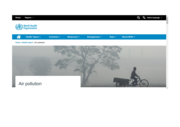
Air pollution is contamination of the indoor or outdoor environment by any chemical, physical or biological agent that modifies the natural characteristics of the atmosphere. Household combustion devices, motor vehicles, industrial facilities and forest fires are common sou
...
rces of air pollution. Pollutants of major public health concern include particulate matter, carbon monoxide, ozone, nitrogen dioxide and sulfur dioxide. Outdoor and indoor air pollution cause respiratory and other diseases and is an important source of morbidity and mortality.
Air pollution kills an estimated seven million people worldwide every year. WHO data shows that almost all of the global population (99%) breathe air that exceeds WHO guideline limits containing high levels of pollutants, with low- and middle-income countries suffering from the highest exposures. WHO is supporting countries to address air pollution.
From smog hanging over cities to smoke inside the home, air pollution poses a major threat to health and climate. The combined effects of ambient (outdoor) and household air pollution cause millions of premature deaths every year, largely as a result of increased mortality from stroke, heart disease, chronic obstructive pulmonary disease, lung cancer and acute respiratory infections.
Website
more
WHO has updated its guidelines for COVID-19 therapeutics, with revised recommendations for patients with non-severe COVID-19. This is the 13th update to these guidelines.
Updated risk rates for hospital admission in patients with non-severe COVID-19
The guidance includes updated risk rates for
...
hospital admission in patients with non-severe COVID-19.
The current COVID-19 virus variants tend to cause less severe disease while immunity levels are higher due to vaccination, leading to lower risks of severe illness and death for most patients.
This update includes new baseline risk estimates for hospital admission in patients with non-severe COVID-19. The new ‘moderate risk’ category now includes people previously considered to be high risk including older people and/or those with chronic conditions, disabilities, and comorbidities of chronic disease. The updated risk estimates will assist healthcare professionals to identify individuals at high, moderate or low risk of hospital admission, and to tailor treatment according to WHO guidelines:
**High: **People who are immunosuppressed remain at higher risk if they contract COVID-19, with an estimated hospitalization rate of 6%.
**Moderate: **People over 65 years old, those with conditions like obesity, diabetes and/or chronic conditions including chronic obstructive pulmonary disease, kidney or liver disease, cancer, people with disabilities and those with comorbidities of chronic disease are at moderate risk, with an estimated hospitalization rate of 3%.
Low: Those who are not in the high or moderate risk categories are at low risk of hospitalization (0.5%). Most people are low risk.
Review of COVID-19 treatments for people with non-severe COVID-19
WHO continues to strongly recommend nirmatrelvir-ritonavir (also known by its brand name ‘Paxlovid’) for people at high-risk and moderate risk of hospitalization. The recommendations state that nirmatrelvir-ritonavir is considered the best choice for most eligible patients, given its therapeutic benefits, ease of administration and fewer concerns about potential harms. Nirmatrelvir-ritonavir was first recommended by WHO in April 2022.
If nirmatrelvir-ritonavir is not available to patients at high-risk of hospitalization, WHO suggests the use of molnupiravir or remdesivir instead.
WHO suggests against the use of molnupiravir and remdesivir for patients at moderate risk, judging the potential harms to outweigh the limited benefits in patients at moderate risk of hospital admission.
For people at low risk of hospitalization, WHO does not recommend any antiviral therapy. Symptoms like fever and pain can continue to be managed with analgesics like paracetamol.
WHO also recommends against use of a new antiviral (VV116) for patients, except in clinical trials.
The update also includes a strong recommendation against the use of ivermectin for patients with non-severe COVID-19. WHO continues to advise that in patients with severe or critical COVID-19, ivermectin should only be used in clinical trials.
more
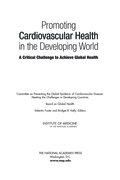
Cardiovascular disease (CVD) is often thought to be a problem of wealthy, industrialized nations. The term “cardiovascular disease” is used throughout the report to refer to cardiac disease, vascular diseases of the brain and kidney, and peripheral vascular disease. The report’s main focus is
...
on the major contributors to global CVD mortality, coronary heart disease and stroke, and on the major modifiable risk factors for cardiovascular diseases. In fact, as the leading cause of death worldwide, CVD now has a major impact not only on developed nations but also on low and middle income countries, where it accounts for nearly 30 percent of all deaths. The terms “developed” and “high income countries” are used interchangeably throughout the report to refer to countries classified by the World Bank as high income economies. The terms “developing” and “low and middle income countries” are used interchangeably throughout the report to refer to countries classified by the World Bank as low, lower middle, and upper middle income economies. The increased prevalence of risk factors for CVD and related chronic diseases in developing countries, including tobacco use, unhealthy dietary changes, reduced physical activity, increasing blood lipids, and hypertension, reflects significant global changes in behavior and lifestyle. The term “chronic diseases” is used throughout the report to refer to CVD and the following related chronic diseases that share many common risk factors: diabetes, cancer, and chronic respiratory disease. These changes now threaten once-low-risk regions, a shift that is accelerated by industrialization, urbanization, and globalization. The potentially devastating effects of these trends are magnified by a deleterious economic impact on nations and households, where poverty can be both a contributing cause and a consequence of chronic diseases. The accelerating rates of unrecognized and inadequately addressed CVD and related chronic diseases in both men and women in low and middle income countries are cause for immediate action.
more

he UNFPA “Programmatic guidelines: Cash and Voucher Assistance in Sexual and Reproductive Health programming in Emergencies” explains how CVA can be effectively integrated into humanitarian responses to help women, girls, and other vulnerable groups access lifesaving and comprehensive SRH servic
...
es. Rooted in UNFPA’s mandate, this document provides practical direction for designing, implementing, and monitoring CVA within SRH programming.
The guidance highlights the barriers that hinder access to SRH care, such as affordability, availability, acceptability, and appropriateness, and illustrates how CVA can address financial obstacles by covering transport, user fees, or other indirect costs, while reinforcing health system strengthening efforts. CVA is presented as a complementary tool that supports both emergency and long-term SRH goals. Within humanitarian emergencies, it can contribute directly to achieving MISP objectives, including:
Enabling survivors of sexual violence to access clinical and psychosocial care;
Supporting the continuation of HIV and STI treatment, including coverage of transport;
Facilitating safe deliveries and emergency obstetric and newborn care; and
Removing financial barriers to voluntary family planning and contraceptive access, while ensuring informed choice and avoiding coercion.
Beyond the MISP, CVA also supports the transition to comprehensive SRH services in protracted emergencies and recovery phases. Examples include using cash or vouchers to encourage antenatal and postnatal care, ensure menstrual hygiene, sustain cancer prevention and treatment, fund obstetric fistula repair, and promote SRH education among adolescents.
more
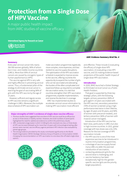
Protection from a Single Dose of HPV Vaccine A major public health impact from IARC studies of vaccine efficacy.
The World Health Organization's fact sheet on physical activity emphasizes its critical role in maintaining health and well-being. It outlines the benefits of regular physical activity, such as reducing the risk of noncommunicable diseases like heart disease, stroke, diabetes, and certain cancers. T
...
he document provides specific recommendations for different age groups, detailing the amount and intensity of physical activity needed to achieve health benefits. It also addresses the global prevalence of physical inactivity, highlighting the need for policies and interventions to promote active lifestyles.
more
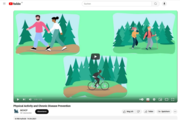
The video titled "Physical Activity and Chronic Disease Prevention" emphasizes the importance of regular physical activity in reducing the risk of chronic diseases. It discusses how engaging in consistent exercise can help prevent conditions such as heart disease, diabetes, and certain cancers. The
...
video also provides practical tips for incorporating physical activity into daily routines to enhance overall health and well-being.
more
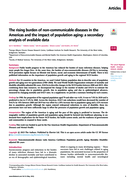
The rising burden of non-communicable diseases in the Americas and the impact of population aging: a secondary analysis of available data
Hambleton, I. R.; Caixeta, R.; Jeyaseelan, S.M.; et al.
The Lance Regional Health America
(2023)
CC2
The article "The Rising Burden of Non-Communicable Diseases in the Americas and the Impact of Population Aging" examines how the aging population in the Americas is contributing to the growing burden of non-communicable diseases (NCDs), despite improvements in disease prevention and health care. Usi
...
ng data from the World Health Organization and the United Nations, the study analyzes trends in population growth, aging, and NCD-related mortality and disability rates from 2000 to 2019 across 33 countries.
more
The Pan American Health Organization (PAHO) provides comprehensive information on noncommunicable diseases (NCDs), including cardiovascular diseases, cancers, diabetes, and chronic respiratory diseases. The website emphasizes that NCDs are the leading cause of death and disability globally, accounti
...
ng for 71% of all deaths worldwide, with 5.5 million annual deaths in the Americas. It highlights key risk factors such as tobacco use, physical inactivity, harmful alcohol consumption, and unhealthy diets. PAHO advocates for preventive measures, early detection, and integrated healthcare strategies to address the NCD burden in the Americas.
more
The Pan American Health Organization (PAHO) provides comprehensive information on noncommunicable diseases (NCDs), including cardiovascular diseases, cancers, diabetes, and chronic respiratory diseases. The website emphasizes that NCDs are the leading cause of death and disability globally, accounti
...
ng for 71% of all deaths worldwide, with 5.5 million annual deaths in the Americas. It highlights key risk factors such as tobacco use, physical inactivity, harmful alcohol consumption, and unhealthy diets. PAHO advocates for preventive measures, early detection, and integrated healthcare strategies to address the NCD burden in the Americas.
more
The World Health Organization's Global Health Observatory (GHO) provides comprehensive data on noncommunicable diseases (NCDs), including cardiovascular diseases, cancers, chronic respiratory diseases, and diabetes. The portal offers country-specific statistics on NCD mortality rates, risk factors,
...
and national responses, facilitating analysis and comparison across regions. It also includes resources such as publications and tools to support global efforts in NCD prevention and control.
more

World Health Organization. (2022). Toolkit for developing a multisectoral action plan for noncommunicable diseases: module 4: developing an implementation plan.
A framework for action provides a guide for those involved in the development of the multisectoral action plan. It starts with a wide-ranging vision and, through a series of increasingly specific intentions, brings into focus actions with measurable outcomes that can be taken to achieve that vision.
...
more
To maintain a structured and well-organized implementation plan it is important to have a lead agency or sector. The ministry of health or a similar authority in government will be critical in facilitating development and implementation of the multisectoral action plan.

To maintain a structured and well-organized implementation plan it is important to have a lead agency or sector. The ministry of health or a similar authority in government will be critical in facilitating development and implementation of the multisectoral action plan.

The document is a policy brief by the NCD Alliance for the 2023 United Nations High-Level Meeting on Universal Health Coverage (UHC). It highlights the importance of integrating non-communicable diseases (NCDs) into UHC efforts, with the goal of ensuring equitable health access worldwide.
