
Filter
3326
Text search:
civil
emergency
Featured
Recommendations
272
New Publications
1051
Language
Document type
No document type
1887
Studies & Reports
583
Guidelines
316
Manuals
198
Strategic & Response Plan
198
Situation Updates
56
Fact sheets
37
Training Material
36
Resource Platforms
6
Brochures
3
Infographics
3
Online Courses
2
Dashboards/Maps
1
Countries / Regions
Global
161
India
129
Myanmar / Burma
97
Syria
93
Liberia
92
Sierra Leone
91
Kenya
88
Nigeria
78
Uganda
68
Bangladesh
68
Ethiopia
64
Nepal
62
Western and Central Europe
60
Ukraine
54
Congo, Democratic Republic of
53
Latin America and the Carribbean
49
Rwanda
48
South Sudan
45
Africa
42
Ghana
41
Malawi
41
Zambia
37
Tanzania
34
Guinea
33
South Africa
33
Namibia
33
Haiti
32
Venezuela
30
Mozambique
29
Yemen
27
Philippines
26
Indonesia
25
South–East Asia Region
25
Asia
23
Zimbabwe
21
Brazil
20
Cambodia
18
Lesotho
18
West and Central Africa
18
Senegal
17
Central African Republic
16
East and Southern Africa
16
Eastern Europe
16
Afghanistan
15
Germany
15
Lebanon
15
Pakistan
14
Sudan
12
Botswana
12
Thailand
11
Colombia
11
Middle East and North Africa
11
Somalia
10
Jordan
10
Moldova
10
Turkey
9
Mali
8
Iraq
8
Vietnam
8
Cameroon
7
Eswatini/ Swaziland
7
Western Pacific Region
7
Eastern Europe and Central Asia
7
Laos
7
Burkina Faso
6
Benin
6
Peru
6
Paraguay
6
Palestine
6
Côte d’Ivoire / Ivory Coast
5
USA
5
China
5
Libya
5
Russia
5
Iran
5
Papua New Guinea
4
North Macedonia
4
Burundi
4
Ecuador
4
Angola
4
Madagascar
4
Poland
4
Tajikistan
4
Romania
4
Guinea-Bissau
3
Niger
3
Togo
3
Argentina
3
Greece
3
Mexico
3
Sri Lanka
3
Chile
3
Italy
3
Southern Africa
3
Timor Leste/ East Timor
3
North America
3
Egypt
2
Chad
2
Malaysia
2
Singapore
2
Dominican Republic
2
Serbia
2
Hungary
2
Croatia
2
El Salvador
2
Bhutan
2
Albania
2
Bulgaria
2
Estonia
2
Kyrgyzstan
2
Kazakhstan
2
Turkmenistan
2
Spain
2
Gambia
1
Mauritania
1
Cuba
1
Honduras
1
Bolivia
1
Guatemala
1
Fiji
1
Armenia
1
Mongolia
1
Lithuania
1
Slovakia
1
Uzbekistan
1
Japan
1
Mauritius
1
Portugal
1
Azerbaijan
1
Belarus
1
Israel
1
Bosnia and Herzegovina
1
Authors & Publishers
Publication Years
Category
Countries
1302
Key Resources
345
Public Health
162
Women & Child Health
160
Clinical Guidelines
113
Capacity Building
37
Pharmacy & Technologies
12
Annual Report MEDBOX
1
Toolboxes
COVID-19
297
HIV
253
Conflict
228
Mental Health
177
Ebola & Marburg
143
Planetary Health
123
Refugee
116
Disability
114
TB
99
Rapid Response
93
Natural Hazards
91
Global Health Education
64
2.0 Rapid Response
60
Health Financing Toolbox
57
Caregiver
52
Specific Hazards
40
AMR
30
NCDs
28
Malaria
23
Polio
21
Zika
21
Cholera
17
Pharmacy
16
NTDs
16
Typhoon
9
Social Ethics
6
South Sudan
1
This publication provides a problem analysis of the U.S. cuts in global health and derives concrete recommendations for action for medical actors. The focus is on analyzing the direct effects on health-specific development cooperation.
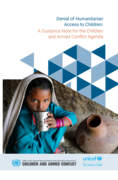
ith a view to support the monitoring and reporting on the denial of humanitarian access against children, the Office of the Special Representative of the Secretary-General for Children and Armed Conflict and UNICEF publish today* a guidance note offering new tools to practitioners to better address
...
This chapter of the AMP LLIN Mass Campaign Toolkit outlines the strategic communication approaches that are essential before, during and after long-lasting insecticide-treated net (LLIN) distribution campaigns. It emphasises the importance of setting up a national communications sub-committee under
...

4th edition, Reference Manual

According to the WHO, there were an estimated 251 million malaria cases (95% of global cases) and 579,414 malaria deaths (97% of global deaths) in African Union Member States in 2023. 76% of these deaths were children under the age of five.

A historic funding crisis is threatening to unravel decades of progress unless countries can make radical shifts to HIV programming and funding. The report highlights the impact that the sudden, large-scale funding cuts from international donors are having on countries most affected by HIV. Yet it a
...
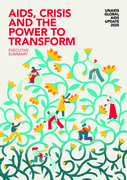
A historic funding crisis is threatening to unravel decades of progress unless countries can make radical shifts to HIV programming and funding. The report highlights the impact that the sudden, large-scale funding cuts from international donors are having on countries most affected by HIV. Yet it a
...

The National Strategic Plan on Malaria Prevention and Elimination Period 2021 – 2025 seeks to build on the previous national successes of the National Institute of Malariology, Parasitology, and Entomology (NIMPE) while addressing current challenges to reduce the overall burden of malaria in the S
...

This toolkit is a comprehensive set of practical tools and resources designed to support country-level risk communication and community engagement (RCCE) practitioners, decision-makers, and partners to plan and implement readiness and response activities for yellow fever outbreaks. The toolkit conta
...

This toolkit is a comprehensive set of practical tools and resources designed to support country-level risk communication and community engagement (RCCE) practitioners, decision-makers, and partners to plan and implement readiness and response activities for yellow fever outbreaks. The toolkit conta
...

This guide aims to provide an overview of successful practice from the field for the disaster risk reduction/management practitioner interested in EWS. It presents guiding principles that will build a strong foundation for the design or strengthening of EWS at any level. It is not an operational, bu
...

The objective of this guideline is to present the complete set of all WHO recommendations and best practice statements relating to abortion. While legal, regulatory, policy and service-delivery contexts may vary from country to country, the recommendations and best practices described in this docume
...

Non-Communicable Diseases (NCDs) have emerged as conditions of great public health concern in Kenya accounting for 39% of deaths annually. The Ministry of Health through the Department of Non-Communicable Diseases has adopted the vision of achieving a nation free from preventable burden of NCDs. Fur
...
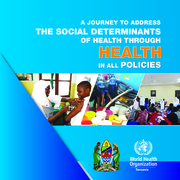
Health in All Policies (HiAP) promotes health and equity. It is based on the recognition that our greatest health challenges for example, non-communicable diseases, health inequities and inequalities, climate change, and spiraling health care costs are highly complex and often linked through the soc
...

IDMC's Global Report on Internal Displacement (GRID) is the authoritative source for data and analysis on the state of internal displacement for the previous year.

Drawing on the World Health Organization’s package of NCD best buys, the report demonstrates how these evidence-based measures can help countries reduce premature deaths, strengthen health systems, and advance progress towards the Sustainable Development Goals. It provides policymakers, donors, ad
...

WHO guideline on balanced national controlled medicines policies to ensure medical access and safety
Access to medicines is essential for attainment of universal health coverage, which is central to achievement of the health-related Sustainable Development Goals. Controlled medicines include those such as opioids, benzodiazepines, barbiturates, amphetamines and others with identified or emergent cl
...

WHO guideline on HIV service delivery
recommended
Updated guidance on the integration of diabetes, hypertension and mental health services, and interventions to support adherence to antiretroviral therapy. The guideline offers practical implementation guidance for countries and key stakeholders as well as outlining key research gaps. As life expec
...

WHO, as the coordinating authority on international health, supports countries in protecting public health through evidence-based policies and actions. Considering the significant health burden and the multiple potential benefits of interventions, the WHO Air Quality, Energy and Health Unit aims to
...

The health impacts of climate change are no longer a distant threat. They are being felt here and now and becoming more extreme.
To address these threats, the WHO Asia-Pacific Centre for Environment and Health in the Western Pacific Region (ACE) was established in 2019 through a partnership with
...
