Filter
3424
Text search:
National
Medicines
Policy
Featured
Recommendations
329
New Publications
975
Language
Document type
No document type
1792
Studies & Reports
645
Guidelines
471
Manuals
195
Strategic & Response Plan
181
Fact sheets
48
Training Material
45
Situation Updates
26
Brochures
6
Resource Platforms
6
Infographics
5
Online Courses
4
Countries / Regions
Global
169
India
132
Kenya
122
Uganda
93
South Africa
91
Ethiopia
83
Nigeria
71
Nepal
69
Western and Central Europe
68
Sierra Leone
67
Ghana
63
Liberia
62
Malawi
61
Africa
61
Myanmar / Burma
59
Zambia
55
Tanzania
54
Bangladesh
50
Latin America and the Carribbean
50
Ukraine
49
Namibia
46
Rwanda
40
Eastern Europe
33
Zimbabwe
29
South–East Asia Region
27
Asia
27
Philippines
23
Indonesia
21
Lesotho
21
Congo, Democratic Republic of
20
Syria
20
Cambodia
20
Mozambique
17
Botswana
15
East and Southern Africa
15
Guinea
14
Haiti
14
Senegal
13
Pakistan
13
West and Central Africa
13
Burkina Faso
12
Eswatini/ Swaziland
12
Yemen
12
Middle East and North Africa
12
Venezuela
11
Russia
11
Cameroon
10
South Sudan
10
Eastern Europe and Central Asia
10
Thailand
9
Sudan
9
Afghanistan
8
Brazil
8
Moldova
8
Somalia
7
Benin
7
Madagascar
7
Western Pacific Region
7
North America
7
Lebanon
6
Peru
6
Vietnam
6
Jordan
5
China
5
North Macedonia
5
Paraguay
5
Poland
5
Albania
5
Laos
5
Georgia
5
Iraq
4
Germany
4
Central African Republic
4
Hungary
4
Libya
4
Sri Lanka
4
Tajikistan
4
Morocco
3
Saudi Arabia
3
Egypt
3
Colombia
3
El Salvador
3
Bolivia
3
Mexico
3
Fiji
3
Bhutan
3
Palestine
3
Southern Africa
3
Timor Leste/ East Timor
3
Romania
3
Iran
3
Kyrgyzstan
3
Jamaica
3
Mauritius
3
Mali
2
Côte d’Ivoire / Ivory Coast
2
USA
2
Gambia
2
Papua New Guinea
2
Argentina
2
Serbia
2
Ecuador
2
Chile
2
Armenia
2
Canada
2
Qatar
2
Bulgaria
2
Gabon
2
Japan
2
Tunisia
2
United Kingdom
2
Belarus
2
Niger
1
Turkey
1
Chad
1
Dominican Republic
1
Switzerland
1
Burundi
1
Honduras
1
Greece
1
Guatemala
1
Nicaragua
1
Other region
1
Djibouti
1
Mongolia
1
Lithuania
1
Slovakia
1
Kazakhstan
1
Turkmenistan
1
Denmark
1
Maldives
1
Norway
1
Portugal
1
Israel
1
Latvia
1
Belize
1
Costa Rica
1
Panama
1
Authors & Publishers
Publication Years
Category
Countries
1416
Clinical Guidelines
295
Public Health
212
Women & Child Health
151
Key Resources
126
Capacity Building
39
Pharmacy & Technologies
38
Annual Report MEDBOX
1
Toolboxes
HIV
318
TB
246
AMR
210
COVID-19
194
Mental Health
179
Pharmacy
140
NCDs
88
Caregiver
87
Planetary Health
73
Disability
72
Malaria
71
NTDs
70
Conflict
66
Global Health Education
60
Ebola & Marburg
53
Health Financing Toolbox
50
Rapid Response
41
Refugee
40
Natural Hazards
20
2.0 Rapid Response
19
Polio
11
Zika
10
Specific Hazards
9
Cholera
5
Social Ethics
5

Operational Guidelines for Programme Managers & Service Providers
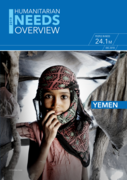
The humanitarian crisis in Yemen remains the worst in the world. Nearly four years of conflict and severe economic decline are driving the country to the brink of famine and exacerbating needs in all sectors. An estimated 80 per cent of the population – 24 million people – require some form of h
...
The Government of Republic of Zambia reported the first confirmed cases of COVID-19 on 18th March 2020. As of April 27th, 2020, there were 89 confirmed cases, three deaths and 42 recoveries. Confirmed cases are located in three provinces: Lusaka (83 cases), Copperbelt province (5 cases) and Central
...

Against this background of nearly 20 years of experience of research, development and
improvement in patient safety, the role of incident and adverse event reporting, as well as the
benefits that derive from it, is still a work in progress.This document has two main purposes:
• to provide an up
...
English Analysis on World about Climate Change and Environment, Health and Epidemic; published on 03 Nov 2021 by World Bank
The GFF needs an additional US$2.5 billion from 2021 to 2025 to enable countries to protect health gains and accelerate progress toward the 2030 Goals. Of this amount, the GFF urgently needs to secure new pledges of US$1.2 billion by the end of 2021 to help its current 36 partner countries protect
...

Planned and regulated task shifting and task sharing can have a range of benefits. It can ensure a rational optimization of the available health workforce, address health system shortages of specialized health-care professionals, improve equity in access to health care and increase the acceptability
...
Manual with Scale
This update of the Guidelines for poison control, entitled Guidelines for establishing a poison centre, reflects the development of the role of poison centres in public health and the sound management of chemicals, described in section 1, and the opportunities provided by new technology. Assessments
...

An action research conducted in Bang Shau village Northern Shan State, Myanmar

WHO‘s Global Strategy to Accelerate the Elimination of Cervical Cancer, launched today, outlines three key steps: vaccination, screening and treatment. Successful implementation of all three could reduce more than 40% of new cases of the disease and 5 million related deaths by 2050.
Recency assays use one or more biomarkers to identify whether HIV infection in a person is recent (usually within a year or less) or longstanding. Recency assays have been used to estimate incidence in representative cross-sectional surveys and in epidemiological studies to better understand the pat
...

Over 6 million people worldwide are infected with Trypanosoma cruzi, the protozoan that causes Chagas disease
(CD). T. cruzi is transmitted by triatomine insects, congenitally, through uncontrolled blood donations and organ transplants,
and via consumption of food or drink contaminated by triatomi
...

I examine the effectiveness of donors in targeting the highest burden of malaria in the Democratic Republic of Congo when health information structure is fragmented. I exploit local variations in the burden of malaria induced by mining activities as well as financial and epidemiological data from he
...