
Filter
2550
Text search:
household
decision
making
Featured
232
790
Language
2515
46
35
27
13
12
9
5
5
4
3
3
2
2
2
2
2
2
2
2
2
2
1
1
1
1
1
1
1
1
1
1
1
1
1
1
1
Document type
1475
420
285
152
129
43
18
18
5
4
1
Countries
116
111
92
85
80
67
66
65
62
58
54
49
47
45
44
42
42
40
30
29
27
27
25
22
22
22
20
20
20
17
17
16
16
16
15
15
13
13
13
12
11
10
10
9
9
8
8
8
8
8
8
8
7
7
6
6
6
5
5
5
5
5
5
5
4
4
4
4
3
3
3
3
3
3
3
3
3
3
3
2
2
2
2
2
2
2
2
2
2
2
2
2
2
1
1
1
1
1
1
1
1
1
1
1
1
1
1
1
1
1
1
1
1
1
1
Authors & Publishers
275
83
57
54
53
50
50
35
27
24
23
21
19
16
16
15
15
14
14
13
13
12
12
11
11
11
11
10
10
10
9
9
9
8
8
8
8
8
8
8
8
8
7
7
7
7
7
7
7
7
7
7
7
7
7
7
7
7
6
6
6
6
6
6
6
6
6
6
6
6
6
5
5
5
5
5
5
5
5
5
5
5
5
5
5
4
4
4
4
4
4
4
4
4
4
4
4
4
4
4
4
4
4
4
4
4
4
4
4
4
4
4
4
4
4
4
4
4
4
4
4
4
4
4
3
3
3
3
3
3
3
3
3
3
3
3
3
3
3
3
3
3
3
3
3
3
3
3
3
3
3
3
3
3
3
3
3
3
3
3
3
3
3
3
3
3
3
3
3
3
3
3
3
3
3
3
3
3
3
3
3
3
3
2
2
2
2
2
2
2
2
2
2
2
2
2
2
2
2
2
2
2
2
2
2
2
2
2
2
2
2
2
2
2
2
2
2
2
2
2
2
2
2
2
2
2
2
2
2
2
2
2
2
2
2
2
2
2
2
2
2
2
2
2
2
2
2
2
2
2
2
2
2
2
2
2
2
2
2
2
2
2
2
2
2
2
2
2
2
2
2
2
2
2
2
2
2
2
2
2
2
2
2
2
2
2
2
2
2
2
2
2
2
2
2
2
2
2
2
2
2
2
2
2
2
2
2
2
2
2
2
2
2
2
2
2
2
2
2
2
2
2
2
2
2
2
2
2
2
2
2
2
2
2
2
2
2
2
2
2
2
2
2
2
2
2
2
2
2
2
2
2
1
1
1
1
1
1
1
1
1
1
1
1
1
1
1
1
1
1
1
1
1
1
1
1
1
1
1
1
1
1
1
1
1
1
1
1
1
1
1
1
1
1
1
1
1
1
1
1
1
1
1
1
1
1
1
1
1
1
1
1
1
1
1
1
1
1
1
1
1
1
1
1
1
1
1
1
1
1
1
1
1
1
1
1
1
1
1
1
1
1
1
1
1
1
1
1
1
1
1
1
1
1
1
1
1
1
1
1
1
1
1
1
1
1
1
1
1
1
1
1
1
1
1
1
1
1
1
1
1
1
1
1
1
1
1
1
1
1
1
1
1
1
1
1
1
1
1
1
1
1
1
1
1
1
1
1
1
1
1
1
1
1
1
1
1
1
1
1
1
1
1
1
1
1
1
1
1
1
1
1
1
1
1
1
1
1
1
1
1
1
1
1
1
1
1
1
1
1
1
1
1
1
1
1
1
1
1
1
1
1
1
1
1
1
1
1
1
1
1
1
1
1
1
1
1
1
1
1
1
1
1
1
1
1
1
1
1
1
1
1
1
1
1
1
1
1
1
1
1
1
1
1
1
1
1
1
1
1
1
1
1
1
1
1
1
1
1
1
1
1
1
1
1
1
1
1
1
1
1
1
1
1
1
1
1
1
1
1
1
1
1
1
1
1
1
1
1
1
1
1
1
1
1
1
1
1
1
1
1
1
1
1
1
1
1
1
1
1
1
1
1
1
1
1
1
1
1
1
1
1
1
1
1
1
1
1
1
1
1
1
1
1
1
1
1
1
1
1
1
1
1
1
1
1
1
1
1
1
1
1
1
1
1
1
1
1
1
1
1
1
1
1
1
1
1
1
1
1
1
1
1
1
1
1
1
1
1
1
1
1
1
1
1
1
1
1
1
1
1
1
1
1
1
1
1
1
1
1
1
1
1
1
1
1
1
1
1
1
1
1
1
1
1
1
1
1
1
1
1
1
1
1
1
1
1
1
1
1
1
1
1
1
1
1
1
1
1
1
1
1
1
1
1
1
1
1
1
1
1
1
1
1
1
1
1
1
1
1
1
1
1
1
1
1
1
1
1
1
1
1
1
1
1
1
1
1
1
1
1
1
1
1
1
1
1
1
1
1
1
1
1
1
1
1
1
1
1
1
1
1
1
1
1
1
1
1
1
1
1
1
1
1
1
1
1
1
1
1
1
1
1
1
1
1
1
1
1
1
1
1
1
1
1
1
1
1
1
1
1
1
1
1
1
1
1
1
1
1
1
1
1
1
1
1
1
1
1
1
1
1
1
1
1
1
1
1
1
1
1
1
1
1
1
1
1
1
1
1
1
1
1
1
1
1
1
1
1
1
1
1
1
1
1
1
1
1
1
1
1
1
1
1
1
1
1
1
1
1
1
1
1
1
1
1
1
1
1
1
1
1
1
1
1
1
1
1
1
1
1
1
1
1
1
1
1
1
1
1
1
1
1
1
1
1
1
1
1
1
1
1
1
1
1
1
1
1
1
1
1
1
1
1
1
1
1
1
1
1
1
1
1
1
1
1
1
1
1
1
1
1
1
1
1
1
1
1
1
1
1
1
1
1
1
1
1
1
1
1
1
1
1
1
1
1
1
1
1
1
1
1
1
1
1
1
1
1
1
1
1
1
1
1
1
1
1
1
1
1
1
1
1
1
1
1
1
1
1
1
1
1
1
1
1
1
1
1
1
1
1
1
1
1
1
1
1
1
1
1
1
1
1
1
1
1
1
1
1
1
1
1
1
1
1
1
1
1
1
1
1
1
1
1
1
1
1
1
1
1
1
1
1
1
1
1
1
1
1
1
1
1
1
1
1
1
1
1
1
1
1
1
1
1
1
1
1
1
1
1
1
1
1
1
1
1
1
1
1
1
1
1
1
1
1
1
1
1
1
1
1
1
1
1
1
1
1
1
1
1
1
1
1
1
1
1
1
1
1
1
1
1
1
1
1
1
1
1
1
1
1
1
1
1
1
1
1
1
1
1
1
1
1
1
1
1
1
1
1
1
1
1
1
1
1
1
1
1
1
1
1
1
1
1
1
1
1
1
1
1
1
1
1
1
1
1
1
1
1
1
1
1
1
1
1
1
1
1
1
1
1
1
1
1
1
1
1
1
1
1
1
1
1
1
1
1
1
1
1
1
1
1
1
1
1
1
1
1
1
1
1
1
1
1
1
1
1
1
1
1
1
1
1
1
1
1
1
1
1
1
1
1
1
1
1
1
1
1
1
1
1
1
1
1
1
1
1
1
1
1
1
1
1
1
1
1
1
1
1
1
1
1
1
1
1
1
1
1
1
1
1
1
1
1
1
1
1
1
1
1
1
1
1
1
1
1
1
1
1
1
1
1
1
1
1
1
1
1
1
1
1
1
1
1
1
1
1
1
1
1
1
1
1
1
1
1
1
1
1
1
1
1
1
1
1
1
1
1
1
1
1
1
1
1
1
1
1
1
1
1
1
1
1
1
1
1
1
1
1
1
1
1
1
1
1
1
1
1
1
1
1
1
1
1
1
1
1
1
1
1
1
1
1
1
1
1
1
1
1
1
1
1
1
1
1
1
1
1
1
1
1
1
1
1
1
1
1
1
1
1
1
1
1
1
1
1
1
1
1
1
1
1
1
1
1
1
1
1
1
1
1
1
1
1
1
1
1
1
1
1
1
1
1
1
1
1
1
1
1
1
1
1
1
1
1
1
1
1
1
1
1
1
1
1
1
1
1
1
1
1
1
1
1
1
1
1
1
1
1
1
1
1
1
1
1
1
1
1
1
1
1
1
1
1
1
1
1
1
1
1
1
1
1
1
1
1
1
1
1
1
1
1
1
1
1
1
1
1
1
1
1
1
1
1
1
1
1
1
1
1
1
1
1
1
1
1
1
1
1
1
1
1
1
1
1
1
1
1
1
1
1
1
1
1
1
1
1
1
1
1
1
1
1
1
1
1
1
1
1
1
1
1
1
1
1
1
1
1
1
1
1
1
1
1
1
1
1
1
1
1
1
1
1
1
1
1
1
1
1
1
1
1
1
1
1
1
1
1
1
1
1
1
1
1
1
1
1
1
1
1
1
1
1
1
1
1
1
1
1
1
1
1
1
1
1
1
1
1
1
1
1
1
1
1
1
1
1
1
1
1
1
1
1
1
1
1
1
1
1
1
1
1
1
1
1
1
1
1
1
1
1
1
1
1
1
1
1
1
1
1
1
1
1
1
1
1
1
1
1
1
1
1
1
1
1
1
1
1
1
1
1
1
1
1
1
1
1
1
1
1
1
1
1
1
1
1
1
1
1
1
1
1
1
1
1
1
1
1
1
1
1
1
1
1
1
1
1
1
1
1
1
1
1
1
1
1
1
1
1
1
1
1
1
1
1
1
1
1
1
1
1
1
1
1
1
1
1
1
1
1
1
1
1
1
1
1
1
1
1
1
1
1
1
1
1
1
1
1
1
1
1
1
1
1
1
1
1
1
1
1
1
1
1
1
1
1
1
1
1
1
1
1
1
1
1
1
1
1
1
1
1
1
1
1
1
1
1
1
1
1
1
1
1
1
1
1
1
1
1
1
1
1
1
1
1
1
1
1
1
1
1
1
1
1
1
1
1
1
1
1
1
1
1
1
1
1
1
1
1
1
1
1
1
1
1
1
1
1
1
1
1
1
1
1
1
1
1
1
1
1
1
1
1
1
1
1
1
1
1
1
1
1
1
1
1
1
1
1
1
1
1
1
1
1
1
1
1
1
1
1
1
1
1
1
1
1
1
1
1
1
1
1
1
1
1
1
1
1
1
1
1
1
1
1
1
1
1
1
1
1
1
1
1
1
1
1
1
1
1
1
1
1
1
1
1
1
1
1
1
1
1
1
1
1
1
1
1
1
1
1
1
1
1
1
1
1
1
1
1
1
1
1
1
1
1
1
1
1
1
1
1
1
1
1
1
1
1
1
1
1
1
1
1
1
1
1
1
1
1
1
1
1
1
1
1
1
1
1
1
1
1
1
1
1
1
1
1
1
1
1
1
1
1
1
1
1
1
1
1
1
Publication Years
726
1568
249
7
Category
1163
251
152
136
104
67
10
Toolboxes
191
140
135
126
96
95
69
67
65
51
48
47
45
42
34
27
27
27
24
21
20
18
9
6
5
1
1

It is the policy of the GoR to ensure that children’s rights are met through the provision of basic needs and services for all children in the country, and protect them from abuse and exploitation. Children are defined as persons below the age of 18 years and the ICRP covers children from the time
...
before their birth until they complete the age of 18 years. The Integrated Child Rights Policy of Rwanda is based on seven key themes: Identity and Nationality; Family and Alternative Care; Survival, Health and Standards of Living; Education; Protection; Justice; and Child Participation.
more
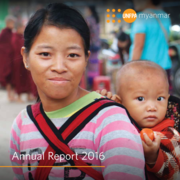
Census data shows that Myanmar can harness a double dividend – both youth and gender. This year’s annual report provides many facets of the journey to gender equality. It tells a story of widening horizons for women and girls who are capable in their own right. It is also a story of women fulfil
...
ling their reproductive rights, and of couples having access to family planning choices.
more
Census Report Volume 4-F (Thematic report on Population Projections for the Union of Myanmar, States/Regions, Rural and Urban Areas, 2014-2050)
Key findings
- The total population of Myanmar is estimated to be 65 million by 2050. The projection is based on steadily declining population grow ... th rate over the projection period: from 0.9 per cent in 2015 to 0.3 per cent in 2050.
- The proportion of the urban population rises from 29.3 per cent in 2015 to 34.7 in 2050. The rural and urban crude birth rates both decline between 2015 and 2050, but the difference between them narrows to almost zero by the end of the period.
- The population of Yangon grows more rapidly than any other area, by 39 per cent between 2015 and 2031. Other rapidly growing areas include Kayah (37 per cent), Kachin (32 per cent), Nay Pyi Taw (27 per cent), and Shan (26 per cent). Ayeyawady, Magway and Mon lose population, mostly due to migration. more
Key findings
- The total population of Myanmar is estimated to be 65 million by 2050. The projection is based on steadily declining population grow ... th rate over the projection period: from 0.9 per cent in 2015 to 0.3 per cent in 2050.
- The proportion of the urban population rises from 29.3 per cent in 2015 to 34.7 in 2050. The rural and urban crude birth rates both decline between 2015 and 2050, but the difference between them narrows to almost zero by the end of the period.
- The population of Yangon grows more rapidly than any other area, by 39 per cent between 2015 and 2031. Other rapidly growing areas include Kayah (37 per cent), Kachin (32 per cent), Nay Pyi Taw (27 per cent), and Shan (26 per cent). Ayeyawady, Magway and Mon lose population, mostly due to migration. more
CBDRR Practice. Case Studies 3
No publication year indicated.
No publication year indicated.

The Myanmar National Framework seeks to achieve people-centered, inclusive, and sustainable socioeconomic development in the face of disasters triggered by natural hazards and climate change. The framework articulates a common understanding, proposes a coherent approach, and identifies potential opp
...
ortunities for strengthening the resilience of communities in Myanmar.
more
more
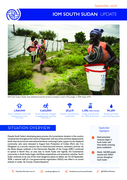
September Highlights
Ebola prevention measures began in South Sudan with three border screening points established
Nearly 160,000 people reached with WASH services throughout South Sudan

Access to Services and Barriers faced by People with Disabilities: A Quantitative Survey
Nathan Grills, Lawrence Singh, Hira Pant, Jubin Varghese, GVS Murthy, Monsurul Hoq, Manjula Marella
Disability, CBR & Inclusive Development Journal (DCIDJ)
(2017)
CC
In low- and middle-income middle-income countries, reliable and disaggregated disability data on prevalence, participation and barriers are often unavailable. This study aimed to estimate disability prevalence, determine associated socio-demographic factors and compare access in the community betwee
...
n people with and without disability in Dehradun district of Uttarakhand, India, using the Rapid Assessment of Disability survey.
more
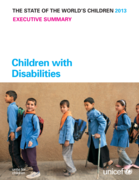
The State of the World’s Children 2013: Children with Disabilities examines the barriers – from inaccessible buildings to dismissive attitudes, from invisibility in official statistics to vicious discrimination – that deprive children with disabilities of their rights and keep them from partic
...
ipating fully in society. The report also lays out some of the key elements of inclusive societies that respect and protect the rights of all children, regardless of disability, and progress in helping all children to flourish and make their contribution to the world.
more
Prepared as an outcome of ICMR Subcommittee on Colorectal Cancer | Coordinated by Division of Non Communicable Diseases | This Consensus Document on Management of Colorectal Cancer summarizes the modalities of treatment including the site-specific anti-cancer therapies,
supportive and palliative ca
...
re and molecular markers and research questions. It also interweaves clinical, biochemical and epidemiological studies.
more
In this report, potential reasons for this apparent
contradiction between cherished human values
and observed social actions are explored with a
view to better formulating concrete steps that
governments and other stakeholders can take to
reshape social attitudes and public policy.
This manual serves as a toolkit of useful PM&E techniques for improving the performance and impact of community-based interventions, such as those involving the most vulnerable children, home-based care and gender-based violence. The manual includes a five-step PM&E programme path and six community
...
group tools.
more
Despite Pakistan's progress in reducing the number of wild poliovirus type 1 (WPV1) cases to 8 in 2017 and 12 in 2018, 2019 has seen a significant rise in the number of WPV1 cases (41 cases as of July 8 2019). One of the most intractable challenges the Pakistan Polio Eradication Initiative (PEI) is
...
facing is refusals by parents and caregivers to immunise their children with the polio vaccine. In light of this challenge, the Pakistan programme has revisited its strategy and put forward this Extension of the National Emergency Action Plan 2018/2019 (NEAP), which will carry the programme forward from July to December 2019
more
Facing the COVID-19 (new coronavirus disease) pandemic, the countries of the world must take decisive action to stop the spread of the virus. In these critical circumstances, it is es- sential that everyone is informed about other health risks and hazards so that they can stay safe and healthy.
The
...
following factsheet provides important information that you should know about alcohol consumption and COVID-19. It addresses, among other things, the misinformation that is being spread through social media and other communication channels about alcohol and COVID-19.
more
The following Emergency Response Plan for the COVID-19 pandemic seeks to set out activities that will be undertaken by humanitarian actors in Ukraine over the course of 2020 to respond to the public health impact of the epidemic – as well as the indirect, socio-economic impact on people’s well-b
...
eing, which will span across many areas. Given the extensive public exposure of the COVID-19 threat, the response will cover the whole of Ukraine, while providing a distinct focus on Donetska and Luhanska oblasts that have been ravaged by an armed conflict for the last six consecutive years. The planned COVID-19 response in the two conflict-affected oblasts will be treated as an annex to the current Humanitarian Response Plan for Ukraine
more
The Feedback Starter-Kit responds to key questions ( ) and provides the most important tips ( ) for setting up and running a simple feedback mechanism. At the end of this document there is an overview of the templates needed to plan the mechanism and collect, answer, analyse and share community feed
...
back data. These templates contain the necessary basic elements to implement and run a feedback mechanism.
more
Recognizing the extent to which the COVID-19 outbreaks affects women and men differently is hugely important. Some preliminary data suggested that more men than women are dying, potentially due to sex-based immunological differences, higher rates of cardiovascular disease for men and lifestyle choic
...
es, such as smoking. However, the experiences and lessons learned from the Zika and Ebola outbreaks and the HIV pandemic demonstrate that robust gender analysis and informed, gender-integrated response are vital to strengthen the access and acceptability of the humanitarian services needed to meet the distinct needs of women and girls, as well as men and boy and LGBTI people.
more
In March 2020, the World Health Organization (WHO) declared that the outbreak of COVID-19, the disease caused by a new coronavirus, constituted a pandemic, given the speed and scale of its transmission. The Region of the Americas is characterized by its rich multi-ethnic and multicultural heritage.
...
Nonetheless, indigenous peoples, Afro-descendants, and other ethnic groups are often subject to discrimination and exclusion, resulting in health inequities. COVID-19 may have a greater impact on certain populations, such as indigenous peoples and Afro-descendants.
more
