
Filter
2544
Text search:
health
worker
guide
Featured
345
757
Language
2478
66
42
35
33
17
12
5
4
4
4
3
3
3
2
2
2
2
2
2
1
1
1
1
1
1
1
1
1
1
1
1
1
1
1
1
Document type
1395
388
281
221
108
99
24
11
7
7
2
1
Countries
123
106
94
84
80
70
69
61
60
54
46
45
43
38
32
32
31
31
30
29
26
20
19
18
14
13
13
13
13
13
13
12
12
11
11
10
10
9
9
8
8
7
6
6
6
5
5
5
5
4
4
4
4
4
4
3
3
3
3
3
3
3
3
2
2
2
2
2
2
2
2
1
1
1
1
1
1
1
1
1
1
1
1
1
1
1
1
1
1
1
1
1
Authors & Publishers
391
116
79
64
58
58
57
53
36
30
26
26
24
17
17
16
15
14
14
13
13
12
12
11
11
10
10
10
10
10
9
9
9
9
9
9
9
8
8
8
8
8
8
8
8
8
8
8
7
7
7
7
7
7
7
7
7
6
6
6
6
6
6
6
6
6
6
6
6
6
5
5
5
5
5
5
5
5
5
5
5
5
5
5
5
5
5
5
4
4
4
4
4
4
4
4
4
4
4
4
4
4
4
4
4
4
4
4
4
4
4
4
4
4
4
4
4
4
3
3
3
3
3
3
3
3
3
3
3
3
3
3
3
3
3
3
3
3
3
3
3
3
3
3
3
3
3
3
3
3
3
3
3
3
3
3
3
3
3
3
3
3
3
3
3
3
3
3
3
3
3
3
3
3
2
2
2
2
2
2
2
2
2
2
2
2
2
2
2
2
2
2
2
2
2
2
2
2
2
2
2
2
2
2
2
2
2
2
2
2
2
2
2
2
2
2
2
2
2
2
2
2
2
2
2
2
2
2
2
2
2
2
2
2
2
2
2
2
2
2
2
2
2
2
2
2
2
2
2
2
2
2
2
2
2
2
2
2
2
2
2
2
2
2
2
2
2
2
2
2
2
2
2
2
2
2
2
2
2
2
2
2
2
2
2
2
2
2
2
2
2
2
2
2
2
2
2
2
2
2
2
2
2
2
2
2
2
2
2
2
2
2
2
2
2
2
2
2
2
2
2
2
1
1
1
1
1
1
1
1
1
1
1
1
1
1
1
1
1
1
1
1
1
1
1
1
1
1
1
1
1
1
1
1
1
1
1
1
1
1
1
1
1
1
1
1
1
1
1
1
1
1
1
1
1
1
1
1
1
1
1
1
1
1
1
1
1
1
1
1
1
1
1
1
1
1
1
1
1
1
1
1
1
1
1
1
1
1
1
1
1
1
1
1
1
1
1
1
1
1
1
1
1
1
1
1
1
1
1
1
1
1
1
1
1
1
1
1
1
1
1
1
1
1
1
1
1
1
1
1
1
1
1
1
1
1
1
1
1
1
1
1
1
1
1
1
1
1
1
1
1
1
1
1
1
1
1
1
1
1
1
1
1
1
1
1
1
1
1
1
1
1
1
1
1
1
1
1
1
1
1
1
1
1
1
1
1
1
1
1
1
1
1
1
1
1
1
1
1
1
1
1
1
1
1
1
1
1
1
1
1
1
1
1
1
1
1
1
1
1
1
1
1
1
1
1
1
1
1
1
1
1
1
1
1
1
1
1
1
1
1
1
1
1
1
1
1
1
1
1
1
1
1
1
1
1
1
1
1
1
1
1
1
1
1
1
1
1
1
1
1
1
1
1
1
1
1
1
1
1
1
1
1
1
1
1
1
1
1
1
1
1
1
1
1
1
1
1
1
1
1
1
1
1
1
1
1
1
1
1
1
1
1
1
1
1
1
1
1
1
1
1
1
1
1
1
1
1
1
1
1
1
1
1
1
1
1
1
1
1
1
1
1
1
1
1
1
1
1
1
1
1
1
1
1
1
1
1
1
1
1
1
1
1
1
1
1
1
1
1
1
1
1
1
1
1
1
1
1
1
1
1
1
1
1
1
1
1
1
1
1
1
1
1
1
1
1
1
1
1
1
1
1
1
1
1
1
1
1
1
1
1
1
1
1
1
1
1
1
1
1
1
1
1
1
1
1
1
1
1
1
1
1
1
1
1
1
1
1
1
1
1
1
1
1
1
1
1
1
1
1
1
1
1
1
1
1
1
1
1
1
1
1
1
1
1
1
1
1
1
1
1
1
1
1
1
1
1
1
1
1
1
1
1
1
1
1
1
1
1
1
1
1
1
1
1
1
1
1
1
1
1
1
1
1
1
1
1
1
1
1
1
1
1
1
1
1
1
1
1
1
1
1
1
1
1
1
1
1
1
1
1
1
1
1
1
1
1
1
1
1
1
1
1
1
1
1
1
1
1
1
1
1
1
1
1
1
1
1
1
1
1
1
1
1
1
1
1
1
1
1
1
1
1
1
1
1
1
1
1
1
1
1
1
1
1
1
1
1
1
1
1
1
1
1
1
1
1
1
1
1
1
1
1
1
1
1
1
1
1
1
1
1
1
1
1
1
1
1
1
1
1
1
1
1
1
1
1
1
1
1
1
1
1
1
1
1
1
1
1
1
1
1
1
1
1
1
1
1
1
1
1
1
1
1
1
1
1
1
1
1
1
1
1
1
1
1
1
1
1
1
1
1
1
1
1
1
1
1
1
1
1
1
1
1
1
1
1
1
1
1
1
1
1
1
1
1
1
1
1
1
1
1
1
1
1
1
1
1
1
1
1
1
1
1
1
1
1
1
1
1
1
1
1
1
1
1
1
1
1
1
1
1
1
1
1
1
1
1
1
1
1
1
1
1
1
1
1
1
1
1
1
1
1
1
1
1
1
1
1
1
1
1
1
1
1
1
1
1
1
1
1
1
1
1
1
1
1
1
1
1
1
1
1
1
1
1
1
1
1
1
1
1
1
1
1
1
1
1
1
1
1
1
1
1
1
1
1
1
1
1
1
1
1
1
1
1
1
1
1
1
1
1
1
1
1
1
1
1
1
1
1
1
1
1
1
1
1
1
1
1
1
1
1
1
1
1
1
1
1
1
1
1
1
1
1
1
1
1
1
1
1
1
1
1
1
1
1
1
1
1
1
1
1
1
1
1
1
1
1
1
1
1
1
1
1
1
1
1
1
1
1
1
1
1
1
1
1
1
1
1
1
1
1
1
1
1
1
1
1
1
1
1
1
1
1
1
1
1
1
1
1
1
1
1
1
1
1
1
1
1
1
1
1
1
1
1
1
1
1
1
1
1
1
1
1
1
1
1
1
1
1
1
1
1
1
1
1
1
1
1
1
1
1
1
1
1
1
1
1
1
1
1
1
1
1
1
1
1
1
1
1
1
1
1
1
1
1
1
1
1
1
1
1
1
1
1
1
1
1
1
1
1
1
1
1
1
1
1
1
1
1
1
1
1
1
1
1
1
1
1
1
1
1
1
1
1
1
1
1
1
1
1
1
1
1
1
1
1
1
1
1
1
1
1
1
1
1
1
1
1
1
1
1
1
1
1
1
1
1
1
1
1
1
1
1
1
1
1
1
1
1
1
1
1
1
1
1
1
1
1
1
1
1
1
1
1
1
1
1
1
1
1
1
1
1
1
1
1
1
1
1
1
1
1
1
1
1
1
1
1
1
1
1
1
1
1
1
1
1
1
1
1
1
1
1
1
1
1
1
1
1
1
1
1
1
1
1
1
1
1
1
1
1
1
1
1
1
1
1
1
1
1
1
1
1
1
1
1
1
1
1
1
1
1
1
1
1
1
1
1
1
1
1
1
1
1
1
1
1
1
1
1
1
1
1
1
1
1
1
1
1
1
1
1
1
1
1
1
1
1
1
1
1
1
1
1
1
1
1
1
1
1
1
1
1
1
1
1
1
1
1
1
1
1
1
1
1
1
1
1
1
1
1
1
1
1
1
1
1
1
1
1
1
1
1
1
1
1
1
1
1
1
1
1
1
1
1
1
1
1
1
1
1
1
1
1
1
1
1
1
1
1
1
1
1
1
1
1
1
1
1
1
1
1
1
1
1
1
1
1
1
1
1
1
1
1
1
1
1
1
1
1
1
1
1
1
1
1
1
1
1
1
1
1
1
1
1
1
1
1
1
1
1
1
1
1
1
1
1
1
1
1
1
1
1
1
1
1
1
1
1
1
1
1
1
1
1
1
1
1
1
1
1
1
1
1
1
1
1
1
1
1
1
1
1
1
1
1
1
1
1
1
1
1
1
1
1
1
1
1
1
1
1
1
1
1
1
1
1
1
1
1
1
1
1
1
1
1
1
1
1
1
1
1
1
1
1
1
1
1
1
1
1
1
1
1
1
1
1
1
1
1
1
1
1
1
1
1
1
1
1
1
1
1
1
1
1
1
1
1
1
1
1
1
1
1
1
1
1
1
1
1
1
1
1
1
1
1
1
1
1
1
1
1
1
1
1
1
1
1
1
1
1
1
1
1
1
1
1
1
1
1
1
1
1
1
1
1
1
1
1
1
1
1
1
1
1
1
1
1
1
1
1
1
1
1
1
1
1
1
1
1
1
1
1
1
1
1
1
1
1
1
1
1
1
1
1
1
1
1
1
1
1
1
1
1
1
1
1
1
1
1
1
1
1
1
1
1
1
1
1
1
1
1
1
1
1
1
1
1
1
1
1
1
1
1
1
1
1
1
1
1
1
1
1
1
1
1
1
1
1
1
1
1
1
1
1
1
1
1
1
1
1
1
1
1
1
1
1
1
1
1
1
1
1
1
1
1
1
1
1
1
1
1
1
1
1
1
1
1
Publication Years
1
687
1582
262
12
Category
1062
226
216
174
159
117
20
Toolboxes
181
176
152
136
105
84
80
59
50
47
45
45
41
41
38
33
31
29
27
19
18
15
14
9
7
2
1

The Practical manual on laboratory strengthening, 2022 update provides practical guidance on implementation of WHO recommendations and best practices for TB laboratory strengthening. It is an updated version of the GLI Practical Guide to Laboratory
...
Strengthening published in 2017 and provides the latest practical guidance on use of newly recommended diagnostics as well as guidance in key technical areas, including quality assurance and quality management systems, specimen collection and registration, procurement and supply-chain management, diagnostic connectivity, biosafety, data management, human resources, strategic planning, and model algorithms. The key changes are:
inclusion of recent or updated WHO recommendations for tests to diagnose TB and detect drug resistance;
alignment with the latest WHO critical concentrations for phenotypic drug-susceptibility testing (DST) and the new definitions of pre-XDR-TB and XDR-TB;
updated information on building quality-assured TB testing and management capacity using the Stepwise Laboratory Quality Improvement Process Towards Accreditation (SLIPTA) approach (Score-TB package1);
updated information on assessing, analysing and optimising TB diagnostic networks; and
updated information on the use of next-generation sequencing (NGS) to detect mutations associated with drug resistance for surveillance purposes.
The document also provides references to resources and tools relevant for work on laboratory strengthening.
more

This module covers common Non-Communicable Diseases such as Hypertension, Diabetes and three common cancers (Cervical,
Breast and Oral cancer). The focus of this module is on building the knowledge and skills of the Multi-Purpose Workers (MPW) in
undertaking Population Based Screening, identifi ca
...
tion of cases for referral, follow up, recognition of complications, prevention
and health promotion. This module can be used by the female
or male MPW. However, while the content of the overall module
is the same for both some tasks will be different, particularly
those related to screening which the female MPW will have to
undertake. It is expected that the ANM/MPW will work closely
with the ASHA in her area. Together they form a front line worker
team to serve the needs of the community. The content of this
module will be covered in three days.
more
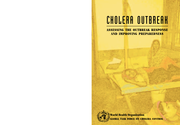
Cholera Outbreak Response
recommended
The document provides comprehensive guidelines for managing cholera outbreaks, including detection, confirmation, response, treatment, and prevention. It emphasizes the importance of rehydration, water sanitation, hygiene promotion, and community mobilization to limit the spread. This
...
guide is designed for healthcare professionals and public authorities to ensure an effective and coordinated response.
more
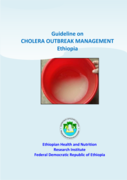
The document provides detailed guidelines for managing cholera outbreaks, focusing on prevention, diagnosis, treatment, and control strategies. It emphasizes the importance of setting up Cholera Treatment Centers (CTCs), ensuring access to clean water, promoting hygiene, and utilizing oral rehydrati
...
on solutions (ORS) and antibiotics for treatment. The guide also addresses outbreak surveillance, community education, and resource allocation to effectively mitigate cholera's spread and impact.
more
Interim Guidance.
A number of medical problems have been reported in survivors, including mental health issues. Ebola virus may persist in some body fluids, including semen. Ebola survivors need comprehensive support for the medical and psychoso ... cial challenges they face and also to minimize the risk of continued Ebola virus transmission. WHO has developed this document to guide health services on how to provide quality care to survivors of Ebola virus disease more
A number of medical problems have been reported in survivors, including mental health issues. Ebola virus may persist in some body fluids, including semen. Ebola survivors need comprehensive support for the medical and psychoso ... cial challenges they face and also to minimize the risk of continued Ebola virus transmission. WHO has developed this document to guide health services on how to provide quality care to survivors of Ebola virus disease more
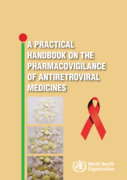
This is a detailed manual giving a step by step approach to undertaking the pharmacovigilance of antiretrovirals. It is intended to be a source of practical advice for Pharmacovigilance Centres and health professionals involved in HIV/AIDS preventio
...
n and treatment programmes. A number of WHO publications are available that provide a background to pharmacovigilance and, as far as possible, that material will not be repeated here. Health officials, planners, the staff of Pharmacovigilance Centres, public health teams and all health workers should become familiar with these publications, which are: • Safety of Medicines: A guide to detecting and reporting adverse drug reactions
more
To complement the Global Strategy progress reporting, this report provides a detailed look at country leadership and action toward the Every Newborn National Milestones by 2020. Countries have taken the initiative to show the way forward and have demonstrated significant progress. As part of monitor
...
ing this progress, countries have adopted the Every Newborn Tracking Tool. This report presents a compilation of the data collated by the Every Newborn Tracking Tool in 2016, when 51 countries adopted the tool; it also spotlights examples of specific country activity for each National Milestone. Finally, Global Milestones for 2020 were part of the Every Newborn Action Plan to guide global and regional work in support of country efforts and this report highlights relevant progress towards those Global Milestones.
more
Risk Communication and Community Engagement (RCCE) is an essential part of any disease outbreak response. Risk communication in the context of an Ebola outbreak refers to real time exchange of information, opinion and advice between frontline responders and people who are faced with the threat of Eb
...
ola to their survival, health, economic or social wellbeing. Community engagement refers to mutual partnership between Ebola response teams and individuals or communities in affected areas, whereby community stakeholders have ownership in controlling the spread of the outbreak.
It is intended to be used to guide RCCE work which is central to stopping the outbreak and preventing its further amplification. Unlike other areas of response, RCCE draws heavily on volunteers, frontline personnel and on people without prior training in this area. As such, the document provides basic background information, scopes the socio-economic and cultural aspects (that are known at the time of publication), and provides the latest evidence-based advice and approaches
more
23 décembre 2020 Ce document résume les recommandations de l'OMS concernant l'utilisation rationnelle des équipements de protection individuelle (EPI) dans les établissements de soins de santé et les stratégies temporaires en cas de pénurie aiguë d'approvisionnement. Ce document contient ég
...
alement 2 sections en annexe qui décrivent les recommandations actualisées d'utilisation des EPI pour les travailleurs de la santé en fonction du scénario de transmission, du milieu et de l'activité dans le contexte de COVID-19 (annexe 1), et des considérations actualisées pour la décontamination ou le retraitement des EPI (annexe 2). Ce guide est destiné aux autorités de santé publique, aux organisations et aux personnes de référence impliquées dans les décisions concernant la distribution, la gestion et l'utilisation des EPI par les travailleurs de la santé.
more
This publication is a companion document to the NDVP National Deployment and Vaccination Plans guidance, which provides a framework for countries to develop their national strategies. As countries face challenges with erratic vaccine supplies, use of multiple vaccine products with different charact
...
eristics, and the size of populations and their diversity, this document provides operational guidance and information to support planners and immunization programme managers at the national and sub-national levels on microplanning for COVID-19 vaccination implementation.
This Guide is available in English, French, Arabic, chinese, Portuguese, Spanish, Russian
more
9 March 2022, Timely and accurate diagnostic testing for SARS-CoV-2 is an essential part of a comprehensive COVID-19 response strategy. Ag-RDTs can be performed by individuals in which they collect their own specimen, perform a simple rapid test and interpret their test result themselves at a time a
...
nd place of their choosing, termed COVID-19 self-testing. This interim guidance provides a new recommendation that COVID-19 self-testing, using SARS-CoV-2 Ag-RDTs, should be offered as part of SARS-CoV-2 testing services. It also includes implementation considerations that can guide decisions on whether, and how, to adopt self-testing in different contexts, including the populations being prioritized; the disease prevalence in that population; and the impact on accessibility of testing, health care services and result reporting.
more

The Infection prevention and control in the context of coronavirus disease 2019 (COVID-19): a living guideline consolidates technical guidance developed and published during the COVID-19 pandemic into evidence-informed recommendations for infection prevention and control (IPC). This living guideline
...
is available both online and PDF.
**This version of the living guideline (version 5.0) **includes the following seven revised statements for the prevention, identification and management of SARS-CoV-2 infections among health and care workers:
a good practice statement on national and subnational testing strategies;
a good practice statement on passive syndromic surveillance of health and care workers;
a good practice statement on prioritizing health and care workers for SARS-CoV-2 testing;
a good practice statement on protocols for reporting and managing health and care worker exposures;
a good practice statement to limit in-person work of health and care workers with active SARS-CoV-2 infections;
a statement on high-risk exposures and quarantine; and,
a conditional recommendation on the duration of isolation for health and care workers.
Understanding the updated section
Prevention of infections in the health care setting includes a multi-pronged and multi-factorial approach that includes IPC and occupational health and safety measures and adherence to Public Health and Social Measures in the community by the health workforce. The underlying infection prevention and control strategy of this section is the notion that early identification of symptomatic cases, testing and quarantining/isolating health and care workers decreases the risk of nosocomial infection to patients and to other health and care workers.
more

The Global Action Plan on Antimicrobial Resistance (AMR) calls for making AMR a core component of professional education and training. In 2018, the World Health Organization (WHO) published Competency framework for
...
health workers’ education and training on AMR to ensure that academic institutions and regulatory agencies provided pre-service and in-service training to equip health workers with the adequate competencies to address AMR. This was followed by Health workers’ training and education on AMR: curricula guide, which outlines the learning objectives and expected outcomes of pre-service training of health workers to improve curricula. These tools were designed to strengthen the capacity of health workers in various settings to address the growing challenge of AMR.
more

The target audience of this document (and the associated online companion tool) includes WHO country offices in Member States of the African Region; Member States’ ministries of health and their public h
...
ealth emergency operation centres; relevant external assessment teams; and partners looking to identify preparedness gaps and
support interventions that help address them. In the event of a suspected or confirmed VHF case, the document also serves to provide any intervening partner with a sense of what structures should be in place, in order to guide
scale-up activities in line with regional and national plans.
more

This manual is designed to provide comprehensive malaria case management training for health workers at all levels, including clinical, nursing, dispensing, laboratory and records staff. The training covers the use of malaria rapid diagnostic tests
...
(RDTs) and the treatment of severe malaria. The five-day training programme includes interactive modules supported by job aids. The ideal group size is 20–30 participants, supported by a team of three trainers. Trainers should thoroughly review the manual, including the 'Adult Learning Techniques' module, and follow the 'Facilitator's Guide', while participants should use the 'Simplified Participant's Guide'. The training includes pre- and post-tests to assess knowledge improvement. Continuing Medical Education (CME) is encouraged after the training, and resources are provided in the appendix.
more

The Social and Behaviour Change Communication (SBCC) Strategy for the Prevention of the Re-establishment of Malaria Transmission in Timor-Leste forms part of the National Strategic Plan (NSP) for 2021–2025. The strategy aims to support Timor-Leste's efforts to sustain malaria elimination by promot
...
ing responsive and preventive behaviours through targeted communication and community engagement. Created in collaboration with the Ministry of Health, the WHO, the Global Fund and other stakeholders, the SBCC strategy implements recommendations from the 2020 external review of the National Malaria Programme. Building on previous BCC initiatives (2015–2020), it emphasises surveillance, diagnosis, treatment and vector control, particularly focusing on vulnerable populations. The SBCC strategy provides partners and implementers with a dynamic guide to designing context-specific communication interventions that support malaria elimination and prevent the re-establishment of transmission.
Accessed on 18/06/2025.
more

2nd edition. The purpose of this document is to present updated standardized protocols that P. falciparum-endemic countries can use to determine the prevalence of parasites with pfhrp2/3 gene deletions causing negative HRP2 RDT results among symptomatic falciparum patients. The findings should be us
...
ed to guide RDT selection; more specifically when to shift away from exclusive use of HRP2 to detect P. falciparum infections.
more

The WHO handbook “Epidemiological Data Analysis for the Early Warning Alert and Response Network (EWARN) in Humanitarian Emergencies” explains how to collect, analyse, interpret, and share health data during crises such as conflicts or natural d
...
isasters. It is a practical guide for health and surveillance officers to detect disease outbreaks early and guide quick public health responses. The document outlines steps for managing data at different levels (local, regional, national), analysing disease trends by time, place, and person, and using indicators to monitor outbreak risks. It also provides methods for interpreting and communicating results clearly to decision-makers to support effective health interventions in emergencies.
more
Outbreak Investigation, Response and Control – Module 8. Integrated Disease Surveillance Project: Training Manual for State & District Surveillance Officers
Integrated Disease Surveillance Project (IDSP)
Ministry of Health and Family Welfare, Government of India
(2005)
C2
The document “Outbreak Investigation, Response and Control – Module 8” is a training module from the Integrated Disease Surveillance Project (IDSP) designed to guide health officials in invest
...
igating and managing disease outbreaks. It explains the basic principles and steps of outbreak investigation, including detecting unusual increases in disease cases, confirming diagnoses, collecting and analyzing epidemiological data, and identifying the source and mode of transmission. The module also describes appropriate control and prevention measures, emphasizes timely reporting and coordination within the surveillance system, and aims to strengthen the capacity of public health workers to effectively respond to infectious disease outbreaks at the district and state levels.
more
This document aims to provide global guidance on poliomyelitis (polio) surveillance in the context of the COVID-19 pandemic. It comes as a technical complement to Polio eradication programme continuity, Immunization in the context of COVID-19 pandemic frequently asked questions, and is aligned with
...
the Global Polio Eradication Initiative (GPEI) commitment to support the COVID-19 pandemic response.
It highlights the decision making framework to guide the level of polio surveillance activities at country level including; the measures to put in place to ensure a minimum level of polio surveillance in the field and in the laboratory, and the trigger to return to normal polio function.
more
