Filter
326
Text search:
Mills,
E.
Featured
Recommendations
28
New Publications
64
Language
Document type
No document type
160
Studies & Reports
94
Guidelines
36
Manuals
18
Strategic & Response Plan
6
Training Material
5
Situation Updates
4
Fact sheets
2
Brochures
1
Countries / Regions
Global
19
Myanmar / Burma
9
Kenya
8
Tanzania
8
South Africa
7
Liberia
6
Malawi
6
Bangladesh
5
Brazil
5
Russia
5
Ethiopia
4
Cameroon
4
Ghana
4
Uganda
4
India
4
South–East Asia Region
4
Western and Central Europe
4
Asia
4
Guinea
3
Burkina Faso
3
Sierra Leone
3
Nigeria
3
Nepal
3
Zambia
3
Namibia
3
Lesotho
3
Africa
3
Senegal
2
Congo, Democratic Republic of
2
USA
2
Zimbabwe
2
Philippines
2
Pakistan
2
South Sudan
2
Afghanistan
2
Germany
2
Syria
2
Rwanda
2
Indonesia
2
Botswana
2
Eastern Europe and Central Asia
2
Eastern Europe
2
Mali
1
Niger
1
Haiti
1
Somalia
1
Chad
1
Cambodia
1
Thailand
1
Singapore
1
Mozambique
1
Papua New Guinea
1
Sudan
1
Benin
1
Central African Republic
1
Argentina
1
Eswatini/ Swaziland
1
Burundi
1
Ukraine
1
Ecuador
1
Angola
1
Madagascar
1
Sri Lanka
1
Yemen
1
Latin America and the Carribbean
1
Albania
1
Mongolia
1
Southern Africa
1
Canada
1
Kyrgyzstan
1
Japan
1
Denmark
1
United Kingdom
1
Portugal
1
Authors & Publishers
Publication Years
Category
Countries
90
Public Health
23
Clinical Guidelines
21
Key Resources
18
Women & Child Health
10
Pharmacy & Technologies
2
Toolboxes
HIV
35
Planetary Health
34
Mental Health
22
COVID-19
22
Health Financing Toolbox
18
Disability
16
AMR
14
TB
12
NCDs
12
Caregiver
10
Conflict
7
Global Health Education
7
NTDs
7
Natural Hazards
6
Ebola & Marburg
3
Cholera
3
Polio
3
Rapid Response
3
Refugee
3
Pharmacy
3
2.0 Rapid Response
3
Specific Hazards
2
Social Ethics
2
Phil. Trans. R. Soc. B (2010) 365, 2959–2971; doi:10.1098/rstb.2010.0143.
Agricultural ecosystems provide humans with food, forage, bioenergy and pharmaceuticals and are essential to human wellbeing. These systems rely on ecosystem services provided by natural ecosystems, including pollination, b
...

This article provides an overview of the current and projected climate change risks and impacts to mental health and provides recommendations for priority actions to address the mental health consequences of climate change.
Monitoring financial protection and utilization of health services in Mongolia 2009-2018 is based on national representative household socioeconomic surveys. The study finds that between 2009 and 2018, despite ambitious health reforms, the incidence of catastrophic health spending and impoverishing
...
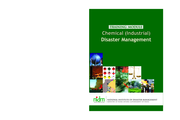
Key Features:
• Module Users: Disaster Management Trainers
• Training Targets: State Government and District
officials / Disaster Management Authorities / Disaster
Management Planners and Responders
• Training Duration: 5 working days (one week)
• Trainers Input: Multi-disciplinary
â€
...
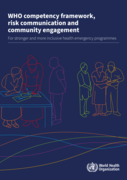
The risk communication and community engagement (RCCE) competency framework is a resource that details the essential behaviours and activities necessary for effective communication and engagement with communities before, during and after public health emergencies. The purpose of this framework is to
...

South Eastern European Journal of Public Health, EEJPH 2016, posted: 11 January 2016. DOI 10.4119/UNIBI/SEEJPH-2016-85

No publication year indicated.
The survey is representative of the Union Territory, its states and regions and urban and rural areas. It was conducted in all the districts and in 296 of the 330 townships of Myanmar. A total of 13,730 households were interviewed. It collects data on the occupations of people, how much income they
...
This 2016-2020 public-private mix strategic plan (PPM SP) is a 4-year framework designed to guide the National TB Control Programme (NTP) and its partners to implement PPM in Bangladesh. It provides goals, strategies and interventions for expanding and scaling up current PPM models and outlines appr
...


Cardiovascular disease (CVD) is the leading cause of global deaths, with the majority occurring in low- and middle-income countries (LMIC). The primary and secondary prevention of CVD is suboptimal throughout the world, but the evidence-practice gaps are much more pronounced in LMIC. Barriers at the
...