
Filter
3187
Text search:
Allocation
Featured
Recommendations
239
New Publications
915
Language
Document type
No document type
1792
Studies & Reports
560
Guidelines
361
Strategic & Response Plan
188
Manuals
147
Fact sheets
62
Training Material
27
Situation Updates
25
Resource Platforms
10
Infographics
7
Brochures
3
Online Courses
2
Videos
2
Countries / Regions
Global
172
Kenya
139
India
106
Uganda
83
Nigeria
80
Ethiopia
75
Sierra Leone
65
Malawi
65
Liberia
63
Nepal
62
Myanmar / Burma
62
Zambia
59
Rwanda
50
South Africa
50
Bangladesh
49
Africa
48
Western and Central Europe
47
Ghana
46
Namibia
43
Tanzania
40
Latin America and the Carribbean
39
Congo, Democratic Republic of
37
Ukraine
34
Syria
32
Indonesia
30
Lesotho
27
Philippines
26
Mozambique
24
Guinea
23
Asia
23
Senegal
22
Cambodia
22
Zimbabwe
21
Botswana
20
Eastern Europe
20
Benin
19
Brazil
18
Middle East and North Africa
17
East and Southern Africa
16
West and Central Africa
16
South–East Asia Region
16
South Sudan
15
Cameroon
14
Russia
14
Haiti
13
Burkina Faso
11
Pakistan
11
Jordan
10
Central African Republic
10
Eastern Europe and Central Asia
10
Lebanon
9
China
9
Germany
8
Eswatini/ Swaziland
8
Yemen
8
Western Pacific Region
8
Venezuela
8
Laos
8
Sudan
7
Colombia
7
Madagascar
7
Vietnam
7
Mali
6
Côte d’Ivoire / Ivory Coast
6
Afghanistan
6
Thailand
6
Peru
6
Albania
6
Togo
5
Somalia
5
Paraguay
5
Georgia
5
Iraq
4
Turkey
4
Papua New Guinea
4
Burundi
4
Southern Africa
4
Tajikistan
4
Moldova
4
North America
4
Chad
3
Gambia
3
Ecuador
3
Sri Lanka
3
Chile
3
Poland
3
USA
2
Niger
2
North Macedonia
2
Serbia
2
Hungary
2
Honduras
2
Bolivia
2
Bhutan
2
Armenia
2
Timor Leste/ East Timor
2
Romania
2
Iran
2
Kyrgyzstan
2
Turkmenistan
2
Jamaica
2
Japan
2
Azerbaijan
2
Guinea-Bissau
1
Saudi Arabia
1
Egypt
1
Malaysia
1
Singapore
1
Argentina
1
Switzerland
1
Croatia
1
El Salvador
1
Angola
1
Other region
1
Italy
1
Mongolia
1
Qatar
1
Slovakia
1
Australia
1
Kazakhstan
1
United Kingdom
1
Portugal
1
Spain
1
Belarus
1
Bosnia and Herzegovina
1
Authors & Publishers
Publication Years
Category
Countries
1410
Key Resources
219
Public Health
148
Clinical Guidelines
137
Women & Child Health
115
Capacity Building
47
Pharmacy & Technologies
20
Annual Report MEDBOX
1
Toolboxes
COVID-19
286
HIV
216
Mental Health
179
Health Financing Toolbox
132
Disability
128
TB
127
Planetary Health
96
Conflict
80
Caregiver
77
Ebola & Marburg
76
Rapid Response
63
Global Health Education
61
NTDs
51
AMR
45
Natural Hazards
44
Malaria
43
2.0 Rapid Response
39
NCDs
37
Refugee
34
Pharmacy
27
Cholera
18
Specific Hazards
16
Polio
14
Social Ethics
9
Zika
7
Typhoon
2

Non-Communicable Diseases (NCDs) have emerged as conditions of great public health concern in Kenya accounting for 39% of deaths annually. The Ministry of Health through the Department of Non-Communicable Diseases has adopted the vision of achieving a nation free from preventable burden of NCDs. Fur
...
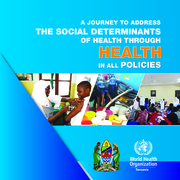
Health in All Policies (HiAP) promotes health and equity. It is based on the recognition that our greatest health challenges for example, non-communicable diseases, health inequities and inequalities, climate change, and spiraling health care costs are highly complex and often linked through the soc
...

To guide the provision of quality palliative care services across the African region, the African Palliative Care Association (APCA) has developed a framework of core palliative care competencies that can be used by service providers, educators and other stakeholders to guide programmes development.
...
For education to be competency-based and effective, appropriate training methodologies have to be used to support the learner to have the appropriate knowledge and to translate this knowledge into skills and competencies. Such education and training should lead to a change in attitudes, beliefs a
...

The African Palliative Care Association is pleased to publish the first edition of Palliative Care Standards for Africa. The development of these standards was achieved through wide consultation with service beneficiaries and providers, and they have been developed to suit different levels of
...
This document outlines the plan for a continental cholera prevention and control with the implementation framework for the Cholera IMST, detailing its governance structure, strategic priorities, and operational modalities

WHO guideline on HIV service delivery
recommended
Updated guidance on the integration of diabetes, hypertension and mental health services, and interventions to support adherence to antiretroviral therapy. The guideline offers practical implementation guidance for countries and key stakeholders as well as outlining key research gaps. As life expec
...

WHO, as the coordinating authority on international health, supports countries in protecting public health through evidence-based policies and actions. Considering the significant health burden and the multiple potential benefits of interventions, the WHO Air Quality, Energy and Health Unit aims to
...

This plan, approved by the Organization’s 62nd Directing Council, was shaped by extensive consultations with countries and stakeholders, and commits to transformative health outcomes over the next six years, tackling noncommunicable diseases (NCDs), mental health, health security, fragmented healt
...

This report was developed by the WHO TB Vaccine Accelerator Finance and Access working group, co-led by WHO, Gavi and the Government of South Africa. It sets out the working group’s shared vision for equitable access to novel TB vaccines and will advance a shared understanding of the current lands
...

In an era of constrained resources and tightening budgets, strategic prioritization in tuberculosis (TB) programming is more critical than ever. Countries must make informed decisions to allocate limited resources effectively - maximizing impact, preventing avoidable deaths, and sustaining progress
...

Abrupt reductions in international HIV assistance in 2025 have deepened existing funding shortfalls. The OECD estimates that external health assistance is projected to drop by 30–40% in 2025 compared with 2023, causing immediate and even more severe disruption to health services in low- and middle
...

Building true health security in a global age. Findings and recommendations of the Global Council. In landmark findings based on two years of research and convenings around the world, the new report shows that high levels of inequality are linked to outbreaks becoming pandemics and that inequality i
...

The findings of the report are both urgent and devastating. At the current rate of progress, by 2040 we would still have 1.9 million new HIV infections and 990,000 AIDS-related deaths in children. But if funding for HIV prevention and treatment continues to fall as current trends suggest, the world
...

Operational Guidance. This operational guidance provides a structured approach to support countries in sustaining priority services for HIV, viral hepatitis and sexually transmitted infections in the context of reduced external funding. The guidance is intended for national governments, public healt
...

Developed through broad and inclusive consultation, and aligned with the WHO Global Health Sector Strategies and the Sustainable Development Goals, the framework promotes a people-centred approach and antimicrobial stewardship across 5 key domains: prevention and response, surveillance, research and
...

Panel Recommendations

Program Considerations

a landscape report of voluntary medical male circumcision priority countries.
This report provides the findings from the baseline implementation of these tools in 15 VMMC priority countries in 2021. It is intended for VMMC national programme leaders and implementing and global partners. Its goals a
...
