
Filter
3207
Text search:
WHO,
Regional
Office
Africa
Featured
Recommendations
313
New Publications
833
Language
Document type
No document type
1688
Studies & Reports
638
Guidelines
393
Manuals
180
Strategic & Response Plan
145
Training Material
57
Fact sheets
47
Situation Updates
39
Resource Platforms
9
Infographics
5
Brochures
2
Videos
2
App
1
Online Courses
1
Countries / Regions
Global
163
Ethiopia
119
Kenya
103
Sierra Leone
100
Africa
97
Liberia
87
Uganda
78
Zambia
68
Nigeria
63
South Africa
63
Tanzania
59
Ghana
54
Malawi
53
Namibia
45
Rwanda
42
Congo, Democratic Republic of
41
Guinea
40
India
40
South Sudan
39
Mozambique
37
East and Southern Africa
37
West and Central Africa
37
Western and Central Europe
37
Syria
33
Senegal
29
Nepal
29
Middle East and North Africa
29
Lesotho
27
Asia
25
Zimbabwe
22
Yemen
20
South–East Asia Region
20
Bangladesh
19
Central African Republic
19
Ukraine
19
Latin America and the Carribbean
18
Cameroon
15
Eswatini/ Swaziland
15
Eastern Europe
15
Somalia
14
Angola
14
Myanmar / Burma
14
Botswana
13
Madagascar
12
Burkina Faso
11
Mali
11
Pakistan
11
Sudan
11
Guinea-Bissau
9
Cambodia
9
China
9
Brazil
9
Russia
9
Côte d’Ivoire / Ivory Coast
8
Afghanistan
8
Thailand
8
Venezuela
8
Haiti
7
Philippines
7
Lebanon
7
Benin
7
Burundi
7
Colombia
7
Eastern Europe and Central Asia
7
Togo
6
Chad
6
Gambia
6
Indonesia
6
Jordan
5
Sri Lanka
5
Western Pacific Region
4
Southern Africa
4
Iran
4
Niger
3
Germany
3
Peru
3
North Macedonia
3
Libya
3
Mexico
3
Laos
3
Georgia
3
Vietnam
3
Mauritius
3
Morocco
2
Saudi Arabia
2
Iraq
2
Papua New Guinea
2
Greece
2
Palestine
2
Albania
2
Djibouti
2
Moldova
2
Kyrgyzstan
2
Kazakhstan
2
Portugal
2
Bosnia and Herzegovina
2
USA
1
Turkey
1
Mauritania
1
Argentina
1
Serbia
1
Hungary
1
Ecuador
1
Armenia
1
Timor Leste/ East Timor
1
Tajikistan
1
Qatar
1
Bulgaria
1
Estonia
1
North America
1
Gabon
1
Turkmenistan
1
Jamaica
1
Japan
1
Belgium
1
Tunisia
1
United Kingdom
1
Norway
1
Spain
1
Belarus
1
Israel
1
Authors & Publishers
Publication Years
Category
Countries
1094
Clinical Guidelines
228
Key Resources
219
Women & Child Health
177
Public Health
174
Capacity Building
58
Pharmacy & Technologies
34
Toolboxes
HIV
284
COVID-19
247
Mental Health
195
Ebola & Marburg
160
Planetary Health
149
TB
147
Disability
143
Rapid Response
98
NTDs
92
AMR
89
Conflict
88
Global Health Education
80
Refugee
76
Caregiver
73
2.0 Rapid Response
61
Pharmacy
51
Health Financing Toolbox
48
NCDs
44
Malaria
41
Natural Hazards
40
Zika
22
Cholera
18
Polio
14
Social Ethics
9
Specific Hazards
8
Typhoon
3
South Sudan
1
The Lancet Countdown is an international collaboration that independently monitors the health consequences of a changing climate. Publishing updated, new, and improved indicators each year, the Lancet Countdown represents the
consensus of leading researchers from 43 academic institutions and UN ag
...

Cardiovascular diseases, principally ischemic heart disease (IHD), are the most important cause of death and disability in the majority of low- and lower-middle-income countries (LLMICs). In these countries, IHD mortality rates are significantly greater in individuals of a low socioeconomic status (
...
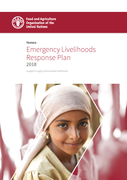
This plan guides FAO’s response to prevent the levels of food insecurity and malnutrition from worsening. It sets out key emergency agricultural livelihood interventions to be implemented within the framework of the 2018 Yemen Humanitarian Response Plan (HRP)
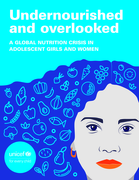
There has been important progress for the rights of adolescent girls and women in recent decades, yet millions still struggle to
access the nutritious diets, essential nutrition services and nutrition and care practices they need to prevent malnutrition.
Undernutrition, micronutrient deficiencies
...
The Demographic Dividend study on Rwanda assessed the socio economic and human development potential of our country in the short, medium and long-term period using a comprehensive approach. It generated relevant policy and programme information to guide a well informed polciy required to propel Rwan
...
The threat posed by Zika virus infection highlights the need to reinforce preparedness arrangements for mosquito-borne diseases in EU/EEA countries, especially for pathogens transmitted by Aedes aegypti and Aedes albopictus.
The aim of this document is to highlight measures that can effectively red
...
The Demographic Dividend study on Rwanda assessed the socio-economic and human development potential of our country in the short, medium and long-term period using a comprehensive approach. It generated relevant policy and programme information to guide a well-informed polciy required to propel Rwan
...
This short paper aims to identify key evidence gaps in our knowledge of livestock- and fisheries-linked antimicrobial resistance in the developing world, and to document on-going or planned research initiatives on this topic by key stakeholders.
The antimicrobial resistant (AMR) infections in anima
...

For this report, the Task Force commissioned
additional background papers on health taxes to
update the evidence, assess short-term revenue
potential, and understand the role of health taxes
in the current era of multiple crises. We find that
health taxes continue to be underutilized despite th
...
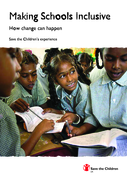
Making education more inclusive requires schools and education authorities to remove the barriers to education experienced by the most excluded children - often the poorest, children with disabilities, children without family care, girls, or children from minority groups. Also included in the text a
...
Lack of Access to Reproductive Healthcare in Sudan’s Rebel-Held Southern Kordofan
Little is known about foreign aid provided by private donors. This paper contributes to closing this research gap by comparing the allocation of private humanitarian aid to that of official humanitarian aid awarded to 140 recipient countries over the 2000-2016 period. We construct a new database tha
...
Working with limited resources in armed conflict and other situations of violence. Vol.2
