Filter
4685
Text search:
family
planning
policy
Featured
Recommendations
374
New Publications
1443
Language
Document type
No document type
3019
Studies & Reports
633
Guidelines
475
Manuals
243
Strategic & Response Plan
166
Training Material
73
Fact sheets
35
Situation Updates
21
Infographics
8
Resource Platforms
7
Brochures
2
Online Courses
2
App
1
Countries / Regions
India
219
Kenya
190
Global
145
Nepal
137
Ethiopia
122
Uganda
118
Bangladesh
108
Myanmar / Burma
104
Nigeria
97
Liberia
94
Malawi
94
Sierra Leone
91
Zambia
91
Rwanda
91
South Africa
84
Western and Central Europe
79
Tanzania
72
Namibia
72
Ghana
69
Syria
57
Latin America and the Carribbean
50
Africa
46
Lesotho
45
Philippines
42
Zimbabwe
41
Indonesia
41
Ukraine
39
Cambodia
38
South–East Asia Region
32
Asia
32
Congo, Democratic Republic of
30
Haiti
29
Eastern Europe
29
South Sudan
28
Botswana
28
Guinea
23
Senegal
23
East and Southern Africa
22
Afghanistan
21
Mozambique
21
Pakistan
19
Eswatini/ Swaziland
19
West and Central Africa
19
Burkina Faso
18
Jordan
15
Yemen
15
Middle East and North Africa
15
Cameroon
13
Lebanon
13
Colombia
12
Vietnam
12
Somalia
11
Benin
11
Russia
11
Thailand
10
Sudan
10
Brazil
10
Venezuela
10
Peru
9
Germany
8
Turkey
8
Western Pacific Region
8
Moldova
8
China
7
Sri Lanka
7
Eastern Europe and Central Asia
7
Laos
7
Papua New Guinea
6
Central African Republic
6
Albania
6
Mali
5
Iraq
5
Egypt
5
Paraguay
5
Palestine
5
Tajikistan
5
Iran
5
USA
4
North Macedonia
4
Burundi
4
Timor Leste/ East Timor
4
Côte d’Ivoire / Ivory Coast
3
Hungary
3
Croatia
3
Ecuador
3
Bhutan
3
Poland
3
Romania
3
North America
3
Turkmenistan
3
Guinea-Bissau
2
Niger
2
Singapore
2
Argentina
2
Dominican Republic
2
Serbia
2
Honduras
2
Bolivia
2
Greece
2
Libya
2
Guatemala
2
Madagascar
2
Mexico
2
Chile
2
Bulgaria
2
Estonia
2
Georgia
2
Japan
2
Mauritius
2
United Kingdom
2
Portugal
2
Spain
2
Azerbaijan
2
Saudi Arabia
1
Togo
1
Gambia
1
Malaysia
1
Ireland
1
Switzerland
1
El Salvador
1
Angola
1
Nicaragua
1
Other region
1
Djibouti
1
Armenia
1
Southern Africa
1
Canada
1
Qatar
1
Lithuania
1
Slovakia
1
Kyrgyzstan
1
Kazakhstan
1
France
1
Belarus
1
Israel
1
Bosnia and Herzegovina
1
Latvia
1
Belize
1
Costa Rica
1
Panama
1
Authors & Publishers
Publication Years
Category
Countries
2080
Women & Child Health
350
Key Resources
302
Public Health
277
Clinical Guidelines
254
Capacity Building
91
Pharmacy & Technologies
15
Annual Report MEDBOX
1
Toolboxes
HIV
378
Mental Health
356
Disability
275
COVID-19
240
TB
181
Caregiver
151
Conflict
139
Planetary Health
103
Ebola & Marburg
89
Global Health Education
88
Refugee
86
NTDs
69
Natural Hazards
65
Rapid Response
54
NCDs
51
Pharmacy
44
2.0 Rapid Response
37
AMR
33
Malaria
30
Health Financing Toolbox
28
Specific Hazards
21
Polio
20
Zika
17
Social Ethics
16
Cholera
9
South Sudan
1
Typhoon
1
Evaluation report
September 2014
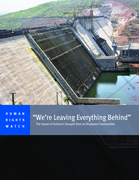
Guinea’s 450 megawatt Souapiti dam, scheduled to begin operating in September 2020, is the most advanced of several new hydropower projects planned by the government of President Alpha Condé. Guinea’s government believes that hydropower can significantly increase access to electricity in a cou
...
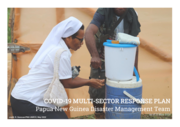
his revision to the Disaster Management Team’s (DMT) multi-sector response plan for COVID-19 is meant to align the multi-sector plan with the Department of Health’s COVID-19 Emergency Response Plan issued on 24 April 2020. Additionally, at the time of this version, the Department of Education an
...
An infection control programme puts together various practices which when used appropriately restrict the spread of infection

Med Princ Pract 2021;30:17–28
An overview of ethics and clinical ethics is presented in this review. The 4 main ethical principles, that is beneficence, nonmaleficence, autonomy, and justice, are defined and explained. Informed consent, truth-telling, and confidentiality spring from the
...
The war in Ukraine has had devasting impact on women and girls
worldwide, widening gender gaps and increasing rates of food insecurity, malnutrition and energy poverty. This brief reviews the available evidence of that impact, recommending urgent attention to its consequences for women and girls. I
...
1.1 Why this course is needed
The first few hours and days of a newborn baby’s life are a critical window for establishing breastfeeding and for providing mothers with the support they need to breastfeed successfully. Since 1991, the Baby-friendly Hospital Initiative (BFHI) has helped to motivate
...

In 2012, all Member States of the World Health Organization (WHO) endorsed a historical target to reduce premature mortality from noncommunicable diseases
(NCD). This commitment was echoed in 2015 by the United Nations Sustainable Development Goals, which included a target to reduce premature morta
...
Infectious Diseases of Poverty 2014, 3:42
http://www.idpjournal.com/content/3/1/42
This brief summarises key considerations about the social, political and economic context of Goma in relation to the outbreak of Ebola in the DRC as of March 2019. Goma is the administrative capital of North Kivu province and a major urban centre in the Great Lakes Region. The city is home to an est
...

Ethiopia saw a six-fold increase in confirmed COVID-19 cases between June and August, with 5,689 cases by end June compared to 34,058 cases as of 19 August. Ethiopia also registered more than 13,000 recoveries and more than 600 deaths. As of the last week of August, Ethiopia was leading eastern Afri
...
Since the beginning of the Ukraine crisis on 24 February 2022, WHO has supported Government-led efforts and initiatives alongside key partners on the ground. Building on efforts to date, and working alongside Bulgaria’s health authorities to bring added value to existing mechanisms, the WHO Countr
...

Guidelines approved by the WHO Guidelines -Review Committee; second edition

Globalization and Health201612:63; DOI: 10.1186/s12992-016-0195-3
Including a Tool to Assess the Adolescent Health and Development Component in Pre-Service Education of Health-Care Providers
Guidelines for the prevention, care and treatment of persons with chronic hepatitis B infection
recommended
The recommendations in these guidelines promote the use of simple, non-invasive diagnostic tests to assess the stage of liver disease and eligibility for treatment; prioritize treatment for those with most advanced liver disease and at greatest risk of mortality; and recommend the preferred use of n
...