
Filter
7396
Text search:
WHO
Africa
Featured
Recommendations
671
New Publications
1623
Language
Document type
No document type
3773
Studies & Reports
1592
Guidelines
842
Manuals
366
Strategic & Response Plan
260
Fact sheets
223
Training Material
127
Situation Updates
80
Infographics
44
Resource Platforms
28
Online Courses
24
Brochures
23
Videos
9
App
4
Countries / Regions
Global
376
South Africa
319
Africa
253
Kenya
242
Sierra Leone
203
Nigeria
186
Ethiopia
180
Liberia
179
Uganda
159
Zambia
132
Malawi
130
Middle East and North Africa
121
West and Central Africa
120
Tanzania
117
Rwanda
111
Congo, Democratic Republic of
107
East and Southern Africa
100
Ghana
97
India
96
Syria
90
Namibia
87
Mozambique
85
Guinea
81
South Sudan
81
Western and Central Europe
70
Senegal
69
Zimbabwe
69
Yemen
67
Lesotho
66
Latin America and the Carribbean
53
Burkina Faso
51
Nepal
51
Central African Republic
48
Bangladesh
42
Cameroon
41
Ukraine
37
Asia
36
Russia
33
Botswana
32
Myanmar / Burma
32
Mali
30
Sudan
30
South–East Asia Region
29
Benin
28
Angola
28
Eswatini/ Swaziland
27
Somalia
24
China
24
Eastern Europe
24
Brazil
20
Madagascar
20
Côte d’Ivoire / Ivory Coast
19
Haiti
19
Germany
19
Indonesia
19
Colombia
19
Philippines
18
Afghanistan
18
Cambodia
18
Chad
17
Guinea-Bissau
15
Pakistan
15
Eastern Europe and Central Asia
15
Thailand
13
Vietnam
13
Niger
12
Iraq
12
Lebanon
12
Burundi
10
Southern Africa
10
Togo
9
Jordan
9
Libya
9
Venezuela
9
Saudi Arabia
8
Egypt
8
Sri Lanka
8
Gambia
7
Iran
7
Tunisia
7
Western Pacific Region
6
Portugal
6
Morocco
5
Palestine
5
Laos
5
North America
5
Japan
5
USA
4
Turkey
4
Malaysia
4
Mauritania
4
Papua New Guinea
4
Peru
4
Greece
4
Mexico
4
Chile
4
Italy
4
Albania
4
France
4
North Macedonia
3
Serbia
3
Ecuador
3
Tajikistan
3
Moldova
3
Kyrgyzstan
3
Kazakhstan
3
Georgia
3
Gabon
3
Jamaica
3
Mauritius
3
Spain
3
Bosnia and Herzegovina
3
Argentina
2
Paraguay
2
Djibouti
2
Armenia
2
Canada
2
Qatar
2
Turkmenistan
2
United Kingdom
2
Belarus
2
Israel
2
Vanuatu
1
Dominican Republic
1
Switzerland
1
Hungary
1
Croatia
1
Honduras
1
Cape Verde
1
Solomon Islands
1
Poland
1
North Korea
1
Mongolia
1
Congo-Brazzaville
1
Timor Leste/ East Timor
1
Bulgaria
1
Estonia
1
Romania
1
Denmark
1
Belgium
1
Norway
1
South Korea
1
Algeria
1
Morocco
1
Azerbaijan
1
Eritrea
1
Authors & Publishers
Publication Years
Category
Countries
2557
Clinical Guidelines
544
Women & Child Health
390
Public Health
386
Key Resources
372
Capacity Building
148
Pharmacy & Technologies
72
Annual Report MEDBOX
2
Toolboxes
HIV
753
COVID-19
685
Mental Health
441
Ebola & Marburg
392
TB
389
Planetary Health
291
Disability
288
NTDs
285
AMR
171
Caregiver
167
Rapid Response
165
Global Health Education
156
NCDs
154
Conflict
145
Health Financing Toolbox
133
Refugee
130
Malaria
129
Pharmacy
101
2.0 Rapid Response
80
Natural Hazards
68
Zika
51
Cholera
46
Polio
46
Social Ethics
37
Specific Hazards
19
Typhoon
3
South Sudan
2
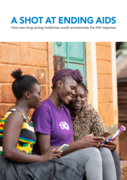
Breakthrough innovations have come to light that have proved to be more than 95% effective in preventing HIV infection with injections just twice a year. Once a year might even be possible. They could also be key for 40 million people living with HIV around the world
...
To understand the patterns of Rwanda’s achievements in health development, it is important to explore how Rwanda addresses the Social Determinants of Health (SDH) particularly those related to routine conditions in which people are born, live and work. It is in this particular context that a case
...
How the Greek reception system is failing to protect the most vulnerable people seeking asylum.
Greece and its EU partners are failing pregnant women, unaccompanied children, victims of torture or sexual violence and other vulnerable people who see
...

The Advancing Climate-Resilient Education Technical Guidance builds on the USAID 2022–2030 Climate Strategy and the 2018 USAID Education Policy to support USAID Missions and partners who seek to integrate climate action and awareness into educatio
...
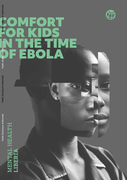
The 2014-2015 outbreak of Ebola virus disease (EVD) in Liberia resulted in over 10,000 cases and 5,000 deaths. Recognizing the importance of addressing children’s trauma, the Ebola recovery and restoration trust fund (EERTF) funded the implementation of a Comfort for kids (C4K) program which encou
...
Promoting and protecting health is essential to human welfare and sustained economic and social development. This was recognized more than 30 years ago by the Alma-Ata Declaration signatories, who noted that Health for All would contribute
both to
...
Global cardiovascular disease (CVD) burden is high and rising, especially in low-income and middle-income countries (LMICs). Focussing on 45 LMICs, we aimed to determine (1) the adult population’s median 10-year predicted CVD risk, including its variation within countries by socio-demographic char
...
Yaya et al. BMC Pregnancy and Childbirth (2018) 18:194
Ensuring equitable access to maternal health care including antenatal, delivery, postnatal services
and fertility control methods, is one of the most critical challenges for public health sector. There are significant
disparities in materna
...

In the initial chapters, you will find different approaches that describe how to support job creation for entrepreneurs or employees who live with disabilities. The interventions are often initiated by the readiness to find and pick the right opport
...

This malaria case management training manual was developed by the Federal Ministry of Health (FMOH) of Ethiopia, in collaboration with several national and international partners. Primarily based on WHO guidelines and training materials, as well as
...

Malaria in children presents significant clinical challenges, with variations in presentation based on the malaria parasite involved and the child's underlying health conditions. The World Health Organization reports high incidence rates, particularly in sub-Saharan
...

The Ethiopia Multi-Sectorial Cholera Elimination Plan (2022-2028) outlines a national strategy to eliminate cholera in Ethiopia by 2028. The plan follows the Global Roadmap to End Cholera by 2030 and is based on six key pillars: Leadership & Coordination, Water, Sanitation & Hygiene (WASH), Surveill
...
The project was developed by the International Federation of Medical Students’ Associations (IFMSA), in line with the Federation’s statement “a world in which students are equipped with knowledge, skills and value to take on health leadership roles locally and globally so to
...
The government of Rwanda conducted the 2010 Rwanda Demographic and Health Survey (RDHS) to gather up-to-date information for monitoring progress on healthcare programs and policies in Rwanda, including the Economic Development and Poverty Reduction Strategy (EDPRS), the Millennium Development Goals
...
PLoS Negl Trop Dis 16(10): e0009774. Although the practice of communication is often called upon when intervening asn involgvingcommunties affected by NTD's, the disciplinary framewokr of healt communication research has been largely absent from NTD strategies. To illustrate how practices conceptual
...

Frontline health workers (FHWs) provide services directly to communities where they are most needed, especially in remote and rural areas. Many are community health workers and midwives, though they can also include local emergency responders/paramedics, pharmacists, nurses, and doctors
...

Nearly 800 women die every day from preventable maternal causes, and in 2022 alone, an estimated 2.3 million newborns died. For every maternal death, countless more women endure life-altering injuries, infections, and disabilities related to childbirth.
Maternal deaths are concentrated in the poo
...
Afr J Tradit Complement Altern Med. (2016) 13(4):123-131
Out of 400 questionnaires distributed to the participants, 389 were returned with data acceptable for analysis. Ages of the participants ranged from 18 to 75 years (Mean=43 + 11.6). Out of the 272 (69.9%) participants ...
Out of 400 questionnaires distributed to the participants, 389 were returned with data acceptable for analysis. Ages of the participants ranged from 18 to 75 years (Mean=43 + 11.6). Out of the 272 (69.9%) participants ...
Children in Kabwe are especially at risk because they are more likely to ingest lead dust when playing in the soil, their brains and bodies are still developing, and they absorb four to five times as much lead as adults. The consequences for children who
...
