
Filter
3665
Text search:
essential
emergency
and
critical
care
Featured
433
993
Language
3585
83
56
47
39
23
20
9
7
4
4
3
3
3
3
3
2
2
2
2
2
2
2
2
2
1
1
1
1
1
1
1
1
1
1
1
1
1
1
1
1
1
1
1
1
1
1
1
1
1
Document type
1732
636
599
272
234
66
58
57
4
3
2
1
Countries
201
157
111
95
93
86
82
80
70
69
67
64
59
57
54
50
49
49
46
41
39
36
33
31
30
29
27
26
26
25
24
23
21
20
18
16
16
15
15
14
14
12
12
11
11
11
11
10
10
10
10
9
9
9
8
8
8
8
7
7
7
7
6
6
5
5
4
4
4
4
4
4
4
3
3
3
3
3
3
3
3
3
2
2
2
2
2
2
2
2
2
2
2
2
2
2
2
2
2
2
2
2
1
1
1
1
1
1
1
1
1
1
1
1
1
1
1
1
1
1
1
1
1
1
1
1
1
1
1
1
Authors & Publishers
598
134
101
99
86
80
65
62
52
42
24
23
23
20
20
18
17
17
17
17
17
16
16
16
16
15
14
14
14
14
13
13
12
12
12
12
12
12
12
12
12
12
11
11
11
11
11
11
11
10
10
10
10
9
9
9
8
8
8
8
8
8
8
8
8
8
8
8
8
8
7
7
7
7
7
7
7
7
7
7
7
7
6
6
6
6
6
6
6
6
6
6
6
6
6
6
5
5
5
5
5
5
5
5
5
5
5
5
5
5
5
5
5
5
5
5
5
5
5
5
5
4
4
4
4
4
4
4
4
4
4
4
4
4
4
4
4
4
4
4
4
4
4
4
4
4
4
4
4
4
4
4
4
4
4
4
4
4
4
4
4
4
4
4
4
4
3
3
3
3
3
3
3
3
3
3
3
3
3
3
3
3
3
3
3
3
3
3
3
3
3
3
3
3
3
3
3
3
3
3
3
3
3
3
3
3
3
3
3
3
3
3
3
3
3
3
3
3
3
3
3
3
3
3
3
3
3
3
3
3
3
3
3
3
3
3
3
3
3
3
3
2
2
2
2
2
2
2
2
2
2
2
2
2
2
2
2
2
2
2
2
2
2
2
2
2
2
2
2
2
2
2
2
2
2
2
2
2
2
2
2
2
2
2
2
2
2
2
2
2
2
2
2
2
2
2
2
2
2
2
2
2
2
2
2
2
2
2
2
2
2
2
2
2
2
2
2
2
2
2
2
2
2
2
2
2
2
2
2
2
2
2
2
2
2
2
2
2
2
2
2
2
2
2
2
2
2
2
2
2
2
2
2
2
2
2
2
2
2
2
2
2
2
2
2
2
2
2
2
2
2
2
2
2
2
2
2
2
2
2
2
2
2
2
2
2
2
2
2
2
2
2
2
2
2
2
2
2
2
2
2
2
2
2
2
2
2
2
2
2
2
2
2
1
1
1
1
1
1
1
1
1
1
1
1
1
1
1
1
1
1
1
1
1
1
1
1
1
1
1
1
1
1
1
1
1
1
1
1
1
1
1
1
1
1
1
1
1
1
1
1
1
1
1
1
1
1
1
1
1
1
1
1
1
1
1
1
1
1
1
1
1
1
1
1
1
1
1
1
1
1
1
1
1
1
1
1
1
1
1
1
1
1
1
1
1
1
1
1
1
1
1
1
1
1
1
1
1
1
1
1
1
1
1
1
1
1
1
1
1
1
1
1
1
1
1
1
1
1
1
1
1
1
1
1
1
1
1
1
1
1
1
1
1
1
1
1
1
1
1
1
1
1
1
1
1
1
1
1
1
1
1
1
1
1
1
1
1
1
1
1
1
1
1
1
1
1
1
1
1
1
1
1
1
1
1
1
1
1
1
1
1
1
1
1
1
1
1
1
1
1
1
1
1
1
1
1
1
1
1
1
1
1
1
1
1
1
1
1
1
1
1
1
1
1
1
1
1
1
1
1
1
1
1
1
1
1
1
1
1
1
1
1
1
1
1
1
1
1
1
1
1
1
1
1
1
1
1
1
1
1
1
1
1
1
1
1
1
1
1
1
1
1
1
1
1
1
1
1
1
1
1
1
1
1
1
1
1
1
1
1
1
1
1
1
1
1
1
1
1
1
1
1
1
1
1
1
1
1
1
1
1
1
1
1
1
1
1
1
1
1
1
1
1
1
1
1
1
1
1
1
1
1
1
1
1
1
1
1
1
1
1
1
1
1
1
1
1
1
1
1
1
1
1
1
1
1
1
1
1
1
1
1
1
1
1
1
1
1
1
1
1
1
1
1
1
1
1
1
1
1
1
1
1
1
1
1
1
1
1
1
1
1
1
1
1
1
1
1
1
1
1
1
1
1
1
1
1
1
1
1
1
1
1
1
1
1
1
1
1
1
1
1
1
1
1
1
1
1
1
1
1
1
1
1
1
1
1
1
1
1
1
1
1
1
1
1
1
1
1
1
1
1
1
1
1
1
1
1
1
1
1
1
1
1
1
1
1
1
1
1
1
1
1
1
1
1
1
1
1
1
1
1
1
1
1
1
1
1
1
1
1
1
1
1
1
1
1
1
1
1
1
1
1
1
1
1
1
1
1
1
1
1
1
1
1
1
1
1
1
1
1
1
1
1
1
1
1
1
1
1
1
1
1
1
1
1
1
1
1
1
1
1
1
1
1
1
1
1
1
1
1
1
1
1
1
1
1
1
1
1
1
1
1
1
1
1
1
1
1
1
1
1
1
1
1
1
1
1
1
1
1
1
1
1
1
1
1
1
1
1
1
1
1
1
1
1
1
1
1
1
1
1
1
1
1
1
1
1
1
1
1
1
1
1
1
1
1
1
1
1
1
1
1
1
1
1
1
1
1
1
1
1
1
1
1
1
1
1
1
1
1
1
1
1
1
1
1
1
1
1
1
1
1
1
1
1
1
1
1
1
1
1
1
1
1
1
1
1
1
1
1
1
1
1
1
1
1
1
1
1
1
1
1
1
1
1
1
1
1
1
1
1
1
1
1
1
1
1
1
1
1
1
1
1
1
1
1
1
1
1
1
1
1
1
1
1
1
1
1
1
1
1
1
1
1
1
1
1
1
1
1
1
1
1
1
1
1
1
1
1
1
1
1
1
1
1
1
1
1
1
1
1
1
1
1
1
1
1
1
1
1
1
1
1
1
1
1
1
1
1
1
1
1
1
1
1
1
1
1
1
1
1
1
1
1
1
1
1
1
1
1
1
1
1
1
1
1
1
1
1
1
1
1
1
1
1
1
1
1
1
1
1
1
1
1
1
1
1
1
1
1
1
1
1
1
1
1
1
1
1
1
1
1
1
1
1
1
1
1
1
1
1
1
1
1
1
1
1
1
1
1
1
1
1
1
1
1
1
1
1
1
1
1
1
1
1
1
1
1
1
1
1
1
1
1
1
1
1
1
1
1
1
1
1
1
1
1
1
1
1
1
1
1
1
1
1
1
1
1
1
1
1
1
1
1
1
1
1
1
1
1
1
1
1
1
1
1
1
1
1
1
1
1
1
1
1
1
1
1
1
1
1
1
1
1
1
1
1
1
1
1
1
1
1
1
1
1
1
1
1
1
1
1
1
1
1
1
1
1
1
1
1
1
1
1
1
1
1
1
1
1
1
1
1
1
1
1
1
1
1
1
1
1
1
1
1
1
1
1
1
1
1
1
1
1
1
1
1
1
1
1
1
1
1
1
1
1
1
1
1
1
1
1
1
1
1
1
1
1
1
1
1
1
1
1
1
1
1
1
1
1
1
1
1
1
1
1
1
1
1
1
1
1
1
1
1
1
1
1
1
1
1
1
1
1
1
1
1
1
1
1
1
1
1
1
1
1
1
1
1
1
1
1
1
1
1
1
1
1
1
1
1
1
1
1
1
1
1
1
1
1
1
1
1
1
1
1
1
1
1
1
1
1
1
1
1
1
1
1
1
1
1
1
1
1
1
1
1
1
1
1
1
1
1
1
1
1
1
1
1
1
1
1
1
1
1
1
1
1
1
1
1
1
1
1
1
1
1
1
1
1
1
1
1
1
1
1
1
1
1
1
1
1
1
1
1
1
1
1
1
1
1
1
1
1
1
1
1
1
1
1
1
1
1
1
1
1
1
1
1
1
1
1
1
1
1
1
1
1
1
1
1
1
1
1
1
1
1
1
1
1
1
1
1
1
1
1
1
1
1
1
1
1
1
1
1
1
1
1
1
1
1
1
1
1
1
1
1
1
1
1
1
1
1
1
1
1
1
1
1
1
1
1
1
1
1
1
1
1
1
1
1
1
1
1
1
1
1
1
1
1
1
1
1
1
1
1
1
1
1
1
1
1
1
1
1
1
1
1
1
1
1
1
1
1
1
1
1
1
1
1
1
1
1
1
1
1
1
1
1
1
1
1
1
1
1
1
1
1
1
1
1
1
1
1
1
1
1
1
1
1
1
1
1
1
1
1
1
1
1
1
1
1
1
1
1
1
1
1
1
1
1
1
1
1
1
1
1
1
1
1
1
1
1
1
1
1
1
1
1
1
1
1
1
1
1
1
1
1
1
1
1
1
1
1
1
1
1
1
1
1
1
1
1
1
1
1
1
1
1
1
1
1
1
1
1
1
1
1
1
1
1
1
1
1
1
1
1
1
1
1
1
1
1
1
1
1
1
1
1
1
1
1
1
1
1
1
1
1
1
1
1
1
1
1
1
1
1
1
1
1
1
1
1
1
1
1
1
1
1
1
1
1
1
1
1
1
1
1
1
1
1
1
1
1
1
1
1
1
1
1
1
1
1
1
1
1
1
1
1
1
1
1
1
1
1
1
1
1
1
1
1
1
1
1
1
1
1
1
1
1
1
1
1
1
1
1
1
1
1
1
1
1
1
1
1
1
1
1
1
1
1
1
1
1
1
1
1
1
1
1
1
1
1
1
1
1
1
1
1
1
1
1
1
1
1
1
1
1
1
1
1
1
1
1
1
1
1
1
1
1
1
1
1
1
1
1
1
1
1
1
1
1
1
1
1
1
1
1
1
1
1
1
1
1
1
1
1
1
1
1
1
1
1
1
1
1
1
1
1
1
1
1
1
1
1
1
1
1
1
1
1
1
1
1
1
1
1
1
1
1
1
1
1
1
1
1
1
1
1
1
1
1
1
1
1
1
1
1
1
1
1
1
1
1
1
1
1
1
1
1
1
1
1
1
1
1
1
1
1
1
1
1
1
1
1
1
1
1
1
1
1
1
1
1
1
1
1
1
1
1
1
1
1
1
1
1
1
1
1
1
1
1
1
1
1
1
1
1
1
1
1
1
1
1
1
1
1
1
1
1
1
1
1
1
1
1
1
1
1
1
1
1
1
1
1
1
1
1
1
1
1
1
1
1
1
1
1
1
1
1
1
1
1
1
1
1
1
1
1
1
1
1
1
1
1
1
1
1
1
1
1
1
1
1
1
1
1
1
1
1
1
1
1
1
1
1
1
1
1
1
1
1
1
1
1
1
1
1
1
1
1
1
1
1
1
1
1
1
1
1
1
1
1
1
1
1
1
1
1
1
1
1
1
1
1
1
1
1
1
1
1
1
1
1
1
1
1
1
1
1
1
1
1
1
1
1
1
1
1
1
1
1
1
1
1
1
1
1
1
1
1
1
1
1
1
1
1
1
1
1
1
1
1
1
1
1
1
1
1
1
1
1
1
1
1
1
1
1
1
1
1
1
1
1
1
1
1
1
1
1
1
1
1
1
1
1
1
1
1
1
1
1
1
1
1
1
1
1
1
1
1
1
1
1
1
1
1
1
1
1
1
1
1
1
1
1
1
1
1
1
1
1
1
1
1
1
1
1
1
1
1
1
1
1
1
1
1
1
1
1
1
1
1
1
1
1
1
1
1
1
1
1
1
1
1
1
1
1
1
1
1
1
1
1
1
1
1
1
1
1
1
1
1
1
1
1
1
1
1
1
1
1
1
1
1
1
1
1
1
1
1
1
1
1
1
1
1
1
1
1
1
1
1
1
1
1
1
1
1
1
1
1
1
1
1
1
1
1
1
1
1
1
1
1
1
1
1
1
1
1
1
1
1
1
1
1
1
1
1
1
1
1
1
1
1
1
1
1
1
1
1
1
1
1
1
1
1
1
1
1
1
1
1
1
1
1
Publication Years
1386
1973
290
15
1
Category
1442
359
259
245
200
85
38
1
Toolboxes
478
220
191
142
125
125
122
121
89
85
80
79
76
68
65
60
59
54
39
37
34
26
19
14
6
4
1
These WHO interim recommendations for use of the COVID-19 vaccine BIBP produced by Sinopharm were developed on the basis of advice issued by the Strategic Advisory Group of Experts on Immunization (SAGE) and the evidence summary included in the back
...
ground document and annexes referenced below.
This document has been updated: version 15 March 2022.
more

What does the future hold for the world’s children?
In many ways, the future is now. Today’s actions and decisions will determine the future children inherit.
Unfortunately, today's children live in a world fraught with crises, poverty
...
and discrimination. Where far too many are deprived of opportunities to meet their full potential.
We can and must do better.
The future of childhood hangs in the balance.
This year’s State of the World’s Children Report examines the forces and trends shaping our world today and reflects on how they might shape the future.
The report explores three megatrends that will profoundly impact children’s lives between now and 2050: demographics shifts, the climate and environmental crises and frontier technologies.
It also presents three future scenarios – possible outcomes, not predictions – for how children could experience the world of 2050.
As we consider what we can do today, our responsibility is clear: now is the time to shape a better future for every child.
more
This review article examines 42 years of Ebola virus disease (EVD) outbreaks in Sub-Saharan Africa, from 1976 to 2019. The authors analyze the epidemiology, geographical distribution, mortality rates, and response strategies associated with 34 Ebola
...
outbreaks across 11 African countries. The review identifies key challenges in controlling Ebola, including weak health systems, limited surveillance and laboratory capacity, sociocultural practices, environmental changes, and community mistrust. It also discusses advances in diagnostics, treatments, and vaccines, and emphasizes the importance of a One Health approach, community engagement, effective communication, and stronger healthcare systems to improve preparedness, prevention, and response to future Ebola outbreaks.
more
With this World Health Day, WHO is drawing attention to a group of diseases that are spread by insects and other vectors, the heavy health and economic burdens they impose,
...
and what needs to be done to reduce these burdens. Many of these diseases have been historically confined to distinct geographical areas, but this situation has become more fluid due to a host of ills, including climate change, intensive farming, dams, irrigation, deforestation, population movements, rapid unplanned urbanization, and phenomenal increases in international travel and trade. The control of vector-borne diseases can make a major contribution to poverty reduction, as it precisely targets the poor
more

World report on child injury prevention
World Health Organization (WHO), the United Nations Children’s Fund (UNICEF)
Peden, Margie et al.
(2008)
C_WHO
Every year, around 830 000 children die from unintentional or "accidental" injuries. The vast majority of these injuries occur in low-income and middle-income countries. However, dozens of prevention strategies
...
and programmes exist. If they were integrated into other child survival programmes and implemented on a larger scale, many of these deaths and much of the injury-related disability could be prevented.
The report documents the magnitude, risks and prevention measures for child injuries globally –particularly for drowning, burns, road traffic injuries, falls and poisoning. more
The report documents the magnitude, risks and prevention measures for child injuries globally –particularly for drowning, burns, road traffic injuries, falls and poisoning. more

The role of evidence in the journey towards universal health coverage is paramount. Financial risk protection monitoring, the major focus of this report, informs where the WHO African Region stands in reducing the financial hardship people face due to health expenses. This report details the status
...
of financial risk protection and related trends, the drivers of out-of-pocket (OOP) payments and the impact of the COVID-19 pandemic on financial risk protection. As such, it provides evidence coutries can draw on to develop health financing systems and reforms that mitigate financial barriers to accessing health services. Through analysis of country data, cross-country learning and drawing on the published literature, this report proposes recommendations that countries may adapt to their contexts.
more
Meningitis Outbreak Response in Sub-Saharan Africa
Christina Brandes-Barbier, Véronique Millot, Tomas Allen et al
World Health Organization WHO
(2014)
C_WHO
WHO Guideline. Since 2010, countries in the meningitis belt have started to introduce a new serogroup A meningococcal conjugate vaccine conferring individual protection and herd immunity. Following the successful roll-out of this vaccine, epidemics
...
due to Neisseria meningitidis serogroup A (NmA) are disappearing, but other serogroups (e.g. NmW, NmX and NmC) still cause epidemics, albeit at a lower frequency and of a smaller size. Due to these changes, WHO organized the review of the evidence to provide recommendations for epidemic control, related to operational thresholds for investigation and response to outbreaks, the use of rapid diagnostic tests, antibiotic regimens in epidemics, and prophylaxis for household contacts of cases
more
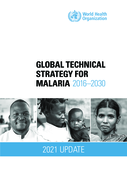
Global Technical Strategy for Malaria 2016–2030, 2021 Update
Pedro Alonso, Kevin Baird, David Brandling-Bennett et al.
World Health Organization (WHO)
(2022)
C_WHO
This updated version, endorsed by the World Health Assembly in May 2021 through resolution WHA74.9, reflects lessons learned in the global malaria response over the last 5 years. While the milestones and targets remain the same, the approaches to ta
...
ckling the disease, in some areas, have evolved to keep pace with the changing malaria landscape.
more
Application of a One Health approach .
The present guidance was developed with the support of the WHO Advisory Group on Integrated Surveillance of Antimicrobial Resistance (AGISAR) to assist countries and other stakeholders in the establishment
...
and development of programmes of integrated surveillance of antimicrobial resistance in the foodborne bacteria (i.e., bacteria commonly transmitted by food) by taking a One Health approach.
more

More than 700 000 people lose their life to suicide every year. The world is not on track to reach the 2030 suicide reduction targets. WHO advocates for countries to take action to prevent suicide, ideally through a comprehensive national suicide prevention strategy. Governments
...
and communities can contribute to suicide prevention by implementing LIVE LIFE – WHO’s approach to starting suicide prevention so that countries can build on it further to develop a comprehensive national suicide prevention strategy. The guide is for all countries, with or without a national suicide prevention strategy; national or local focal points for suicide prevention, mental health, alcohol or NCDs; and community stakeholders with a vested interest or who may already be engaged in implementing suicide prevention activities.
Excecutive Summary available in English, French, Arabic, Chinese, Russian and Spanisch here:
more
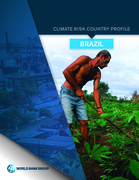
This profile is part of a series of Climate Risk Country Profiles developed by the World Bank Group (WBG). The country profile
synthesizes most relevant data and information on climate change, disaster risk reduction,
...
and adaptation actions and policies
at the country level. The country profile series are designed as a quick reference source for development practitioners to better
integrate climate resilience in development planning and policy making.
more
Getting on track to end AIDS as a public health threat by 2030. This new Road Map charts a way forward for country-level actions to achieve an ambitious set of HIV prevention targets by 2025. Those targets emerged from the 2021 Political Declaration on HIV
...
and AIDS, which the United Nations General Assembly adopted in June 2021 and they are underpinned by the Global AIDS Strategy (2021–2026). The Strategy sets out the principles, approaches, priority action area and programmatic targets for the global HIV response
more

The World Health Organization (WHO) is releasing the second edition of its Global Accelerated Action for the Health of Adolescents (AA-HA!) guidance. The document aims to equip governments to respond to the health and well-being challenges, opportun
...
ities and needs of adolescents.
The guidance provides the latest available data on adolescent health and well-being. It also outlines an updated list of core indicators that data should be collected on. Globally, road injury was the top cause of death for adolescent males in 2019. Among female adolescents, the leading causes of death were diarrhoeal diseases among the younger group (10-14 years) and tuberculosis (TB) in the older group (15-19 years).
Over the last 20 years, mortality rates have declined among adolescents globally, with the largest decline in older (15–19 years) adolescent girls. For non-fatal diseases, the burden has not improved over the past two decades, with the main causes of ill health in this category being: mental health conditions (depressive and anxiety disorders, childhood behavioural disorders), iron deficiency anaemia, skin diseases and migraine.
Adolescent well-being depends on a range of factors, including healthy food, education, life skills and employability, connectedness, feeling valued by society, safe and supportive environments, resilience, and the freedom to make choices. To take an appropriately holistic approach, the guidance outlines how to take crosscutting action to support adolescent health and well-being, with mutually reinforcing interventions across sectors, such as health, education, social protection, and telecommunications. Targeted efforts are also required to engage adolescents, as they trust health systems less than adults do and are especially vulnerable to modern-day trends, like online bullying and gaming.
more

Ethical considerations for use of unregistered interventions for Ebola viral disease
World Health Organization
(2014)
West Africa is experiencing the largest, most severe, most complex outbreak of Ebola virus disease in history. On 11 August 2014, WHO convened a consultation where the participants concluded that in the particular context of the current Ebola outbreak in West Africa, it is ethically acceptable to of
...
fer unproven interventions that have shown promising results in the laboratory and in animal models but have not yet been evaluat-
ed for safety and efficacy in humans as potential treatment or prevention
more
This guidance document is designed to ensure that the process of iteratively managing the health risks of climate change is integrated into the overall National Adaptation Planning (NAP) process, including through assessing risks; identifying, prioritizing,
...
and implementing adaptation options; and monitoring and evaluating the adaptation process.
more

The report focuses on antibacterial resistance (ABR) in common bacterial pathogens. There is a major gap in knowledge about the magnitude of this problem. Antimicrobial resistance (AMR) threatens the effective revention and treatment of an ever-incr
...
easing range of infections caused by bacteria, parasites, viruses and fungi. This WHO report, produced in collaboration with Member States and other partners, provides for the first time, as accurate a picture as is presently possible of the magnitude of AMR and the current state of surveillance globally. It examines the information on AMR, in particular antibacterial resistance (ABR), at country level worldwide.
more
At the World Humanitarian Summit in Istanbul in May 2016, leaders made over 3,700 commitments to advance the Agenda for Humanity. In their first self-reports against these commitments, 142 stakeholders described the efforts they made from June to December 2016 to realize this ambitious vision.
The
...
2017 annual synthesis report on progress provides a summary of their collective achievements around the 5 Core Responsibilities and 24 Transformations of the Agenda for Humanity.
Executive summary in
English: https://www.agendaforhumanity.org/sites/default/files/asr/2017/Nov/No%20time%20to%20retreat%20Executive%20Summary_NEW_web_nov27.pdf;
French: https://www.agendaforhumanity.org/sites/default/files/asr/2018/Jan/No%20time%20to%20retreat_Executive%20summary_FRENCH_Final_web.pdf
Spanish: https://www.agendaforhumanity.org/sites/default/files/asr/2018/Jan/No%20time%20to%20retreat_Executive%20summary_Spanish_final_web.pdf more
English: https://www.agendaforhumanity.org/sites/default/files/asr/2017/Nov/No%20time%20to%20retreat%20Executive%20Summary_NEW_web_nov27.pdf;
French: https://www.agendaforhumanity.org/sites/default/files/asr/2018/Jan/No%20time%20to%20retreat_Executive%20summary_FRENCH_Final_web.pdf
Spanish: https://www.agendaforhumanity.org/sites/default/files/asr/2018/Jan/No%20time%20to%20retreat_Executive%20summary_Spanish_final_web.pdf more
This document provides guidance for countries on how to implement activities to achieve the interruption of yaws transmission. It is intended for use by national yaws eradication programmes, partners involved in the implementation of yaws eradication activities
...
and WHO technical staff who provide technical support to countries in the eradication of yaws.
more
This report found that fewer than 15 percent of more than 3,000 school-age asylum-seeking children on the islands were enrolled in public school at the end of the 2017-2018 school year, and that in government-run camps on the islands, only about 100
...
children, all preschoolers, had access to formal education. The asylum-seeking children on the islands are denied the educational opportunities they would have on the mainland. Most of those who were able to go to school had been allowed to leave the government-run camps for housing run by local authorities and volunteers
more
Recent increases in family planning (FP) use have been reported among women of reproductive age in union (WRAU) in Senegal. However, trends have not been monitored among harder-to-reach groups (including adolescents, unmarried and rural poor women),
...
key to understanding whether FP progress is equitable. We combined data from six Demographic and Health Surveys conducted in Senegal between 1992/93 and 2014. We examined FP trends over time among WRAU and subgroups, and trends in knowledge of FP and intention to use among women with unmet need for FP. Our results show that percent demand satisfied is lower among rural poor women and adolescents than WRAU, although higher among unmarried women. Marked recent increases have been observed in all subgroups, however fewer than 50% of women in need of FP use modern contraception in Senegal. Knowledge of FP has risen steadily among women with unmet need; however, intention to use FP has remained stable at around 40% since 2005 for all groups except unmarried women (75% of whom intend to use). Significant progress in meeting the need for FP has been achieved in Senegal, but more needs to be done particularly to improve acceptability of FP, and to strategically target interventions toward adolescents and rural poor women.
more
