Filter
347
Text search:
key
informant
method
Featured
32
131
Language
Document type
226
73
24
13
7
2
1
1
Countries
22
18
14
13
12
12
11
10
8
8
8
8
8
8
7
7
6
6
6
5
4
4
4
4
4
4
3
3
3
2
2
2
2
2
2
2
2
2
2
2
2
2
2
2
1
1
1
1
1
1
1
1
1
1
1
1
1
1
1
1
1
1
1
1
1
1
1
1
1
Authors & Publishers
Publication Years
Category
162
48
19
17
8
6
Toolboxes
37
23
22
14
14
9
8
7
7
5
5
5
5
4
4
4
3
3
2
1
1
1
1
1
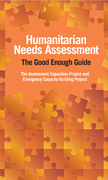
Needs assessment is essential for programme planning, monitoring and evaluation, and accountability, however needs assessment is still a critical weakness of humanitarian response. Organisations need to improve how they do assessments. The Assessment Capacities Project (ACAPS) and the Emergency Capa
...
Core Knowledge for Emergency Preparedness and Response
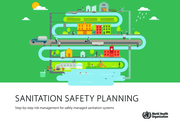
Manual for step-by-step risk management for safely managed sanitation systems. 2nd edition.
This Sanitation safety planning (SSP) manual provides practical, step-by-step guidance to assist in the implementation of the 2018 World Health Organization (WHO) Guidelines on sanitation and health and the
...
Lancet Glob Health 2015; 3: e396–409. Open Access
This is the first guidance note in a four-part series of notes produced by InterAction to support management,
program and M&E staff in international NGOs to plan, design, manage, conduct and use impact evaluations. This first guidance note, Introduction to Impact Evaluation, provides an overview of
...

Operational guidance for managing programme quality.
These guidelines are about implementing the programme-quality standards of the Core Humanitarian Standard in limited access humanitarian response. They have been developed using approaches and tools tested by Oxfam, other INGOs and the UN in Afgh
...

District Level M & E Training and Reference Material for Primary Health Care Programmes
A survival guide for clinicans.
3rd edition.