
Filter
3019
Text search:
physical
violence
Featured
284
813
Language
2935
83
64
47
39
18
16
16
9
8
8
8
8
7
6
5
5
5
5
5
4
4
4
4
4
4
4
4
3
3
3
3
3
3
3
3
3
3
3
3
3
3
2
2
2
2
2
2
2
2
2
2
1
1
1
1
1
1
1
1
1
1
1
1
1
1
1
1
Document type
1741
521
289
163
127
62
60
28
12
4
4
3
1
Countries
137
104
98
80
75
64
63
56
56
56
55
54
53
49
49
48
45
39
39
36
36
35
32
26
23
21
21
21
21
20
20
20
19
19
17
16
15
15
15
15
14
14
13
12
12
12
12
12
11
10
10
10
9
8
8
7
7
7
7
7
7
7
7
6
6
6
5
5
5
4
4
4
4
3
3
3
3
3
3
3
3
3
3
3
3
3
3
2
2
2
2
2
2
2
2
2
2
2
2
2
2
1
1
1
1
1
1
1
1
1
1
1
1
1
1
1
1
1
1
1
1
1
1
1
1
1
1
1
1
Authors & Publishers
306
93
83
74
52
52
51
50
50
43
39
29
27
26
25
24
24
21
21
19
17
16
16
16
16
16
15
15
15
12
12
12
12
12
11
11
10
10
10
10
10
10
9
9
9
9
9
9
9
9
9
9
9
8
8
8
8
8
8
7
7
7
7
7
7
7
7
7
7
6
6
6
6
6
6
6
6
6
6
6
6
6
5
5
5
5
5
5
5
5
5
5
5
5
5
5
5
5
5
5
5
4
4
4
4
4
4
4
4
4
4
4
4
4
4
4
4
4
4
4
4
4
4
4
4
4
4
4
4
4
4
4
4
4
4
4
4
4
4
4
4
4
4
4
4
4
3
3
3
3
3
3
3
3
3
3
3
3
3
3
3
3
3
3
3
3
3
3
3
3
3
3
3
3
3
3
3
3
3
3
3
3
3
3
3
3
3
3
3
3
3
3
3
3
3
3
3
3
3
3
3
3
3
3
2
2
2
2
2
2
2
2
2
2
2
2
2
2
2
2
2
2
2
2
2
2
2
2
2
2
2
2
2
2
2
2
2
2
2
2
2
2
2
2
2
2
2
2
2
2
2
2
2
2
2
2
2
2
2
2
2
2
2
2
2
2
2
2
2
2
2
2
2
2
2
2
2
2
2
2
2
2
2
2
2
2
2
2
2
2
2
2
2
2
2
2
2
2
2
2
2
2
2
2
2
2
2
2
2
2
2
2
2
2
2
2
2
2
2
2
2
2
2
2
2
2
2
2
2
2
2
2
2
2
2
2
2
2
2
2
2
2
2
2
2
2
2
2
2
2
2
2
2
2
2
2
2
2
2
2
2
2
2
2
2
2
2
2
2
2
2
2
2
2
2
2
2
2
2
2
2
2
2
2
2
2
2
2
2
2
2
1
1
1
1
1
1
1
1
1
1
1
1
1
1
1
1
1
1
1
1
1
1
1
1
1
1
1
1
1
1
1
1
1
1
1
1
1
1
1
1
1
1
1
1
1
1
1
1
1
1
1
1
1
1
1
1
1
1
1
1
1
1
1
1
1
1
1
1
1
1
1
1
1
1
1
1
1
1
1
1
1
1
1
1
1
1
1
1
1
1
1
1
1
1
1
1
1
1
1
1
1
1
1
1
1
1
1
1
1
1
1
1
1
1
1
1
1
1
1
1
1
1
1
1
1
1
1
1
1
1
1
1
1
1
1
1
1
1
1
1
1
1
1
1
1
1
1
1
1
1
1
1
1
1
1
1
1
1
1
1
1
1
1
1
1
1
1
1
1
1
1
1
1
1
1
1
1
1
1
1
1
1
1
1
1
1
1
1
1
1
1
1
1
1
1
1
1
1
1
1
1
1
1
1
1
1
1
1
1
1
1
1
1
1
1
1
1
1
1
1
1
1
1
1
1
1
1
1
1
1
1
1
1
1
1
1
1
1
1
1
1
1
1
1
1
1
1
1
1
1
1
1
1
1
1
1
1
1
1
1
1
1
1
1
1
1
1
1
1
1
1
1
1
1
1
1
1
1
1
1
1
1
1
1
1
1
1
1
1
1
1
1
1
1
1
1
1
1
1
1
1
1
1
1
1
1
1
1
1
1
1
1
1
1
1
1
1
1
1
1
1
1
1
1
1
1
1
1
1
1
1
1
1
1
1
1
1
1
1
1
1
1
1
1
1
1
1
1
1
1
1
1
1
1
1
1
1
1
1
1
1
1
1
1
1
1
1
1
1
1
1
1
1
1
1
1
1
1
1
1
1
1
1
1
1
1
1
1
1
1
1
1
1
1
1
1
1
1
1
1
1
1
1
1
1
1
1
1
1
1
1
1
1
1
1
1
1
1
1
1
1
1
1
1
1
1
1
1
1
1
1
1
1
1
1
1
1
1
1
1
1
1
1
1
1
1
1
1
1
1
1
1
1
1
1
1
1
1
1
1
1
1
1
1
1
1
1
1
1
1
1
1
1
1
1
1
1
1
1
1
1
1
1
1
1
1
1
1
1
1
1
1
1
1
1
1
1
1
1
1
1
1
1
1
1
1
1
1
1
1
1
1
1
1
1
1
1
1
1
1
1
1
1
1
1
1
1
1
1
1
1
1
1
1
1
1
1
1
1
1
1
1
1
1
1
1
1
1
1
1
1
1
1
1
1
1
1
1
1
1
1
1
1
1
1
1
1
1
1
1
1
1
1
1
1
1
1
1
1
1
1
1
1
1
1
1
1
1
1
1
1
1
1
1
1
1
1
1
1
1
1
1
1
1
1
1
1
1
1
1
1
1
1
1
1
1
1
1
1
1
1
1
1
1
1
1
1
1
1
1
1
1
1
1
1
1
1
1
1
1
1
1
1
1
1
1
1
1
1
1
1
1
1
1
1
1
1
1
1
1
1
1
1
1
1
1
1
1
1
1
1
1
1
1
1
1
1
1
1
1
1
1
1
1
1
1
1
1
1
1
1
1
1
1
1
1
1
1
1
1
1
1
1
1
1
1
1
1
1
1
1
1
1
1
1
1
1
1
1
1
1
1
1
1
1
1
1
1
1
1
1
1
1
1
1
1
1
1
1
1
1
1
1
1
1
1
1
1
1
1
1
1
1
1
1
1
1
1
1
1
1
1
1
1
1
1
1
1
1
1
1
1
1
1
1
1
1
1
1
1
1
1
1
1
1
1
1
1
1
1
1
1
1
1
1
1
1
1
1
1
1
1
1
1
1
1
1
1
1
1
1
1
1
1
1
1
1
1
1
1
1
1
1
1
1
1
1
1
1
1
1
1
1
1
1
1
1
1
1
1
1
1
1
1
1
1
1
1
1
1
1
1
1
1
1
1
1
1
1
1
1
1
1
1
1
1
1
1
1
1
1
1
1
1
1
1
1
1
1
1
1
1
1
1
1
1
1
1
1
1
1
1
1
1
1
1
1
1
1
1
1
1
1
1
1
1
1
1
1
1
1
1
1
1
1
1
1
1
1
1
1
1
1
1
1
1
1
1
1
1
1
1
1
1
1
1
1
1
1
1
1
1
1
1
1
1
1
1
1
1
1
1
1
1
1
1
1
1
1
1
1
1
1
1
1
1
1
1
1
1
1
1
1
1
1
1
1
1
1
1
1
1
1
1
1
1
1
1
1
1
1
1
1
1
1
1
1
1
1
1
1
1
1
1
1
1
1
1
1
1
1
1
1
1
1
1
1
1
1
1
1
1
1
1
1
1
1
1
1
1
1
1
1
1
1
1
1
1
1
1
1
1
1
1
1
1
1
1
1
1
1
1
1
1
1
1
1
1
1
1
1
1
1
1
1
1
1
1
1
1
1
1
1
1
1
1
1
1
1
1
1
1
1
1
1
1
1
1
1
1
1
1
1
1
1
1
1
1
1
1
1
1
1
1
1
1
1
1
1
1
1
1
1
1
1
1
1
1
1
1
1
1
1
1
1
1
1
1
1
1
1
1
1
1
1
1
1
1
1
1
1
1
1
1
1
1
1
1
1
1
1
1
1
1
1
1
1
1
1
1
1
1
1
1
1
1
1
1
1
1
1
1
1
1
1
1
1
1
1
1
1
1
1
1
1
1
1
1
1
1
1
1
1
1
1
1
1
1
1
1
1
1
1
1
1
1
1
1
1
1
1
1
1
1
1
1
1
1
1
1
1
1
1
1
1
1
1
1
1
1
1
1
1
1
1
1
1
1
1
1
1
1
1
1
1
1
1
1
1
1
1
1
1
1
1
1
1
1
1
1
1
1
1
1
1
1
1
1
1
1
1
1
1
1
1
1
1
1
1
1
1
1
1
1
1
1
1
1
1
1
1
1
1
1
1
1
1
1
1
1
1
1
1
1
1
1
1
1
1
1
1
1
1
1
1
1
1
1
1
1
1
1
1
1
1
1
1
1
1
1
1
1
1
1
1
1
1
1
1
1
1
1
1
1
1
1
1
1
1
1
1
1
1
1
1
1
1
1
1
1
1
1
1
1
1
1
1
1
1
1
1
1
1
1
1
1
1
1
1
1
1
1
1
1
1
1
1
1
1
1
1
1
1
1
1
1
1
1
1
1
1
1
1
1
1
1
1
1
1
1
1
1
1
1
1
1
1
1
1
1
1
1
1
1
1
1
1
1
1
1
1
1
1
1
1
1
1
1
1
1
1
1
1
1
1
1
1
1
1
1
1
1
1
1
1
1
1
1
1
1
1
1
1
1
1
1
1
1
1
1
1
1
1
1
1
1
1
1
1
1
1
1
1
1
1
1
1
1
1
1
1
1
1
1
1
1
1
1
1
1
1
1
1
1
1
1
1
1
1
1
1
1
1
1
1
1
1
1
1
1
1
1
1
1
1
1
1
1
1
1
1
1
1
1
1
1
1
1
1
1
1
1
1
1
1
1
1
1
1
1
1
1
1
1
1
1
1
1
1
1
1
1
1
1
1
1
1
1
1
1
1
1
1
1
1
1
1
1
1
1
1
1
1
1
1
1
1
1
1
1
1
1
1
1
1
1
1
1
1
1
1
1
1
1
1
1
1
1
1
1
1
1
1
1
1
1
1
1
1
1
1
1
1
1
1
1
1
1
1
1
1
1
1
1
1
1
1
1
1
1
1
1
1
1
1
1
1
1
1
1
1
1
1
1
1
1
1
1
1
1
1
1
1
1
1
1
1
1
1
1
1
1
1
1
1
1
1
1
1
1
1
1
1
1
1
1
1
1
1
1
1
1
1
1
1
1
1
1
1
1
1
1
1
1
1
1
1
1
1
1
1
1
1
1
1
1
1
1
1
1
1
1
1
1
1
1
1
1
1
1
1
1
1
1
1
1
1
1
1
1
1
1
1
1
1
1
1
1
1
1
1
1
1
1
1
1
1
1
1
1
1
1
1
1
1
1
1
1
1
1
1
1
1
1
1
1
1
1
1
1
1
1
1
1
1
1
1
1
1
1
1
1
1
1
1
1
1
1
1
1
1
1
1
1
1
1
1
1
1
1
1
1
1
1
1
1
1
1
1
1
1
1
1
1
1
1
1
1
1
1
1
1
1
1
1
1
1
1
1
1
1
1
1
1
1
1
1
1
1
1
1
1
1
1
1
1
1
1
1
1
1
1
1
1
1
1
1
1
1
1
1
1
1
1
1
1
1
1
1
1
1
1
1
1
1
1
1
1
1
1
1
1
1
1
1
1
1
1
1
1
1
1
1
1
1
1
1
1
1
1
1
1
1
1
1
1
1
1
1
1
1
1
1
1
1
1
1
1
1
1
1
1
1
1
1
1
1
1
1
1
1
1
1
1
1
1
1
1
1
1
1
1
1
1
1
1
1
1
1
1
1
1
1
1
1
1
1
1
1
1
1
1
1
1
1
1
1
1
1
1
1
1
1
1
1
1
1
1
1
1
1
1
1
1
1
1
1
1
1
1
1
1
1
1
1
1
Publication Years
1
923
1864
223
8
Category
1141
245
216
134
85
75
2
1
Toolboxes
492
302
244
206
159
127
80
62
61
54
46
28
23
18
16
16
16
15
11
3
3
3
3
2
2
1
1

The objectives of the research presented in this report were to identify case studies of community-led HIV-related health and social inclusion service delivery organizations in eastern and southern Africa; describe the typologies of the services provided; and identify evidence of their service deliv
...
ery and contribution beyond HIV, including advancing universal health coverage.
more

Addressing comorbidities and risk factors for tuberculosis (TB) is a crucial component of the World Health Organization (WHO)’s End TB Strategy. This WHO operational handbook on tuberculosis. Module 6: tuberculosis and comorbidities aims to support countries in scaling up people-centred care, base
...
d on the latest WHO recommendations on TB and key comorbidities, and drawing upon additional evidence, best practices and inputs from various experts and stakeholders obtained during WHO processes. It is intended for use by people working in ministries of health, particularly TB programmes and the relevant departments or programmes responsible for comorbidities and health-related risk factors for TB such as HIV, diabetes, undernutrition, substance use, and tobacco use, as well as programmes addressing mental health and lung health. This operational handbook is a living document and will include a separate section for each of the key TB comorbidities or health-related risk factors. The third edition includes guidance for HIV-associated TB, mental health conditions and diabetes, which are three conditions strongly associated with TB and which result in higher mortality, poorer TB treatment outcomes and negatively impact health-related quality of life. The operational handbook aims to facilitate early detection, proper assessment and adequate management of people affected by TB and comorbidities. Full implementation of this guidance is expected to have a significant impact on TB treatment outcomes and health-related quality of life for people affected by TB.
more

The development of the Country Cooperation Strategy (CCS) was based on a consultative and participatory process with strong commitment and support from the Ministry of Health of Ghana. The CCS draws on lessons from the implementation of the first, and second generation CCSs, the country focus strate
...
gy, and the United Nations Sustainable Development Cooperation Framework (2023–2025).
The strategic agenda of the CCS outlines three strategic priorities, which are:
1. improving universal access to essential health services through the primary health care approach.
2. health emergency preparedness and response: addressing gaps in IHR core capacities and strengthening national capacities to prevent, detect and respond appropriately to public health emergencies through a resilient health system.
3. addressing social, economic, and environmental determinants of health; promoting high-impact interventions to address public health risks using multisectoral approaches.
more

The South African WHO Country Cooperation Strategy (CCS) 2023–2027 focuses on four key strategic priorities based on the country’s health needs and disease epidemiology, while also considering the need for building resilient health systems for UHC and health security in the post pandemic period.
...
These include:
1. augment health systems strengthening reforms to accelerate progress towards universal health coverage.
2. address the quadruple burden of diseases and promote well-being across the life course in view of achieving global targets.
3. build health systems resilience and strengthen health emergency preparedness and response capacities.
4. enhance multisectoral collaboration and global partnerships for concerted action on health and its determinants.
In order to harness its expertise across its three levels, namely: the WHO Country Office (WCO), WHO Regional Office for Africa, and WHO headquarters, WHO will work closely and collaboratively with the Government of South Africa to implement the 2023–2027 strategic priorities.
more

This trainer toolkit is a guide for Neglected Tropical Diseases (NTD) program implementers in Nigeria to train primary health care health workers to diagnose and provide care for women and girls with symptoms of female genital schistosomiasis (FGS). It has been developed based on a pilot study in
...
Ogun State where 22 health facilities were trained on using the FGS tools. The trainer guide should be used alongside the ‘Health Worker Training Guide for managing FGS within primary health care’. Trainers should familiarise themselves with this manual before the training to ensure that all aspects of the training are conducted effectively.
more

This interim operational guide outlines infection prevention, control, and water, sanitation, and hygiene measures for home care and isolation of mpox in resource-limited settings. It focuses on practical strategies to manage and prevent the spread of the virus when persons with mpox are isolated at
...
home in settings with limited resources. This document is intended for health and care workers, caregivers, and public health authorities.
more

The protracted humanitarian situation in northeastern Nigeria, particularly in Borno, Adamawa, and Yobe (BAY) States, remains a concern due to ongoing insecurity, displacement, food insecurity, disease outbreaks, and climate-related shocks. To address these complex challenges, the health sector has
...
developed a comprehensive humanitarian response strategy aligned with the three States Development plans, Durable Solutions for the Population Displacement Plan, and the Humanitarian Need Response Plan for 2025. This strategy aims to reduce morbidity and mortality among crisisaffected populations by ensuring timely, equitable, and effective delivery of lifesaving health services, while strengthen the resilience of health system and enhancing local and national capacities for sustainable health response in protracted emergency.
Supported by an in-depth analysis of the ongoing health humanitarian response using the Strengths, Weaknesses, Opportunities, and Threats (SWOT) methodology, the strategy is guided by three key objectives:
1. Provide access to lifesaving interventions and sustain an effective response to the prolonged health emergency.
2. Prevent, mitigate, and prepare for health risks from all hazards and respond to all health emergencies.
3. Advance the primary health care approach and essential health system capacities for universal health coverage.
To achieve these objectives, the strategy employs the “Five C” framework which refers to:
• Collaborative Surveillance: Enhancing collaborative efforts for effective monitoring.
• Community Protection: Implementing community-based protection measures.
• Safe and Scalable Care: Ensuring care that is both secure and scalable.
• Access to Countermeasures: Facilitating access to necessary countermeasures.
• Emergency Coordination: Coordinating emergency responses efficiently.
These proactive approaches are designed to be more anticipatory and preemptive rather than reactive, aiming to meet the needs of the crisis-affected population by providing lifesaving interventions, enhancing preventive and anticipatory actions, and ensuring the resilience of the health system. All actions are guided by International Humanitarian Standards and the Humanitarian Principles.
The implementation of the health humanitarian response strategy will involve collaboration with local authorities, non-governmental organizations (NGOs), and international organizations. The strategy emphasizes localization and resource mobilization, efficient logistics and supply chain management, mainstreaming protection, and the deployment and training of healthcare workers. Continuous monitoring and periodic evaluation will ensure the effectiveness of the response. Cross-sector collaboration with sectors such as WASH, Nutrition, Education, and Protection will be crucial to enhance the quality and reach of health interventions. Additionally, sustainability and transition approaches will ensure long-term health outcomes and benefits, bridging the gap from humanitarian to development efforts.
By adopting this comprehensive approach, the humanitarian response in northeastern Nigeria, particularly in BAY States, can be effectively guided, ultimately reducing the suffering of affected populations.
more

The second edition of the Women and Trachoma: Achieving Gender Equity in the Implementation of SAFE manual provides an updated resource for realistically increasing, improving, and supporting gender representation within trachoma elimination efforts at all levels. From the trachoma workforce to the
...
patients, from trichiasis surgeons to schoolteachers, and from national to international managers and coordinators, the manual breaks down the various levels of trachoma elimination programming to highlight the areas where women and girls can have a greater impact in elimination effort
more
For this report, the Task Force commissioned
additional background papers on health taxes to
update the evidence, assess short-term revenue
potential, and understand the role of health taxes
in the current era of multiple crises. We find that
health taxes continue to be underutilized despite th
...
e
powerful impact they have in reducing preventable
death and disease — a particularly glaring act of
neglect in a world that has experienced a massive
pandemic.
more

There has never been a more critical moment to invest in WHO, and strengthen the unique role it plays in global health. Now is the time to sustainably finance WHO and invest in a healthy return for all.

This Implementation Kit (I-Kit), developed by the Health Communication Capacity Collaborative (HC3), helps national and local stakeholders to design country-specific social and behavioural change communication (SBCC) campaigns that address the threat posed by substandard, spurious, falsified and fal
...
sely labelled (SSFFC) malaria medicines. These poor-quality medicines endanger lives by failing to treat malaria effectively, undermine health systems, and contribute to drug resistance.
The I-Kit provides practical guidance and resources in six sections, including global examples, campaign design elements, media engagement strategies and tools for knowledge sharing. It is intended for health promotion officers, drug regulators, communication specialists and global health partners. Drawing heavily on experiences in Nigeria, the I-Kit promotes evidence-based, context-sensitive SBCC interventions to safeguard communities against SSFFC malaria medicines and enhance treatment outcomes.
more

The purpose of this guide is to provide updated clinical guidance on TB/HIV, with an emphasis on diagnostic aspects—including new techniques—as well as current treatment, while maintaining a public health approach. By compiling and consolidating the latest World Health Organization recommendatio
...
ns on the subject into a single guide, the aim is to create a reference and consultation document that is frequently used, and that unifies and standardizes the comprehensive management of TB/HIV co-infection in healthcare facilities based on the principle of “two diseases, one patient.” It also seeks to support the updating of national standards and guidelines on co-infection and to complement the coordinated work that must exist between TB and HIV prevention and control programs at all levels, within the framework of the twelve internationally recommended TB/HIV collaborative activities.
more
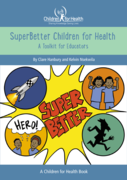
SuperBetter Children is a health and wellbeing curriculum designed to be integrated into school programmes or offered as an extracurricular activity.

Offering additional pre-exposure prophylaxis (PrEP) choices has the potential to increase uptake and effective use of PrEP, and of HIV prevention overall, as it allows people to choose a method that they prefer.
In this guideline, WHO recommends an offering long-acting injectable lenacapavir (LEN
...
) as an additional HIV prevention choice, as part of combination HIV prevention approaches. LEN, administered twice a year as PrEP, has been shown to be highly effective at reducing the risk of HIV acquisition. In this guideline, WHO also recommends using HIV rapid diagnostic tests (RDTs) for individuals initiating or continuing long-acting injectable PrEP, such as LEN and long acting injectable cabotegravir (CAB-LA). Flexible HIV testing approaches are essential for ensuring that testing does not become a barrier to accessing or continuing PrEP, including long-acting injectable options.
more

Guidelines on lenacapavir for HIV prevention and testing strategies for long-acting injectable pre-exposure prophylaxis. Web Annex B

This toolkit is a comprehensive set of practical tools and resources designed to support country-level risk communication and community engagement (RCCE) practitioners, decision-makers and partners to plan and implement readiness and response activities for Ebola disease outbreaks. The toolkit conta
...
ins: information about Ebola disease; RCCE considerations on how to approach key issues during Ebola disease outbreaks; tools for understanding the context in which Ebola disease outbreaks occur; methods for collecting data to inform strategy development and bring evidence into the planning and implementation of activities; guidance to support prevention and response interventions; and links to existing RCCE tools and training. It is one of a suite of toolkits on RCCE readiness and response to a range of disease and response areas.
more

This toolkit is a comprehensive set of practical tools and resources designed to support country-level risk communication and community engagement (RCCE) practitioners, decision-makers, and partners to plan and implement readiness and response activities for yellow fever outbreaks. The toolkit conta
...
ins: information about yellow fever; RCCE considerations for how to approach key issues during yellow fever outbreaks; tools for understanding the context in which yellow fever outbreaks occur; methods for collecting data to inform strategy development and bring evidence into planning and implementation of activities; guidance to support vector control and immunization campaigns; and links to existing RCCE tools and training. It is one of a suite of toolkits on RCCE readiness and response to a range of disease and response areas.
more

Breastfeeding is a cornerstone of healthy infant nutrition, development and survival. It is critical for countries* to improve breastfeeding rates in order to achieve global targets for newborn and child health and survival, as well as economic growth and environmental sustainability

Early Adolescent Skills for Emotions (EASE) is an evidence-based group psychological intervention to help 10–15-year-olds affected by internalizing problems (e.g. stress and symptoms of anxiety, depression) in communities exposed to adversity. Published by the World Health Organization (WHO) and U
...
nited Nations Children’s Fund (UNICEF), EASE aims to support adolescents and their caregivers with skills to reduce distress. The EASE training manual accompanies the EASE intervention manual and is designed to be used to train EASE helpers (those who deliver the EASE intervention to adolescents and caregivers) and EASE trainers/supervisors (those who will go on to train/supervise future EASE helpers).
more
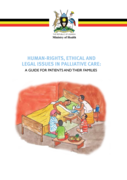
The guide helps patients to understand their rights in relation to the care received and provides insights into the common legal and
human rights issues they may encounter, and encourages them to share these with the health care provider for support. This booklet covers key issues that you mig
...
ht need to understand about ethical care, human rights and legal aspects. It aims to help people with serious illness as they face these issues, and give them guidance on how they can find solutions.
more
