
Filter
3083
Text search:
First
line
drug
management
Featured
355
978
Language
3027
49
39
33
20
13
11
6
3
3
3
2
2
2
1
1
1
1
1
1
1
1
1
1
1
Document type
1767
472
438
171
130
52
28
14
3
3
3
1
1
Countries
227
104
103
101
95
93
72
70
65
64
61
58
56
56
55
47
45
36
33
33
29
28
26
24
24
23
20
18
17
17
14
14
13
12
10
10
10
9
9
9
9
8
7
7
7
6
6
6
6
6
5
5
5
5
5
5
5
5
5
4
4
4
4
4
4
4
4
3
3
3
3
3
3
3
3
3
3
3
2
2
2
2
2
2
2
2
2
2
1
1
1
1
1
1
1
1
1
1
1
1
1
1
1
1
1
1
1
1
1
1
1
1
1
1
1
1
1
Authors & Publishers
435
165
85
76
69
56
51
39
35
33
27
26
26
20
20
20
19
18
16
15
15
15
14
13
13
13
13
13
13
13
11
11
11
11
11
11
10
10
10
10
9
9
9
9
9
9
8
8
8
8
8
8
8
8
8
8
7
7
7
7
7
7
7
7
6
6
6
6
6
6
6
6
6
6
6
6
6
6
6
6
6
6
5
5
5
5
5
5
5
5
5
5
5
5
5
5
5
5
4
4
4
4
4
4
4
4
4
4
4
4
4
4
4
4
4
4
4
4
4
4
4
4
4
4
4
4
4
4
4
4
4
3
3
3
3
3
3
3
3
3
3
3
3
3
3
3
3
3
3
3
3
3
3
3
3
3
3
3
3
3
3
3
3
3
3
3
3
3
3
3
3
3
3
3
3
3
3
3
3
3
3
3
3
3
3
3
3
2
2
2
2
2
2
2
2
2
2
2
2
2
2
2
2
2
2
2
2
2
2
2
2
2
2
2
2
2
2
2
2
2
2
2
2
2
2
2
2
2
2
2
2
2
2
2
2
2
2
2
2
2
2
2
2
2
2
2
2
2
2
2
2
2
2
2
2
2
2
2
2
2
2
2
2
2
2
2
2
2
2
2
2
2
2
2
2
2
2
2
2
2
2
2
2
2
2
2
2
2
2
2
2
2
2
2
2
2
2
2
2
2
2
2
2
2
2
2
2
2
2
2
2
2
2
2
2
2
2
2
2
2
2
2
2
2
2
2
2
2
2
2
2
2
2
2
2
2
2
2
2
2
2
2
2
2
2
2
2
2
2
2
2
2
2
2
2
1
1
1
1
1
1
1
1
1
1
1
1
1
1
1
1
1
1
1
1
1
1
1
1
1
1
1
1
1
1
1
1
1
1
1
1
1
1
1
1
1
1
1
1
1
1
1
1
1
1
1
1
1
1
1
1
1
1
1
1
1
1
1
1
1
1
1
1
1
1
1
1
1
1
1
1
1
1
1
1
1
1
1
1
1
1
1
1
1
1
1
1
1
1
1
1
1
1
1
1
1
1
1
1
1
1
1
1
1
1
1
1
1
1
1
1
1
1
1
1
1
1
1
1
1
1
1
1
1
1
1
1
1
1
1
1
1
1
1
1
1
1
1
1
1
1
1
1
1
1
1
1
1
1
1
1
1
1
1
1
1
1
1
1
1
1
1
1
1
1
1
1
1
1
1
1
1
1
1
1
1
1
1
1
1
1
1
1
1
1
1
1
1
1
1
1
1
1
1
1
1
1
1
1
1
1
1
1
1
1
1
1
1
1
1
1
1
1
1
1
1
1
1
1
1
1
1
1
1
1
1
1
1
1
1
1
1
1
1
1
1
1
1
1
1
1
1
1
1
1
1
1
1
1
1
1
1
1
1
1
1
1
1
1
1
1
1
1
1
1
1
1
1
1
1
1
1
1
1
1
1
1
1
1
1
1
1
1
1
1
1
1
1
1
1
1
1
1
1
1
1
1
1
1
1
1
1
1
1
1
1
1
1
1
1
1
1
1
1
1
1
1
1
1
1
1
1
1
1
1
1
1
1
1
1
1
1
1
1
1
1
1
1
1
1
1
1
1
1
1
1
1
1
1
1
1
1
1
1
1
1
1
1
1
1
1
1
1
1
1
1
1
1
1
1
1
1
1
1
1
1
1
1
1
1
1
1
1
1
1
1
1
1
1
1
1
1
1
1
1
1
1
1
1
1
1
1
1
1
1
1
1
1
1
1
1
1
1
1
1
1
1
1
1
1
1
1
1
1
1
1
1
1
1
1
1
1
1
1
1
1
1
1
1
1
1
1
1
1
1
1
1
1
1
1
1
1
1
1
1
1
1
1
1
1
1
1
1
1
1
1
1
1
1
1
1
1
1
1
1
1
1
1
1
1
1
1
1
1
1
1
1
1
1
1
1
1
1
1
1
1
1
1
1
1
1
1
1
1
1
1
1
1
1
1
1
1
1
1
1
1
1
1
1
1
1
1
1
1
1
1
1
1
1
1
1
1
1
1
1
1
1
1
1
1
1
1
1
1
1
1
1
1
1
1
1
1
1
1
1
1
1
1
1
1
1
1
1
1
1
1
1
1
1
1
1
1
1
1
1
1
1
1
1
1
1
1
1
1
1
1
1
1
1
1
1
1
1
1
1
1
1
1
1
1
1
1
1
1
1
1
1
1
1
1
1
1
1
1
1
1
1
1
1
1
1
1
1
1
1
1
1
1
1
1
1
1
1
1
1
1
1
1
1
1
1
1
1
1
1
1
1
1
1
1
1
1
1
1
1
1
1
1
1
1
1
1
1
1
1
1
1
1
1
1
1
1
1
1
1
1
1
1
1
1
1
1
1
1
1
1
1
1
1
1
1
1
1
1
1
1
1
1
1
1
1
1
1
1
1
1
1
1
1
1
1
1
1
1
1
1
1
1
1
1
1
1
1
1
1
1
1
1
1
1
1
1
1
1
1
1
1
1
1
1
1
1
1
1
1
1
1
1
1
1
1
1
1
1
1
1
1
1
1
1
1
1
1
1
1
1
1
1
1
1
1
1
1
1
1
1
1
1
1
1
1
1
1
1
1
1
1
1
1
1
1
1
1
1
1
1
1
1
1
1
1
1
1
1
1
1
1
1
1
1
1
1
1
1
1
1
1
1
1
1
1
1
1
1
1
1
1
1
1
1
1
1
1
1
1
1
1
1
1
1
1
1
1
1
1
1
1
1
1
1
1
1
1
1
1
1
1
1
1
1
1
1
1
1
1
1
1
1
1
1
1
1
1
1
1
1
1
1
1
1
1
1
1
1
1
1
1
1
1
1
1
1
1
1
1
1
1
1
1
1
1
1
1
1
1
1
1
1
1
1
1
1
1
1
1
1
1
1
1
1
1
1
1
1
1
1
1
1
1
1
1
1
1
1
1
1
1
1
1
1
1
1
1
1
1
1
1
1
1
1
1
1
1
1
1
1
1
1
1
1
1
1
1
1
1
1
1
1
1
1
1
1
1
1
1
1
1
1
1
1
1
1
1
1
1
1
1
1
1
1
1
1
1
1
1
1
1
1
1
1
1
1
1
1
1
1
1
1
1
1
1
1
1
1
1
1
1
1
1
1
1
1
1
1
1
1
1
1
1
1
1
1
1
1
1
1
1
1
1
1
1
1
1
1
1
1
1
1
1
1
1
1
1
1
1
1
1
1
1
1
1
1
1
1
1
1
1
1
1
1
1
1
1
1
1
1
1
1
1
1
1
1
1
1
1
1
1
1
1
1
1
1
1
1
1
1
1
1
1
1
1
1
1
1
1
1
1
1
1
1
1
1
1
1
1
1
1
1
1
1
1
1
1
1
1
1
1
1
1
1
1
1
1
1
1
1
1
1
1
1
1
1
1
1
1
1
1
1
1
1
1
1
1
1
1
1
1
1
1
1
1
1
1
1
1
1
1
1
1
1
1
1
1
1
1
1
1
1
1
1
1
1
1
1
1
1
1
1
1
1
1
1
1
1
1
1
1
1
1
1
1
1
1
1
1
1
1
1
1
1
1
1
1
1
1
1
1
1
1
1
1
1
1
1
1
1
1
1
1
1
1
1
1
1
1
1
1
1
1
1
1
1
1
1
1
1
1
1
1
1
1
1
1
1
1
1
1
1
1
1
1
1
1
1
1
1
1
1
1
1
1
1
1
1
1
1
1
1
1
1
1
1
1
1
1
1
1
1
1
1
1
1
1
1
1
1
1
1
1
1
1
1
1
1
1
1
1
1
1
1
1
1
1
1
1
1
1
1
1
1
1
1
1
1
1
1
1
1
1
1
1
1
1
1
1
1
1
1
1
1
1
1
1
1
1
1
1
1
1
1
1
1
1
1
1
1
1
1
1
1
1
1
1
1
1
1
1
1
1
1
1
1
1
1
1
1
1
1
1
1
1
1
1
1
1
1
1
1
1
1
1
1
1
1
1
1
1
1
1
1
1
1
1
1
1
1
1
1
1
1
1
1
1
1
1
1
1
1
1
1
1
1
1
1
1
1
1
1
1
1
1
1
1
1
1
1
1
1
1
1
1
1
1
1
1
1
1
1
1
1
1
1
1
1
1
1
1
1
1
1
1
1
1
1
1
1
1
1
1
1
1
1
1
1
1
1
1
1
1
1
1
1
1
1
1
1
1
1
1
1
1
1
1
1
1
1
1
1
1
1
1
1
1
1
1
1
1
1
1
1
1
1
1
1
1
1
1
1
1
1
1
1
1
1
1
1
1
1
1
1
1
1
1
1
1
1
1
1
1
1
1
1
1
1
1
1
1
1
1
1
1
1
1
1
1
1
1
1
1
1
1
1
1
1
1
1
1
1
1
1
1
1
1
1
1
1
1
1
1
1
1
1
1
1
1
1
1
1
1
1
1
1
1
1
1
1
1
1
1
1
1
1
1
1
1
1
1
1
1
1
1
1
1
1
1
1
1
1
1
1
1
1
1
1
1
1
1
1
1
1
1
1
1
1
1
1
1
1
1
1
1
1
1
1
1
1
1
1
1
1
1
1
1
1
1
1
1
1
1
1
1
1
1
1
1
1
1
1
1
1
1
1
1
1
1
1
1
1
1
1
1
1
1
1
1
1
1
1
1
1
1
1
1
1
1
1
1
1
1
1
1
1
1
1
1
1
1
1
1
1
1
1
1
1
1
1
1
1
1
1
1
1
1
1
1
1
1
1
1
1
1
1
1
1
1
1
1
1
1
1
1
1
1
1
1
1
1
1
1
1
1
1
1
1
1
1
1
1
1
1
1
1
1
1
1
1
1
1
1
1
1
1
1
1
1
1
1
1
1
1
1
1
1
1
1
1
1
1
1
1
1
1
1
1
1
1
1
1
1
1
1
1
1
1
1
1
1
1
1
1
1
1
1
1
1
1
1
1
1
1
1
1
1
1
1
1
1
1
1
1
1
1
1
1
1
1
1
1
1
1
1
1
1
1
1
1
1
1
1
1
1
1
1
1
1
1
1
1
1
1
1
1
1
1
1
1
1
1
1
1
1
1
1
1
1
1
1
1
1
1
1
1
1
1
1
1
1
1
1
1
1
1
1
1
1
1
1
1
1
1
1
1
1
1
1
1
1
1
1
1
1
1
1
1
1
1
1
1
1
1
1
1
1
1
1
1
1
1
1
1
1
1
1
1
1
1
1
1
1
1
1
1
1
1
1
1
Publication Years
716
2015
337
14
1
Category
1428
302
163
145
99
54
39
Toolboxes
340
245
181
135
116
98
93
71
69
62
44
42
36
27
27
27
27
26
24
19
17
15
8
8
4

People with mental disorders in low-income countries are at risk of being left behind during efforts to expand universal health coverage. Aim is to propose context-relevant strategies for moving towards universal health coverage for people with mental disorders in Ethiopia.
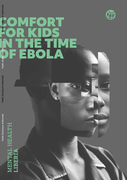
The 2014-2015 outbreak of Ebola virus disease (EVD) in Liberia resulted in over 10,000 cases and 5,000 deaths. Recognizing the importance of addressing children’s trauma, the Ebola recovery and restoration trust fund (EERTF) funded the implementation of a Comfort for kids (C4K) program which encou
...
rages psychological healing, and promotes resilience in children who have experienced a crisis or disaster. The C4K program in Liberia was implemented between January 2015 and December 2016 in fifteen townships in Montserrado County through a collaboration between Mercy Corps Liberia, the World Bank’s Liberian health task team, and the government of Liberia. C4K primarily centers on the My Story workbook and associated classroom activities, which provide children with the opportunity to express their emotions about their experiences through drawing, writing, and facilitated discussion. C4K also provides capacity building for parents, teachers, and other caretakers on how to identify and more effectively respond to children’s trauma responses and to support their recovery
more
Lancet Psychiatry 2016;3: 415–24
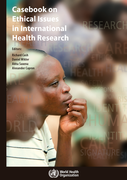
This casebook collects 64 case studies, each of which raises an important and difficult ethical issue connected with planning, reviewing, or conducting health-related research. The book’s purpose is to contribute to thoughtful analysis of these issues by researchers and members of research ethics
...
committees (RECs, known in some places as ethical review committees or institutional review boards), particularly those involved with studies that are conducted or sponsored internationally.
more
For Strengthening Mental Health In Cultural-Linguistic Communities Projects
Philanthropic Power and Development. Who shapes the agenda?
Jens Martens and Karolin Seitz
Bischöfliches Hilfswerk MISEREOR, Brot für die Welt, Global Policy Forum
(2015)
C2
Financing Global Health 2018: Countries and Programs in Transition
Institute for Health Metrics and Evaluation (IHME)
Institute for Health Metrics and Evaluation (IHME)
(2019)
C2
This 10th edition of the Institute for Health Metrics and Evaluation’s annual Financing Global Health report provides the most up-to-date estimates of development assistance for health, domestic spending on health, health spending on two key infectious diseases – malaria and HIV/AIDS – and fut
...
ure scenarios of health spending. Several transitions in global health financing inform this report: the influence of economic development on the composition of health spending; the emergence of other sources of development assistance funds and initiatives; and the increased availability of disease-specific funding data for the global health community. For funders and policymakers with sights on achieving 2030 global health goals, these estimates are of critical importance. They can be used for identifying funding gaps, evaluating the allocation of scarce resources, and comparing funding across time and countries.
more
In Climate Change 2014: Impacts, Adaptation, and Vulnerability. Part A: Global and Sectoral Aspects. Contribution of Working Group II to the Fifth Assessment Report of the Intergovernmental Panel on Climate Change
Better Parenting Nigeria is a parenting education program whose goal is to see that families have the knowledge and skills needed to raise healthy, safe and resilient children. The program aims to ensure that:
The caregiver-child relationship is strengthened;
Caregiver capacity to understa
...
nd family needs and access resources and services is
increased; and
Caregiver capacity to protect children from all forms of harm and exploitation is
improved.
This Facilitator’s Manual is for the facilitator to use to support the community discussions, provide targeted messaging, and recommend suggestions for knowledge and experience sharing. It should be used hand-in-hand with the Community Discussion Guide.
more
This study complements the growing amount of research on the psychosocial impact of war on chil-dren in Sierra Leone by examining local perceptions of child mental health, formal and informal care systems, help-seeking behaviour and stigma
Yoder et al. Int J Ment Health Syst (2016) 10:48 DOI 10.11
...
86/s13033-016-0080-8
more
The core of the strategy is the goal for all patients to have better overall care, so that the numbers of deaths and cases of disability are reduced by 50% before 2030. For this to be achieved, four strategic aims will be pursued.
Empower and engage communities,
Ensure safe, effective trea
...
tment,
Strengthen health systems, and
Increase partnerships, coordination and resources Strong collaboration
more
This Rapid Gender Analysis provides preliminary information and observations on the different needs, capacities and coping strategies of Venezuelan migrant and refugee women, men, boys, and girls in Colombia. It seeks to understand how gender roles and relations have changed as a result of the crisi
...
s and share recommendations for how the humanitarian community can more effectively consider these changing dynamics to better meet the different needs of women, men, boys and girls of different ages, abilities and other contextually relevant forms of diversity. The refugee and migrant crisis in Colombia is characterized by gendered dynamics and has taken a significant toll on the health and welfare on all those affected, but particularly on women and girls. Refugee and migrant women and girls face profound vulnerabilities as they leave Venezuela and either cross Colombia or stay in various locations across the country; this is even more the case for those at increased risk, such as indigenous populations, adolescent girls, etc.
more
The seventh WHO Report on the global tobacco epidemic analyses national efforts to implement the most effective measures from the WHO Framework Convention on Tobacco Control (WHO FCTC) that are proven to reduce demand for tobacco.
The report showed that while only 23 countries have implemented ce
...
ssation support policies at the highest level, 116 more provide fully or partially cost-covered services in some or most health facilities, and another 32 offer services but do not cost-cover them, demonstrating a high level of public demand for support to quit.
Tobacco use has also declined proportionately in most countries, but population growth means the total number of people using tobacco has remained stubbornly high. Currently, there are an estimated 1.1 billion smokers, around 80% of whom live in low- and middle-income countries (LMICs).
more
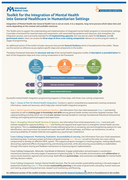
This Toolkit aims to support the understanding and implementation of integrated mental health programs in humanitarian settings. It provides a framework for essential steps and components, with associated key guidance and resources, that strengthen the integration process, and is primarily intended
...
for (1) implementing agencies, but may also be useful for (2) donors, and (3) government actors. Users can access the three steps & three cross cutting components relevant to current program needs, or stages of programming.
Accessed August 7, 2019
more

Palliative care for older people: better practices
Hall, S.; H. Petkova, A.D. Tsouros, et al.
World Health Organization WHO, Regional Office for Europe, et al.
(2011)
C_WHO
This publication aims to provide examples of better palliative care practices for older people to help those involved in planning and supporting care-oriented services most appropriately and effectively. Examples have been identifi ed from literature searches and from an international call
...
for examples through various organizations, including the European Association of Palliative Care and the European Union Geriatric Medicine Society. Some examples consider how to improve aspects within the whole health system; specifi c smaller examples consider how to improve palliative care education, support in the community, in hospitals or for specifi c groups of people, such as people in nursing homes and people with dementia and their families. Some examples await rigorous evaluation of effectiveness, and more research is needed in this fi eld, especially the cost–effectiveness and generalizability of these initiatives.
more
This publication describes an arduous campaign to tackle the use of antimicrobials - specifically antibiotics - in the Danish swine-producing sector thanks to the collaboration between the regulatory sector within the Ministry of Environment and Food, private veterinary practitioners and swine produ
...
cers. The document is a retrospective tribute to all those who had the foresight to make significant changes to ensure consumer protection - improving hygiene at primary sites, developing options for intervention, identifying sites for intervention, setting targets, restructuring the relationship between the veterinary services and farmers, and implementing changes in behaviour for greatest impact
more
