
Filter
3532
Text search:
limitations
Featured
308
863
Language
3377
162
71
33
30
27
18
13
8
7
7
6
6
6
5
5
5
5
5
5
4
4
4
4
4
4
4
4
4
3
3
3
2
2
2
2
1
1
1
1
1
1
1
1
1
1
1
1
1
1
1
1
1
1
Document type
1856
792
430
217
98
62
42
17
6
5
3
3
Countries
166
119
82
77
67
67
67
66
65
63
62
57
52
51
51
45
44
44
42
41
37
34
33
32
28
25
24
24
24
23
22
21
20
20
18
18
18
18
15
15
15
15
15
14
14
13
12
12
11
11
10
10
10
9
9
9
9
8
8
7
7
7
6
6
6
5
5
5
5
4
4
3
3
3
3
3
3
3
3
3
3
3
2
2
2
2
2
2
2
2
2
2
2
2
2
2
2
2
2
2
1
1
1
1
1
1
1
1
1
1
1
1
1
1
1
1
1
1
1
1
1
1
1
1
1
Authors & Publishers
524
152
139
89
72
50
49
38
34
30
28
21
20
18
18
16
16
16
15
15
15
15
13
13
13
12
12
12
12
12
12
11
11
11
10
10
10
10
9
9
9
8
8
8
8
8
8
7
7
7
7
7
7
7
7
7
7
7
7
7
7
7
7
7
7
6
6
6
6
6
6
6
6
6
6
6
6
6
6
6
6
6
5
5
5
5
5
5
5
5
5
5
5
5
5
5
5
5
5
5
5
5
5
5
5
5
4
4
4
4
4
4
4
4
4
4
4
4
4
4
4
4
4
4
4
4
4
4
4
4
4
4
4
4
4
4
3
3
3
3
3
3
3
3
3
3
3
3
3
3
3
3
3
3
3
3
3
3
3
3
3
3
3
3
3
3
3
3
3
3
3
3
3
3
3
3
3
3
3
3
3
3
3
3
3
3
3
3
3
3
3
3
3
3
3
2
2
2
2
2
2
2
2
2
2
2
2
2
2
2
2
2
2
2
2
2
2
2
2
2
2
2
2
2
2
2
2
2
2
2
2
2
2
2
2
2
2
2
2
2
2
2
2
2
2
2
2
2
2
2
2
2
2
2
2
2
2
2
2
2
2
2
2
2
2
2
2
2
2
2
2
2
2
2
2
2
2
2
2
2
2
2
2
2
2
2
2
2
2
2
2
2
2
2
2
2
2
2
2
2
2
2
2
2
2
2
2
2
2
2
2
2
2
2
2
2
2
2
2
2
2
2
2
2
2
2
2
2
2
2
2
2
2
2
2
2
2
2
2
2
2
2
2
2
2
2
2
2
2
2
2
2
2
2
2
2
2
2
2
2
2
2
2
2
2
2
2
2
2
2
2
2
2
2
2
2
2
2
2
2
2
2
2
2
2
2
2
2
2
2
2
2
2
2
2
2
2
1
1
1
1
1
1
1
1
1
1
1
1
1
1
1
1
1
1
1
1
1
1
1
1
1
1
1
1
1
1
1
1
1
1
1
1
1
1
1
1
1
1
1
1
1
1
1
1
1
1
1
1
1
1
1
1
1
1
1
1
1
1
1
1
1
1
1
1
1
1
1
1
1
1
1
1
1
1
1
1
1
1
1
1
1
1
1
1
1
1
1
1
1
1
1
1
1
1
1
1
1
1
1
1
1
1
1
1
1
1
1
1
1
1
1
1
1
1
1
1
1
1
1
1
1
1
1
1
1
1
1
1
1
1
1
1
1
1
1
1
1
1
1
1
1
1
1
1
1
1
1
1
1
1
1
1
1
1
1
1
1
1
1
1
1
1
1
1
1
1
1
1
1
1
1
1
1
1
1
1
1
1
1
1
1
1
1
1
1
1
1
1
1
1
1
1
1
1
1
1
1
1
1
1
1
1
1
1
1
1
1
1
1
1
1
1
1
1
1
1
1
1
1
1
1
1
1
1
1
1
1
1
1
1
1
1
1
1
1
1
1
1
1
1
1
1
1
1
1
1
1
1
1
1
1
1
1
1
1
1
1
1
1
1
1
1
1
1
1
1
1
1
1
1
1
1
1
1
1
1
1
1
1
1
1
1
1
1
1
1
1
1
1
1
1
1
1
1
1
1
1
1
1
1
1
1
1
1
1
1
1
1
1
1
1
1
1
1
1
1
1
1
1
1
1
1
1
1
1
1
1
1
1
1
1
1
1
1
1
1
1
1
1
1
1
1
1
1
1
1
1
1
1
1
1
1
1
1
1
1
1
1
1
1
1
1
1
1
1
1
1
1
1
1
1
1
1
1
1
1
1
1
1
1
1
1
1
1
1
1
1
1
1
1
1
1
1
1
1
1
1
1
1
1
1
1
1
1
1
1
1
1
1
1
1
1
1
1
1
1
1
1
1
1
1
1
1
1
1
1
1
1
1
1
1
1
1
1
1
1
1
1
1
1
1
1
1
1
1
1
1
1
1
1
1
1
1
1
1
1
1
1
1
1
1
1
1
1
1
1
1
1
1
1
1
1
1
1
1
1
1
1
1
1
1
1
1
1
1
1
1
1
1
1
1
1
1
1
1
1
1
1
1
1
1
1
1
1
1
1
1
1
1
1
1
1
1
1
1
1
1
1
1
1
1
1
1
1
1
1
1
1
1
1
1
1
1
1
1
1
1
1
1
1
1
1
1
1
1
1
1
1
1
1
1
1
1
1
1
1
1
1
1
1
1
1
1
1
1
1
1
1
1
1
1
1
1
1
1
1
1
1
1
1
1
1
1
1
1
1
1
1
1
1
1
1
1
1
1
1
1
1
1
1
1
1
1
1
1
1
1
1
1
1
1
1
1
1
1
1
1
1
1
1
1
1
1
1
1
1
1
1
1
1
1
1
1
1
1
1
1
1
1
1
1
1
1
1
1
1
1
1
1
1
1
1
1
1
1
1
1
1
1
1
1
1
1
1
1
1
1
1
1
1
1
1
1
1
1
1
1
1
1
1
1
1
1
1
1
1
1
1
1
1
1
1
1
1
1
1
1
1
1
1
1
1
1
1
1
1
1
1
1
1
1
1
1
1
1
1
1
1
1
1
1
1
1
1
1
1
1
1
1
1
1
1
1
1
1
1
1
1
1
1
1
1
1
1
1
1
1
1
1
1
1
1
1
1
1
1
1
1
1
1
1
1
1
1
1
1
1
1
1
1
1
1
1
1
1
1
1
1
1
1
1
1
1
1
1
1
1
1
1
1
1
1
1
1
1
1
1
1
1
1
1
1
1
1
1
1
1
1
1
1
1
1
1
1
1
1
1
1
1
1
1
1
1
1
1
1
1
1
1
1
1
1
1
1
1
1
1
1
1
1
1
1
1
1
1
1
1
1
1
1
1
1
1
1
1
1
1
1
1
1
1
1
1
1
1
1
1
1
1
1
1
1
1
1
1
1
1
1
1
1
1
1
1
1
1
1
1
1
1
1
1
1
1
1
1
1
1
1
1
1
1
1
1
1
1
1
1
1
1
1
1
1
1
1
1
1
1
1
1
1
1
1
1
1
1
1
1
1
1
1
1
1
1
1
1
1
1
1
1
1
1
1
1
1
1
1
1
1
1
1
1
1
1
1
1
1
1
1
1
1
1
1
1
1
1
1
1
1
1
1
1
1
1
1
1
1
1
1
1
1
1
1
1
1
1
1
1
1
1
1
1
1
1
1
1
1
1
1
1
1
1
1
1
1
1
1
1
1
1
1
1
1
1
1
1
1
1
1
1
1
1
1
1
1
1
1
1
1
1
1
1
1
1
1
1
1
1
1
1
1
1
1
1
1
1
1
1
1
1
1
1
1
1
1
1
1
1
1
1
1
1
1
1
1
1
1
1
1
1
1
1
1
1
1
1
1
1
1
1
1
1
1
1
1
1
1
1
1
1
1
1
1
1
1
1
1
1
1
1
1
1
1
1
1
1
1
1
1
1
1
1
1
1
1
1
1
1
1
1
1
1
1
1
1
1
1
1
1
1
1
1
1
1
1
1
1
1
1
1
1
1
1
1
1
1
1
1
1
1
1
1
1
1
1
1
1
1
1
1
1
1
1
1
1
1
1
1
1
1
1
1
1
1
1
1
1
1
1
1
1
1
1
1
1
1
1
1
1
1
1
1
1
1
1
1
1
1
1
1
1
1
1
1
1
1
1
1
1
1
1
1
1
1
1
1
1
1
1
1
1
1
1
1
1
1
1
1
1
1
1
1
1
1
1
1
1
1
1
1
1
1
1
1
1
1
1
1
1
1
1
1
1
1
1
1
1
1
1
1
1
1
1
1
1
1
1
1
1
1
1
1
1
1
1
1
1
1
1
1
1
1
1
1
1
1
1
1
1
1
1
1
1
1
1
1
1
1
1
1
1
1
1
1
1
1
1
1
1
1
1
1
1
1
1
1
1
1
1
1
1
1
1
1
1
1
1
1
1
1
1
1
1
1
1
1
1
1
1
1
1
1
1
1
1
1
1
1
1
1
1
1
1
1
1
1
1
1
1
1
1
1
1
1
1
1
1
1
1
1
1
1
1
1
1
1
1
1
1
1
1
1
1
1
1
1
1
1
1
1
1
1
1
1
1
1
1
1
1
1
1
1
1
1
1
1
1
1
1
1
1
1
1
1
1
1
1
1
1
1
1
1
1
1
1
1
1
1
1
1
1
1
1
1
1
1
1
1
1
1
1
1
1
1
1
1
1
1
1
1
1
1
1
1
1
1
1
1
1
1
1
1
1
1
1
1
1
1
1
1
1
1
1
1
1
1
1
1
1
1
1
1
1
1
1
1
1
1
1
1
1
1
1
1
1
1
1
1
1
1
1
1
1
1
1
1
1
1
1
1
1
1
1
1
1
1
1
1
1
1
1
1
1
1
1
1
1
1
1
1
1
1
1
1
1
1
1
1
1
1
1
1
1
1
1
1
1
1
1
1
1
1
1
1
1
1
1
1
1
1
1
1
1
1
1
1
1
1
1
1
1
1
1
1
1
1
1
1
1
1
1
1
1
1
1
1
1
1
1
1
1
1
1
1
1
1
1
1
1
1
1
1
1
1
1
1
1
1
1
1
1
1
1
1
1
1
1
1
1
1
1
1
1
1
1
1
1
1
1
1
1
1
1
1
1
1
1
1
1
1
1
1
1
1
1
1
1
1
1
1
1
1
1
1
1
1
1
1
1
1
1
1
1
1
1
1
1
1
1
1
1
1
1
1
1
1
1
1
1
1
1
1
1
1
1
1
1
1
1
1
1
1
1
1
1
1
1
1
1
1
1
1
1
1
1
1
1
1
1
1
1
1
1
1
1
1
1
1
1
1
1
1
1
1
1
1
1
1
1
1
1
1
1
1
1
1
1
1
1
1
1
1
1
1
1
1
1
1
1
1
1
1
1
1
1
1
1
1
1
1
1
1
1
1
1
1
1
1
1
1
1
1
1
1
1
1
1
1
1
1
1
1
1
1
1
1
1
1
1
1
1
1
1
1
1
1
1
1
1
1
1
1
1
1
1
1
1
1
1
1
1
1
1
1
1
1
1
1
1
1
1
1
1
1
1
1
1
1
1
1
1
1
1
1
1
1
1
1
1
1
1
1
1
1
1
1
1
1
1
1
1
1
1
1
1
1
1
1
1
1
1
1
1
1
1
1
1
1
1
1
1
1
1
1
1
1
1
1
1
1
1
1
1
1
1
1
1
1
1
1
1
1
1
1
1
1
1
1
1
1
1
1
1
1
1
1
1
1
1
1
1
1
1
1
1
1
1
1
1
1
1
1
1
1
1
1
1
1
1
1
1
1
1
1
1
1
1
1
1
1
1
1
1
1
1
1
1
1
1
1
1
1
1
1
1
1
1
1
1
1
1
1
1
1
1
1
1
1
1
1
1
1
1
1
1
1
1
1
1
1
1
1
1
1
1
1
1
1
1
1
1
1
1
1
1
1
1
1
1
1
1
1
1
1
1
1
1
1
1
1
1
1
1
1
1
1
1
1
1
1
1
1
1
1
1
1
1
1
1
1
1
1
1
1
1
1
1
1
1
1
1
1
1
1
1
1
1
1
1
1
1
1
1
1
1
1
1
1
1
1
1
1
1
1
1
1
1
1
1
1
1
1
1
1
1
1
1
1
1
1
1
1
1
1
1
1
1
1
1
1
1
1
1
1
1
1
1
1
1
1
1
1
1
1
1
1
1
1
1
1
1
1
1
1
1
1
1
1
1
1
1
1
1
1
1
1
1
1
1
1
1
1
1
1
1
1
1
1
1
1
1
1
1
1
1
1
1
1
1
1
1
1
1
1
1
1
1
1
1
1
1
1
1
1
1
1
1
1
1
1
1
1
1
1
1
1
1
1
1
1
1
1
1
1
1
1
1
1
1
1
1
1
1
1
1
1
1
1
1
1
1
1
1
1
1
1
1
1
1
1
1
1
1
1
1
1
1
1
1
1
1
1
1
1
1
1
1
1
1
1
1
1
1
1
1
1
1
1
1
1
1
1
1
1
1
1
1
1
1
1
1
1
1
1
1
1
1
1
1
1
1
1
1
1
1
1
1
1
1
1
1
1
1
1
1
1
1
1
1
1
1
1
1
1
1
1
1
1
1
1
1
1
1
1
1
1
1
1
1
1
1
1
1
1
1
1
1
1
1
1
1
1
1
1
1
1
1
1
1
1
1
1
1
1
1
1
1
1
1
1
1
1
1
1
1
1
1
1
1
1
1
1
1
1
1
1
1
1
1
1
1
1
1
1
1
1
1
1
1
1
1
1
1
1
1
1
1
1
1
1
1
1
1
1
1
1
1
1
1
1
1
1
1
1
1
1
1
1
1
1
1
1
1
1
1
1
1
1
1
1
1
1
1
1
1
1
1
1
1
1
1
1
1
1
1
1
1
1
1
1
1
1
1
1
1
1
1
1
1
1
1
1
1
1
1
1
1
1
1
1
1
1
1
1
1
1
1
1
1
1
1
1
1
1
1
1
1
1
1
1
1
1
1
1
1
1
1
1
1
1
1
1
1
1
1
1
1
1
1
1
1
1
1
1
1
1
1
1
1
1
1
1
1
1
1
1
1
1
1
1
1
1
1
1
1
1
1
1
1
1
1
1
1
1
1
1
1
1
1
1
1
1
1
1
1
1
1
1
1
1
1
1
1
1
1
1
1
1
1
1
1
1
1
1
1
1
1
1
1
1
1
1
1
1
1
1
1
1
1
1
1
1
1
1
1
1
1
1
1
1
1
1
1
1
1
1
1
1
1
1
1
1
1
1
1
1
1
1
1
1
1
1
1
1
1
1
1
1
1
1
1
1
1
1
1
1
1
1
1
1
1
1
1
1
1
1
1
1
1
1
1
1
1
1
1
1
1
1
1
1
1
1
1
1
1
1
1
1
1
1
1
1
1
1
1
1
1
1
1
1
1
1
1
1
1
1
1
1
1
1
1
1
1
1
1
1
1
1
1
1
1
1
1
1
1
1
1
1
1
1
1
1
1
1
1
1
1
1
1
1
1
1
1
1
1
1
1
1
1
1
1
1
1
1
1
1
1
1
1
1
1
1
1
1
1
1
1
1
1
1
1
1
1
1
1
1
1
1
1
1
1
1
1
1
1
1
1
1
1
1
1
1
1
1
1
1
1
1
1
1
1
1
1
1
1
1
1
1
1
1
1
1
1
1
1
1
1
1
1
1
1
1
1
1
1
1
1
1
1
1
1
1
1
1
1
1
1
1
1
1
1
1
1
1
1
1
1
1
1
1
1
1
1
1
1
1
1
1
1
1
1
1
1
1
1
1
1
1
1
1
1
1
1
1
1
1
1
1
1
1
1
1
1
1
1
1
1
1
1
1
1
1
1
1
1
1
1
1
1
1
1
1
1
1
1
1
1
1
1
1
1
1
1
1
1
1
1
1
1
1
1
1
1
1
1
1
1
1
1
1
1
1
1
1
1
1
1
1
1
1
1
1
1
1
1
1
1
1
1
1
1
1
1
1
1
1
1
1
1
1
1
1
1
1
1
1
1
1
1
1
1
1
1
1
1
1
1
1
1
1
1
1
1
1
1
1
1
1
1
1
1
1
1
1
1
1
1
1
1
1
1
1
Publication Years
1
1082
2159
270
17
3
Category
1191
245
234
206
174
55
50
Toolboxes
357
300
261
167
146
133
104
94
93
83
78
73
73
69
62
57
52
45
44
40
31
25
25
19
15
2
Updated Treatment Guidelines
Job satisfaction among healthcare workers in Ghana and Kenya during the COVID-19 pandemic: Role of perceived preparedness, stress, and burnout
Afulani PA, Nutor JJ, Agbadi P, Gyamerah AO, Musana J, Aborigo RA, et al.
PLOS Global Public Health
(2021)
CC
The COVID-19 pandemic has affected job satisfaction among healthcare workers; yet this has not been empirically examined in sub-Saharan Africa (SSA). We addressed this gap by examining job satisfaction and associated factors among healthcare workers in Ghana and Kenya during the COVID-19 pandemic. W
...
e conducted a cross-sectional study with healthcare workers (N = 1012). The two phased data collection included: (1) survey data collected in Ghana from April 17 to May 31, 2020, and (2) survey data collected in Ghana and Kenya from November 9, 2020, to March 8, 2021. We utilized a quantitative measure of job satisfaction, as well as validated psychosocial measures of perceived preparedness, stress, and burnout; and conducted descriptive, bivariable, and multivariable analysis using ordered logistic regression. We found high levels of job dissatisfaction (38.1%), low perceived preparedness (62.2%), stress (70.5%), and burnout (69.4%) among providers. High perceived preparedness was positively associated with higher job satisfaction (adjusted proportional odds ratio (APOR) = 2.83, CI [1.66,4.84]); while high stress and burnout were associated with lower job satisfaction (APOR = 0.18, CI [0.09,0.37] and APOR = 0.38, CI [0.252,0.583] for high stress and burnout respectively). Other factors positively associated with job satisfaction included prior job satisfaction, perceived appreciation from management, and perceived communication from management. Fear of infection was negatively associated with job satisfaction. The COVID-19 pandemic has negatively impacted job satisfaction among healthcare workers. Inadequate preparedness, stress, and burnout are significant contributing factors. Given the already strained healthcare system and low morale among healthcare workers in SSA, efforts are needed to increase preparedness, better manage stress and burnout, and improve job satisfaction, especially during the pandemic.
more

INTRODUCTION: The COVID-19 pandemic has disrupted health systems around the world. The objectives of this study are to estimate the overall effect of the pandemic on essential health service use and outcomes in Mexico, describe observed and predicted trends in services over 24 months, and to estimat
...
e the number of visits lost through December 2020.
METHODS: We used health information system data for January 2019 to December 2020 from the Mexican Institute of Social Security (IMSS), which provides health services for more than half of Mexico's population-65 million people. Our analysis includes nine indicators of service use and three outcome indicators for reproductive, maternal and child health and non-communicable disease services. We used an interrupted time series design and linear generalised estimating equation models to estimate the change in service use and outcomes from April to December 2020. Estimates were expressed using average marginal effects on the risk ratio scale.
RESULTS: The study found that across nine health services, an estimated 8.74 million patient visits were lost in Mexico. This included a decline of over two thirds for breast and cervical cancer screenings (79% and 68%, respectively), over half for sick child visits and female contraceptive services, approximately one-third for childhood vaccinations, diabetes, hypertension and antenatal care consultations, and a decline of 10% for deliveries performed at IMSS. In terms of patient outcomes, the proportion of patients with diabetes and hypertension with controlled conditions declined by 22% and 17%, respectively. Caesarean section rate did not change.
CONCLUSION: Significant disruptions in health services show that the pandemic has strained the resilience of the Mexican health system and calls for urgent efforts to resume essential services and plan for catching up on missed preventive care even as the COVID-19 crisis continues in Mexico.
more

Available in English, French, Spanish and Russian from the website https://apps.who.int/iris/handle/10665/344562
The Covid-19 pandemic has so far infected more than 30 million people in the world, having major impact on global health with collateral damage. In Mozambique, a public state of emergency was declared at the end of March 2020. This has limited people's movements and reduced public services, leading
...
to a decrease in the number of people accessing health care facilities. An implementation research project, The Alert Community for a Prepared Hospital, has been promoting access to maternal and child health care, in Natikiri, Nampula, for the last four years. Nampula has the second highest incidence of Covid-19. The purpose of this study is to assess the impact of Covid-19 pandemic Government restrictions on access to maternal and child healthcare services. We compared health centres in Nampula city with healthcare centres in our research catchment area. We wanted to see if our previous research interventions have led to a more resilient response from the community.
METHODS: Mixed-methods research, descriptive, cross-sectional, retrospective, using a review of patient visit documentation. We compared maternal and child health care unit statistical indicators from March-May 2019 to the same time-period in 2020. We tested for significant changes in access to maternal and child health services, using KrushKall Wallis, One-way Anova and mean and standard deviation tests. We compared interviews with health professionals, traditional birth attendants and patients in the two areas. We gathered data from a comparable city health centre and the main city referral hospital. The Marrere health centre and Marrere General Hospital were the two Alert Community for a Prepared Hospital intervention sites.
RESULTS: Comparing 2019 quantitative maternal health services access indicators with those from 2020, showed decreases in most important indicators: family planning visits and elective C-sections dropped 28%; first antenatal visit occurring in the first trimester dropped 26%; hospital deliveries dropped a statistically significant 4% (p = 0.046), while home deliveries rose 74%; children vaccinated down 20%.
CONCLUSION: Our results demonstrated the negative collateral effects of Covid-19 pandemic Government restrictions, on access to maternal and child healthcare services, and highlighted the need to improve the health information system in Mozambique.
more
INTRODUCTION: Health service use among the public can decline during outbreaks and had been predicted among low and middle-income countries during the COVID-19 pandemic. In March 2020, the government of the Democratic Republic of the Congo (DRC) started implementing public health measures across Kin
...
shasa, including strict lock-down measures in the Gombe health zone.
METHODS: Using monthly time series data from the DRC Health Management Information System (January 2018 to December 2020) and interrupted time series with mixed effects segmented Poisson regression models, we evaluated the impact of the pandemic on the use of essential health services (outpatient visits, maternal health, vaccinations, visits for common infectious diseases and non-communicable diseases) during the first wave of the pandemic in Kinshasa. Analyses were stratified by age, sex, health facility and lockdown policy (i.e, Gombe vs other health zones).
RESULTS: Health service use dropped rapidly following the start of the pandemic and ranged from 16% for visits for hypertension to 39% for visits for diabetes. However, reductions were highly concentrated in Gombe (81% decline in outpatient visits) relative to other health zones. When the lock-down was lifted, total visits and visits for infectious diseases and non-communicable diseases increased approximately twofold. Hospitals were more affected than health centres. Overall, the use of maternal health services and vaccinations was not significantly affected.
CONCLUSION: The COVID-19 pandemic resulted in important reductions in health service utilizsation in Kinshasa, particularly Gombe. Lifting of lock-down led to a rebound in the level of health service use but it remained lower than pre-pandemic levels.
more
Lancet Public health 2022 January 6, 2022 https://doi.org/10.1016/ S2468-2667(21)00249-8
Growth in the number of individuals living with dementia underscores the need for public health planning efforts and policy to address the needs of this group. Country-level estimates can be used to inform nati
...
onal planning efforts and decisions. Multifaceted approaches, including scaling up interventions to address modifiable risk factors and investing in research on biological mechanisms, will be key in addressing the expected increases in the number of individuals affected by dementia.
more
This report challenges policy-makers and political leaders to tackle fossil fuel production and consumption as a health control issue, in the same way that smoking has been reduced and regulated. Fossil fuel combustion is a major source of toxic air pollution that kills 7 million people every year,
...
almost the same as the number of deaths caused by tobacco smoking.
In 2018, the World Health Organization (WHO) recognised air pollution as a major health risk factor. There is widespread public discussion about the effects of fossil fuel combustion and emissions on climate change… but what about the effect on our health? Climate change poses a threat not only to the health of the planet, but also to humans.
The case studies evaluated in this report offer examples of mechanisms that can be used to restrict the production and consumption of unhealthy commodities, so that the health, air pollution and climate communities can learn from one another, using shared approaches and language. These case studies show that the connection with health is a strong argument to support sustainable change.
more
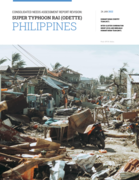
Eight years after Super Typhoon Haiyan, the most destructive storm to ever hit the Philippines, Super Typhoon Rai brought similar torrential rains, violent winds, mudslides, floods and storm surges to central parts of the Philippines, leaving a wide path of destruction and debris in its wake. While
...
not as powerful as Haiyan in terms of wind strength, evidence shows that Rai damaged houses, infrastructure and livelihoods on a comparable scale or in even greater numbers. Most striking, Rai damaged 1.57 million homes, 500,000 more than Haiyan, across 11 of the Philippines 17 regions, with around 180,000-200,000 people still displaced – either still in evacuation centers or staying with friends, family or other temporary housing.
more

Access to controlled medicines. 3rd edition

Annex 5, WHO Technical Report Series 1010, 2018

Training Manual and Reference Guide
The Lancet Global Health January 24, 2022
