
Filter
2900
Text search:
M.
tuberculosis
Featured
Recommendations
268
New Publications
650
Language
Document type
No document type
1713
Studies & Reports
523
Guidelines
352
Manuals
124
Strategic & Response Plan
85
Training Material
40
Fact sheets
30
Situation Updates
16
Resource Platforms
6
Infographics
6
Brochures
4
Videos
1
Countries / Regions
India
114
Global
107
Western and Central Europe
90
South Africa
79
Kenya
65
Latin America and the Carribbean
53
Ethiopia
49
Nigeria
48
Nepal
48
Tanzania
48
Eastern Europe
48
Malawi
47
Uganda
46
Africa
43
Bangladesh
38
Germany
37
Myanmar / Burma
36
Zambia
32
Rwanda
32
Ukraine
30
Colombia
30
Ghana
27
Argentina
27
Mozambique
26
Paraguay
26
Namibia
25
Lesotho
25
Russia
25
Peru
23
Sierra Leone
22
Liberia
22
Cambodia
22
Indonesia
22
Asia
21
Philippines
19
Senegal
17
Venezuela
17
Zimbabwe
15
Bolivia
15
Brazil
14
Botswana
13
El Salvador
13
South–East Asia Region
13
Burkina Faso
11
Cameroon
10
Haiti
10
Tajikistan
10
South Sudan
9
East and Southern Africa
9
Ecuador
8
Congo, Democratic Republic of
7
Syria
7
Benin
7
Eswatini/ Swaziland
7
Albania
7
Georgia
7
Chile
6
Guinea
5
Pakistan
5
Thailand
5
China
5
Yemen
5
West and Central Africa
5
Middle East and North Africa
5
Eastern Europe and Central Asia
5
North America
5
Afghanistan
4
Angola
4
Moldova
4
Vietnam
4
Uruguay
4
Jordan
3
Lebanon
3
Papua New Guinea
3
Sudan
3
Central African Republic
3
Dominican Republic
3
Honduras
3
Guatemala
3
Mexico
3
Nicaragua
3
Sri Lanka
3
Western Pacific Region
3
Estonia
3
Mali
2
Guinea-Bissau
2
Morocco
2
USA
2
Saudi Arabia
2
Somalia
2
Chad
2
North Macedonia
2
Hungary
2
Poland
2
Armenia
2
Southern Africa
2
Laos
2
Timor Leste/ East Timor
2
Iran
2
Japan
2
Spain
2
Togo
1
Iraq
1
Gambia
1
Switzerland
1
Greece
1
Madagascar
1
Solomon Islands
1
Bhutan
1
Palestine
1
North Korea
1
Mongolia
1
Romania
1
Kyrgyzstan
1
Jamaica
1
Denmark
1
Tunisia
1
Norway
1
Portugal
1
Belize
1
Costa Rica
1
Panama
1
Authors & Publishers
Publication Years
Category
Countries
1089
Clinical Guidelines
236
Public Health
129
Key Resources
87
Women & Child Health
79
Pharmacy & Technologies
35
Capacity Building
31
Toolboxes
TB
717
HIV
399
COVID-19
139
AMR
107
NTDs
79
Mental Health
68
Health Financing Toolbox
64
NCDs
61
Caregiver
52
Pharmacy
52
Global Health Education
50
Planetary Health
43
Ebola & Marburg
40
Refugee
40
Rapid Response
32
Disability
27
Polio
27
Conflict
27
Malaria
27
Natural Hazards
18
2.0 Rapid Response
13
Cholera
2
Zika
2
Social Ethics
2
Specific Hazards
1
This paper examines the implications of the IMF’s April 2024 macro-fiscal forecast updates on government health expenditure (GHE) across 170 economies through 2029, covering nearly all years remaining to achieve the Sustainable Development Goals (SDGs). The findings reveal wide disparities in gove
...

There has never been a more critical moment to invest in WHO, and strengthen the unique role it plays in global health. Now is the time to sustainably finance WHO and invest in a healthy return for all.
In 2019, the Task Force on Fiscal Policy for Health concluded that taxes on tobacco, alcohol, and sugar-sweetened beverages were a highly effective but greatly underused policy tool to reduce consumption, save lives, and raise domestic resources. The Task Force estimated that if all countries increa
...
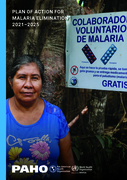
The Plan subscribes to the goals and pillars of the WHO Global Technical Strategy against Malaria 2016-2030 (GTS), while presenting key elements to address the specific challenges of the Region.

Mozambique was the first country outside of the Sahel to successfully implement seasonal malaria chemoprevention (SMC) on a large scale. This learning paper captures some of the lessons drawn from the implementation process.

Meeting report, Kampala, Uganda,
7–8 November 2023

Anopheles stephensi is an invasive mosquito species which has been found spreading across Africa. While this species presents a new challenge for malaria control on the continent, its surveillance and management have been ongoing in Asia for many years. This document aims to summarize key lessons fr
...

The framework recommends expanded coverage of malaria diagnostic and treatment services, intensified vector control to drive down transmission, strengthened malaria surveillance, and increased transborder collaboration, especially in terms of efforts to control the sale and use of artemisinin monoth
...

A historic funding crisis is threatening to unravel decades of progress unless countries can make radical shifts to HIV programming and funding. The report highlights the impact that the sudden, large-scale funding cuts from international donors are having on countries most affected by HIV. Yet it a
...

The 2024 edition reviews more than 50 health-related indicators from the Sustainable Development Goals and WHO’s Thirteenth General Programme of Work. It also highlights the findings from the Global health estimates 2021, notably the impact of the COVID-19 pandemic on life expectancy and healthy l
...

Growing emergencies and displacements across the world demand increasingly complex interventions and responses. The World Health Organization (WHO) has developed Malaria control in emergencies: a field manual to provide technical guidance to help partners respond effectively to malaria in emergency
...

In the absence of a such a measure, and building on the success of developing the APCA African
Palliative Outcome Scale (POS) for adults, the African Palliative Care Association has developed the
APCA African Children’s POS. The tool has been validated across diseases, countries, settings and
...

Drawing on the World Health Organization’s package of NCD best buys, the report demonstrates how these evidence-based measures can help countries reduce premature deaths, strengthen health systems, and advance progress towards the Sustainable Development Goals. It provides policymakers, donors, ad
...

The Best Buys for Disease Elimination is a practical, evidence-based guide to the most effective actions for countries to implement in order to eliminate communicable diseases. The guide highlights the efficient use of resources and prioritizing populations in vulnerable situations.
“The Region
...

Strengthening global health security to protect the world against future epidemics and pandemics requires well-tested and decentralized capacities for the local detection and rapid containment of outbreaks of infectious disease. For such capacities to translate into effective response actions, ind
...

The findings of the report are both urgent and devastating. At the current rate of progress, by 2040 we would still have 1.9 million new HIV infections and 990,000 AIDS-related deaths in children. But if funding for HIV prevention and treatment continues to fall as current trends suggest, the world
...

Developed through broad and inclusive consultation, and aligned with the WHO Global Health Sector Strategies and the Sustainable Development Goals, the framework promotes a people-centred approach and antimicrobial stewardship across 5 key domains: prevention and response, surveillance, research and
...

Program Considerations

We can't stop at almost. 2025 Goalkeeper Report
recommended
2025 is the first year of this century where child deaths will increase.
But we can stop this reversal before it becomes a trend, even in a time of tight budgets.
With proven solutions and next-generation innovations that do more with less, we can save millions of children's lives, protect the pro
...

World malaria report 2025
recommended
Addressing the threat of antimalarial drug resistance. This year’s report spotlights the growing threat of antimalarial drug resistance. Partial resistance to artemisinin derivatives – the backbone of malaria treatments after failures of chloroquine and sulfadoxine-pyrimethamine – has now b
...
