
Filter
3504
Text search:
pandemic
Featured
424
249
Language
3061
230
221
138
129
123
60
55
10
9
8
5
4
4
4
4
4
3
3
3
3
3
3
3
2
2
2
2
2
2
2
2
2
2
2
2
2
2
1
1
1
1
1
1
1
1
1
1
1
1
1
1
1
1
1
Document type
1165
774
470
268
260
231
85
82
59
35
27
21
20
3
1
Countries
326
117
95
77
69
68
68
68
65
64
64
58
53
49
48
47
43
43
43
39
37
35
33
28
28
26
26
25
25
25
23
21
21
20
19
19
18
17
17
16
16
16
16
15
15
15
15
15
14
14
13
13
13
13
13
12
11
11
11
11
11
10
10
10
9
9
9
9
8
8
8
8
7
7
6
6
6
5
5
5
5
5
5
5
5
4
4
4
4
4
4
4
4
4
4
4
4
4
4
3
3
3
3
3
3
3
3
3
3
2
2
2
2
2
2
2
2
2
2
2
2
2
1
1
1
1
1
1
1
1
1
1
1
1
1
1
1
1
1
1
1
1
1
Authors & Publishers
735
151
140
71
69
67
66
63
60
53
43
34
30
30
29
24
23
22
20
19
19
18
18
17
16
15
15
14
14
14
14
14
14
13
13
13
12
12
12
12
11
11
11
11
10
10
10
10
9
9
9
9
9
9
9
9
8
8
8
8
8
8
7
7
7
7
7
7
7
7
7
7
7
7
7
7
6
6
6
6
6
6
6
6
6
6
6
6
6
6
6
6
5
5
5
5
5
5
5
5
5
4
4
4
4
4
4
4
4
4
4
4
4
4
4
4
4
4
4
4
4
4
4
4
4
4
4
4
4
4
4
4
3
3
3
3
3
3
3
3
3
3
3
3
3
3
3
3
3
3
3
3
3
3
3
3
3
3
3
3
3
3
3
3
3
3
3
3
3
3
3
3
3
3
3
3
3
3
3
3
3
3
3
3
3
3
3
3
3
3
3
3
3
3
2
2
2
2
2
2
2
2
2
2
2
2
2
2
2
2
2
2
2
2
2
2
2
2
2
2
2
2
2
2
2
2
2
2
2
2
2
2
2
2
2
2
2
2
2
2
2
2
2
2
2
2
2
2
2
2
2
2
2
2
2
2
2
2
2
2
2
2
2
2
2
2
2
2
2
2
2
2
2
2
2
2
2
2
2
2
2
2
2
2
2
2
2
2
2
2
2
2
2
2
2
2
2
2
2
2
2
2
2
2
2
2
2
2
2
2
2
2
2
2
2
2
2
2
2
2
2
2
2
2
2
2
2
2
2
2
2
2
2
2
2
2
2
2
2
2
2
2
2
2
2
2
2
2
2
2
2
2
2
2
2
2
2
2
2
2
2
2
2
2
2
2
2
2
2
2
2
1
1
1
1
1
1
1
1
1
1
1
1
1
1
1
1
1
1
1
1
1
1
1
1
1
1
1
1
1
1
1
1
1
1
1
1
1
1
1
1
1
1
1
1
1
1
1
1
1
1
1
1
1
1
1
1
1
1
1
1
1
1
1
1
1
1
1
1
1
1
1
1
1
1
1
1
1
1
1
1
1
1
1
1
1
1
1
1
1
1
1
1
1
1
1
1
1
1
1
1
1
1
1
1
1
1
1
1
1
1
1
1
1
1
1
1
1
1
1
1
1
1
1
1
1
1
1
1
1
1
1
1
1
1
1
1
1
1
1
1
1
1
1
1
1
1
1
1
1
1
1
1
1
1
1
1
1
1
1
1
1
1
1
1
1
1
1
1
1
1
1
1
1
1
1
1
1
1
1
1
1
1
1
1
1
1
1
1
1
1
1
1
1
1
1
1
1
1
1
1
1
1
1
1
1
1
1
1
1
1
1
1
1
1
1
1
1
1
1
1
1
1
1
1
1
1
1
1
1
1
1
1
1
1
1
1
1
1
1
1
1
1
1
1
1
1
1
1
1
1
1
1
1
1
1
1
1
1
1
1
1
1
1
1
1
1
1
1
1
1
1
1
1
1
1
1
1
1
1
1
1
1
1
1
1
1
1
1
1
1
1
1
1
1
1
1
1
1
1
1
1
1
1
1
1
1
1
1
1
1
1
1
1
1
1
1
1
1
1
1
1
1
1
1
1
1
1
1
1
1
1
1
1
1
1
1
1
1
1
1
1
1
1
1
1
1
1
1
1
1
1
1
1
1
1
1
1
1
1
1
1
1
1
1
1
1
1
1
1
1
1
1
1
1
1
1
1
1
1
1
1
1
1
1
1
1
1
1
1
1
1
1
1
1
1
1
1
1
1
1
1
1
1
1
1
1
1
1
1
1
1
1
1
1
1
1
1
1
1
1
1
1
1
1
1
1
1
1
1
1
1
1
1
1
1
1
1
1
1
1
1
1
1
1
1
1
1
1
1
1
1
1
1
1
1
1
1
1
1
1
1
1
1
1
1
1
1
1
1
1
1
1
1
1
1
1
1
1
1
1
1
1
1
1
1
1
1
1
1
1
1
1
1
1
1
1
1
1
1
1
1
1
1
1
1
1
1
1
1
1
1
1
1
1
1
1
1
1
1
1
1
1
1
1
1
1
1
1
1
1
1
1
1
1
1
1
1
1
1
1
1
1
1
1
1
1
1
1
1
1
1
1
1
1
1
1
1
1
1
1
1
1
1
1
1
1
1
1
1
1
1
1
1
1
1
1
1
1
1
1
1
1
1
1
1
1
1
1
1
1
1
1
1
1
1
1
1
1
1
1
1
1
1
1
1
1
1
1
1
1
1
1
1
1
1
1
1
1
1
1
1
1
1
1
1
1
1
1
1
1
1
1
1
1
1
1
1
1
1
1
1
1
1
1
1
1
1
1
1
1
1
1
1
1
1
1
1
1
1
1
1
1
1
1
1
1
1
1
1
1
1
1
1
1
1
1
1
1
1
1
1
1
1
1
1
1
1
1
1
1
1
1
1
1
1
1
1
1
1
1
1
1
1
1
1
1
1
1
1
1
1
1
1
1
1
1
1
1
1
1
1
1
1
1
1
1
1
1
1
1
1
1
1
1
1
1
1
1
1
1
1
1
1
1
1
1
1
1
1
1
1
1
1
1
1
1
1
1
1
1
1
1
1
1
1
1
1
1
1
1
1
1
1
1
1
1
1
1
1
1
1
1
1
1
1
1
1
1
1
1
1
1
1
1
1
1
1
1
1
1
1
1
1
1
1
1
1
1
1
1
1
1
1
1
1
1
1
1
1
1
1
1
1
1
1
1
1
1
1
1
1
1
1
1
1
1
1
1
1
1
1
1
1
1
1
1
1
1
1
1
1
1
1
1
1
1
1
1
1
1
1
1
1
1
1
1
1
1
1
1
1
1
1
1
1
1
1
1
1
1
1
1
1
1
1
1
1
1
1
1
1
1
1
1
1
1
1
1
1
1
1
1
1
1
1
1
1
1
1
1
1
1
1
1
1
1
1
1
1
1
1
1
1
1
1
1
1
1
1
1
1
1
1
1
1
1
1
1
1
1
1
1
1
1
1
1
1
1
1
1
1
1
1
1
1
1
1
1
1
1
1
1
1
1
1
1
1
1
1
1
1
1
1
1
1
1
1
1
1
1
1
1
1
1
1
1
1
1
1
1
1
1
1
1
1
1
1
1
1
1
1
1
1
1
1
1
1
1
1
1
1
1
1
1
1
1
1
1
1
1
1
1
1
1
1
1
1
1
1
1
1
1
1
1
1
1
1
1
1
1
1
1
1
1
1
1
1
1
1
1
1
1
1
1
1
1
1
1
1
1
1
1
1
1
1
1
1
1
1
1
1
1
1
1
1
1
1
1
1
1
1
1
1
1
1
1
1
1
1
1
1
1
1
1
1
1
1
1
1
1
1
1
1
1
1
1
1
1
1
1
1
1
1
1
1
1
1
1
1
1
1
1
1
1
1
1
1
1
1
1
1
1
1
1
1
1
1
1
1
1
1
1
1
1
1
1
1
1
1
1
1
1
1
1
1
1
1
1
1
1
1
1
1
1
1
1
1
1
1
1
1
1
1
1
1
1
1
1
1
1
1
1
1
1
1
1
1
1
1
1
1
1
1
1
1
1
1
1
1
1
1
1
1
1
1
1
1
1
1
1
1
1
1
1
1
1
1
1
1
1
1
1
1
1
1
1
1
1
1
1
1
1
1
1
1
1
1
1
1
1
1
1
1
1
1
1
1
1
1
1
1
1
1
1
1
1
1
1
1
1
1
1
1
1
1
1
1
1
1
1
1
1
1
1
1
1
1
1
1
1
1
1
1
1
1
1
1
1
1
1
1
1
1
1
1
1
1
1
1
1
1
1
1
1
1
1
1
1
1
1
1
1
1
1
1
1
1
1
1
1
1
1
1
1
1
1
1
1
1
1
1
1
1
1
1
1
1
1
1
1
1
1
1
1
1
1
1
1
1
1
1
1
1
1
1
1
1
1
1
1
1
1
1
1
1
1
1
1
1
1
1
1
1
1
1
1
1
1
1
1
1
1
1
1
1
1
1
1
1
1
1
1
1
1
1
1
1
1
1
1
1
1
1
1
1
1
1
1
1
1
1
1
1
1
1
1
1
1
1
1
1
1
1
1
1
1
1
1
1
1
1
1
1
1
1
1
1
1
1
1
1
1
1
1
1
1
1
1
1
1
1
1
1
1
1
1
1
1
1
1
1
1
1
1
1
1
1
1
1
1
1
1
1
1
1
1
1
1
1
1
1
1
1
1
1
1
1
1
1
1
1
1
1
1
1
1
1
1
1
1
1
1
1
1
1
1
1
1
1
1
1
1
1
1
1
1
1
1
1
1
1
1
1
1
1
1
1
1
1
1
1
1
1
1
1
1
1
1
1
1
1
1
1
1
1
1
1
1
1
1
1
1
1
1
1
1
1
1
1
1
1
1
1
1
1
1
1
1
1
1
1
1
1
1
1
1
1
1
1
1
1
1
1
1
1
1
1
1
1
1
1
1
1
1
1
1
1
1
1
1
1
1
1
1
1
1
1
1
1
1
1
1
1
1
1
1
1
1
1
1
1
1
1
1
1
1
1
1
1
1
1
1
1
1
1
1
1
1
1
1
1
1
1
1
1
1
1
1
1
1
1
1
1
1
1
1
1
1
1
1
1
1
1
1
1
1
1
1
1
1
1
1
1
1
1
1
1
1
1
1
1
1
1
1
1
1
1
1
1
1
1
1
1
1
1
1
1
1
1
1
1
1
1
1
1
1
1
1
1
1
1
1
1
1
1
1
1
1
1
1
1
1
1
1
1
1
1
1
1
1
1
1
1
1
1
1
1
1
1
1
1
1
1
1
1
1
1
1
1
1
1
1
1
1
1
1
1
1
1
1
1
1
1
1
1
1
1
1
1
1
1
1
1
1
1
1
1
1
1
1
1
1
1
1
1
1
1
1
1
1
1
1
1
1
1
1
1
1
1
1
1
1
1
1
1
1
1
1
1
1
1
1
1
1
1
1
1
1
1
1
1
1
1
1
1
1
1
1
1
1
1
1
1
1
1
1
1
1
1
1
1
1
1
1
1
1
1
1
1
1
1
1
1
1
1
1
1
1
1
1
1
1
1
1
1
1
1
1
1
1
1
1
1
1
1
1
1
1
1
1
1
1
1
1
1
Publication Years
2871
532
98
2
1
Category
1263
201
196
131
114
61
33
2
Toolboxes
1454
198
174
129
121
106
96
93
90
88
85
84
78
77
66
51
47
32
32
31
26
25
15
11
5
Обновленная версия. В этой версии приведены обновленные рекомендации относительно стратегии диагностического тестирования в контексте обновлённой классификаци
...
и способов передачи, мер общественного здравоохранения и социальных мер, эпиднадзора за общественным здравоохранением и установленных ВОЗ определений случая COVID-19. В данном руководстве учтено использование новых инструментов, таких, как диагностические экспресс-тесты для выявления антигенов (ДЭТ-АГ) и аспекты тестирования привитых лиц, а также тестирования на генетические мутации, связанные с вариантами. Кроме того, для этой версии разработаны приложения, включая подборку полезных ресурсов и десять компонентов расширения тестирования на субнациональном уровне.
more
No country can claim to be free from health-care associated infections, therefore, improvement of infection prevention and control (IPC) strategies is essential. WHO recommends the use of multimodal improvement strategies to implement IPC interventions. These include each item of standard and transm
...
ission-based precautions according to national guidelines or standard operating procedures and under the coordination of the national IPC focal point (or team, if existing). This publication consists of three focused improvement tools, called “aide-memoires”, which focus on 1) respiratory and hand hygiene, 2) personal protective equipment, and 3) environmental cleaning, waste and linen management, all elements of standard, droplet/contact and airborne precautions.
more
The steps reassert the sequence of the HPC, with needs analysis directly informing decisions about the response and monitoring, whether for the preparation of new plans or adjustments to existing ones. The steps of the HPC have a rationale and cannot be skipped. However, the depth of work under each
...
step can and should be adapted to the realities of the operating environment and capacities.
more

July 2021. This publication brings together important clinical and programmatic updates produced by WHO since 2016 and provides comprehensive, evidence-informed recommendations and good practice statements within a public health, rights-based and person-centred approach.
These guidelines bring in
...
the most recent guidance on HIV testing strategies - the entry point for HIV prevention and treatment - and include comprehensive guidance on infant diagnosis. Key recommendations are presented on rapid antiretroviral therapy (ART) initiation and the use of dolutegravir. Updated recommendations are included on the timing of ART for people with TB, and the use of point-of-care technologies for treatment monitoring.
more


This report makes the case for a major new initiative—to rapidly recruit, train and deploy 2 million community health workers in Africa. Drawing on a vast body of evidence and substantial regional experience, the report shows how community health workers save lives and improve quality of life and
...
how investments in community health workers effectively harness the demographic dividend, reduce gender inequality and accelerate economic growth and development. Indeed, the benefits of community health workers stretch from one end of the Agenda for Sustainable Development to the other.
more
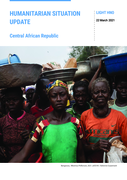
The humanitarian situation in the Central African Republic (CAR) has further worsened over the past six months. Election-related violence that broke out in mid-December 2020 has had a devastating effect on civilians. Thousands of people have been forced to flee, human rights violations have surged,
...
hundreds of schools and dozens of hospitals have been forcibly closed and food prices have skyrocketed. This deterioration occurred in an already alarming context, with more than half of the population (2.8 million people) in need of humanitarian assistance and protection and 1.9 million people in acute need. In the past five years, there have never been as many people in humanitarian distress in CAR as today.
more
Aide Memoire. O foco desta nota são as implicações da orientação atual da OMS sobre o uso máscaras cirúrgicas e não cirúrgicas/ de tecido durante a pandemia de COVID-19 para trabalhadores da saúde e trabalhadores que não são da área da saúde, mas que estão envolvidos em atividades ass
...
istenciais comunitárias, especialmente as de combate à malária, doenças tropicais negligenciadas (DTN), tuberculose (TB), infecção pelo vírus da imunodeficiência humana/síndrome da imunodeficiência adquirida (HIV/ AIDS) e doenças imunopreveníveis (VPDs). O uso de máscaras deve ser sempre acompanhado de outras medidas de prevenção e controle de infecção (PCI), como o distanciamento físico de pelo menos 1 metro, a higiene das mãos, evitar tocar o rosto e a etiqueta respiratória usando o cotovelo dobrado sempre que tossir ou espirrar. A limitação da permanência em locais com aglomeração ou espaços fechados, a garantia da ventilação adequada dos ambientes internos e fechados (6), e a limpeza regular das superfícies de alto contato também são medidas de precaução importantes a serem seguidas.
more
Este documento de referência foi preparado pelo Grupo de Trabalho sobre Vacinas contra COVID-19 do Grupo Consultivo Estratégico de Especialistas em Imunização (SAGE) para orientar as discussões do SAGE em sua reunião extraordinária de 8 de fevereiro de 2021, que resultou na publicação do do
...
cumento da OMS de 10 de fevereiro de 2021 Recomendações provisórias para o uso da vacina AZD1222 [ChAdOx1-S (recombinante)] contra COVID-19 desenvolvida pela Universidade de Oxford e pela AstraZeneca. Os dois documentos estão disponíveis na página sobre COVID-19 do SAGE: https://www.who.int/groups/strategic-advisory-group-of-experts-on-immunization/covid-19-materials. Têm sido usados vetores de adenovírus deficientes na replicação contendo um transgene específico do patógeno como novas vacinas devido à sua capacidade de induzir respostas humorais e celulares fortes.
more
The State of the world’s nursing 2020 report provides the latest, most up-to-date evidence on and policy options for the global nursing workforce.
Epidemiologischen Bulletin 32/2021, 27 Juli 2021.Systematisches Testen auf SARS-CoV-2 in Kitas und Schulen kann einen wichtigen Beitrag leisten, um das dortige Infektionsgeschehen besser beurteilen zu können und das Übertragungsrisiko von Infektionen zu reduzieren. Die im Epidemiologischen Bulleti
...
n 32/2021 veröffentlichte Studie stellt die Validierung der Lolli-Methode und die Implementierung des Testkonzeptes in 32 Kölner Kitas im Zeitraum September 2020 bis März 2021 vor. Das Testkonzept Lolli-Methode basiert auf der Kombination einer einfachen Probenentnahme und anschließender PCR-Pooltestung. Es wird seit April 2021 an allen Kitas und Schulen der Stadt Köln und seit Mai 2021 an allen Grund- und Förderschulen in Nordrhein-Westfalen durchgeführt.
more
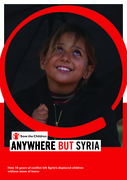
Anywhere But Syria: How 10 Years of Conflict Left Syria’s Displaced Children Without a Sense of Home
After ten years of war, the vast majority of Syria’s children cannot imagine a future in their country, according to a new report by Save the Children. On average, 86% of Syrian refugee children surveyed in Jordan, Lebanon, Turkey and the Netherlands said they would not want to return to their cou
...
ntry of origin. Of children displaced inside Syria, one in three would rather be living in another country. Children who fled their homes are struggling to feel safe where they are now, as around two in five children of those surveyed by Save the Children said they face discrimination and a lack of education. Many feel they have no say over their future.
more
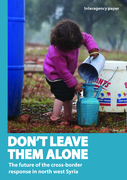
Don’t Leave Them Alone: The future of the cross-border response in north west Syria
ATAA Humanitarian Relief Association, BINAA for Development, Children Of One world, et al.
Save the Children
(2021)
C1
This report, written by ATAA Humanitarian Relief Association, BINAA for Development, Children Of One world, Hand in Hand for Aid and Development, Horan Foundation, Hurras Network, MARAM Foundation, Orange Organization, Syrian American Medical Society, Save the Children and Shafak Organization, provi
...
des insights on the humanitarian situation on the ground in north west Syria.
more
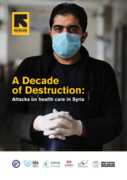
March 2021. “A Decade of Destruction: Attacks on health care in Syria,” highlights with chilling detail how this 10-year war strategy has turned hospitals from safe havens into no-go zones where Syrian civilians now fear for their lives.
A living WHO guideline on drugs for covid-19
recommended
BMJ 2020; 370 doi: https://doi.org/10.1136/bmj.m3379
Rapid Recommendation and visual graph. This is the fifth version (update 4) of the living guideline (BMJ 2020;370:m3379). When citing this article, please consider adding the update number and date of access for clarity. The publication of the RE
...
COVERY and REMAP-CAP randomised controlled trials triggered this guideline update, resulting in a strong recommendation for interleukin-6 (IL-6) receptor blockers (tocilizumab or sarilumab) in patients with severe or critical covid-19.
Prior recommendations: (a) A recommendation not to use ivermectin in patients with covid-19, regardless of disease severity, except in the context of a clinical trial; (b) a strong recommendation against the use of hydroxychloroquine in patients with covid-19, regardless of disease severity; (c) a strong recommendation against the use of lopinavir-ritonavir in patients with covid-19, regardless of disease severity; (d) a strong recommendation for systemic corticosteroids in patients with severe and critical covid-19; (e) a conditional recommendation against systemic corticosteroids in patients with non-severe covid-19; and (f) a conditional recommendation against remdesivir in hospitalised patients with covid-19.
more
This new plan has been developed to build on successes made and lessons learnt from implementation of the two initial plans and to provide a short to medium term strategic anchor against which preparedness and response plans to the corona virus disease COVID-19 epidemic in the country should focus o
...
n for the period June 2021 to June 2022.
more
Factsheet

The figures and findings reflected in the 2020 PMR represent the independent analysis of the United Nations (UN) and its humanitarian partners based on information available to them. Many of the figures provided throughout the document are estimates based on sometimes incomplete and partial data set
...
s using the methodologies for collection that were available at the time. The Government of Syria has expressed its reservations over the data sources and methodology of assessments used to inform the 2020 Humanitarian Needs Overview (HNO) as well as on a number of HNO findings reflected in the 2020 HRP. This applies throughout the document.
more
