
Filter
2789
Text search:
central
asia
Featured
263
653
Language
2489
174
146
84
39
26
21
11
11
7
6
6
4
4
4
4
4
3
3
3
3
3
3
2
2
2
2
2
2
2
2
2
2
2
2
2
1
1
1
1
1
1
1
1
1
1
1
1
1
1
1
1
1
1
1
1
Document type
1319
708
328
163
97
55
46
26
22
14
5
4
1
Countries
225
122
119
116
87
87
84
52
48
44
44
42
38
38
35
34
33
26
23
23
23
23
22
20
20
19
19
16
15
14
14
13
13
12
12
12
12
11
11
11
11
10
10
9
9
8
8
8
8
7
7
6
6
6
6
6
6
6
5
5
5
5
5
5
5
5
5
4
4
4
4
4
4
4
4
4
4
3
3
3
3
3
3
3
3
3
3
3
3
3
3
3
2
2
2
2
2
2
2
2
2
2
2
2
2
2
2
2
1
1
1
1
1
1
1
1
1
1
1
1
1
1
1
1
1
1
1
1
1
1
1
1
1
Authors & Publishers
408
119
76
73
72
50
40
38
37
36
23
22
18
17
17
13
12
12
12
12
12
11
11
11
11
10
10
10
10
10
10
9
9
9
9
9
9
9
9
9
8
8
8
8
8
8
8
7
7
7
7
7
7
7
6
6
6
6
6
6
6
6
6
5
5
5
5
5
5
5
5
5
5
5
5
5
5
5
5
5
4
4
4
4
4
4
4
4
4
4
4
4
4
4
4
4
4
4
4
4
4
4
4
4
4
4
4
4
4
4
4
4
4
4
4
4
4
4
4
4
4
3
3
3
3
3
3
3
3
3
3
3
3
3
3
3
3
3
3
3
3
3
3
3
3
3
3
3
3
3
3
3
3
3
3
3
3
3
3
3
3
3
3
3
3
3
3
3
3
3
2
2
2
2
2
2
2
2
2
2
2
2
2
2
2
2
2
2
2
2
2
2
2
2
2
2
2
2
2
2
2
2
2
2
2
2
2
2
2
2
2
2
2
2
2
2
2
2
2
2
2
2
2
2
2
2
2
2
2
2
2
2
2
2
2
2
2
2
2
2
2
2
2
2
2
2
2
2
2
2
2
2
2
2
2
2
2
2
2
2
2
2
2
2
2
2
2
2
2
2
2
2
2
2
2
2
2
2
2
2
2
2
2
2
2
2
2
2
2
2
2
2
2
2
2
2
2
2
2
2
2
2
2
2
2
2
2
2
2
2
2
2
2
1
1
1
1
1
1
1
1
1
1
1
1
1
1
1
1
1
1
1
1
1
1
1
1
1
1
1
1
1
1
1
1
1
1
1
1
1
1
1
1
1
1
1
1
1
1
1
1
1
1
1
1
1
1
1
1
1
1
1
1
1
1
1
1
1
1
1
1
1
1
1
1
1
1
1
1
1
1
1
1
1
1
1
1
1
1
1
1
1
1
1
1
1
1
1
1
1
1
1
1
1
1
1
1
1
1
1
1
1
1
1
1
1
1
1
1
1
1
1
1
1
1
1
1
1
1
1
1
1
1
1
1
1
1
1
1
1
1
1
1
1
1
1
1
1
1
1
1
1
1
1
1
1
1
1
1
1
1
1
1
1
1
1
1
1
1
1
1
1
1
1
1
1
1
1
1
1
1
1
1
1
1
1
1
1
1
1
1
1
1
1
1
1
1
1
1
1
1
1
1
1
1
1
1
1
1
1
1
1
1
1
1
1
1
1
1
1
1
1
1
1
1
1
1
1
1
1
1
1
1
1
1
1
1
1
1
1
1
1
1
1
1
1
1
1
1
1
1
1
1
1
1
1
1
1
1
1
1
1
1
1
1
1
1
1
1
1
1
1
1
1
1
1
1
1
1
1
1
1
1
1
1
1
1
1
1
1
1
1
1
1
1
1
1
1
1
1
1
1
1
1
1
1
1
1
1
1
1
1
1
1
1
1
1
1
1
1
1
1
1
1
1
1
1
1
1
1
1
1
1
1
1
1
1
1
1
1
1
1
1
1
1
1
1
1
1
1
1
1
1
1
1
1
1
1
1
1
1
1
1
1
1
1
1
1
1
1
1
1
1
1
1
1
1
1
1
1
1
1
1
1
1
1
1
1
1
1
1
1
1
1
1
1
1
1
1
1
1
1
1
1
1
1
1
1
1
1
1
1
1
1
1
1
1
1
1
1
1
1
1
1
1
1
1
1
1
1
1
1
1
1
1
1
1
1
1
1
1
1
1
1
1
1
1
1
1
1
1
1
1
1
1
1
1
1
1
1
1
1
1
1
1
1
1
1
1
1
1
1
1
1
1
1
1
1
1
1
1
1
1
1
1
1
1
1
1
1
1
1
1
1
1
1
1
1
1
1
1
1
1
1
1
1
1
1
1
1
1
1
1
1
1
1
1
1
1
1
1
1
1
1
1
1
1
1
1
1
1
1
1
1
1
1
1
1
1
1
1
1
1
1
1
1
1
1
1
1
1
1
1
1
1
1
1
1
1
1
1
1
1
1
1
1
1
1
1
1
1
1
1
1
1
1
1
1
1
1
1
1
1
1
1
1
1
1
1
1
1
1
1
1
1
1
1
1
1
1
1
1
1
1
1
1
1
1
1
1
1
1
1
1
1
1
1
1
1
1
1
1
1
1
1
1
1
1
1
1
1
1
1
1
1
1
1
1
1
1
1
1
1
1
1
1
1
1
1
1
1
1
1
1
1
1
1
1
1
1
1
1
1
1
1
1
1
1
1
1
1
1
1
1
1
1
1
1
1
1
1
1
1
1
1
1
1
1
1
1
1
1
1
1
1
1
1
1
1
1
1
1
1
1
1
1
1
1
1
1
1
1
1
1
1
1
1
1
1
1
1
1
1
1
1
1
1
1
1
1
1
1
1
1
1
1
1
1
1
1
1
1
1
1
1
1
1
1
1
1
1
1
1
1
1
1
1
1
1
1
1
1
1
1
1
1
1
1
1
1
1
1
1
1
1
1
1
1
1
1
1
1
1
1
1
1
1
1
1
1
1
1
1
1
1
1
1
1
1
1
1
1
1
1
1
1
1
1
1
1
1
1
1
1
1
1
1
1
1
1
1
1
1
1
1
1
1
1
1
1
1
1
1
1
1
1
1
1
1
1
1
1
1
1
1
1
1
1
1
1
1
1
1
1
1
1
1
1
1
1
1
1
1
1
1
1
1
1
1
1
1
1
1
1
1
1
1
1
1
1
1
1
1
1
1
1
1
1
1
1
1
1
1
1
1
1
1
1
1
1
1
1
1
1
1
1
1
1
1
1
1
1
1
1
1
1
1
1
1
1
1
1
1
1
1
1
1
1
1
1
1
1
1
1
1
1
1
1
1
1
1
1
1
1
1
1
1
1
1
1
1
1
1
1
1
1
1
1
1
1
1
1
1
1
1
1
1
1
1
1
1
1
1
1
1
1
1
1
1
1
1
1
1
1
1
1
1
1
1
1
1
1
1
1
1
1
1
1
1
1
1
1
1
1
1
1
1
1
1
1
1
1
1
1
1
1
1
1
1
1
1
1
1
1
1
1
1
1
1
1
1
1
1
1
1
1
1
1
1
1
1
1
1
1
1
1
1
1
1
1
1
1
1
1
1
1
1
1
1
1
1
1
1
1
1
1
1
1
1
1
1
1
1
1
1
1
1
1
1
1
1
1
1
1
1
1
1
1
1
1
1
1
1
1
1
1
1
1
1
1
1
1
1
1
1
1
1
1
1
1
1
1
1
1
1
1
1
1
1
1
1
1
1
1
1
1
1
1
1
1
1
1
1
1
1
1
1
1
1
1
1
1
1
1
1
1
1
1
1
1
1
1
1
1
1
1
1
1
1
1
1
1
1
1
1
1
1
1
1
1
1
1
1
1
1
1
1
1
1
1
1
1
1
1
1
1
1
1
1
1
1
1
1
1
1
1
1
1
1
1
1
1
1
1
1
1
1
1
1
1
1
1
1
1
1
1
1
1
1
1
1
1
1
1
1
1
1
1
1
1
1
1
1
1
1
1
1
1
1
1
1
1
1
1
1
1
1
1
1
1
1
1
1
1
1
1
1
1
1
1
1
1
1
1
1
1
1
1
1
1
1
1
1
1
1
1
1
1
1
1
1
1
1
1
1
1
1
1
1
1
1
1
1
1
1
1
1
1
1
1
1
1
1
1
1
1
1
1
1
1
1
1
1
1
1
1
1
1
1
1
1
1
1
1
1
1
1
1
1
1
1
1
1
1
1
1
1
1
1
1
1
1
1
1
1
1
1
1
1
1
1
1
1
1
1
1
1
1
1
1
1
1
1
1
1
1
1
1
1
1
1
1
1
1
1
1
1
1
1
1
1
1
1
1
1
1
1
1
1
1
1
1
1
1
1
1
1
1
1
1
1
1
1
1
1
1
1
1
1
1
1
1
1
1
1
1
1
1
1
1
1
1
1
1
1
1
1
1
1
1
1
1
1
1
1
1
1
1
1
1
1
1
1
1
1
1
1
1
1
1
1
1
1
1
1
1
1
1
1
1
1
1
1
1
1
1
1
1
1
1
1
1
1
1
1
1
1
1
1
1
1
1
1
1
1
1
1
1
1
1
1
1
1
1
1
1
1
1
1
1
1
1
1
1
1
1
1
1
1
1
1
1
1
1
1
1
1
1
1
1
1
1
1
1
1
1
1
1
1
1
1
1
1
1
1
1
1
1
1
1
1
1
1
1
1
1
1
1
1
1
1
1
1
1
1
1
1
1
1
1
1
1
1
1
1
1
1
1
1
1
1
1
1
1
1
1
1
1
1
1
1
1
1
1
1
1
1
1
1
1
1
1
1
1
1
1
1
1
1
1
1
1
1
1
1
1
1
1
1
1
1
1
1
1
1
1
1
1
1
1
1
1
1
1
1
1
1
1
1
1
1
1
1
1
1
1
1
1
1
1
1
1
1
1
1
1
1
1
1
1
1
1
1
1
1
1
1
1
1
1
1
1
1
1
1
1
1
1
1
1
1
1
1
1
1
1
1
1
1
1
1
1
1
1
1
1
1
1
1
1
1
1
1
1
1
1
1
1
1
1
1
1
1
1
1
1
1
1
1
1
1
1
1
1
1
1
1
1
1
1
1
1
1
1
1
1
1
1
1
1
1
1
1
1
1
1
1
1
1
1
1
1
1
1
1
1
1
1
1
1
1
1
1
1
1
1
1
1
1
1
1
1
1
1
1
1
1
1
1
1
1
1
1
1
1
1
1
1
1
1
1
1
1
1
1
1
1
1
1
1
1
1
1
1
1
1
1
1
1
1
1
1
1
1
1
1
1
1
1
1
1
1
1
1
1
1
1
1
1
1
1
1
1
1
1
1
1
1
1
1
1
1
1
1
1
1
1
1
1
1
1
1
1
1
1
1
1
1
1
1
1
1
1
1
1
1
1
1
1
1
1
1
1
1
1
1
1
1
1
1
1
1
1
1
1
1
1
1
1
1
1
1
1
1
1
1
1
1
1
1
1
1
1
1
1
1
1
1
1
1
1
1
1
1
1
1
1
1
1
1
1
1
1
1
1
1
1
1
1
1
1
1
1
1
1
1
1
1
1
1
1
1
1
1
1
1
1
1
1
1
1
1
1
1
1
1
1
1
1
1
1
1
1
1
1
1
1
1
1
1
1
1
1
1
1
1
1
1
1
1
1
1
1
1
1
1
1
1
1
1
1
1
1
1
1
1
1
1
1
1
1
1
1
1
1
1
1
1
1
1
1
1
1
1
1
1
1
1
1
1
1
1
1
1
1
1
1
1
1
1
1
1
1
1
1
1
1
1
1
1
1
1
1
1
1
1
1
1
1
1
1
1
1
1
1
1
1
1
1
1
1
1
1
1
1
1
1
1
1
1
1
1
1
1
1
1
1
1
1
1
1
1
1
1
1
1
Publication Years
988
1551
233
17
Category
843
230
220
193
183
41
27
1
Toolboxes
259
252
193
136
134
110
99
95
83
77
70
65
57
55
53
45
44
42
40
29
21
17
17
9
8
2
Updated guidance. The guidance provides useful information to staff working in prisons, as well as to health and prison authorities, explaining how to prevent and address a potential outbreak of COVID-19. In addition, it aims to protect the health and well-being of all those who live and work in, an
...
d visit, these settings and the general population at large. People deprived of their liberty, and living or working in enclosed environments in close proximity, are likely to be more vulnerable to the COVID-19 disease than the general population. Moreover, correctional facilities may amplify and enhance COVID-19 transmission beyond their walls.
more
Accessed: 22.04.2020
The outbreak and spread of the COVID-19 virus confronts Prison Services daily with new challenges.
Prison Services are dealing with closed environments and this makes it especially difficult to provide for the right care for both, prisoners and staff working in prisons.
Pri
...
son Services are eager to hear from their colleagues in other European countries, how they are dealing with this situation, what approaches and measures they took to keep the situation as much as possible under control.
On this page we would like to gather and share all regulations/protocols/approaches European Prison Services or related organisations have drafted or taken in order to deal with the Covid-19 virus.
more
Применение масок в контексте COVID-19
recommended
Временные рекомендации
5 июня 2020 г
Ношение медицинской маски является одной из профилактических мер, которая может ограничить распространение ряда вирусных инфÐ
...
µкций, в том числе, COVID-19. Однако использования маски как единственного средства недостаточно для обеспечения адекватного уровня защиты, и следует принимать также другие меры. Независимо от применения масок первоочередное значение в профилактике передачи COVID-19 от человека к человеку имеет тщательное соблюдение гигиены рук и других мер ПИИК.
more
The main objective of this guidance is to provide scientific advice on public health principles and considerations for infection and prevention control of COVID-19 in migrant and refugee reception and detention centres in the European Union and European Economic Area (EU/EEA) and the United Kingdom
...
(UK).
more
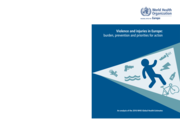
The WHO Global Health Estimates show that nearly half a million deaths (493 471) occurred in the WHO European Region due to violence and injuries in 2016. This represents a decline of 29% from 2000. Injuries account for 5.3% of all deaths and 9.6 of all years of life lost. They are a leading cause o
...
f death in people aged 15–29 years and the second leading cause of death for young people aged 5–14. The three leading causes of injury deaths are self-directed violence (141 089), falls (83 325) and road-traffic injuries (78 198). Inequalities in injury deaths exist in the Region, with mortality rates 2.4 times higher in males than in females and 1.5 times higher in middle-income compared to high-income countries.
more
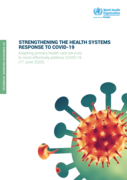
This guidance is targeted to primary health care policy-makers and only addresses issues relevant for primary health care providers. It has been prepared on the basis of a systematic review of the best available evidence and emergent country practices in response to the COVID-19 outbreak in the WHO
...
European Region. It will be updated on a regular basis as new information becomes available.
more
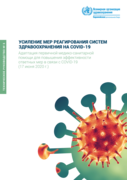
Усиление мер реагированиясистем здравоохранения на COVID-19: техническое руководство No 5: адаптация первичной медико-санитарной помощи для повышения эффективности оÑ
...
‚ветных мер в связи с COVID-19 (17 июня 2020 г.)
Strengthening the health systems response to COVID-19: technical guidance
more
Men are less likely than women to seek help for mental health issues and are much more likely to commit suicide. This scoping review examined recent evidence published in English and Russian on the role of socially constructed masculinity norms in men’s help-seeking behaviour for mental health iss
...
ues. The key sociocultural barriers to men’s help-seeking pertaining to masculinity norms were identified as self-reliance, difficulty in expressing emotions and self-control.
more
Non-pharmaceutical interventions (NPI) are public health measures that aim to prevent and/or control SARS-CoV-2 transmission in the community. As long as there is no effective and safe vaccine to protect those at risk of severe COVID-19, NPI are the most effective public health interventions against
...
COVID-19. These ECDC guidelines detail available options for NPI in various epidemiologic scenarios, assess the evidence for their effectiveness and address implementation issues, including potential barriers and facilitators.
more
В этом руководстве использован комплексный подход к укреплению системы здравоохранения на границах с целью оказания поддержки национальным координационным цент
...
рам по ММСП и другим национальным учреждениям в разработке и осуществлении основанных на фактических данных планов действий по развитию возможностей по ММСП в пунктах пересечения границы. Этот подход включает в себя перемещение лиц, совершающих поездки, и багажа, грузов, контейнеров, перевозочных средств, товаров и почтовых посылок через наземные переходы, а также взаимодействие с соседними пограничными сообществами. При необходимости в ходе оценки риска могут учитываться и другие факторы.
Переведено с помощью www.DeepL.com/Translator (бесплатная версия)
more
В этом Кратком руководстве рассматриваются фактические данные и даются рекомендации по использованию
методов визуализации органов грудной клетки при оказании н
...
еотложной помощи взрослым пациентам
с подозреваемым, вероятным или подтвержденным диагнозом COVID-19, включая такие методы, как
рентгенография органов грудной клетки, компьютерная томография (КТ) и ультразвуковое исследование
легких. Оно должно стать практическим руководством для медицинских работников, занятых оказанием
помощи при COVID-19, начиная с этапа поступления пациента в медицинское учреждение и заканчивая
его выпиской из стационара. Это руководство охватывает вопросы ведения пациентов с заболеванием
различной степени тяжести – от бессимптомных форм до критических состояний.
Use of chest imaging in COVID-19: a rapid advice guide
more
В кратких клинических рекомендациях представлен перечень наиболее актуальных сведений о новой коронавирусной инфекции COVID-19. Он разработан рабочей группой, созда
...
нной при губернаторе Санкт-Петербурга, в состав которой вошли эксперты — акушеры-гинекологи, анестезиологи-реаниматологи, клинические фармакологи, кардиологи, организаторы здравоохранения, в качестве информационного ресурса для специалистов, работающих в сфере охраны материнства и детства.
Краткие клинические рекомендации предназначены врачам — акушерам-гинекологам, анестезиологам-реаниматологам, врачам скорой медицинской помощи и другим специалистам, работающим в области оказания медицинской помощи беременным, роженицам и родильницам в Санкт-Петербурге и Северо-Западном федеральном округе, а также клиническим ординаторам.
more
Санитарно-эпидемиологический надзор за COVID-19
recommended
Временные рекомендации16 декабря 2020 г.
В настоящем документе кратко представлены текущие рекомендации ВОЗ по ведению эпиднадзора в области
общественного здравоо
...
хранения за коронавирусной инфекцией 2019 г. (COVID-19) у людей, вызываемой коронавирусом
тяжелого острого респираторного синдрома-2 (SARS-CoV-2).
COVID-19 Sanitary and epidemiological monitoring
more
Этот документ, содержащий ответы на часто задаваемые вопросы, дополняет временные рекомендации ВОЗ «Клиническое руководство по ведению пациентов с тяжелой остроÐ
...
¹ респираторной инфекцией при подозрении на инфицирование новым коронавирусом» и посвящен вопросам в связи с этими рекомендациями.
Во временных рекомендациях и настоящем документе отражены:
i. имеющиеся сведения в отношении риска заражения COVID19 через грудное молоко;
ii. сведения о благотворном воздействии грудного вскармливания и контакта «кожа к коже»;
iii. сведения о неблагоприятном воздействии детских молочных смесей в случае неправильного
использования.
COVID-19 and breastfeeding (frequently asked questions)
more

В этом документе описывается удостоверение и кодирование случаев смерти, связанных с COVID-19. Основная цель состоит в том, чтобы выявить все случаи смерти вследствие
...
COVID-19.
Раздел, где удостоверение причин смерти представлено в упрощенном виде, предназначен для лиц, которые заполняют медицинское свидетельство о смерти. Оно должно предоставляться данным лицам отдельно от инструкций по кодированию.
International guidelines for certifying and coding COVID-19 as a cause of death
more
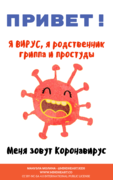
COVIBOOK Коронавирус объяснённый детям
recommended
Эта книга является приглашением для семей обсудить весь спектр эмоций, возникающих в текущей ситуации.

Временные методические рекомендации Организация оказания медицинской помощи беременным, роженицам, родильницам и новорожденным при новой коронавирусной инфекции COVID-19
recommended
Артымук Н. В., Баев О. Р., Белокриницкая Т. Е. et al.
Министерство здравоохранения Российской Федерации
(2020)
C2
-Covid-19 и беременность
-Особенности применения методов диагностики у беременных
-Особенности лечения covid-19 при беременности
-Акушерская тактика при covid-19
-МаршрутиÐ
...
·ация беременных и их новорожденных
-Организация работы родовспомогательных учреждений в период пандемии covid-19
medical care for pregnant women, women in labour, newborns and newborns in case a COVID-19 coronavirus infection
more

Что нам необходимо знать? Что нам необходимо делать?
Рекомендации в отношении детей и взрослых с инвалидностью во времена Ковида
Responding to COVID-19: factors to consider for children a
...
nd adults with disabilities
more
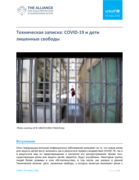
Опыт предыдущих вспышек инфекционных заболеваний указывает на то, что новые риски
для защиты детей могут возникать как в результате прямого воздействия COVID-19, так
...
и
в результате мер по предотвращению и контролю его распространения. Кроме того, существующие риски для защиты детей, вероятно, будут усугублены. Некоторые группы людей более уязвимы в этих обстоятельствах, в том числе, как указано в данной Технической записке, дети, лишенные свободы, у которых зачастую возникают риски с вопросами психосоциального, физического и психического здоровья, которые живут в людных или негигиеничных условиях и больше подвержены жестокому обращению, насилию и халатному отношению.
Technical note: COVID-19 and children deprived of their liberty
more
