
Filter
2674
Text search:
psychosocial
impact
Featured
291
628
Language
2437
208
68
49
45
23
22
8
6
5
5
4
4
4
3
3
2
2
2
2
2
2
2
2
2
1
1
1
1
1
1
1
1
1
1
1
1
1
1
1
Document type
1423
429
318
179
146
64
49
49
8
5
2
2
Countries
119
80
72
70
60
56
56
55
52
51
46
44
44
40
40
37
36
33
31
31
29
26
26
25
25
24
23
22
19
18
18
17
16
16
16
16
15
14
13
13
13
12
12
10
10
10
9
9
9
8
8
8
7
7
7
7
7
6
6
6
6
6
6
5
5
5
5
5
4
4
4
4
4
4
3
3
3
3
3
3
3
3
3
3
2
2
2
2
2
2
2
2
2
2
2
2
2
2
2
2
2
2
2
1
1
1
1
1
1
1
1
1
1
1
1
1
1
1
1
1
1
Authors & Publishers
323
95
93
63
61
60
60
57
49
28
27
27
24
23
23
21
20
20
19
19
18
18
17
17
17
14
14
13
13
12
12
11
10
10
9
9
9
9
9
9
9
8
8
8
8
8
8
8
7
7
7
7
7
7
7
7
7
6
6
6
6
6
6
6
6
6
6
6
5
5
5
5
5
5
5
5
5
5
5
5
5
5
5
5
5
5
4
4
4
4
4
4
4
4
4
4
4
4
4
4
4
4
4
4
4
4
4
4
4
4
4
4
4
4
4
4
4
3
3
3
3
3
3
3
3
3
3
3
3
3
3
3
3
3
3
3
3
3
3
3
3
3
3
3
3
3
3
3
3
3
3
3
3
3
3
3
3
3
3
3
3
3
3
3
3
3
3
3
3
3
3
3
3
3
3
3
3
2
2
2
2
2
2
2
2
2
2
2
2
2
2
2
2
2
2
2
2
2
2
2
2
2
2
2
2
2
2
2
2
2
2
2
2
2
2
2
2
2
2
2
2
2
2
2
2
2
2
2
2
2
2
2
2
2
2
2
2
2
2
2
2
2
2
2
2
2
2
2
2
2
2
2
2
2
2
2
2
2
2
2
2
2
2
2
2
2
2
2
2
2
2
2
2
2
2
2
2
2
2
2
2
2
2
2
2
2
2
2
2
2
2
2
2
2
2
2
2
2
2
2
2
2
2
2
2
2
2
2
2
2
2
2
2
2
2
2
2
2
2
2
2
2
2
2
2
2
2
2
2
1
1
1
1
1
1
1
1
1
1
1
1
1
1
1
1
1
1
1
1
1
1
1
1
1
1
1
1
1
1
1
1
1
1
1
1
1
1
1
1
1
1
1
1
1
1
1
1
1
1
1
1
1
1
1
1
1
1
1
1
1
1
1
1
1
1
1
1
1
1
1
1
1
1
1
1
1
1
1
1
1
1
1
1
1
1
1
1
1
1
1
1
1
1
1
1
1
1
1
1
1
1
1
1
1
1
1
1
1
1
1
1
1
1
1
1
1
1
1
1
1
1
1
1
1
1
1
1
1
1
1
1
1
1
1
1
1
1
1
1
1
1
1
1
1
1
1
1
1
1
1
1
1
1
1
1
1
1
1
1
1
1
1
1
1
1
1
1
1
1
1
1
1
1
1
1
1
1
1
1
1
1
1
1
1
1
1
1
1
1
1
1
1
1
1
1
1
1
1
1
1
1
1
1
1
1
1
1
1
1
1
1
1
1
1
1
1
1
1
1
1
1
1
1
1
1
1
1
1
1
1
1
1
1
1
1
1
1
1
1
1
1
1
1
1
1
1
1
1
1
1
1
1
1
1
1
1
1
1
1
1
1
1
1
1
1
1
1
1
1
1
1
1
1
1
1
1
1
1
1
1
1
1
1
1
1
1
1
1
1
1
1
1
1
1
1
1
1
1
1
1
1
1
1
1
1
1
1
1
1
1
1
1
1
1
1
1
1
1
1
1
1
1
1
1
1
1
1
1
1
1
1
1
1
1
1
1
1
1
1
1
1
1
1
1
1
1
1
1
1
1
1
1
1
1
1
1
1
1
1
1
1
1
1
1
1
1
1
1
1
1
1
1
1
1
1
1
1
1
1
1
1
1
1
1
1
1
1
1
1
1
1
1
1
1
1
1
1
1
1
1
1
1
1
1
1
1
1
1
1
1
1
1
1
1
1
1
1
1
1
1
1
1
1
1
1
1
1
1
1
1
1
1
1
1
1
1
1
1
1
1
1
1
1
1
1
1
1
1
1
1
1
1
1
1
1
1
1
1
1
1
1
1
1
1
1
1
1
1
1
1
1
1
1
1
1
1
1
1
1
1
1
1
1
1
1
1
1
1
1
1
1
1
1
1
1
1
1
1
1
1
1
1
1
1
1
1
1
1
1
1
1
1
1
1
1
1
1
1
1
1
1
1
1
1
1
1
1
1
1
1
1
1
1
1
1
1
1
1
1
1
1
1
1
1
1
1
1
1
1
1
1
1
1
1
1
1
1
1
1
1
1
1
1
1
1
1
1
1
1
1
1
1
1
1
1
1
1
1
1
1
1
1
1
1
1
1
1
1
1
1
1
1
1
1
1
1
1
1
1
1
1
1
1
1
1
1
1
1
1
1
1
1
1
1
1
1
1
1
1
1
1
1
1
1
1
1
1
1
1
1
1
1
1
1
1
1
1
1
1
1
1
1
1
1
1
1
1
1
1
1
1
1
1
1
1
1
1
1
1
1
1
1
1
1
1
1
1
1
1
1
1
1
1
1
1
1
1
1
1
1
1
1
1
1
1
1
1
1
1
1
1
1
1
1
1
1
1
1
1
1
1
1
1
1
1
1
1
1
1
1
1
1
1
1
1
1
1
1
1
1
1
1
1
1
1
1
1
1
1
1
1
1
1
1
1
1
1
1
1
1
1
1
1
1
1
1
1
1
1
1
1
1
1
1
1
1
1
1
1
1
1
1
1
1
1
1
1
1
1
1
1
1
1
1
1
1
1
1
1
1
1
1
1
1
1
1
1
1
1
1
1
1
1
1
1
1
1
1
1
1
1
1
1
1
1
1
1
1
1
1
1
1
1
1
1
1
1
1
1
1
1
1
1
1
1
1
1
1
1
1
1
1
1
1
1
1
1
1
1
1
1
1
1
1
1
1
1
1
1
1
1
1
1
1
1
1
1
1
1
1
1
1
1
1
1
1
1
1
1
1
1
1
1
1
1
1
1
1
1
1
1
1
1
1
1
1
1
1
1
1
1
1
1
1
1
1
1
1
1
1
1
1
1
1
1
1
1
1
1
1
1
1
1
1
1
1
1
1
1
1
1
1
1
1
1
1
1
1
1
1
1
1
1
1
1
1
1
1
1
1
1
1
1
1
1
1
1
1
1
1
1
1
1
1
1
1
1
1
1
1
1
1
1
1
1
1
1
1
1
1
1
1
1
1
1
1
1
1
1
1
1
1
1
1
1
1
1
1
1
1
1
1
1
1
1
1
1
1
1
1
1
1
1
1
1
1
1
1
1
1
1
1
1
1
1
1
1
1
1
1
1
1
1
1
1
1
1
1
1
1
1
1
1
1
1
1
1
1
1
1
1
1
1
1
1
1
1
1
1
1
1
1
1
1
1
1
1
1
1
1
1
1
1
1
1
1
1
1
1
1
1
1
1
1
1
1
1
1
1
1
1
1
1
1
1
1
1
1
1
1
1
1
1
1
1
1
1
1
1
1
1
1
1
1
1
1
1
1
1
1
1
1
1
1
1
1
1
1
1
1
1
1
1
1
1
1
1
1
1
1
1
1
1
1
1
1
1
1
1
1
1
1
1
1
1
1
1
1
1
1
1
1
1
1
1
1
1
1
1
1
1
1
1
1
1
1
1
1
1
1
1
1
1
1
1
1
1
1
1
1
1
1
1
1
1
1
1
1
1
1
1
1
1
1
1
1
1
1
1
1
1
1
1
1
1
1
1
1
1
1
1
1
1
1
1
1
1
1
1
1
1
1
1
1
1
1
1
1
1
1
1
1
1
1
1
1
1
1
1
1
1
1
1
1
1
1
1
1
1
1
1
1
1
1
1
1
1
1
1
1
1
1
1
1
1
1
1
1
1
1
1
1
1
1
1
1
1
1
1
1
1
1
1
1
1
1
1
1
1
1
1
1
1
1
1
1
1
1
1
1
1
1
1
1
1
1
1
1
1
1
1
1
1
1
1
1
1
1
1
1
1
1
1
1
1
1
1
1
1
1
1
1
1
1
1
1
1
1
1
1
1
1
1
1
1
1
1
1
1
1
1
1
1
1
1
1
1
1
1
1
1
1
1
1
1
1
1
1
1
1
1
1
1
1
1
1
1
1
1
1
1
1
1
1
1
1
1
1
1
1
1
1
1
1
1
1
1
1
1
1
1
1
1
1
1
1
1
1
1
1
1
1
1
1
1
1
1
1
1
1
1
1
1
1
1
1
1
1
1
1
1
1
1
1
1
1
1
1
1
1
1
1
1
1
1
1
1
1
1
1
1
1
1
1
1
1
1
1
1
1
1
1
1
1
1
1
1
1
1
1
1
1
1
1
1
1
1
1
1
1
1
1
1
1
1
1
1
1
1
1
1
1
1
1
1
1
1
1
1
1
1
1
1
1
1
1
1
1
1
1
1
1
1
1
1
1
1
1
1
1
1
1
1
1
1
1
1
1
1
1
1
1
1
1
1
1
1
1
1
1
1
1
1
1
1
1
1
1
1
1
1
1
1
1
1
1
1
1
1
1
1
1
1
1
1
1
1
1
1
1
1
1
1
1
1
1
1
1
1
1
1
1
1
1
1
1
1
1
1
1
1
1
1
1
1
1
1
1
1
1
1
1
1
1
1
1
1
1
1
1
1
1
1
1
1
1
1
1
1
1
1
1
1
1
1
1
1
1
1
1
1
1
1
1
1
1
1
1
1
1
1
1
1
1
1
1
1
1
1
1
1
1
1
1
1
1
1
1
1
1
1
1
1
1
1
1
1
1
1
1
1
1
1
1
1
1
1
1
1
1
1
1
1
1
1
1
1
1
1
1
1
1
1
1
1
1
1
1
1
1
1
1
1
1
1
1
1
1
1
1
1
1
1
1
1
1
1
1
1
1
1
1
1
1
1
1
1
1
1
1
1
1
1
1
1
1
1
1
1
1
1
1
1
1
1
1
1
1
1
1
1
1
1
1
1
1
1
1
1
1
1
1
1
1
1
1
1
1
1
1
1
1
1
1
1
1
1
1
1
1
1
1
1
1
1
1
1
1
1
1
1
1
1
1
1
1
1
1
1
1
1
1
1
1
1
1
1
1
1
Publication Years
891
1576
203
3
1
Category
913
186
166
133
121
70
4
2
Toolboxes
564
301
177
164
118
95
92
76
75
67
44
42
35
29
27
26
15
12
11
8
5
4
4
3
2
2
1

Countries, partners, and donors are committed to the global elimination of blinding trachoma by 2020.
Achieving this public health milestone requires more than funding; it requires health personnel with the
right mix of skills, and well supported and managed health systems. Mass drug administratio
...
n (MDA)
with Zithromax®, the Pfizer, Inc. donated antibiotic, is a key component of the SAFE strategy, endorsed
by the World Health Organization. There is growing
recognition that improving all aspects of MDA, from
planning to training, recording to reporting, and
receipt of drug to distribution (the supply chain), will
be necessary if MDA programmes are going to reduce
the community burden of Chlamydia trachomatis, and
eliminate trachoma as a cause of blindness by 2020.
more

This Guide responds to requests from practitioners and country teams who have learned about the Nurturing care framework and want to understand how to adapt health and nutrition services to be supportive of nurturing care and strengthen caregivers’ capacity.

Not long ago, on the occasion of the 100th anniversary of the discovery of Chagas disease, several campaigns denounced the scant progress has been made in diffrent spheres- medical, scientific and politcal- but major challanges still remain. This is an appropriate time to celebrate what has been ach
...
ieved and to take the next step.
more
Un an après le début de la pandémie, la COVID-19 a changé le monde et continue de peser sur notre quotidien. La pandémie a mis en évidence les lacunes des systèmes de santé tandis que le personnel de santé a été exposé au virus de façon
disproportionnée. Tout au long de l’année pas
...
sée, les infirmières ont affiché leur volonté et leur souplesse
en s’adaptant à de nouvelles méthodes de travail. Des millions d’infections à la COVID-19 ont été signalées parmi les agents de santé dans le monde et, hélas, le Conseil International des Infirmières (CII) a enregistré près de 3 000 décès qui lui sont
imputables parmi les infirmières dans 60 pays. Il est probable que le chiffre réel soit beaucoup plus élevé, le nombre d’infections et de décès parmi les agents de santé restant impossible à évaluer avec précision dans la mesure où de nombreux systèmes et pays n’ont pas assuré le suivi de cette question capitale.
Sur le long terme, les effets de la COVID-19, dont la « COVID longue » et le syndrome de stress posttraumatique différé, pourraient avoir d’importants effets délétères, en particulier sur le personnel infirmie
more
Conformément aux dispositions de l’article 19 de la Constitution de l’Organisation internationale du Travail (OIT), le Conseil d’administration, à sa 334e session (octobre-novembre 2018), a décidé que l’Étude d’ensemble qui devait être préparée par la Commission d’experts pour lâ
...
€™application des conventions et recommandations (CEACR) en 2020 et présentée à la
Conférence internationale du Travail (la conférence) en 2021 porterait sur quatre instruments relatifs au travail décent pour les travailleurs du soin et des services à la personne dans une économie en évolution: la convention (no 149) et la recommandation (no 157) sur le personnel infirmier, 1977, la convention (no 189) et la recommandation (no 201) sur les travailleuses et
travailleurs domestiques, 20111 . L’Étude d’ensemble examinerait en profondeur la situation en droit et en pratique des travailleurs du soin et des services à la personne au regard des conventions nos 149 et 189.
more
Lymphatic filariasis (LF) infection if untreated results in fluid accumulation in the limbs or breasts (lymphedema) or genitalia (hydrocele) that is painful and causes great discomfort. Morbidity management and disability prevention (MMDP) strategies such as surgery for hydrocele, treatment of acute
...
attacks and management of lymphedema are necessary for the management of the advanced stages of LF. However, very few countries including Zambia, have adequate information on the health beliefs and health seeking behavior of communities living in endemic areas towards MMDP services for LF. This study sought to explore community and health provider perspectives towards MMDP services for LF in a highly endemic region, Luangwa District, Zambia, between February and April 2019.
more
Le présent Atlas 2022 a été préparé par une équipe centrale du groupe organique Sous-Directrice régionale du Bureau régional de l’OMS pour l’Afrique sous la direction et l’orientation de Lindiwe Makubalo, directrice du groupe organique, et de Humphrey Cyprian Karamagi, chef de
...
l’équipe Analyse des données et gestion du savoir. L’équipe technique principale était composée de Berence Relisy Ouaya Bouesso, Anaclet Geraud Nganga Koubemba, Bertha Kembabazi, Jadice Mandimba, Aminata Seydi, Sokona Sy, Monde Mambimongo Wangou et Auge Wilson, qui ont travaillé sous la coordination de Serge Bataliack.
more

The Return Counselling Toolkit is a capacity-building instrument aimed at providing a harmonized and coherent approach to return counselling, based on key migrant-centred principles while protecting migrants’ rights. Mindful of the specific needs and rights pertaining to children, this additional
...
module on counselling children and families further complements the first five modules of the Return Counselling Toolkit. It provides specialized guidance on how to prepare and deliver return counselling to accompanied, unaccompanied and separated children while upholding child rights and safeguards.
more

This information can be used to assess the extent of the damage and the needs of affected communities. Information should be gathered on the extent of damage to infrastructure, housing, and public facilities such as hospitals, schools, and water systems. This information can be used to prioritize th
...
e response effort and to direct resources to where they are most needed.
In addition to gathering information on the extent of damage, it is also important to gather information on the number of people affected and the types of assistance they need. This may include information on the number of people who are injured, displaced, or in need of shelter, food, and water. This information can be used to prioritize the response effort and to ensure that assistance is provided in a way that meets the specific needs of affected communities.
more
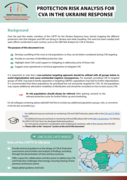
Over the past few weeks, members of the C4PTF for the Ukraine Response have started mapping the different protection risks that refugees and IDPs are facing in Ukraine and while travelling. This work has been notably built upon efforts conducted in each country, such as the GBV Risk Analysis for CVA
...
in Ukraine.
more

This guideline provides evidence-based recommendations on parenting interventions for parents and caregivers of children aged 0–17 years that are designed to reduce child maltreatment and harsh parenting, enhance the parent–child relationship, and prevent poor mental health among parents and emo
...
tional and behavioural problems among children.
more
Le « Cadre d’action européen de l’OMS visant à permettre aux personnes handicapées d’atteindre le meilleur état de santé possible 2022-2030 » proposé a été élaboré en concertation avec les États membres de la Région européenne de l’OMS et réaffirmé lors de multiples concerta
...
tions avec ces États et les organisations de personnes handicapées.
more
This background document (EUR/RC72/BG/7) was considered and adopted by the WHO Regional Committee for Europe at its 72nd session (Tel Aviv, Israel, 12–14 September 2022), together with the working document (EUR/RC72/7) and information document (EUR/RC72/INF./4). The Regiona
...
l Committee adopted resolution EUR/RC72/R3, in which it endorsed the framework.
more

Le Cadre d’action régional vise à aider les États Membres, l’OMS et tous les autres donateurs et partenaires à travailler ensemble pour remédier systématiquement et progressivement aux diverses faiblesses relevées dans les principaux domaines programmatiques et/ou de contribuer à renforc
...
er les composantes pertinentes des systèmes de santé, de façon à fournir un accès universel et équitable aux
interventions et aux services essentiels liés aux MTN, notamment pour les populations marginalisées et peu accessibles, et à parvenir rapidement à la maîtrise et à l’élimination des MTN.
more

Despite the existence of criminal law, which is an important aspect of anti-FGM policies and programmes, there is not much research on the effects of cross-border practices that invalidate the law as a deterrent. Much remains unknown about the practice of cross-border FGM, specifically about gaps in
...
existing policy and legislation for managing cross-border FGM, as well as whether the existing interventions in the cross-border areas are sufficiently targeted to facilitate changes in social norms
more
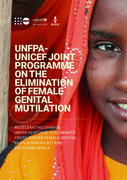
This report provides insight into the work that UNFPA has been doing to tackle FGM across borders in these border areas, where country offices are implementing a wide range of initiatives to address the issue. The information provided in this report is structured into four pillars, namely those list
...
ed in the regional action plan to eliminate cross-border FGM endorsed by the Governments that participated in the interministerial meeting on ending cross-border FGM held in 2019.
more

To enhance health co-benefits across urban policies which tackle air pollution and climate change, WHO, in cooperation with various international, national, and local partners, implemented the Urban Health Initiative (UHI) pilot project in Accra, Ghana. The Initiative prompted the health sector to u
...
se its influential position to demonstrate to decision-makers and the public the full range of health, environmental and economic benefits that can be achieved from implementing local emission reduction and energy access policies and strategies. Policy tracking, although not always considered, is a fundamental component of this procedure. It assesses the planning, implementation and progress of a policy to refine or adjust policies with the final objective of increasing the likelihood of the policy being successful. This report is an outcome of the last component of the UHI model process, Policy tracking and monitoring outcomes. The report proposes a framework for tracking urban health policies, with a special focus on the impacts of air quality and energy access on human health and well-being in African countries, giving some examples from the pilot project in Accra. The report also provides resources to survey air quality in cities and other tools to assess public health and the environmental impacts of urban policies and monitor or track their effects.
more
The full-scale invasion of Ukraine has caused a deterioration in the level of access to health-care services and medicines in the country, particularly for people living in regions close to the front line and areas that are not partially or fully controlled by the Government of Ukraine, and for peop
...
le who have been internally displaced. Cost and time constraints involved in getting to and from health facilities, as well as limited transportation options were the main barriers to accessing essential health-care services. At the same time, the findings show that the country’s health system remains resilient and that overall access to health services is fairly high.This report is based on data collected through a quantitative cross-sectional survey of self-reported health needs of the general population in Ukraine. It presents results of the first round survey conducted in September 2022 and could help to address the specific health-care needs of the population groups concerned.
more
More than 700 000 people lose their life to suicide every year. A core foundation of suicide prevention is the timely registration and regular monitoring of suicide and self-harm. Surveillance data can be used to show important progress towards reaching global targets, such as reducing the suicide r
...
ate by one third by 2030 as articulated in the UN SDGs and in the WHO Mental Health Action Plan 2013-2030. However, there are considerable discrepancies in the quality of data on suicide and self-harm globally. The aim of this training manual is to equip fieldworkers and supervisors with the skills to collect and manage data on suicide and self-harm in the community via key informants, health-care facilities and police records. In doing so, the value and overall goal is to strengthen the surveillance of suicide and self-harm in communities, particularly in LMICs and hard-to-reach communities where CRVS systems are weak or absent.
more

World Health Organization. (2021). Minimum technical standards and recommendations for reproductive, maternal, newborn and child health care for emergency medical teams. World Health Organization.
