
Filter
4311
Text search:
control
act
Featured
421
1243
Language
4165
145
102
64
58
34
26
24
9
8
7
7
7
6
6
6
6
5
5
4
4
4
4
4
4
4
4
3
3
3
3
3
3
3
3
3
3
3
2
2
2
2
2
2
2
2
1
1
1
1
1
1
1
1
1
1
1
1
1
1
1
1
Document type
2294
739
534
301
207
108
58
31
14
12
6
2
1
1
Countries
239
230
167
135
116
98
91
90
89
79
78
75
75
73
71
60
60
60
48
45
39
39
36
33
31
30
29
27
24
24
24
23
23
20
19
18
18
17
17
16
16
15
13
13
13
13
12
11
11
11
11
10
10
10
10
9
8
8
6
6
6
5
5
5
5
5
5
5
5
5
5
5
4
4
4
4
4
4
3
3
3
3
3
3
3
3
3
3
2
2
2
2
2
2
2
2
2
2
2
2
2
2
2
2
2
2
2
1
1
1
1
1
1
1
1
1
1
1
1
1
1
1
1
1
1
1
1
1
1
1
1
1
1
Authors & Publishers
502
137
115
104
87
74
66
59
43
42
29
24
24
22
21
20
19
19
18
18
16
16
16
16
16
15
15
15
15
15
15
15
14
14
13
13
13
12
11
11
11
11
11
11
11
10
10
10
10
9
9
9
9
9
9
9
9
9
9
9
9
9
8
8
8
8
8
8
8
8
8
8
8
7
7
7
7
7
7
7
7
7
7
7
7
7
7
7
7
7
6
6
6
6
6
6
6
6
6
6
6
6
6
6
6
6
6
6
6
6
6
5
5
5
5
5
5
5
5
5
5
5
5
5
5
5
5
5
5
5
5
5
5
5
5
5
5
5
5
5
4
4
4
4
4
4
4
4
4
4
4
4
4
4
4
4
4
4
4
4
4
4
4
4
4
4
4
4
4
4
4
4
4
4
4
4
4
4
4
4
4
4
4
3
3
3
3
3
3
3
3
3
3
3
3
3
3
3
3
3
3
3
3
3
3
3
3
3
3
3
3
3
3
3
3
3
3
3
3
3
3
3
3
3
3
3
3
3
3
3
3
3
3
3
3
3
3
3
3
3
3
3
3
3
3
3
3
3
3
3
3
3
3
3
3
3
3
3
3
3
3
3
3
2
2
2
2
2
2
2
2
2
2
2
2
2
2
2
2
2
2
2
2
2
2
2
2
2
2
2
2
2
2
2
2
2
2
2
2
2
2
2
2
2
2
2
2
2
2
2
2
2
2
2
2
2
2
2
2
2
2
2
2
2
2
2
2
2
2
2
2
2
2
2
2
2
2
2
2
2
2
2
2
2
2
2
2
2
2
2
2
2
2
2
2
2
2
2
2
2
2
2
2
2
2
2
2
2
2
2
2
2
2
2
2
2
2
2
2
2
2
2
2
2
2
2
2
2
2
2
2
2
2
2
2
2
2
2
2
2
2
2
2
2
2
2
2
2
2
2
2
2
2
2
2
2
2
2
2
2
2
2
2
2
2
2
2
2
2
2
2
2
2
2
2
2
2
2
2
2
2
2
2
2
2
2
2
2
2
2
2
2
2
2
2
2
2
2
2
2
2
2
2
2
2
2
2
2
2
2
2
2
2
2
2
2
2
2
2
2
2
2
2
2
2
2
2
2
2
2
2
2
2
2
2
2
2
2
2
2
2
2
2
2
2
2
2
2
2
2
2
2
2
2
1
1
1
1
1
1
1
1
1
1
1
1
1
1
1
1
1
1
1
1
1
1
1
1
1
1
1
1
1
1
1
1
1
1
1
1
1
1
1
1
1
1
1
1
1
1
1
1
1
1
1
1
1
1
1
1
1
1
1
1
1
1
1
1
1
1
1
1
1
1
1
1
1
1
1
1
1
1
1
1
1
1
1
1
1
1
1
1
1
1
1
1
1
1
1
1
1
1
1
1
1
1
1
1
1
1
1
1
1
1
1
1
1
1
1
1
1
1
1
1
1
1
1
1
1
1
1
1
1
1
1
1
1
1
1
1
1
1
1
1
1
1
1
1
1
1
1
1
1
1
1
1
1
1
1
1
1
1
1
1
1
1
1
1
1
1
1
1
1
1
1
1
1
1
1
1
1
1
1
1
1
1
1
1
1
1
1
1
1
1
1
1
1
1
1
1
1
1
1
1
1
1
1
1
1
1
1
1
1
1
1
1
1
1
1
1
1
1
1
1
1
1
1
1
1
1
1
1
1
1
1
1
1
1
1
1
1
1
1
1
1
1
1
1
1
1
1
1
1
1
1
1
1
1
1
1
1
1
1
1
1
1
1
1
1
1
1
1
1
1
1
1
1
1
1
1
1
1
1
1
1
1
1
1
1
1
1
1
1
1
1
1
1
1
1
1
1
1
1
1
1
1
1
1
1
1
1
1
1
1
1
1
1
1
1
1
1
1
1
1
1
1
1
1
1
1
1
1
1
1
1
1
1
1
1
1
1
1
1
1
1
1
1
1
1
1
1
1
1
1
1
1
1
1
1
1
1
1
1
1
1
1
1
1
1
1
1
1
1
1
1
1
1
1
1
1
1
1
1
1
1
1
1
1
1
1
1
1
1
1
1
1
1
1
1
1
1
1
1
1
1
1
1
1
1
1
1
1
1
1
1
1
1
1
1
1
1
1
1
1
1
1
1
1
1
1
1
1
1
1
1
1
1
1
1
1
1
1
1
1
1
1
1
1
1
1
1
1
1
1
1
1
1
1
1
1
1
1
1
1
1
1
1
1
1
1
1
1
1
1
1
1
1
1
1
1
1
1
1
1
1
1
1
1
1
1
1
1
1
1
1
1
1
1
1
1
1
1
1
1
1
1
1
1
1
1
1
1
1
1
1
1
1
1
1
1
1
1
1
1
1
1
1
1
1
1
1
1
1
1
1
1
1
1
1
1
1
1
1
1
1
1
1
1
1
1
1
1
1
1
1
1
1
1
1
1
1
1
1
1
1
1
1
1
1
1
1
1
1
1
1
1
1
1
1
1
1
1
1
1
1
1
1
1
1
1
1
1
1
1
1
1
1
1
1
1
1
1
1
1
1
1
1
1
1
1
1
1
1
1
1
1
1
1
1
1
1
1
1
1
1
1
1
1
1
1
1
1
1
1
1
1
1
1
1
1
1
1
1
1
1
1
1
1
1
1
1
1
1
1
1
1
1
1
1
1
1
1
1
1
1
1
1
1
1
1
1
1
1
1
1
1
1
1
1
1
1
1
1
1
1
1
1
1
1
1
1
1
1
1
1
1
1
1
1
1
1
1
1
1
1
1
1
1
1
1
1
1
1
1
1
1
1
1
1
1
1
1
1
1
1
1
1
1
1
1
1
1
1
1
1
1
1
1
1
1
1
1
1
1
1
1
1
1
1
1
1
1
1
1
1
1
1
1
1
1
1
1
1
1
1
1
1
1
1
1
1
1
1
1
1
1
1
1
1
1
1
1
1
1
1
1
1
1
1
1
1
1
1
1
1
1
1
1
1
1
1
1
1
1
1
1
1
1
1
1
1
1
1
1
1
1
1
1
1
1
1
1
1
1
1
1
1
1
1
1
1
1
1
1
1
1
1
1
1
1
1
1
1
1
1
1
1
1
1
1
1
1
1
1
1
1
1
1
1
1
1
1
1
1
1
1
1
1
1
1
1
1
1
1
1
1
1
1
1
1
1
1
1
1
1
1
1
1
1
1
1
1
1
1
1
1
1
1
1
1
1
1
1
1
1
1
1
1
1
1
1
1
1
1
1
1
1
1
1
1
1
1
1
1
1
1
1
1
1
1
1
1
1
1
1
1
1
1
1
1
1
1
1
1
1
1
1
1
1
1
1
1
1
1
1
1
1
1
1
1
1
1
1
1
1
1
1
1
1
1
1
1
1
1
1
1
1
1
1
1
1
1
1
1
1
1
1
1
1
1
1
1
1
1
1
1
1
1
1
1
1
1
1
1
1
1
1
1
1
1
1
1
1
1
1
1
1
1
1
1
1
1
1
1
1
1
1
1
1
1
1
1
1
1
1
1
1
1
1
1
1
1
1
1
1
1
1
1
1
1
1
1
1
1
1
1
1
1
1
1
1
1
1
1
1
1
1
1
1
1
1
1
1
1
1
1
1
1
1
1
1
1
1
1
1
1
1
1
1
1
1
1
1
1
1
1
1
1
1
1
1
1
1
1
1
1
1
1
1
1
1
1
1
1
1
1
1
1
1
1
1
1
1
1
1
1
1
1
1
1
1
1
1
1
1
1
1
1
1
1
1
1
1
1
1
1
1
1
1
1
1
1
1
1
1
1
1
1
1
1
1
1
1
1
1
1
1
1
1
1
1
1
1
1
1
1
1
1
1
1
1
1
1
1
1
1
1
1
1
1
1
1
1
1
1
1
1
1
1
1
1
1
1
1
1
1
1
1
1
1
1
1
1
1
1
1
1
1
1
1
1
1
1
1
1
1
1
1
1
1
1
1
1
1
1
1
1
1
1
1
1
1
1
1
1
1
1
1
1
1
1
1
1
1
1
1
1
1
1
1
1
1
1
1
1
1
1
1
1
1
1
1
1
1
1
1
1
1
1
1
1
1
1
1
1
1
1
1
1
1
1
1
1
1
1
1
1
1
1
1
1
1
1
1
1
1
1
1
1
1
1
1
1
1
1
1
1
1
1
1
1
1
1
1
1
1
1
1
1
1
1
1
1
1
1
1
1
1
1
1
1
1
1
1
1
1
1
1
1
1
1
1
1
1
1
1
1
1
1
1
1
1
1
1
1
1
1
1
1
1
1
1
1
1
1
1
1
1
1
1
1
1
1
1
1
1
1
1
1
1
1
1
1
1
1
1
1
1
1
1
1
1
1
1
1
1
1
1
1
1
1
1
1
1
1
1
1
1
1
1
1
1
1
1
1
1
1
1
1
1
1
1
1
1
1
1
1
1
1
1
1
1
1
1
1
1
1
1
1
1
1
1
1
1
1
1
1
1
1
1
1
1
1
1
1
1
1
1
1
1
1
1
1
1
1
1
1
1
1
1
1
1
1
1
1
1
1
1
1
1
1
1
1
1
1
1
1
1
1
1
1
1
1
1
1
1
1
1
1
1
1
1
1
1
1
1
1
1
1
1
1
1
1
1
1
1
1
1
1
1
1
1
1
1
1
1
1
1
1
1
1
1
1
1
1
1
1
1
1
1
1
1
1
1
1
1
1
1
1
1
1
1
1
1
1
1
1
1
1
1
1
1
1
1
1
1
1
1
1
1
1
1
1
1
1
1
1
1
1
1
1
1
1
1
1
1
1
1
1
1
1
1
1
1
1
1
1
1
1
1
1
1
1
1
1
1
1
1
1
1
1
1
1
1
1
1
1
1
1
1
1
1
1
1
1
1
1
1
1
1
1
1
1
1
1
1
1
1
1
1
1
1
1
1
1
1
1
1
1
1
1
1
1
1
1
1
1
1
1
1
1
1
1
1
1
1
1
1
1
1
1
1
1
1
1
1
1
1
1
1
1
1
1
1
1
1
1
1
1
1
1
1
1
1
1
1
1
1
1
1
1
1
1
1
1
1
1
1
1
1
1
1
1
1
1
1
1
1
1
1
1
1
1
1
1
1
1
1
1
1
1
1
1
1
1
1
1
1
1
1
1
1
1
1
1
1
1
1
1
1
1
1
1
1
1
1
1
1
1
1
1
1
1
1
1
1
1
1
1
1
1
1
1
1
1
1
1
1
1
1
1
1
1
1
1
1
1
1
1
1
1
1
1
1
1
1
1
1
1
1
1
1
1
1
1
1
1
1
1
1
1
1
1
1
1
1
1
1
1
1
1
1
1
1
1
1
1
1
1
1
1
1
1
1
1
1
1
1
1
1
1
1
1
1
1
1
1
1
1
1
1
1
1
1
1
1
1
1
1
1
1
1
1
1
1
1
1
1
1
1
1
1
1
1
1
1
1
1
1
1
1
1
1
1
1
1
1
1
1
1
1
1
1
1
1
1
1
1
1
1
1
1
1
1
1
1
1
1
1
1
1
1
1
1
1
1
1
1
1
1
1
1
1
1
1
1
1
1
1
1
1
1
1
1
1
1
1
1
1
1
1
1
1
1
1
1
1
1
1
1
1
1
1
1
1
1
1
1
1
1
1
1
1
1
1
1
1
1
1
1
1
1
1
1
1
1
1
1
1
1
1
1
1
1
1
1
1
1
1
1
1
1
1
1
1
1
1
1
1
1
1
1
1
1
1
1
1
1
1
1
1
1
1
1
1
1
1
1
1
1
1
1
1
1
1
1
1
1
1
1
1
1
1
1
1
1
1
1
1
1
1
1
1
1
1
1
1
1
1
1
1
1
1
1
1
1
1
1
1
1
1
1
1
1
1
1
1
1
1
1
1
1
1
1
1
1
1
1
1
1
1
1
1
1
1
1
1
1
1
1
1
1
1
1
1
1
1
1
1
1
1
1
1
1
1
1
1
1
1
1
1
1
1
1
1
1
1
1
1
1
1
1
1
1
1
1
1
1
1
1
1
1
1
1
1
1
1
1
1
1
1
1
1
1
1
1
1
1
1
1
1
1
1
1
1
1
1
1
1
1
1
1
1
1
1
1
1
1
1
1
1
1
1
1
1
1
1
1
1
1
1
1
1
1
1
1
1
1
1
1
1
1
1
1
1
1
1
1
1
1
1
1
1
1
1
1
1
1
1
1
1
1
1
1
1
1
1
1
1
1
1
1
1
1
1
1
1
1
1
1
1
1
1
1
1
1
1
1
1
1
1
1
1
1
1
1
1
1
1
1
1
1
1
1
1
1
1
1
1
1
1
1
1
1
1
1
1
1
1
1
1
1
1
1
1
1
1
1
1
1
1
1
1
1
1
1
1
1
1
1
1
1
1
1
1
1
1
1
1
1
1
1
1
1
1
1
1
1
1
1
1
1
1
1
1
1
1
1
1
1
1
1
1
1
1
1
1
1
1
1
1
1
1
1
1
1
1
1
1
1
1
1
1
1
1
1
1
1
1
1
1
1
1
1
1
1
1
1
1
1
1
1
1
1
1
1
1
1
1
1
1
1
1
1
1
1
1
1
1
1
1
1
1
1
1
1
1
1
1
1
1
1
1
1
1
1
1
1
1
1
1
1
1
1
1
1
1
1
1
1
1
1
1
1
1
1
1
1
1
1
1
1
1
1
1
1
1
1
1
1
1
1
1
1
1
1
1
1
1
1
1
1
1
1
1
1
1
1
1
1
1
1
1
1
1
1
1
1
1
1
1
1
1
1
1
1
1
1
1
1
1
1
1
1
1
1
1
1
1
1
1
1
1
1
1
1
1
1
1
1
1
1
1
1
1
1
1
1
1
1
1
1
1
1
1
1
1
1
1
1
1
1
1
1
1
1
1
1
1
1
1
1
1
1
1
1
1
1
1
1
1
1
1
1
1
1
1
1
1
1
1
1
1
1
1
1
1
1
1
1
1
1
1
1
1
1
1
1
1
1
1
1
1
1
1
1
1
1
1
1
1
1
1
1
1
1
1
1
1
1
1
1
1
1
1
1
1
1
1
1
1
1
1
1
1
1
1
1
1
1
1
1
1
1
1
1
1
1
1
1
1
1
1
1
1
1
1
1
1
1
1
1
1
1
1
1
1
1
1
1
1
1
1
1
1
1
1
1
1
1
1
1
1
1
1
1
1
1
1
1
1
1
1
1
1
1
1
1
1
1
1
1
1
1
1
1
1
1
1
1
1
1
1
1
1
1
1
1
1
1
1
1
1
1
1
1
1
1
1
1
1
1
1
1
1
1
1
1
1
1
1
1
1
1
1
1
1
1
1
1
1
1
1
1
1
1
1
1
1
1
1
1
1
1
1
1
1
1
1
1
1
1
1
1
1
1
1
1
1
1
1
1
1
1
1
1
1
1
1
1
1
1
1
1
1
1
1
1
1
1
1
1
1
1
1
1
1
1
1
1
1
1
1
1
1
1
1
1
1
1
1
1
1
1
1
1
1
1
1
1
1
1
1
1
1
1
1
1
1
1
1
1
1
1
1
1
1
1
1
1
1
1
1
1
1
1
1
1
1
1
1
1
1
1
1
1
1
1
1
1
1
1
1
1
1
1
1
1
1
1
1
1
1
1
1
1
1
1
1
1
1
1
1
1
1
1
1
1
1
1
1
1
1
1
1
1
1
1
1
1
1
1
1
1
1
1
1
1
1
1
1
1
1
1
1
1
1
1
1
1
1
1
1
1
1
1
1
1
1
1
1
1
1
1
1
1
1
1
1
1
1
1
1
1
1
1
1
1
1
1
1
1
1
1
1
1
1
1
1
1
1
1
1
1
1
1
1
1
1
1
1
1
1
1
1
1
1
1
1
1
1
1
1
1
1
1
1
1
1
1
1
1
1
1
1
1
1
1
1
1
1
1
1
1
1
1
1
1
1
1
1
1
1
1
1
1
1
1
1
1
1
1
1
1
1
1
1
1
1
1
1
1
1
1
1
1
1
1
1
1
1
1
1
1
1
1
1
1
1
1
1
1
1
1
1
1
1
1
1
1
1
1
1
1
1
1
1
1
1
1
1
1
1
1
1
1
1
1
1
1
1
1
1
1
1
1
Publication Years
1
1200
2661
421
22
3
1
2
Category
1780
341
272
215
209
105
34
Toolboxes
371
310
186
145
142
139
129
123
113
108
106
105
95
87
83
79
79
58
53
53
42
34
26
22
15
2
1

Pillar 3 of the Global technical strategy for malaria 2016–2030 calls for the transformation of malaria surveillance into a core intervention in all malaria-endemic countries, as well as in countries which have eliminated malaria but remain susceptible to re-establishment of transmission. This ref
...
erence manual covers subjects that are relevant to both settings.
The target readership of this manual includes staff working in ministries of health, national malaria programmes and health information systems; partners involved in malaria surveillance; and WHO technical officers who advise countries on malaria surveillance.
more

This global guidance was developed to support malaria-free countries and those that are close to malaria elimination to prevent re-establishment. The document outlines key concepts and principles for preventing re-establishment and provides guidance on strategies, interventions, planning and managem
...
ent. Country examples are included to highlight good practices and illustrate practical applications.
more

These guidelines promote the delivery of people-centred health services for STIs by providing evidence-based recommendations related to decentralization, integration, task sharing and digital health. These recommendations complement existing WHO guidelines for STI testing, treatment and management,
...
and other service delivery interventions, such as self-care interventions. All the recommendations will be incorporated into the forthcoming WHO consolidated guidelines on STI prevention and care.
more
Buruli ulcer (BU) is a skin-related neglected tropical disease (skin NTD) caused by infection with
Mycobacterium ulcerans. BU is the third most common mycobacterial disease after tuberculosis and leprosy
in people who are not immunocompromised. The infection manifests in non-ulcerative forms as no
...
dules,
plaques and/or oedemas, which ulcerate within 4–6 weeks and display characteristic undermined edges and yellowish-white necrotic slough . Most lesions occur on the lower limbs.
more
2023 was another year of significant progress in the fight against HIV, tuberculosis (TB) and malaria. In countries where the Global
Fund invests, there has been a full recovery from the disruptive impact of the COVID-19 pandemic. The results we have achieved in the last year build on our extraord
...
inary track record of progress. Over the last two decades, our partnership has cut the combined death rate from AIDS, TB and malaria by 61%. As of the end of 2023, the Global Fund partnership has saved 65 million lives.
more

The annual bulletin of the Mekong Malaria Elimination (MME) programme is a yearly report that reviews ongoing efforts to combat multidrug resistance and eliminate malaria in the 6 countries of the Greater Mekong subregion (GMS): Cambodia, China (Yunnan province), Lao People's Democratic Republic, My
...
anmar, Thailand and Viet Nam.
more

Malaria remains a significant public health concern in the SADC region, accounting for 20% of childhood deaths, as well as prompting numerous outpatient visits and hospitalisations. Around three-quarters of the population, including 35 million children under the age of five and 8.5 million pregnant
...
women, are at risk. Transmission patterns vary from high and stable in the north to malaria-free in the south, with low, unstable and seasonal zones in between. Although interventions such as indoor residual spraying (IRS), insecticide-treated nets (ITNs/LLINs), intermittent preventive treatment in pregnancy (IPTp), rapid diagnostic tests (RDTs), and artemisinin-based combination therapies (ACTs) have reduced the malaria burden, challenges persist in terms of funding, human resources, surveillance, and cross-border coordination. Achieving malaria elimination in the SADC region requires harmonised regional standards, strengthened surveillance, and improved access to quality treatment and policy prioritisation.
Accessed on 27/08/2025.
more
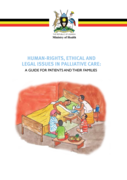
The guide helps patients to understand their rights in relation to the care received and provides insights into the common legal and
human rights issues they may encounter, and encourages them to share these with the health care provider for support. This booklet covers key issues that you mig
...
ht need to understand about ethical care, human rights and legal aspects. It aims to help people with serious illness as they face these issues, and give them guidance on how they can find solutions.
more
In this guide, the African Palliative Care Association (APCA) has put together evidence‑based information on the use of specific opioids commonly used in the management of moderate‑to‑severe pain to manage both cancer and non‑cancer pain. APCA hopes that this guide will be a useful tool i
...
n aiding health professionals at all levels of healthcare delivery to assess and manage pain using opioids. All opioids included in this guide are listed on the WHO model list of essential medicines but we remind readers that oral morphine is the standard opioid of choice for managing moderate‑to‑severe pain and we recommend that it should be made available at all times.
more

WHO guideline on HIV service delivery
recommended
Updated guidance on the integration of diabetes, hypertension and mental health services, and interventions to support adherence to antiretroviral therapy. The guideline offers practical implementation guidance for countries and key stakeholders as well as outlining key research gaps. As life expec
...
tancy for people living with HIV continues to increase, managing noncommunicable diseases, mental health, and adherence to antiretroviral therapy is essential to sustaining treatment success, quality of life, and engagement in care. A life course approach addresses these needs from childhood through older age. Service integration supports more person-centred, coordinated care across the life course.
more

On Global Handwashing Day, WHO and UNICEF have released the first-ever global Guidelines on Hand Hygiene in Community Settings to support governments and practitioners in promoting effective hand hygiene outside health care – across households, public spaces and institutions. Framing hand hygiene
...
as a public good and a government responsibility, the Guidelines translate evidence into ready-to-adopt actions that enable sustainable access to effective hygiene services. This will reduce diarrhoeal disease, acute respiratory infections and other preventable illnesses, strengthening routine public health where people live, work, visit and study, and emergency preparedness, including outbreaks like cholera.
Despite clear benefits, 1.7 billion people still lacked basic hand hygiene services at home in 2024, including 611 million with no facility at all. Meeting the 2030 target will require accelerated progress – about a doubling in the global rate, and much faster in specific settings (up to 11-fold in least-developed countries and 8-fold in fragile contexts). Hand hygiene remains one of the most cost-effective health investments, reducing diarrhoea by 30% and acute respiratory infections by 17%, with large, measurable gains for population health.
“Clean hands save lives, but results at scale require policy, financing and accountability,” said Dr Ruediger Krech, Director a.i, Department of Environment, Climate Change, One Health & Migration at the World Health Organization. “These Guidelines help countries move beyond fragmented projects to government-led systems that make soap, water, and conditions conducive to everyday hand hygiene the norm.”
“Children and young people pay the highest price when basic hygiene is out of reach,” said Cecilia Scharp, Director, Water Sanitation and Hygiene (WASH) Team, Programme Group, UNICEF. “These Guidelines provide practical steps to ensure facilities are accessible when they need to be – in homes, schools, markets, and transport hubs – so every child can learn, play and thrive with dignity.”
more

This plan, approved by the Organization’s 62nd Directing Council, was shaped by extensive consultations with countries and stakeholders, and commits to transformative health outcomes over the next six years, tackling noncommunicable diseases (NCDs), mental health, health security, fragmented healt
...
h systems and services, and the elimination of communicable diseases, amongst others.
“The COVID-19 pandemic taught us that the Region of the Americas is stronger when we work together,” said Dr. Jarbas Barbosa, PAHO Director. “This Strategic Plan harnesses our collective strength to build resilient health systems, reduce disease burden, and improve health and well-being for all across the Americas.”
The plan builds on lessons from the COVID-19 pandemic, which exposed gaps in health systems while highlighting the power of joint action. It targets measurable impacts in countries, such as reducing maternal mortality, reversing rising suicide rates, and eliminating diseases like leprosy and Chagas.
more

Adolescents and young adults aged 10-24 remain underserved in the global response against HIV. Combination prevention, treatment and care programmes use a mix of evidence-based interventions to meet the current HIV prevention needs of adolescents and young adults. However, there needs to be a focus
...
on priority interventions that are evidence-based, practical, contextual and sustainable. This document highlights interventions and recommendations that have passed through the evidence-based lens of the WHO.
more

Epidemics and pandemics are some of the biggest threats to a safe and healthy world. But with effective preparedness and response measures, we can reduce their impacts and even stop them in their tracks.
Through the Programmatic Partnership with the European Union, 24 local Red Cross and Red Cres
...
cent Societies have been working to keep communities healthy and safe from epidemics and pandemics with technical assistance, advocacy support and coordination from IFRC and European National Societies. They do so by equipping communities with knowledge and tools to stop the spread of diseases and by setting up systems so they can report outbreaks quickly, enabling a rapid response from authorities. National Societies have also significantly developed their own epidemic preparedness and response capacity.
more
Measles is one of the most contagious diseases for humans. It is caused by a paramyxovirus virus, manifesting as a febrile rash illness. The incubation period for measles usually is 10–14 days (range 7–23 days) from exposure to symptom onset. Initial symptoms (prodrome) generally consist of feve
...
r, malaise, cough, conjunctivitis, and coryza. The characteristic maculopapular rash appears two to four days after onset of the prodrome. Patients are usually contagious from about four days before rash onset until four days after its appearance.
more

A primer for health centers
Background Note: Briefing to the Executive Board, First Regular Session 2025

Educational Booklet

Continuum of HIV services refers to a comprehensive package of HIV prevention, diagnostic, treatment, care and support services provided for people at risk of infection or living with HIV and their families. This revised edition of the guidelines for use of ARV and opportunistic infection
(OI) dru
...
gs in adults, adolescents and children is based on recent national and
global evidences and experiences. The Federal Ministry of Health believes that
these guidelines, along with other national guidelines and training manuals, will be
instrumental in maintaining the standard of care and ensuring quality of HIV service
delivery.
more

A service guide for site operations
