
Filter
1372
Text search:
resilient
development
Featured
118
332
Language
Document type
506
435
146
128
99
23
17
8
6
2
1
Countries
132
49
45
44
29
25
25
24
21
19
18
17
17
17
17
17
16
16
15
14
13
12
12
11
11
10
10
9
8
8
8
8
8
7
6
6
6
6
5
5
5
5
5
4
4
4
4
4
4
4
4
4
4
3
3
3
3
3
3
3
2
2
2
2
2
2
2
2
2
2
2
1
1
1
1
1
1
1
1
1
1
1
1
1
1
1
1
1
1
1
1
1
1
1
1
1
1
Authors & Publishers
Publication Years
Category
404
168
89
52
35
13
6
Toolboxes
208
139
96
73
59
59
55
54
52
52
45
42
27
21
21
19
16
15
15
7
7
6
4
3
2
1

Adolescence is a critical stage in life for physical, cognitive and emotional development, shaping future health and well-being. Comprehensive measurement of adolescent health is essential to prioritize health issues, guide interventions and track p
...

The Polio Transition1
Monitoring and Evaluation (M&E) Framework was designed to monitor progress towards achieving the strategic and operational outcomes of the post-2023 Strategic Action Plan on Polio Transition (2018– 2023), as outlined in the Global Vision to use polio investments to build st
...

The South African WHO Country Cooperation Strategy (CCS) 2023–2027 focuses on four key strategic priorities based on the country’s health needs and disease epidemiology, while also considering the need for building resilient health systems for U
...

Tax capacity—the policy, institutional, and technical capabilities to collect tax revenue—is part of a deeper process of state building that is essential for achieving the sustainable development goals. This Staff Discussion Note shows that deve
...

Achieving financial risk protection for the whole population requires significant financing for health. Health systems in low- and middle-income countries (LMIC) are plagued with persistent underfunding, and recent reductions in official development
...

This plan, approved by the Organization’s 62nd Directing Council, was shaped by extensive consultations with countries and stakeholders, and commits to transformative health outcomes over the next six years, tackling noncommunicable diseases (NCDs), mental health, health security, fragmented healt
...

The purpose of this Strategy is to set out the way to meet the needs of the rural populations for improved domestic water supply services, access to and use of improved sanitation with elimination of open defecation, and improved hygiene behaviour by the Year 2030. It also addresses water, sanitatio
...
The Food and Agriculture Organization of the United Nations (FAO) launched a new Framework for Environmental and Social Management (FESM) to ensure that both people and the environment are protected from any potential impacts of FAO programmes and projects.
“This Framework ensures that our proj
...
A guide to facilitating community-managed disaster risk reduction in the Horn of Africa.
This manual describes how to help communities implement disaster risk reduction activities. It was written for development workers and community-based organiza
...
The ‘Toolkit’ is targeted at practitioners responsible for implementing recovery programmes, their objective to provide a ‘how to’ guide on development, implementing and managing complex post-disaster recovery programmes.
Disaster Recovery
...
The objectives of the meeting were to agree on coordinated and aligned support to the 3 countries’ national health recovery plans (Guinea, Liberia, Sierra Leone); to identify cross-cutting areas and opportunities for integration; to identify ways to improve implementation modalities; and to identi
...
In line with the National Mental Health Strategy for Lebanon (2015-2020), this guide answers the objective of the Mental Health and Psychosocial Support task force: “Development and provision of staff care interventions for persons working in the
...
Each year, about 210 million women become pregnant and about 140 million newborn babies are delivered. The sheer scale of maternal health issues makes maternal well being and survival vital concerns. A decade after The Lancet published a Series on maternal survival, a new Series of six papers brings
...
This report presents data and outlines best practices and policies that can put governments on the path to providing every child with the best start in life. It outlines the neuroscience of early childhood development (ECD), including the importance
...
This consultative version of the guideline is the product of literature reviews, discussions and contributions from diverse stakeholders, as well as UNISDR-nominated experts appointed specifically for the development of the Words into Action guideli
...
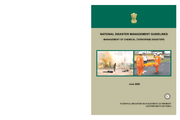
"National Disaster Management Guidelines: Management
of Chemical (Terrorism) Disasters (are intended to
focus on all aspects of the disaster management
cycle, including prevention measures such as
surveillance and intelligence, mitigation of direct
and indirect risks, preparedness in terms of
...
The articles in this compendium elaborate on some of the ideas shared at the symposium. Together, they provide a broad view of the dynamic interactions among physical, sexual and brain development that take place during adolescence. They highlight s
...
The guide book provides a set of tools and methods to assess existing structures and capacities of national, district and local institutions with responsibilities for Disaster Risk Management (DRM) in order to improve their effectiveness and the integration of DRM concerns into
...
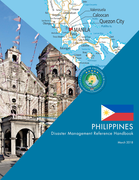
The Philippine Government, International Non-government Organizations (INGOs) and local NGOs are all making attempts to address the impact of disasters and climate change at various levels. The Philippine Government has made significant strides in the implementation of disaster risk reduction (DRR)
...

The recruitment and use of children violates their rights and causes them physical, developmental, emotional, mental, and spiritual harm. The impact on their mental and physical well-being breaches the most fundamental human rights and represents a grave threat to durable peace and sustainable
...
