
Filter
4071
Text search:
population
growth
Featured
312
1235
Language
3968
85
52
49
36
20
16
8
5
4
2
2
2
2
2
2
1
1
1
1
1
1
1
1
1
1
1
1
1
1
1
1
1
1
1
1
1
1
1
1
1
1
1
1
Document type
2279
914
384
172
168
60
47
26
9
5
4
1
1
Countries
213
206
158
115
103
96
89
86
84
83
81
78
77
76
70
69
60
60
55
46
42
40
37
36
35
32
31
30
28
26
25
24
24
24
23
23
22
21
20
19
16
15
14
12
12
12
12
11
11
11
11
10
10
9
9
8
8
8
8
8
7
7
7
6
6
6
5
5
5
5
5
5
4
4
4
4
4
4
4
3
3
3
3
3
3
2
2
2
2
2
2
2
2
2
2
2
2
2
2
2
2
2
1
1
1
1
1
1
1
1
1
1
1
1
1
1
1
1
1
1
1
1
1
1
1
1
1
1
1
1
1
1
1
Authors & Publishers
414
129
120
101
96
75
62
61
40
29
24
24
24
23
22
21
21
19
18
18
18
17
17
17
16
16
16
14
14
14
13
13
13
13
13
13
13
12
11
11
11
11
11
11
11
11
10
10
10
10
10
10
10
10
10
10
10
10
9
9
9
9
9
9
9
9
8
8
8
8
8
8
7
7
7
7
7
7
7
7
7
7
7
7
6
6
6
6
6
6
6
6
6
6
5
5
5
5
5
5
5
5
5
5
5
5
5
5
5
5
5
5
5
5
5
5
5
5
5
5
5
5
5
5
5
5
5
4
4
4
4
4
4
4
4
4
4
4
4
4
4
4
4
4
4
4
4
4
4
4
4
4
4
4
4
4
4
4
4
4
4
4
4
4
4
4
4
3
3
3
3
3
3
3
3
3
3
3
3
3
3
3
3
3
3
3
3
3
3
3
3
3
3
3
3
3
3
3
3
3
3
3
3
3
3
3
3
3
3
3
3
3
3
3
3
3
3
3
3
3
3
3
3
3
3
3
3
3
3
3
3
3
3
3
3
3
3
3
3
3
3
3
3
3
3
3
3
3
3
2
2
2
2
2
2
2
2
2
2
2
2
2
2
2
2
2
2
2
2
2
2
2
2
2
2
2
2
2
2
2
2
2
2
2
2
2
2
2
2
2
2
2
2
2
2
2
2
2
2
2
2
2
2
2
2
2
2
2
2
2
2
2
2
2
2
2
2
2
2
2
2
2
2
2
2
2
2
2
2
2
2
2
2
2
2
2
2
2
2
2
2
2
2
2
2
2
2
2
2
2
2
2
2
2
2
2
2
2
2
2
2
2
2
2
2
2
2
2
2
2
2
2
2
2
2
2
2
2
2
2
2
2
2
2
2
2
2
2
2
2
2
2
2
2
2
2
2
2
2
2
2
2
2
2
2
2
2
2
2
2
2
2
2
2
2
2
2
2
2
2
2
2
2
2
2
2
2
2
2
2
2
2
2
2
2
2
2
2
2
2
2
2
2
2
2
2
2
2
2
2
2
2
2
2
2
2
2
2
2
2
2
2
2
2
2
2
2
2
2
2
2
2
2
2
2
2
2
2
2
2
2
2
2
2
2
2
2
2
1
1
1
1
1
1
1
1
1
1
1
1
1
1
1
1
1
1
1
1
1
1
1
1
1
1
1
1
1
1
1
1
1
1
1
1
1
1
1
1
1
1
1
1
1
1
1
1
1
1
1
1
1
1
1
1
1
1
1
1
1
1
1
1
1
1
1
1
1
1
1
1
1
1
1
1
1
1
1
1
1
1
1
1
1
1
1
1
1
1
1
1
1
1
1
1
1
1
1
1
1
1
1
1
1
1
1
1
1
1
1
1
1
1
1
1
1
1
1
1
1
1
1
1
1
1
1
1
1
1
1
1
1
1
1
1
1
1
1
1
1
1
1
1
1
1
1
1
1
1
1
1
1
1
1
1
1
1
1
1
1
1
1
1
1
1
1
1
1
1
1
1
1
1
1
1
1
1
1
1
1
1
1
1
1
1
1
1
1
1
1
1
1
1
1
1
1
1
1
1
1
1
1
1
1
1
1
1
1
1
1
1
1
1
1
1
1
1
1
1
1
1
1
1
1
1
1
1
1
1
1
1
1
1
1
1
1
1
1
1
1
1
1
1
1
1
1
1
1
1
1
1
1
1
1
1
1
1
1
1
1
1
1
1
1
1
1
1
1
1
1
1
1
1
1
1
1
1
1
1
1
1
1
1
1
1
1
1
1
1
1
1
1
1
1
1
1
1
1
1
1
1
1
1
1
1
1
1
1
1
1
1
1
1
1
1
1
1
1
1
1
1
1
1
1
1
1
1
1
1
1
1
1
1
1
1
1
1
1
1
1
1
1
1
1
1
1
1
1
1
1
1
1
1
1
1
1
1
1
1
1
1
1
1
1
1
1
1
1
1
1
1
1
1
1
1
1
1
1
1
1
1
1
1
1
1
1
1
1
1
1
1
1
1
1
1
1
1
1
1
1
1
1
1
1
1
1
1
1
1
1
1
1
1
1
1
1
1
1
1
1
1
1
1
1
1
1
1
1
1
1
1
1
1
1
1
1
1
1
1
1
1
1
1
1
1
1
1
1
1
1
1
1
1
1
1
1
1
1
1
1
1
1
1
1
1
1
1
1
1
1
1
1
1
1
1
1
1
1
1
1
1
1
1
1
1
1
1
1
1
1
1
1
1
1
1
1
1
1
1
1
1
1
1
1
1
1
1
1
1
1
1
1
1
1
1
1
1
1
1
1
1
1
1
1
1
1
1
1
1
1
1
1
1
1
1
1
1
1
1
1
1
1
1
1
1
1
1
1
1
1
1
1
1
1
1
1
1
1
1
1
1
1
1
1
1
1
1
1
1
1
1
1
1
1
1
1
1
1
1
1
1
1
1
1
1
1
1
1
1
1
1
1
1
1
1
1
1
1
1
1
1
1
1
1
1
1
1
1
1
1
1
1
1
1
1
1
1
1
1
1
1
1
1
1
1
1
1
1
1
1
1
1
1
1
1
1
1
1
1
1
1
1
1
1
1
1
1
1
1
1
1
1
1
1
1
1
1
1
1
1
1
1
1
1
1
1
1
1
1
1
1
1
1
1
1
1
1
1
1
1
1
1
1
1
1
1
1
1
1
1
1
1
1
1
1
1
1
1
1
1
1
1
1
1
1
1
1
1
1
1
1
1
1
1
1
1
1
1
1
1
1
1
1
1
1
1
1
1
1
1
1
1
1
1
1
1
1
1
1
1
1
1
1
1
1
1
1
1
1
1
1
1
1
1
1
1
1
1
1
1
1
1
1
1
1
1
1
1
1
1
1
1
1
1
1
1
1
1
1
1
1
1
1
1
1
1
1
1
1
1
1
1
1
1
1
1
1
1
1
1
1
1
1
1
1
1
1
1
1
1
1
1
1
1
1
1
1
1
1
1
1
1
1
1
1
1
1
1
1
1
1
1
1
1
1
1
1
1
1
1
1
1
1
1
1
1
1
1
1
1
1
1
1
1
1
1
1
1
1
1
1
1
1
1
1
1
1
1
1
1
1
1
1
1
1
1
1
1
1
1
1
1
1
1
1
1
1
1
1
1
1
1
1
1
1
1
1
1
1
1
1
1
1
1
1
1
1
1
1
1
1
1
1
1
1
1
1
1
1
1
1
1
1
1
1
1
1
1
1
1
1
1
1
1
1
1
1
1
1
1
1
1
1
1
1
1
1
1
1
1
1
1
1
1
1
1
1
1
1
1
1
1
1
1
1
1
1
1
1
1
1
1
1
1
1
1
1
1
1
1
1
1
1
1
1
1
1
1
1
1
1
1
1
1
1
1
1
1
1
1
1
1
1
1
1
1
1
1
1
1
1
1
1
1
1
1
1
1
1
1
1
1
1
1
1
1
1
1
1
1
1
1
1
1
1
1
1
1
1
1
1
1
1
1
1
1
1
1
1
1
1
1
1
1
1
1
1
1
1
1
1
1
1
1
1
1
1
1
1
1
1
1
1
1
1
1
1
1
1
1
1
1
1
1
1
1
1
1
1
1
1
1
1
1
1
1
1
1
1
1
1
1
1
1
1
1
1
1
1
1
1
1
1
1
1
1
1
1
1
1
1
1
1
1
1
1
1
1
1
1
1
1
1
1
1
1
1
1
1
1
1
1
1
1
1
1
1
1
1
1
1
1
1
1
1
1
1
1
1
1
1
1
1
1
1
1
1
1
1
1
1
1
1
1
1
1
1
1
1
1
1
1
1
1
1
1
1
1
1
1
1
1
1
1
1
1
1
1
1
1
1
1
1
1
1
1
1
1
1
1
1
1
1
1
1
1
1
1
1
1
1
1
1
1
1
1
1
1
1
1
1
1
1
1
1
1
1
1
1
1
1
1
1
1
1
1
1
1
1
1
1
1
1
1
1
1
1
1
1
1
1
1
1
1
1
1
1
1
1
1
1
1
1
1
1
1
1
1
1
1
1
1
1
1
1
1
1
1
1
1
1
1
1
1
1
1
1
1
1
1
1
1
1
1
1
1
1
1
1
1
1
1
1
1
1
1
1
1
1
1
1
1
1
1
1
1
1
1
1
1
1
1
1
1
1
1
1
1
1
1
1
1
1
1
1
1
1
1
1
1
1
1
1
1
1
1
1
1
1
1
1
1
1
1
1
1
1
1
1
1
1
1
1
1
1
1
1
1
1
1
1
1
1
1
1
1
1
1
1
1
1
1
1
1
1
1
1
1
1
1
1
1
1
1
1
1
1
1
1
1
1
1
1
1
1
1
1
1
1
1
1
1
1
1
1
1
1
1
1
1
1
1
1
1
1
1
1
1
1
1
1
1
1
1
1
1
1
1
1
1
1
1
1
1
1
1
1
1
1
1
1
1
1
1
1
1
1
1
1
1
1
1
1
1
1
1
1
1
1
1
1
1
1
1
1
1
1
1
1
1
1
1
1
1
1
1
1
1
1
1
1
1
1
1
1
1
1
1
1
1
1
1
1
1
1
1
1
1
1
1
1
1
1
1
1
1
1
1
1
1
1
1
1
1
1
1
1
1
1
1
1
1
1
1
1
1
1
1
1
1
1
1
1
1
1
1
1
1
1
1
1
1
1
1
1
1
1
1
1
1
1
1
1
1
1
1
1
1
1
1
1
1
1
1
1
1
1
1
1
1
1
1
1
1
1
1
1
1
1
1
1
1
1
1
1
1
1
1
1
1
1
1
1
1
1
1
1
1
1
1
1
1
1
1
1
1
1
1
1
1
1
1
1
1
1
1
1
1
1
1
1
1
1
1
1
1
1
1
1
1
1
1
1
1
1
1
1
1
1
1
1
1
1
1
1
1
1
1
1
1
1
1
1
1
1
1
1
1
1
1
1
1
1
1
1
1
1
1
1
1
1
1
1
1
1
1
1
1
1
1
1
1
1
1
1
1
1
1
1
1
1
1
1
1
1
1
1
1
1
1
1
1
1
1
1
1
1
1
1
1
1
1
1
1
1
1
1
1
1
1
1
1
1
1
1
1
1
1
1
1
1
1
1
1
1
1
1
1
1
1
1
1
1
1
1
1
1
1
1
1
1
1
1
1
1
1
1
1
1
1
1
1
1
1
1
1
1
1
1
1
1
1
1
1
1
1
1
1
1
1
1
1
1
1
1
1
1
1
1
1
1
1
1
1
1
1
1
1
1
1
1
1
1
1
1
1
1
1
1
1
1
1
1
1
1
1
1
1
1
1
1
1
1
1
1
1
1
1
1
1
1
1
1
1
1
1
1
1
1
1
1
1
1
1
1
1
1
1
1
1
1
1
1
1
1
1
1
1
1
1
1
1
1
1
1
1
1
1
1
1
1
1
1
1
1
1
1
1
1
1
1
1
1
1
1
1
1
1
1
1
1
1
1
1
1
1
1
1
1
1
1
1
1
1
1
1
1
1
1
1
1
1
1
1
1
1
1
1
1
1
1
1
1
1
1
1
1
1
1
1
1
1
1
1
1
1
1
1
1
1
1
1
1
1
1
1
1
1
1
1
1
1
1
1
1
1
1
1
1
1
1
1
1
1
1
1
1
1
1
1
1
1
1
1
1
1
1
1
1
1
1
1
1
1
1
1
1
1
1
1
1
1
1
1
1
1
1
1
1
1
1
1
1
1
1
1
1
1
1
1
1
1
1
1
1
1
1
1
1
1
1
1
1
1
1
1
1
1
1
1
1
1
1
1
1
1
1
1
1
1
1
1
1
1
1
1
1
1
1
1
1
1
1
1
1
1
1
1
1
1
1
1
1
1
1
1
1
1
1
1
1
1
1
1
1
1
1
1
1
1
1
1
1
1
1
1
1
1
1
1
1
1
1
1
1
1
1
1
1
1
1
1
1
1
1
1
1
1
1
1
1
1
1
1
1
1
1
1
1
1
1
1
1
1
1
1
1
1
1
1
1
1
1
1
1
1
1
1
1
1
1
1
1
1
1
1
1
1
1
1
1
1
1
1
1
1
1
1
1
1
1
1
1
1
1
1
1
1
1
1
1
1
1
1
1
1
1
1
1
1
1
1
1
1
1
1
1
1
1
1
1
1
1
1
1
1
1
1
1
1
1
1
1
1
1
1
1
1
1
1
1
1
1
1
1
1
1
1
1
1
1
1
1
1
1
1
1
1
1
1
1
1
1
1
1
1
1
1
1
1
1
1
1
1
1
1
1
1
1
1
1
1
1
1
1
1
1
1
1
1
1
1
1
1
1
1
1
1
1
1
1
1
1
1
1
1
1
1
1
1
1
1
1
1
1
1
1
1
1
1
1
1
1
1
1
1
1
1
1
1
1
1
1
1
1
1
1
1
1
1
1
1
1
1
1
1
1
1
1
1
1
1
1
1
1
1
1
1
1
1
1
1
1
1
1
1
1
1
1
1
1
1
1
1
1
1
1
1
1
1
1
1
1
1
1
1
1
1
1
1
1
1
1
1
1
1
1
1
1
1
1
1
1
1
1
1
1
1
1
1
1
1
1
1
1
1
1
1
1
1
1
1
1
1
1
1
1
1
1
1
1
1
1
1
1
1
1
1
1
1
1
1
1
1
1
1
1
1
1
1
1
1
1
1
1
1
1
1
1
1
1
1
1
1
1
1
1
1
1
1
1
1
1
1
1
1
1
1
1
1
1
1
1
1
1
1
1
1
1
1
1
1
1
1
1
1
1
1
1
1
1
1
1
1
1
1
1
1
1
1
1
1
1
1
1
1
1
1
1
1
1
1
1
1
1
1
1
1
1
1
1
1
1
1
1
1
1
1
1
1
1
1
1
1
1
1
1
1
1
1
1
1
1
1
1
1
1
1
1
1
1
1
1
1
1
1
1
1
1
1
1
1
1
1
1
1
1
1
1
1
1
1
1
1
1
1
1
1
1
1
1
1
1
1
1
1
1
1
1
1
1
1
1
1
1
1
1
1
1
1
1
1
1
1
1
1
1
1
1
1
1
1
1
1
1
1
1
1
1
1
1
1
1
1
1
1
1
1
1
1
1
1
1
1
1
1
1
1
1
1
1
1
1
1
1
1
1
1
1
1
1
1
1
1
1
1
1
1
1
1
1
1
1
1
1
1
1
1
1
1
1
1
1
1
1
1
1
1
1
1
1
1
1
1
1
1
1
1
1
1
1
1
1
1
1
1
1
1
1
1
1
1
1
1
1
1
1
1
1
1
1
1
1
1
1
1
1
1
1
1
1
1
1
1
1
1
1
1
1
1
1
1
1
1
1
1
1
1
1
1
1
1
1
1
1
1
1
1
1
1
1
1
1
1
1
1
1
1
1
1
1
1
1
1
1
1
1
1
1
1
1
1
1
1
1
1
1
1
1
1
1
1
1
1
1
1
1
1
1
1
1
1
1
1
1
1
1
1
1
1
1
1
1
1
1
1
1
1
1
1
1
1
1
1
1
1
1
1
1
1
1
1
1
1
1
1
1
1
1
1
1
1
1
1
1
1
1
1
1
1
1
1
1
1
1
1
1
1
1
1
1
1
1
1
1
1
1
1
1
1
1
1
1
1
1
1
1
1
1
1
1
1
1
1
1
1
1
1
1
1
1
1
1
1
1
1
1
1
1
1
1
1
1
1
1
1
1
1
1
1
1
1
1
1
1
1
1
1
1
1
1
1
1
1
1
1
1
1
1
1
1
1
1
1
1
1
1
1
1
1
1
1
1
1
1
1
1
1
1
1
1
1
1
1
1
1
1
1
1
1
1
1
1
1
1
1
1
1
1
1
1
1
1
1
1
1
1
1
1
1
Publication Years
1
1070
2624
356
17
2
1
Category
1876
249
242
207
207
48
19
2
Toolboxes
279
255
182
166
158
137
119
103
98
95
88
88
77
66
62
54
43
43
36
25
24
20
18
12
9
2
1

In the last decade, Timor-Leste has made remarkable progress in strengthening its health system and improving the health status of its population. This has resulted in an increased life expectancy, and the achievement of Millennium Development Goals
...
such as a reduction in infant and under-five mortality, an improvement in maternal and child health outcomes, and an increase in immunization coverage. Further, the country has successfully eliminated infectious diseases such as polio, measles, and maternal and neonatal tetanus. There is full political commitment to reducing the incidence of tuberculosis (TB) by 80% and the number of deaths due to TB by 90% by 2030. The country has made great progress in the context of the pandemic, having established numerous quarantine facilities/isolation centres; trained health-care workers; streamlined the procurement and supply of medicines, consumables, personal protective equipment and other equipment; and strengthened the capacity in critical care across secondary and tertiary health care, to better respond to future pandemics and other disaster situations.
more
This report presents the results of the official United Nations estimates and projections of urban and rural populations for 233 countries and areas of the world and for close to 1,900 urban settlements with 300,000 inhabitants or more in 2018, as published in World Urbanization Prospects: The 2018
...
Revision. The data in this revision are consistent with the total populations estimated and projected according to the medium variant of the 2017 Revision of the United Nations global population estimates and projections, published in World Population Prospects: The 2017 Revision. This revision updates and supersedes previous estimates and projections published by the United Nations.
more

More and more countries are completing their epidemiological mapping of trachoma in suspected
endemic districts and are preparing to distribute Zithromax® in those districts where the prevalence of
“trachomatous inflammation – follicular” (TF) is above 5% among children aged 1-9 years. Mass
...
drug
administration (MDA) is normally at the district level and targets the whole population with Zithromax®
tablets to those 5 years old and above; Zithromax® suspension for children between 6 months and 5
years of age; and tetracycline eye ointment 1% for infants up to 6 months old.
more
Between April 2018 and November 2020, the Democratic Republic of Congo (DRC) experienced its 11th Ebola virus disease (EVD) outbreak. Tanzania’s cross-border interactions with DRC through regular visitors, traders, and refugees are of concern, given the potential for further spread to neighboring
...
countries. This study aimed to estimate the risk of introducing EVD to Tanzania from DRC. National data for flights, boats, and car transport schedules from DRC to Tanzania covering the period of May 2018 to June 2019 were analyzed to describe population movement via land, port, and air travel and coupled with available surveillance data to model the risk of EVD entry. The land border crossing was considered the most frequently used means of travel and the most likely pathway of introducing EVD from DRC to Tanzania. High probabilities of introducing EVD from DRC to Tanzania through the assessed pathways were associated with the viability of the pathogen and low detection capacity at the ports of entry. This study provides important information regarding the elements contributing to the risk associated with the introduction of EBV in Tanzania. It also indicates that infected humans arriving via land are the most likely pathway of EBV entry, and therefore, mitigation strategies including land border surveillance should be strengthened.
more
In the area of nutrition and HIV, children deserve special attention because of their additional needs to ensure growth and development and their dependency on adults for adequate care. It was therefore proposed to first develop guidelines for chil
...
dren and thereafter consider a similar approach for other specific groups.
The content of these guidelines acknowledges that wasting and undernutrition in HIV-infected children reflect a series of failures within the health system, the home and community and not just a biological process related to virus and host interactions. In trying to protect the nutritional well-being or reverse the undernutrition experienced by infected children, issues of food insecurity, food quantity and quality as well as absorption and digestion of nutrients are considered. Interventions are proposed that are practical and feasible in resource-poor settings and offer a prospect for clinical improvement.
The guidelines do not cover the feeding of infants 0 to 6 months old, because the specialised care in this age group is already addressed in other WHO guidelines and documents.
more
The EHSP in Botswana seeks to attain universal coverage of high-quality package of essential health services. The EHSP is an integrated collection of cost-effective interventions, promotive, preventive, curative, and rehabilitative, that address the main diseases, injuries and risk factors that affe
...
ct the population. The EHSP has two key purposes:
1) Provide a standardized package of basic services which forms the core of service delivery in all primary health care facilities
2) Promote a redistribution of health services by providing equitable access, especially in underserved areas, population, etc.
more
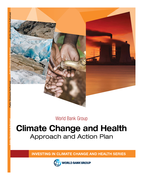
Climate change (CC) impacts on health outcomes, both direct and indirect, are sufficient to jeopardize achieving the World Bank Group’s visions and agendas in poverty reduction, population resilience, and health, nutrition and
...
population (HNP). In the last 5 years, the number of voices calling for stronger international action on climate change and health has increased, as have the scale and depth of activities. But current global efforts in climate and health are inadequately integrated. As a result, actions to address climate change, including World Bank Group (WBG) investment and lending, are missing opportunities to simultaneously promote better health outcomes and more resilient populations and health sectors. Accordingly, with the financial support of the Nordic Development Fund (NDF), the World Bank Group set out to develop an approach and a 4-year action plan, outlined in this paper, to integrate health-related climate considerations into selected WBG sector plans and investments.
more
Updates for the integrated management of childhood illness (IMCI) - Guideline.
As part of its response to the global epidemic of obesity, WHO has issued guidelines to support primary healthcare workers identify and manage children who are overweight or obese. Specifically, all infants and children
...
aged less than 5 years presenting to primary health-care facilities should have both weight and height measured in order to determine their weight-for-height and their nutritional status according to WHO child growth standards. Comparing a child's weight with norms for its length/height is an effective way to assess for both wasting and overweight
more
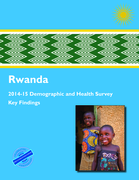
This report provides an overview of the Key findings of the Rwanda 2014-2015 Demographic and Health Survey (RDHS). The 2014-15 Rwanda Demographic and Health Survey (RDHS) was designed to provide data for monitoring the population and health situati
...
on in Rwanda. The 2014-15 RDHS is the fifth Demographic and Health Survey
conducted in Rwanda since 1992. The objective of the survey was to provide reliable estimates of fertility levels, marriage, sexual activity, fertility preferences, family planning methods, breastfeeding practices, nutrition, childhood and maternal mortality, maternal and child health, early childhood development, malaria, domestic violence, and HIV/AIDS and other sexually transmitted infections (STIs) that can be used by program managers and policymakers to evaluate and improve existing programs.
more
(August 28 – October 10, 2017)
A nutrition and mortality assessment using SMART methodology was applied and the survey covered 15 statistical (14 districts plus 1) domains countrywide. The main objective of the survey was to assess the current nutrition status of the ... population, especially children 6-59 months old and women of reproductive age (15-49 years of age). The survey also looked at the major contextual factors contributing to undernutrition such as infant and young child feeding (IYCF) practices; food security indicators; water, sanitation and hygiene indicators; and health situation in Sierra Leone more
A nutrition and mortality assessment using SMART methodology was applied and the survey covered 15 statistical (14 districts plus 1) domains countrywide. The main objective of the survey was to assess the current nutrition status of the ... population, especially children 6-59 months old and women of reproductive age (15-49 years of age). The survey also looked at the major contextual factors contributing to undernutrition such as infant and young child feeding (IYCF) practices; food security indicators; water, sanitation and hygiene indicators; and health situation in Sierra Leone more
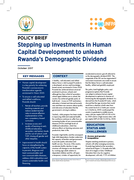
The Demographic Dividend study on Rwanda assessed the socio economic and human development potential of our country in the short, medium and long-term period using a comprehensive approach. It generated relevant policy and programme information to guide a well informed polciy required to propel Rwan
...
da towards achieving its aspirations of being high middle income country by 2035 and high income country by 2050.
The primary objectives of this study were to assess Rwanda’s prospects for harnessing the demographic dividend and demonstrate priority policy and programme options that the country should adopt in order to optimise its chances of earning a maximum demographic dividend in the context of its youthful population and medium, long-term socio economic development aspirations.
more
Oral diseases are among the most common chronic diseases worldwide and constitute a major public health problem due to the huge health and economic burden on individuals, families, societies, and health care systems. The recent emphasis on the role of determinants of health, common risk factors and
...
their recognition in the context of the growing burden of noncommunicable diseases (NCDs) provides good opportunities for integrating oral health into NCD prevention and control efforts. This Strategy for oral health in South-East Asia, 2013-2020, presents guidance to Member States in developing national policy and action plans to improve oral health within existing socioeconomic, cultural, political and health system contexts. It expresses the consensus on major strategies in the area of oral health promotion as well as oral disease prevention and control for the South-East Asia Region aiming at reducing the health and socioeconomic burden resulting from oral diseases, reducing oral health inequities, and improving the quality of life of the population.
more

This report aims to raise awareness about the role that the reform of public health laws can play in advancing the right to health and in creating the conditions for people to live healthy lives. By encouraging a better understanding of how public health law can be used to improve the health of the
...
population, the report aims to encourage and assist governments to reform their public health laws in order to advance the right to health.
The report highlights important issues that may arise during the process of public health law reform. It provides guidance about issues and requirements to be addressed during the process of developing public health laws. It also includes case studies and examples of legislation from a variety of countries to illustrate effective law reform practices and some features of effective public health legislation. more
The report highlights important issues that may arise during the process of public health law reform. It provides guidance about issues and requirements to be addressed during the process of developing public health laws. It also includes case studies and examples of legislation from a variety of countries to illustrate effective law reform practices and some features of effective public health legislation. more
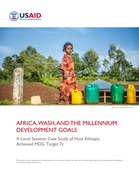
Ethiopia met the MDG target for drinking water access with a unique and high degree of success. The magnitude of the country’s success in providing improved drinking water to nearly half of its population in 25 years despite its diversity, size, a
...
nd challenges cannot be overstated. This case study documents the progress of the Ethiopian WASH sector from 1990 to 2015, and analyzes the impact of local systems created in Ethiopia to respond to water and sanitation challenges.
more
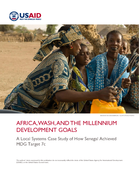
Nationally, Senegal met the MDG target for water supply access. It did this by engaging the public and private sectors to effectively invest and report on investments. It focused on larger population centers, less on remote regions of the country. I
...
ts achievements set the stage for more equitable and widespread service provision as the country now works to achieve the SDGs, requiring sustainable management of universal access. This case study documents the progression of the sector between 1990 and 2015, and analyzes the impact of local systems created in Senegal to respond to the water and sanitation challenge.
more
The Republic of the Union of Myanmar is at a historic moment, with a new civilian government assuming power in 2016. The country graduated to lower-middle-income status in 2015, and has made significant progress in reducing poverty, improving food security and addressing malnutrition.
The remai ... ning challenges to food and nutrition security and achievement of Sustainable Development Goal 2 targets include continued population displacements resulting from conflict, vulnerability to extreme weather events, poverty, limited social protection coverage, high malnutrition and persistent gender inequalities. more
The remai ... ning challenges to food and nutrition security and achievement of Sustainable Development Goal 2 targets include continued population displacements resulting from conflict, vulnerability to extreme weather events, poverty, limited social protection coverage, high malnutrition and persistent gender inequalities. more

The strategic priorities of the CCS 2014–2018 are:
(1) Strengthening the health system.
(2) Enhancing the achievement of communicable disease control targets.
(3) Controlling the growth of the noncommunicable disease burden.
(4 ... ) Promoting health throughout the life course.
(5) Strengthening capacity for emergency risk management and surveillance systems for various health threats. more
(1) Strengthening the health system.
(2) Enhancing the achievement of communicable disease control targets.
(3) Controlling the growth of the noncommunicable disease burden.
(4 ... ) Promoting health throughout the life course.
(5) Strengthening capacity for emergency risk management and surveillance systems for various health threats. more

National Tuberculosis Programme
The National Strategic Plan (NSP) for Tuberculosis (TB) 2016-2020 builds on the past experiences for the National Tuberculosis Programme and its partners. This NSP provides a roadmap for delivering quality TB prevention and care service to the entire ... population, as an integral part of the country's move toward Universal Health Coverage. Between 1990 and 2015, Myanmar reduced the prevalence of TB by 50%, meeting the targets set by the Millennium Development Goals. Going forward, the country aims to further accelerate the rate decline. more
The National Strategic Plan (NSP) for Tuberculosis (TB) 2016-2020 builds on the past experiences for the National Tuberculosis Programme and its partners. This NSP provides a roadmap for delivering quality TB prevention and care service to the entire ... population, as an integral part of the country's move toward Universal Health Coverage. Between 1990 and 2015, Myanmar reduced the prevalence of TB by 50%, meeting the targets set by the Millennium Development Goals. Going forward, the country aims to further accelerate the rate decline. more
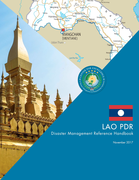
Lao People’s Democratic Republic (Lao PDR), also referred to as Laos, or Lao, is exposed to natural disasters such as flooding, typhoons, cyclones, drought, and earthquakes. The country is vulnerable to recurrent, sudden-onset and slow onset natural disasters with flooding, storms and typhoons hav
...
ing a large effect on the population. The country remains highly vulnerable to agricultural shocks and natural disasters.
Lao has established Community Based Disaster Risk Reduction (CBDRR) practices as a result of the many natural disasters the country faces. CBDRR is implemented at the village level to enhance community preparedness and to decrease village vulnerabilities to disasters.
Lao established the National Disaster Management Committee (NDMC) as its national disaster management platform and the National Disaster Management Office (NDMO) to be responsible for DRM (Disaster Risk Management) and DRR activities in the country. more
Lao has established Community Based Disaster Risk Reduction (CBDRR) practices as a result of the many natural disasters the country faces. CBDRR is implemented at the village level to enhance community preparedness and to decrease village vulnerabilities to disasters.
Lao established the National Disaster Management Committee (NDMC) as its national disaster management platform and the National Disaster Management Office (NDMO) to be responsible for DRM (Disaster Risk Management) and DRR activities in the country. more
Reporting period: January 2014 – December 2014
The human immunodeficiency virus (HIV) epidemic in Myanmar is concentrated among men who have sex with men (MSM), people who inject drugs (PWID) and female sex workers (FSW). HIV prevalence in the adult ... population aged 15 years and older was estimated at 0.54% in 2014. But data from HIV Sentinel Sero-Surveillance (HSS) indicates higher prevalence in 2014 among key populations: FSW 6.3%, MSM 6.6% and PWID 23.1%. Compared to 2012 data, the prevalence has declined from 7.1% in FSW and 8.9% in MSM, but has increased from 18% in PWID.
Epidemiological modelling suggests that in 2014 there were around 212,000 people living with HIV (PLHIV) in Myanmar, 34% of whom were females. Nearly 11,000 people died of HIV-related illnesses, compared to approximately 15,000 in 2011. An estimated 9,000 new infections occurred in 2014. more
The human immunodeficiency virus (HIV) epidemic in Myanmar is concentrated among men who have sex with men (MSM), people who inject drugs (PWID) and female sex workers (FSW). HIV prevalence in the adult ... population aged 15 years and older was estimated at 0.54% in 2014. But data from HIV Sentinel Sero-Surveillance (HSS) indicates higher prevalence in 2014 among key populations: FSW 6.3%, MSM 6.6% and PWID 23.1%. Compared to 2012 data, the prevalence has declined from 7.1% in FSW and 8.9% in MSM, but has increased from 18% in PWID.
Epidemiological modelling suggests that in 2014 there were around 212,000 people living with HIV (PLHIV) in Myanmar, 34% of whom were females. Nearly 11,000 people died of HIV-related illnesses, compared to approximately 15,000 in 2011. An estimated 9,000 new infections occurred in 2014. more
