
Filter
4529
Text search:
implications
Featured
372
1001
Language
4058
304
146
105
57
45
31
22
12
5
4
3
2
2
2
2
2
2
2
1
1
1
1
1
1
1
1
1
1
1
1
1
1
1
1
1
1
1
1
1
1
1
1
1
1
Document type
2278
1005
661
226
141
85
75
29
16
7
2
2
1
Countries
241
132
122
89
87
79
73
69
65
65
65
63
56
56
55
55
55
53
51
47
47
42
36
35
33
30
30
29
29
28
28
26
26
24
24
24
24
22
22
22
20
20
20
18
17
16
15
14
13
13
10
10
9
9
9
8
8
8
8
8
7
7
7
6
6
6
6
5
5
5
5
5
5
5
5
5
4
4
4
4
4
3
3
3
3
3
3
3
3
3
3
3
2
2
2
2
2
2
2
2
2
2
2
2
2
2
2
2
2
2
2
2
1
1
1
1
1
1
1
1
1
1
1
1
1
1
1
1
1
1
1
1
1
1
1
1
1
1
1
Authors & Publishers
623
195
168
108
103
85
73
58
46
35
33
29
24
22
22
21
20
20
19
19
18
17
17
17
16
16
16
16
16
16
16
15
15
15
14
14
14
13
13
13
12
11
11
11
11
10
10
10
10
9
9
9
9
9
9
9
9
9
9
8
8
8
8
8
8
8
8
8
8
7
7
7
7
7
7
7
7
7
7
7
7
7
7
7
7
7
7
6
6
6
6
6
6
6
6
6
6
6
6
6
6
6
6
6
5
5
5
5
5
5
5
5
5
5
5
5
5
5
5
5
5
5
5
5
5
5
5
5
5
4
4
4
4
4
4
4
4
4
4
4
4
4
4
4
4
4
4
4
4
4
4
4
4
4
4
4
4
4
4
4
4
4
4
4
4
4
4
4
4
4
4
4
4
4
4
4
4
4
3
3
3
3
3
3
3
3
3
3
3
3
3
3
3
3
3
3
3
3
3
3
3
3
3
3
3
3
3
3
3
3
3
3
3
3
3
3
3
3
3
3
3
3
3
3
3
3
3
3
3
3
3
3
3
3
3
3
3
3
3
3
3
3
3
3
3
3
3
3
3
3
3
3
3
3
3
3
3
3
3
3
3
3
3
3
3
3
3
3
2
2
2
2
2
2
2
2
2
2
2
2
2
2
2
2
2
2
2
2
2
2
2
2
2
2
2
2
2
2
2
2
2
2
2
2
2
2
2
2
2
2
2
2
2
2
2
2
2
2
2
2
2
2
2
2
2
2
2
2
2
2
2
2
2
2
2
2
2
2
2
2
2
2
2
2
2
2
2
2
2
2
2
2
2
2
2
2
2
2
2
2
2
2
2
2
2
2
2
2
2
2
2
2
2
2
2
2
2
2
2
2
2
2
2
2
2
2
2
2
2
2
2
2
2
2
2
2
2
2
2
2
2
2
2
2
2
2
2
2
2
2
2
2
2
2
2
2
2
2
2
2
2
2
2
2
2
2
2
2
2
2
2
2
2
2
2
2
2
2
2
2
2
2
2
2
2
2
2
2
2
2
2
2
2
2
2
2
2
2
2
2
2
2
2
2
2
2
2
2
2
2
2
2
2
2
2
2
2
2
2
2
2
2
2
2
2
2
2
2
2
2
2
2
2
2
2
2
2
2
2
2
2
2
2
2
2
2
2
2
2
2
2
2
2
2
2
2
2
2
2
2
2
2
2
2
2
2
2
2
2
1
1
1
1
1
1
1
1
1
1
1
1
1
1
1
1
1
1
1
1
1
1
1
1
1
1
1
1
1
1
1
1
1
1
1
1
1
1
1
1
1
1
1
1
1
1
1
1
1
1
1
1
1
1
1
1
1
1
1
1
1
1
1
1
1
1
1
1
1
1
1
1
1
1
1
1
1
1
1
1
1
1
1
1
1
1
1
1
1
1
1
1
1
1
1
1
1
1
1
1
1
1
1
1
1
1
1
1
1
1
1
1
1
1
1
1
1
1
1
1
1
1
1
1
1
1
1
1
1
1
1
1
1
1
1
1
1
1
1
1
1
1
1
1
1
1
1
1
1
1
1
1
1
1
1
1
1
1
1
1
1
1
1
1
1
1
1
1
1
1
1
1
1
1
1
1
1
1
1
1
1
1
1
1
1
1
1
1
1
1
1
1
1
1
1
1
1
1
1
1
1
1
1
1
1
1
1
1
1
1
1
1
1
1
1
1
1
1
1
1
1
1
1
1
1
1
1
1
1
1
1
1
1
1
1
1
1
1
1
1
1
1
1
1
1
1
1
1
1
1
1
1
1
1
1
1
1
1
1
1
1
1
1
1
1
1
1
1
1
1
1
1
1
1
1
1
1
1
1
1
1
1
1
1
1
1
1
1
1
1
1
1
1
1
1
1
1
1
1
1
1
1
1
1
1
1
1
1
1
1
1
1
1
1
1
1
1
1
1
1
1
1
1
1
1
1
1
1
1
1
1
1
1
1
1
1
1
1
1
1
1
1
1
1
1
1
1
1
1
1
1
1
1
1
1
1
1
1
1
1
1
1
1
1
1
1
1
1
1
1
1
1
1
1
1
1
1
1
1
1
1
1
1
1
1
1
1
1
1
1
1
1
1
1
1
1
1
1
1
1
1
1
1
1
1
1
1
1
1
1
1
1
1
1
1
1
1
1
1
1
1
1
1
1
1
1
1
1
1
1
1
1
1
1
1
1
1
1
1
1
1
1
1
1
1
1
1
1
1
1
1
1
1
1
1
1
1
1
1
1
1
1
1
1
1
1
1
1
1
1
1
1
1
1
1
1
1
1
1
1
1
1
1
1
1
1
1
1
1
1
1
1
1
1
1
1
1
1
1
1
1
1
1
1
1
1
1
1
1
1
1
1
1
1
1
1
1
1
1
1
1
1
1
1
1
1
1
1
1
1
1
1
1
1
1
1
1
1
1
1
1
1
1
1
1
1
1
1
1
1
1
1
1
1
1
1
1
1
1
1
1
1
1
1
1
1
1
1
1
1
1
1
1
1
1
1
1
1
1
1
1
1
1
1
1
1
1
1
1
1
1
1
1
1
1
1
1
1
1
1
1
1
1
1
1
1
1
1
1
1
1
1
1
1
1
1
1
1
1
1
1
1
1
1
1
1
1
1
1
1
1
1
1
1
1
1
1
1
1
1
1
1
1
1
1
1
1
1
1
1
1
1
1
1
1
1
1
1
1
1
1
1
1
1
1
1
1
1
1
1
1
1
1
1
1
1
1
1
1
1
1
1
1
1
1
1
1
1
1
1
1
1
1
1
1
1
1
1
1
1
1
1
1
1
1
1
1
1
1
1
1
1
1
1
1
1
1
1
1
1
1
1
1
1
1
1
1
1
1
1
1
1
1
1
1
1
1
1
1
1
1
1
1
1
1
1
1
1
1
1
1
1
1
1
1
1
1
1
1
1
1
1
1
1
1
1
1
1
1
1
1
1
1
1
1
1
1
1
1
1
1
1
1
1
1
1
1
1
1
1
1
1
1
1
1
1
1
1
1
1
1
1
1
1
1
1
1
1
1
1
1
1
1
1
1
1
1
1
1
1
1
1
1
1
1
1
1
1
1
1
1
1
1
1
1
1
1
1
1
1
1
1
1
1
1
1
1
1
1
1
1
1
1
1
1
1
1
1
1
1
1
1
1
1
1
1
1
1
1
1
1
1
1
1
1
1
1
1
1
1
1
1
1
1
1
1
1
1
1
1
1
1
1
1
1
1
1
1
1
1
1
1
1
1
1
1
1
1
1
1
1
1
1
1
1
1
1
1
1
1
1
1
1
1
1
1
1
1
1
1
1
1
1
1
1
1
1
1
1
1
1
1
1
1
1
1
1
1
1
1
1
1
1
1
1
1
1
1
1
1
1
1
1
1
1
1
1
1
1
1
1
1
1
1
1
1
1
1
1
1
1
1
1
1
1
1
1
1
1
1
1
1
1
1
1
1
1
1
1
1
1
1
1
1
1
1
1
1
1
1
1
1
1
1
1
1
1
1
1
1
1
1
1
1
1
1
1
1
1
1
1
1
1
1
1
1
1
1
1
1
1
1
1
1
1
1
1
1
1
1
1
1
1
1
1
1
1
1
1
1
1
1
1
1
1
1
1
1
1
1
1
1
1
1
1
1
1
1
1
1
1
1
1
1
1
1
1
1
1
1
1
1
1
1
1
1
1
1
1
1
1
1
1
1
1
1
1
1
1
1
1
1
1
1
1
1
1
1
1
1
1
1
1
1
1
1
1
1
1
1
1
1
1
1
1
1
1
1
1
1
1
1
1
1
1
1
1
1
1
1
1
1
1
1
1
1
1
1
1
1
1
1
1
1
1
1
1
1
1
1
1
1
1
1
1
1
1
1
1
1
1
1
1
1
1
1
1
1
1
1
1
1
1
1
1
1
1
1
1
1
1
1
1
1
1
1
1
1
1
1
1
1
1
1
1
1
1
1
1
1
1
1
1
1
1
1
1
1
1
1
1
1
1
1
1
1
1
1
1
1
1
1
1
1
1
1
1
1
1
1
1
1
1
1
1
1
1
1
1
1
1
1
1
1
1
1
1
1
1
1
1
1
1
1
1
1
1
1
1
1
1
1
1
1
1
1
1
1
1
1
1
1
1
1
1
1
1
1
1
1
1
1
1
1
1
1
1
1
1
1
1
1
1
1
1
1
1
1
1
1
1
1
1
1
1
1
1
1
1
1
1
1
1
1
1
1
1
1
1
1
1
1
1
1
1
1
1
1
1
1
1
1
1
1
1
1
1
1
1
1
1
1
1
1
1
1
1
1
1
1
1
1
1
1
1
1
1
1
1
1
1
1
1
1
1
1
1
1
1
1
1
1
1
1
1
1
1
1
1
1
1
1
1
1
1
1
1
1
1
1
1
1
1
1
1
1
1
1
1
1
1
1
1
1
1
1
1
1
1
1
1
1
1
1
1
1
1
1
1
1
1
1
1
1
1
1
1
1
1
1
1
1
1
1
1
1
1
1
1
1
1
1
1
1
1
1
1
1
1
1
1
1
1
1
1
1
1
1
1
1
1
1
1
1
1
1
1
1
1
1
1
1
1
1
1
1
1
1
1
1
1
1
1
1
1
1
1
1
1
1
1
1
1
1
1
1
1
1
1
1
1
1
1
1
1
1
1
1
1
1
1
1
1
1
1
1
1
1
1
1
1
1
1
1
1
1
1
1
1
1
1
1
1
1
1
1
1
1
1
1
1
1
1
1
1
1
1
1
1
1
1
1
1
1
1
1
1
1
1
1
1
1
1
1
1
1
1
1
1
1
1
1
1
1
1
1
1
1
1
1
1
1
1
1
1
1
1
1
1
1
1
1
1
1
1
1
1
1
1
1
1
1
1
1
1
1
1
1
1
1
1
1
1
1
1
1
1
1
1
1
1
1
1
1
1
1
1
1
1
1
1
1
1
1
1
1
1
1
1
1
1
1
1
1
1
1
1
1
1
1
1
1
1
1
1
1
1
1
1
1
1
1
1
1
1
1
1
1
1
1
1
1
1
1
1
1
1
1
1
1
1
1
1
1
1
1
1
1
1
1
1
1
1
1
1
1
1
1
1
1
1
1
1
1
1
1
1
1
1
1
1
1
1
1
1
1
1
1
1
1
1
1
1
1
1
1
1
1
1
1
1
1
1
1
1
1
1
1
1
1
1
1
1
1
1
1
1
1
1
1
1
1
1
1
1
1
1
1
1
1
1
1
1
1
1
1
1
1
1
1
1
1
1
1
1
1
1
1
1
1
1
1
1
1
1
1
1
1
1
1
1
1
1
1
1
1
1
1
1
1
1
1
1
1
1
1
1
1
1
1
1
1
1
1
1
1
1
1
1
1
1
1
1
1
1
1
1
1
1
1
1
1
1
1
1
1
1
1
1
1
1
1
1
1
1
1
1
1
1
1
1
1
1
1
1
1
1
1
1
1
1
1
1
1
1
1
1
1
1
1
1
1
1
1
1
1
1
1
1
1
1
1
1
1
1
1
1
1
1
1
1
1
1
1
1
1
1
1
1
1
1
1
1
1
1
1
1
1
1
1
1
1
1
1
1
1
1
1
1
1
1
1
1
1
1
1
1
1
1
1
1
1
1
1
1
1
1
1
1
1
1
1
1
1
1
1
1
1
1
1
1
1
1
1
1
1
1
1
1
1
1
1
1
1
1
1
1
1
1
1
1
1
1
1
1
1
1
1
1
1
1
1
1
1
1
1
1
1
1
1
1
1
1
1
1
1
1
1
1
1
1
1
1
1
1
1
1
1
1
1
1
1
1
1
1
1
1
1
1
1
1
1
1
1
1
1
1
1
1
1
1
1
1
1
1
1
1
1
1
1
1
1
1
1
1
1
1
1
1
1
1
1
1
1
1
1
1
1
1
1
1
1
1
1
1
1
1
1
1
1
1
1
1
1
1
1
1
1
1
1
1
1
1
1
1
1
1
1
1
1
1
1
1
1
1
1
1
1
1
1
1
1
1
1
1
1
1
1
1
1
1
1
1
1
1
1
1
1
1
1
1
1
1
1
1
1
1
1
1
1
1
1
1
1
1
1
1
1
1
1
1
1
1
1
1
1
1
1
1
1
1
1
1
1
1
1
1
1
1
1
1
1
1
1
1
1
1
1
1
1
1
1
1
1
1
1
1
1
1
1
1
1
1
1
1
1
1
1
1
1
1
1
1
1
1
1
1
1
1
1
1
1
1
1
1
1
1
1
1
1
1
1
1
1
1
1
1
1
1
1
1
1
1
1
1
1
1
1
1
1
1
1
1
1
1
1
1
1
1
1
1
1
1
1
1
1
1
1
1
1
1
1
1
1
1
1
1
1
1
1
1
1
1
1
1
1
1
1
1
1
1
1
1
1
1
1
1
1
1
1
1
1
1
1
1
1
1
1
1
1
1
1
1
1
1
1
1
1
1
1
1
1
1
1
1
1
1
1
1
1
1
1
1
1
1
1
1
1
1
1
1
1
1
1
1
1
1
1
1
1
1
1
1
1
1
1
1
1
1
1
1
1
1
1
1
1
1
1
1
1
1
1
1
1
1
1
1
1
1
1
1
1
1
1
1
1
1
1
1
1
1
1
1
1
1
1
1
1
1
1
1
1
1
1
1
1
1
1
1
1
1
1
1
1
1
1
1
1
1
1
1
1
1
1
1
1
1
1
1
1
1
1
1
1
1
1
1
1
1
1
1
1
1
1
1
1
1
1
1
1
1
1
1
1
1
1
1
1
1
1
1
1
1
1
1
1
1
1
1
1
1
1
1
1
1
1
1
1
1
1
1
1
1
1
1
1
1
1
1
1
1
1
1
1
1
1
1
1
1
1
1
1
1
1
1
1
1
1
1
1
1
1
1
1
1
1
1
1
1
1
1
1
1
1
1
1
1
1
1
1
1
1
1
1
1
1
1
1
1
1
1
1
1
1
1
1
1
1
1
1
1
1
1
1
1
1
1
1
1
1
1
1
1
1
1
1
1
1
1
1
1
1
1
1
1
1
1
1
1
1
1
1
1
1
1
1
1
1
1
1
1
1
1
1
1
1
1
1
1
1
1
1
1
1
1
1
1
1
1
1
1
1
1
1
1
1
1
1
1
1
1
1
1
1
1
1
1
1
1
1
1
1
1
1
1
1
1
1
1
1
1
1
1
1
1
1
1
1
1
1
1
1
1
1
1
1
1
1
1
1
1
1
1
1
1
1
1
1
1
1
1
1
1
1
1
1
1
1
1
1
1
1
1
1
1
1
1
1
1
1
1
1
1
1
1
1
1
1
1
1
1
1
1
1
1
1
1
1
1
1
1
1
1
1
1
1
1
1
1
1
1
1
1
1
1
1
1
1
1
1
1
1
1
1
1
1
1
1
1
1
1
1
1
1
1
1
1
1
1
1
1
1
1
1
1
1
1
1
1
1
1
1
1
1
1
1
1
1
1
1
1
1
1
1
1
1
1
1
1
1
1
1
1
1
1
1
1
1
1
1
1
1
1
1
1
1
1
1
1
1
1
1
1
1
1
1
1
1
1
1
1
1
1
1
1
1
1
1
1
1
1
1
1
1
1
1
1
1
1
1
1
1
1
1
1
1
1
1
1
1
1
1
1
1
1
1
1
1
1
1
1
1
1
1
1
1
1
1
1
1
1
1
1
1
1
1
1
1
1
1
1
1
1
1
1
1
1
1
1
1
1
1
1
1
1
1
1
1
1
1
1
1
1
1
1
1
1
1
1
1
1
1
1
1
1
1
1
1
1
1
1
1
1
1
1
1
1
1
1
1
1
1
1
1
1
1
1
1
1
1
1
1
1
1
1
1
1
1
1
1
1
1
1
1
1
1
1
1
1
1
1
1
1
1
1
1
1
1
1
1
1
1
1
1
1
1
1
1
1
1
1
1
1
1
1
1
1
1
1
1
1
1
1
1
1
1
1
1
1
1
1
1
1
1
1
1
1
1
1
1
1
1
1
1
1
1
1
1
1
1
1
1
1
1
1
1
1
1
1
1
1
1
1
1
1
1
1
1
1
1
1
1
1
1
1
1
1
1
1
1
1
1
1
1
1
1
1
1
1
1
1
1
1
1
1
1
1
1
1
1
1
1
1
1
1
1
1
1
1
1
1
1
1
1
1
1
1
1
1
1
1
1
1
1
1
1
1
1
1
1
1
1
1
1
1
1
1
1
1
1
1
1
1
1
1
1
1
1
1
1
1
1
1
1
1
1
1
1
1
1
1
1
1
1
1
1
1
1
1
1
1
1
1
1
1
1
1
1
1
1
1
1
1
1
1
1
1
1
1
1
1
1
1
1
1
1
1
1
1
1
1
1
1
1
1
1
1
1
1
1
1
1
1
1
1
1
1
1
1
1
1
1
1
1
1
1
1
1
1
1
1
1
1
1
1
1
1
1
1
1
1
1
1
1
1
1
1
1
1
1
1
1
1
1
1
1
1
1
1
1
1
1
1
1
1
1
1
1
1
1
1
1
1
1
1
1
1
1
1
1
1
1
1
1
1
1
1
1
1
1
1
1
1
1
1
1
1
1
1
1
1
1
1
1
1
1
1
1
1
1
1
1
1
1
1
1
1
1
1
1
1
1
1
1
1
1
1
1
1
1
1
1
1
1
1
1
1
1
1
1
1
1
1
1
1
1
1
1
1
1
1
1
1
1
1
1
1
1
1
1
1
1
1
1
1
1
1
1
1
1
1
1
1
1
1
1
1
1
1
1
1
1
1
1
1
1
1
1
1
1
1
1
1
1
1
1
1
1
1
1
1
1
1
1
1
1
1
1
1
1
1
1
1
1
1
1
1
1
1
1
1
1
1
1
1
1
1
1
1
1
1
1
1
1
1
1
1
1
1
1
1
1
1
1
1
1
1
1
1
1
1
1
1
1
1
1
1
1
1
1
1
1
1
1
1
1
1
1
1
1
1
1
1
1
1
1
1
1
1
1
1
1
1
1
1
1
1
1
1
1
1
1
1
1
1
1
1
1
1
1
1
1
1
1
1
1
1
1
1
1
1
1
1
1
1
1
1
1
1
1
1
1
1
1
1
1
1
1
1
1
1
1
1
1
1
1
1
1
1
1
1
1
1
1
1
1
1
1
1
1
1
1
1
1
1
1
1
1
1
1
1
1
1
1
1
1
1
1
1
1
1
Publication Years
1
1490
2637
380
19
1
1
Category
1415
308
307
289
285
89
28
Toolboxes
450
437
264
211
202
137
129
128
126
121
117
115
101
93
85
61
54
50
49
43
40
38
26
24
16
2
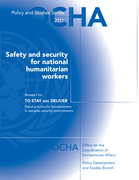
Safety and security for national humanitarian workers
Stoddard, Abby ; Harmer, Adele ; Haver, Katherine
Office for the Coordination of Humanitarian Affairs (OCHA)
(2011)
C1
Annex I to: To stay and deliver, good practice for humanitarians in complex security environments
The principal findings of the report include that despite overall improvements in aid agencies’ security risk management, national aid workers perceive continued inequities in security suppor ... t compared with their international counterparts. National aid workers, while less subject to major attacks per capita than international aid workers, nevertheless form the majority of victims, and their specific security needs require more attention. more
The principal findings of the report include that despite overall improvements in aid agencies’ security risk management, national aid workers perceive continued inequities in security suppor ... t compared with their international counterparts. National aid workers, while less subject to major attacks per capita than international aid workers, nevertheless form the majority of victims, and their specific security needs require more attention. more
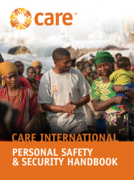
CARE International’s Personal Safety & Security Handbook has been developed to provide practical personal safety and security advice and guidance to all staff working in CARE offices and field sites throughout the world.
Each section has a detailed list of contents at the beginning and cut-ou ... t tabs to allow fast access to topics. Symbols and easy referencing are used throughout the handbook to help you find what you need quickly. more
Each section has a detailed list of contents at the beginning and cut-ou ... t tabs to allow fast access to topics. Symbols and easy referencing are used throughout the handbook to help you find what you need quickly. more

UNICEF analysis indicates that:
- Investments that increase access to high-impact health and nutrition interventions by poor groups have saved almost twice as many lives as equivalent investments in non-poor groups.
- Access to high-impact health and nutrition interventions has improved ra ... pidly among poor groups in recent years, leading to substantial improvements in equity.
- During the period studied, absolute reductions in under-five mortality rates associated with improvements in intervention coverage were three times faster among poor groups than non-poor groups.
- Because birth rates were higher among the poor, the reduction in the under-five mortality rate translated into 4.2 times more lives saved for every 1 million people. Indeed, of the 1.1 million lives saved across the 51 countries during the final year studied for each country, nearly 85 per cent were among the poor.
- Intensified focus on equity-enhancing policies and investments can help countries achieve the Sustainable Development Goal newborn and child mortality targets (SDG3.2). more
- Investments that increase access to high-impact health and nutrition interventions by poor groups have saved almost twice as many lives as equivalent investments in non-poor groups.
- Access to high-impact health and nutrition interventions has improved ra ... pidly among poor groups in recent years, leading to substantial improvements in equity.
- During the period studied, absolute reductions in under-five mortality rates associated with improvements in intervention coverage were three times faster among poor groups than non-poor groups.
- Because birth rates were higher among the poor, the reduction in the under-five mortality rate translated into 4.2 times more lives saved for every 1 million people. Indeed, of the 1.1 million lives saved across the 51 countries during the final year studied for each country, nearly 85 per cent were among the poor.
- Intensified focus on equity-enhancing policies and investments can help countries achieve the Sustainable Development Goal newborn and child mortality targets (SDG3.2). more
Une fois adoptée et mise en œuvre, la stratégie contribuera à réduire sensiblement les nouvelles infections sexuellement transmissibles et les décès connexes (ainsi que les mortinatalités et le cancer du col de l’utérus), tout en améliorant la santé individuelle, la santé sexuelle des
...
hommes et des femmes, et le bien-être de tous. Elle va orienter les efforts visant à : accélérer et cibler l’essentiel des actions de prévention en renforçant des approches à la fois comportementales, biomédicales et structurelles ; faciliter l’accès individuel à l’information concernant le statut personnel vis-à-vis des infections sexuellement transmissibles ; améliorer l’accès au traitement et à l’éventail complet des soins de longue durée, le cas échéant ; et combattre la stigmatisation et la discrimination généralisées. Le projet de stratégie encourage une démarche centrée sur la personne et fondée sur les principes des droits fondamentaux, de l’égalité entre les sexes et de l’équité en santé.
more
External quality assessment (EQA) is an important component of quality systems for blood transfusion services. Establishing external quality assessment programmes for screening of donated blood for transfusion-transmissible infections (TTI): implementation guide aims to support WHO member States in
...
establishing and operating EQA programmes for screening donated blood for TTI. The guides has been designed for use by national health authorities and EQA organizing institutions in the development of EQA programme. It will also give participating laboratories an insight into the organization of EQA programmes for TTI screening and an understanding of the benefits of participation.
more

The overall goal of the programme, to reduce the malaria morbidity and mortality by 75% (using 2012 as baseline) by the year 2020, continued to be pursued in 2014. The following areas were identified as some of the priorities for the year: Malaria Case Management under which we have Malaria in Pregn
...
ancy (MIP), Home Based Care and Diagnostics.
more
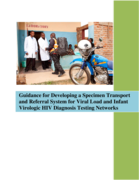
This document provides a systematic approach in developing a coordinated, standardized, reliable, efficient, cost-effective, and sustainable specimen transport and referral system to support IVHD and VL testing networks. This document provides technical and programmatic recommendations on the approp
...
riate specimen storage and transportation of specimens for HIV VL and IVHD testing. Along with the national guidelines for specimen storage and transport, these standards should provide guidance on the creation or improvement of specimen referral networks and specimen transport systems. In addition, standard operating procedures (SOPs) targeting drivers and persons responsible for packing of specimens and results return are included in this document.
No publication year indicated in the document. more
No publication year indicated in the document. more

Democratic dispensation in 1994 created a political and social platform that reshaped life in South Africa. There was a surge in common belief that the inequity and wrong of Apartheid should and could be rectified. Equity of access to water and sanitation were obvious targets for improvement. In 199
...
4, an estimated 14–15 million South Africans were without access to an improved water supply, while close to 21 million - more than half of the population at that time - did not have access to improved sanitation facilities. These problems were most severe in poorer rural areas. The water and sanitation sector became unified by the vision of universal access for all South Africans. This case study documents the progression of the sector between 1994 and 2016, and analyzes the impact of local systems created in South Africa to respond to the water and sanitation challenge.
more
Journal of the International AIDS Society, Volume 20, Issue 1 (2017)21796
Qualitative research on HIV self testing among men who have sex with men and transgender women in Yangon, Mynamar.
Global effort to increase early diagnosis and engagement in HIV care emphasize the importance ... of developing novel approaches to reaching those missed by traditional methods. Such needs are particularly great for men who have sex with men (MSM), transgender women (TW), and other populations who face stigma. Myanmar's HIV epidemic is concentrated among key populations and the revised National Strategy aims to reduce late diagnosis and barriers to care to curb HIV incidence among these groups. HIV self‐testing (HIVST) may be one method to improve testing and diagnosis among key populations, by placing HIV testing and disclosure within the individual's control.
https://doi.org/10.7448/IAS.20.01.21796 more
Qualitative research on HIV self testing among men who have sex with men and transgender women in Yangon, Mynamar.
Global effort to increase early diagnosis and engagement in HIV care emphasize the importance ... of developing novel approaches to reaching those missed by traditional methods. Such needs are particularly great for men who have sex with men (MSM), transgender women (TW), and other populations who face stigma. Myanmar's HIV epidemic is concentrated among key populations and the revised National Strategy aims to reduce late diagnosis and barriers to care to curb HIV incidence among these groups. HIV self‐testing (HIVST) may be one method to improve testing and diagnosis among key populations, by placing HIV testing and disclosure within the individual's control.
https://doi.org/10.7448/IAS.20.01.21796 more
Journal of the International AIDS Society 2016, 19:20926
There is a growing interest in the potential contribution the private sector can make towards increasing access to antiretroviral therapy (ART) in low‐ and middle‐income settings. This article describes a public–private partnership ... that was developed to expand HIV care capacity in Yangon, Myanmar. The partnership was between private sector general practitioners (GPs) and a community‐based non‐governmental organization (International HIV/AIDS Alliance).
https://doi.org/10.7448/IAS.19.1.20926 more
There is a growing interest in the potential contribution the private sector can make towards increasing access to antiretroviral therapy (ART) in low‐ and middle‐income settings. This article describes a public–private partnership ... that was developed to expand HIV care capacity in Yangon, Myanmar. The partnership was between private sector general practitioners (GPs) and a community‐based non‐governmental organization (International HIV/AIDS Alliance).
https://doi.org/10.7448/IAS.19.1.20926 more
This Technical Brief focuses on appraising and prioritising options for climate resilience with a view to informing water, sanitation and hygiene (WASH) programme and project design.
This Technical Brief:
- provides a simple scorecard/checklist approach to use as a starting point for appr ... aising and prioritising options, and as an awareness-raising activity - covers all aspects of WASH
- has a predominantly rural focus, to align with the rest of the Strategic Framework and Technical Briefs
- focuses on current and near future options over the next 15–20 years, which fits in with WASH programming timescales and development
- includes WASH examples to show how the approach can be applied. more
This Technical Brief:
- provides a simple scorecard/checklist approach to use as a starting point for appr ... aising and prioritising options, and as an awareness-raising activity - covers all aspects of WASH
- has a predominantly rural focus, to align with the rest of the Strategic Framework and Technical Briefs
- focuses on current and near future options over the next 15–20 years, which fits in with WASH programming timescales and development
- includes WASH examples to show how the approach can be applied. more

Afr J Tradit Complement Altern Med. (2016) 13(4):123-131
Out of 400 questionnaires distributed to the participants, 389 were returned with data acceptable for analysis. Ages of the participants ranged from 18 to 75 years (Mean=43 + 11.6). Out of the 272 (69.9%) participants who conceded that th ... ey had used medicinal herbs at least once, 30 (7.7%) participants used medicinal herbs frequently while 242 (62.2 %) rarely used the herbs. At least 20 plant species belonging to 16 families were reportedly used by the participants. Asteraceae was the most common plant family reportedly used by the participants. Allium sativum and Dicoma anomala, reportedly used by 21.0% and 14.3% respectively, were the most commonly used medicinal herbs in this population. In addition, boosting the immune system and treating gastrointestinal ailments, apparently cited by 32% and 28% participants respectively, were the most commonly reported reasons for using medicinal herbs.
http://dx.doi.org/10.21010/ajtcam.v13i4.17 more
Out of 400 questionnaires distributed to the participants, 389 were returned with data acceptable for analysis. Ages of the participants ranged from 18 to 75 years (Mean=43 + 11.6). Out of the 272 (69.9%) participants who conceded that th ... ey had used medicinal herbs at least once, 30 (7.7%) participants used medicinal herbs frequently while 242 (62.2 %) rarely used the herbs. At least 20 plant species belonging to 16 families were reportedly used by the participants. Asteraceae was the most common plant family reportedly used by the participants. Allium sativum and Dicoma anomala, reportedly used by 21.0% and 14.3% respectively, were the most commonly used medicinal herbs in this population. In addition, boosting the immune system and treating gastrointestinal ailments, apparently cited by 32% and 28% participants respectively, were the most commonly reported reasons for using medicinal herbs.
http://dx.doi.org/10.21010/ajtcam.v13i4.17 more
Afr J Tradit Complement Altern Med. (2013) 10(5):210-229
Plants are important sources of medicines. Herbal medicines in Lesotho are exposed to excessive exploitation and habitat destruction. Comprehensive information to promote proper use and conservation of these herbal medicines is lacking. ... This study described the uses of medicinal plants in Lesotho with comparative reference between practice and the literature, highlighting important ethno-medicinal information and conservation status of the plants. Additionally, the study established a repository and monograph for the herbal medicines in Lesotho.
http://dx.doi.org/10.4314/ajtcam.v13i1.20 more
Plants are important sources of medicines. Herbal medicines in Lesotho are exposed to excessive exploitation and habitat destruction. Comprehensive information to promote proper use and conservation of these herbal medicines is lacking. ... This study described the uses of medicinal plants in Lesotho with comparative reference between practice and the literature, highlighting important ethno-medicinal information and conservation status of the plants. Additionally, the study established a repository and monograph for the herbal medicines in Lesotho.
http://dx.doi.org/10.4314/ajtcam.v13i1.20 more

Medicinal plants occupied an important position in the socio-cultural, spiritual and medicinal arena of rural people of India. T
The present report is based on contribution made by members of the task force and many other experts on medicinal plants. We hope the report on implementation will promot
...
e sustainable and equitable development of medicinal plants sector provide "Health for All", boost exports, and will improve livelihood of the people and green the country for the present and the
generation to come.
more
Chinese Medicine, (2016) 11:37
Medicinal plants are globally valuable sources of herbal products, and they are disappearing at a high speed. This article reviews global trends, developments and prospects for the strategies and methodologies concerning the conservation and sustainable use of me ... dicinal plant resources to provide a reliable reference for the conservation and sustainable use of medicinal plants. We emphasized that both conservation strategies (e.g. in situ and ex situ conservation and cultivation practices) and resource management (e.g. good agricultural practices and sustainable use solutions) should be adequately taken into account for the sustainable use of medicinal plant resources. We recommend that biotechnical approaches (e.g. tissue culture, micropropagation, synthetic seed technology, and molecular marker-based approaches) should be applied to improve yield and modify the potency of medicinal plants.
https://doi.org/10.1186/s13020-016-0108-7 more
Medicinal plants are globally valuable sources of herbal products, and they are disappearing at a high speed. This article reviews global trends, developments and prospects for the strategies and methodologies concerning the conservation and sustainable use of me ... dicinal plant resources to provide a reliable reference for the conservation and sustainable use of medicinal plants. We emphasized that both conservation strategies (e.g. in situ and ex situ conservation and cultivation practices) and resource management (e.g. good agricultural practices and sustainable use solutions) should be adequately taken into account for the sustainable use of medicinal plant resources. We recommend that biotechnical approaches (e.g. tissue culture, micropropagation, synthetic seed technology, and molecular marker-based approaches) should be applied to improve yield and modify the potency of medicinal plants.
https://doi.org/10.1186/s13020-016-0108-7 more
Final Evaluation
The project objectives were to promote the conservation, sustainable use and cultivation of endangered medicinal plants in Zimbabwe, by demonstrating effective models at the local level, and developing a legal framework for the conservation, sustainable use, and equitable shari ... ng of benefits from medicinal plants at the national level. After one year of implementation, the project rationale, indicators and targets were reviewed in order to make them more rigorous as per the new GEF focus on project impact. New indicators and targets were developed in December 2004. The project is composed of five closely linked output areas that have been allocated to different implementing partners to take a lead in. These include the National Herbarium and Botanical Gardens (Output 1), the University of Zimbabwe School of Pharmacy (Output 2), the Southern Alliance for Indigenous Resources (SAFIRE), a regional NGO (Output 2 and 4), and the Attorney General‟s Office (Output 5). more
The project objectives were to promote the conservation, sustainable use and cultivation of endangered medicinal plants in Zimbabwe, by demonstrating effective models at the local level, and developing a legal framework for the conservation, sustainable use, and equitable shari ... ng of benefits from medicinal plants at the national level. After one year of implementation, the project rationale, indicators and targets were reviewed in order to make them more rigorous as per the new GEF focus on project impact. New indicators and targets were developed in December 2004. The project is composed of five closely linked output areas that have been allocated to different implementing partners to take a lead in. These include the National Herbarium and Botanical Gardens (Output 1), the University of Zimbabwe School of Pharmacy (Output 2), the Southern Alliance for Indigenous Resources (SAFIRE), a regional NGO (Output 2 and 4), and the Attorney General‟s Office (Output 5). more
Trop. Med. Infect. Dis. 2018, 3, 72;
The study identified some key determinants of untimely and incomplete childhood vaccinations in the context of Bangladesh. The findings will contribute to the improvement of age-specific vaccination and support policy makers in taking the necessary control ... strategies with respect to delayed and early vaccination in Bangladesh.
https://doi.org/10.3390/tropicalmed3030072 more
The study identified some key determinants of untimely and incomplete childhood vaccinations in the context of Bangladesh. The findings will contribute to the improvement of age-specific vaccination and support policy makers in taking the necessary control ... strategies with respect to delayed and early vaccination in Bangladesh.
https://doi.org/10.3390/tropicalmed3030072 more

Infectious disease outbreaks are frequently characterized by scientific uncertainty, social and institutional disruption, and an overall climate of fear and distrust. Policy makers and public health professionals may be forced to weigh and prioritize potentially competing ethical values in the face
...
of severe time and resource constraints. This document seeks to assist policy-makers, health care providers, researchers, and others prepare for outbreak situations by anticipating and preparing for the critical ethical issues likely to arise.
more
Journal of the International AIDS Society 2017, vol. 20:e25026
In Myanmar, men who have sex with men (MSM) experience high risk of HIV infection. However, access to HIV testing and prevention services remains a challenge among this marginalized population. The objective of this study was to est ... imate population prevalence and correlates of prior HIV testing among young MSM (YMSM) and informs the development of HIV testing and intervention programmes that respond to the specific needs of this population.
https://doi.org/10.1002/jia2.25026 more
In Myanmar, men who have sex with men (MSM) experience high risk of HIV infection. However, access to HIV testing and prevention services remains a challenge among this marginalized population. The objective of this study was to est ... imate population prevalence and correlates of prior HIV testing among young MSM (YMSM) and informs the development of HIV testing and intervention programmes that respond to the specific needs of this population.
https://doi.org/10.1002/jia2.25026 more
