
Filter
3648
Filtered Results: 3648
Text search:
World
Health
Organization
and
UN
partners
Featured
Recommendations
277
New Publications
1082
Language
Document type
No document type
2130
Studies & Reports
661
Guidelines
308
Strategic & Response Plan
222
Manuals
172
Situation Updates
57
Fact sheets
42
Training Material
34
Resource Platforms
9
Infographics
6
Brochures
5
Online Courses
2
Countries / Regions
Global
193
Myanmar / Burma
106
Sierra Leone
95
Liberia
93
Kenya
91
Syria
91
Uganda
83
Nigeria
76
Ethiopia
73
Bangladesh
71
Nepal
70
India
67
Western and Central Europe
64
Rwanda
62
Zambia
57
South Sudan
56
Malawi
55
Africa
55
Congo, Democratic Republic of
46
Latin America and the Carribbean
42
Ukraine
40
South Africa
39
Namibia
39
Ghana
36
Tanzania
36
Mozambique
34
Yemen
33
South–East Asia Region
32
Indonesia
31
Lesotho
29
Zimbabwe
29
Philippines
29
Guinea
29
Cambodia
28
Haiti
26
Asia
26
West and Central Africa
24
Venezuela
23
East and Southern Africa
23
Eastern Europe
22
Central African Republic
21
Cameroon
18
Afghanistan
18
Jordan
18
Botswana
18
Senegal
17
Lebanon
17
Pakistan
17
Burkina Faso
16
Somalia
16
Colombia
15
Germany
15
Middle East and North Africa
15
Russia
15
Thailand
13
Brazil
12
Sudan
12
Laos
10
Moldova
10
Vietnam
9
Mali
9
Eswatini/ Swaziland
9
Sri Lanka
8
Iraq
8
Madagascar
8
Benin
7
China
7
Albania
7
Eastern Europe and Central Asia
7
Palestine
7
Angola
6
Libya
6
North Macedonia
5
Timor Leste/ East Timor
5
Mexico
5
Turkey
5
Burundi
5
Armenia
5
Georgia
5
Tajikistan
4
Togo
4
Niger
4
Peru
4
Western Pacific Region
4
Japan
4
Papua New Guinea
4
Greece
4
Poland
4
Chad
4
Iran
3
Kyrgyzstan
3
Malaysia
3
USA
3
Guinea-Bissau
3
Hungary
3
Turkmenistan
3
Mauritius
3
Belarus
3
Côte d’Ivoire / Ivory Coast
3
Romania
3
Bhutan
3
Serbia
2
Gambia
2
Kazakhstan
2
Italy
2
Croatia
2
Paraguay
2
North America
2
Portugal
2
Spain
2
Argentina
2
Egypt
2
Guatemala
2
North Korea
1
Switzerland
1
El Salvador
1
Chile
1
Uzbekistan
1
Austria
1
Morocco
1
Mongolia
1
Bulgaria
1
Mauritania
1
Dominican Republic
1
Lithuania
1
Jamaica
1
Denmark
1
Belgium
1
Norway
1
Azerbaijan
1
Bosnia and Herzegovina
1
Southern Africa
1
Djibouti
1
Slovakia
1
Honduras
1
Authors & Publishers
Publication Years
Category
Countries
1389
Key Resources
318
Women & Child Health
212
Public Health
162
Clinical Guidelines
134
Capacity Building
37
Pharmacy & Technologies
18
Annual Report MEDBOX
2
Toolboxes
HIV
320
COVID-19
292
Disability
230
Mental Health
222
Conflict
203
TB
148
Planetary Health
144
Ebola & Marburg
116
Global Health Education
103
Refugee
101
Health Financing Toolbox
75
Natural Hazards
70
Rapid Response
61
AMR
58
Caregiver
44
NTDs
41
2.0 Rapid Response
40
Cholera
33
NCDs
33
Pharmacy
30
Zika
20
Malaria
15
Polio
15
Specific Hazards
13
Social Ethics
9
Typhoon
3
South Sudan
2
The Government of Republic of Zambia reported the first confirmed cases of COVID-19 on 18th March 2020. As of April 27th, 2020, there were 89 confirmed cases, three deaths and 42 recoveries. Confirmed cases are located in three provinces: Lusaka (83 cases), Copperbelt province (5 cases) and Central ...
The Government of Republic of Zambia reported the first confirmed cases of COVID-19 on 18th March 2020. As of April 27th, 2020, there were 89 confirmed cases, three deaths and 42 recoveries. Confirmed cases are located in three provinces: Lusaka (83 cases), Copperbelt province (5 cases) and Central ...
New research exposes how women and children are disproportionally affected by climate migration, which puts them at greater risk of gender-based violence, child labour and exploitation.
Governments must ensure the safety and protection of women and girls in climate emergencies, including the safe...
Diarrhoea Treatment Guidelines
recommended
The WHO page addresses diarrhoeal diseases, one of the leading causes of death among children under five, which can be prevented through clean water, improved hygiene, and vaccinations. It emphasizes the importance of oral rehydration solutions (ORS) and zinc supplementation for treatment, as well a...
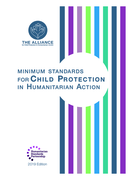
The Child Protection handbook provides a synthesis of good practice and learning and enables better advocacy and communication on child protection risks, needs and responses. Standards addressing child protection needs cover core work areas and critical issues. Those addressing strategy relate to ca...
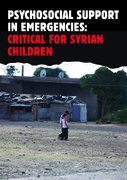
This report aims to provide Syrian children with a platform to make their voices heard. Their stories highlight the urgent need to address the psychosocial well-being of children affected by the Syrian civil war, and in all emergencies

Children in Kabwe are especially at risk because they are more likely to ingest lead dust when playing in the soil, their brains and bodies are still developing, and they absorb four to five times as much lead as adults. The consequences for children who are exposed to high levels of lead and are no...
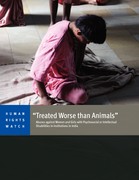
Abuses against Women and Girls with Psychosocial or Intellectual Disabilities in institutions in India
Guidelines for planning and provision of pastoral and social support services
Statistics and Monitoring Section / Policy and Practice

The cluster approach is a mechanism that helps to address identified gaps in response and enhance the quality of humanitarian action
New displacements by conflict and disasters in 2020
As the Burundi refugee crisis enters its fourth year, some 430,000 Burundian refugees are being hosted across the region by the governments and people of Tanzania, Rwanda, the Democratic Republic of the Congo, and Uganda. Although the spectre of mass violence in Burundi has receded, with the politic...
Case study
An emergency WASH gap exists – there is little disagreement on this point within the humanitarian sector. There is a paucity of emergency WASH capacity, but a surplus of complacency. This report provides an overview of both historical trends and current challenges in emergency WASH pro...
Ending the epidemics of HIV, tuberculosis and malaria by 2030 is within reach, but not yet fully in our grasp.
With only 11 years left, we have no time to waste. We must step up the fight now.
Almost eight years of active fighting have had profound consequences on the lives of millions of people in the conflict-affected Donetska and Luhanska oblasts of eastern Ukraine. An estimated 2.9 million people are projected to need humanitarian assistance in 2022, with some 55 per cent living in th...
The rapid arrival of millions of asylum seekers and migrants in Europe in 2015–16 forced cities both large and small to rethink their approach to immigrant inclusion.
In-and Out-Patient Treatment
Nutrition Cluster Handbook
recommended
The purpose of the handbook is to provide those involved in nutrition coordination with relevant tools, guidance, information and resources to support their roles in facilitating predictable, coordinated and effective preparation for, and responses to, nutrition needs in humanitarian emergencies. Ra...

A National Service Programme for All Children with Special Needs and their Families
In Myanmar, we estimate that at least 40% of children require ECI services for short to longer periods of time. At present, 35.1% of Myanmar children are moderately to severely stunted; all of these children are l...
In Myanmar, we estimate that at least 40% of children require ECI services for short to longer periods of time. At present, 35.1% of Myanmar children are moderately to severely stunted; all of these children are l...
