
Filter
3386
Text search:
development
of
peoples
Featured
282
871
Language
3278
91
88
53
51
31
26
11
9
8
6
6
6
5
5
4
4
4
4
3
3
3
3
3
3
3
3
3
3
3
2
2
2
2
2
2
2
2
1
1
1
1
1
1
1
1
1
1
1
1
1
1
1
1
1
Document type
1824
725
304
210
164
75
40
24
10
7
1
1
Countries
190
106
87
79
77
75
70
69
67
64
56
54
51
47
47
41
41
38
38
38
36
34
32
32
31
30
30
30
24
23
19
19
18
18
16
16
15
13
13
13
12
11
11
11
11
11
11
11
11
11
11
11
10
10
10
9
9
8
8
8
8
8
7
6
6
5
5
5
4
4
4
4
4
4
4
3
3
3
3
3
3
3
3
3
2
2
2
2
2
2
2
2
2
2
2
2
2
2
2
2
2
2
2
2
2
2
2
2
2
1
1
1
1
1
1
1
1
1
1
1
1
1
1
1
1
1
1
1
1
1
1
1
1
1
1
1
Authors & Publishers
382
120
114
87
85
76
61
53
44
37
26
23
23
23
21
18
18
17
16
16
15
15
14
14
14
13
13
12
12
12
11
10
10
10
10
10
9
9
9
9
9
9
8
8
8
8
8
8
8
8
8
8
8
8
8
8
7
7
7
7
7
7
7
7
7
7
7
7
7
7
7
6
6
6
6
6
6
6
6
6
6
6
6
5
5
5
5
5
5
5
5
5
5
5
5
5
5
5
5
5
4
4
4
4
4
4
4
4
4
4
4
4
4
4
4
4
4
4
4
4
4
4
4
4
4
4
4
4
4
4
4
4
4
4
4
4
4
4
4
4
4
4
3
3
3
3
3
3
3
3
3
3
3
3
3
3
3
3
3
3
3
3
3
3
3
3
3
3
3
3
3
3
3
3
3
3
3
3
3
3
3
3
3
3
3
3
3
3
3
3
3
3
3
3
3
3
3
3
3
3
3
3
3
3
3
3
3
2
2
2
2
2
2
2
2
2
2
2
2
2
2
2
2
2
2
2
2
2
2
2
2
2
2
2
2
2
2
2
2
2
2
2
2
2
2
2
2
2
2
2
2
2
2
2
2
2
2
2
2
2
2
2
2
2
2
2
2
2
2
2
2
2
2
2
2
2
2
2
2
2
2
2
2
2
2
2
2
2
2
2
2
2
2
2
2
2
2
2
2
2
2
2
2
2
2
2
2
2
2
2
2
2
2
2
2
2
2
2
2
2
2
2
2
2
2
2
2
2
2
2
2
2
2
2
2
2
2
2
2
2
2
2
2
2
2
2
2
2
2
2
2
2
2
2
2
2
2
2
2
2
2
2
2
2
2
2
2
2
2
2
2
2
2
2
2
2
2
2
2
2
2
2
2
2
2
2
2
2
2
2
2
2
2
2
2
2
2
2
2
2
2
2
2
2
2
1
1
1
1
1
1
1
1
1
1
1
1
1
1
1
1
1
1
1
1
1
1
1
1
1
1
1
1
1
1
1
1
1
1
1
1
1
1
1
1
1
1
1
1
1
1
1
1
1
1
1
1
1
1
1
1
1
1
1
1
1
1
1
1
1
1
1
1
1
1
1
1
1
1
1
1
1
1
1
1
1
1
1
1
1
1
1
1
1
1
1
1
1
1
1
1
1
1
1
1
1
1
1
1
1
1
1
1
1
1
1
1
1
1
1
1
1
1
1
1
1
1
1
1
1
1
1
1
1
1
1
1
1
1
1
1
1
1
1
1
1
1
1
1
1
1
1
1
1
1
1
1
1
1
1
1
1
1
1
1
1
1
1
1
1
1
1
1
1
1
1
1
1
1
1
1
1
1
1
1
1
1
1
1
1
1
1
1
1
1
1
1
1
1
1
1
1
1
1
1
1
1
1
1
1
1
1
1
1
1
1
1
1
1
1
1
1
1
1
1
1
1
1
1
1
1
1
1
1
1
1
1
1
1
1
1
1
1
1
1
1
1
1
1
1
1
1
1
1
1
1
1
1
1
1
1
1
1
1
1
1
1
1
1
1
1
1
1
1
1
1
1
1
1
1
1
1
1
1
1
1
1
1
1
1
1
1
1
1
1
1
1
1
1
1
1
1
1
1
1
1
1
1
1
1
1
1
1
1
1
1
1
1
1
1
1
1
1
1
1
1
1
1
1
1
1
1
1
1
1
1
1
1
1
1
1
1
1
1
1
1
1
1
1
1
1
1
1
1
1
1
1
1
1
1
1
1
1
1
1
1
1
1
1
1
1
1
1
1
1
1
1
1
1
1
1
1
1
1
1
1
1
1
1
1
1
1
1
1
1
1
1
1
1
1
1
1
1
1
1
1
1
1
1
1
1
1
1
1
1
1
1
1
1
1
1
1
1
1
1
1
1
1
1
1
1
1
1
1
1
1
1
1
1
1
1
1
1
1
1
1
1
1
1
1
1
1
1
1
1
1
1
1
1
1
1
1
1
1
1
1
1
1
1
1
1
1
1
1
1
1
1
1
1
1
1
1
1
1
1
1
1
1
1
1
1
1
1
1
1
1
1
1
1
1
1
1
1
1
1
1
1
1
1
1
1
1
1
1
1
1
1
1
1
1
1
1
1
1
1
1
1
1
1
1
1
1
1
1
1
1
1
1
1
1
1
1
1
1
1
1
1
1
1
1
1
1
1
1
1
1
1
1
1
1
1
1
1
1
1
1
1
1
1
1
1
1
1
1
1
1
1
1
1
1
1
1
1
1
1
1
1
1
1
1
1
1
1
1
1
1
1
1
1
1
1
1
1
1
1
1
1
1
1
1
1
1
1
1
1
1
1
1
1
1
1
1
1
1
1
1
1
1
1
1
1
1
1
1
1
1
1
1
1
1
1
1
1
1
1
1
1
1
1
1
1
1
1
1
1
1
1
1
1
1
1
1
1
1
1
1
1
1
1
1
1
1
1
1
1
1
1
1
1
1
1
1
1
1
1
1
1
1
1
1
1
1
1
1
1
1
1
1
1
1
1
1
1
1
1
1
1
1
1
1
1
1
1
1
1
1
1
1
1
1
1
1
1
1
1
1
1
1
1
1
1
1
1
1
1
1
1
1
1
1
1
1
1
1
1
1
1
1
1
1
1
1
1
1
1
1
1
1
1
1
1
1
1
1
1
1
1
1
1
1
1
1
1
1
1
1
1
1
1
1
1
1
1
1
1
1
1
1
1
1
1
1
1
1
1
1
1
1
1
1
1
1
1
1
1
1
1
1
1
1
1
1
1
1
1
1
1
1
1
1
1
1
1
1
1
1
1
1
1
1
1
1
1
1
1
1
1
1
1
1
1
1
1
1
1
1
1
1
1
1
1
1
1
1
1
1
1
1
1
1
1
1
1
1
1
1
1
1
1
1
1
1
1
1
1
1
1
1
1
1
1
1
1
1
1
1
1
1
1
1
1
1
1
1
1
1
1
1
1
1
1
1
1
1
1
1
1
1
1
1
1
1
1
1
1
1
1
1
1
1
1
1
1
1
1
1
1
1
1
1
1
1
1
1
1
1
1
1
1
1
1
1
1
1
1
1
1
1
1
1
1
1
1
1
1
1
1
1
1
1
1
1
1
1
1
1
1
1
1
1
1
1
1
1
1
1
1
1
1
1
1
1
1
1
1
1
1
1
1
1
1
1
1
1
1
1
1
1
1
1
1
1
1
1
1
1
1
1
1
1
1
1
1
1
1
1
1
1
1
1
1
1
1
1
1
1
1
1
1
1
1
1
1
1
1
1
1
1
1
1
1
1
1
1
1
1
1
1
1
1
1
1
1
1
1
1
1
1
1
1
1
1
1
1
1
1
1
1
1
1
1
1
1
1
1
1
1
1
1
1
1
1
1
1
1
1
1
1
1
1
1
1
1
1
1
1
1
1
1
1
1
1
1
1
1
1
1
1
1
1
1
1
1
1
1
1
1
1
1
1
1
1
1
1
1
1
1
1
1
1
1
1
1
1
1
1
1
1
1
1
1
1
1
1
1
1
1
1
1
1
1
1
1
1
1
1
1
1
1
1
1
1
1
1
1
1
1
1
1
1
1
1
1
1
1
1
1
1
1
1
1
1
1
1
1
1
1
1
1
1
1
1
1
1
1
1
1
1
1
1
1
1
1
1
1
1
1
1
1
1
1
1
1
1
1
1
1
1
1
1
1
1
1
1
1
1
1
1
1
1
1
1
1
1
1
1
1
1
1
1
1
1
1
1
1
1
1
1
1
1
1
1
1
1
1
1
1
1
1
1
1
1
1
1
1
1
1
1
1
1
1
1
1
1
1
1
1
1
1
1
1
1
1
1
1
1
1
1
1
1
1
1
1
1
1
1
1
1
1
1
1
1
1
1
1
1
1
1
1
1
1
1
1
1
1
1
1
1
1
1
1
1
1
1
1
1
1
1
1
1
1
1
1
1
1
1
1
1
1
1
1
1
1
1
1
1
1
1
1
1
1
1
1
1
1
1
1
1
1
1
1
1
1
1
1
1
1
1
1
1
1
1
1
1
1
1
1
1
1
1
1
1
1
1
1
1
1
1
1
1
1
1
1
1
1
1
1
1
1
1
1
1
1
1
1
1
1
1
1
1
1
1
1
1
1
1
1
1
1
1
1
1
1
1
1
1
1
1
1
1
1
1
1
1
1
1
1
1
1
1
1
1
1
1
1
1
1
1
1
1
1
1
1
1
1
1
1
1
1
1
1
1
1
1
1
1
1
1
1
1
1
1
1
1
1
1
1
1
1
1
1
1
1
1
1
1
1
1
1
1
1
1
1
1
1
1
1
1
1
1
1
1
1
1
1
1
1
1
1
1
1
1
1
1
1
1
1
1
1
1
1
1
1
1
1
1
1
1
1
1
1
1
1
1
1
1
1
1
1
1
1
1
1
1
1
1
1
1
1
1
1
1
1
1
1
1
1
1
1
1
1
1
1
1
1
1
1
1
1
1
1
1
1
1
1
1
1
1
1
1
1
1
1
1
1
1
1
1
1
1
1
1
1
1
1
1
1
1
1
1
1
1
1
1
1
1
1
1
1
1
1
1
1
1
1
1
1
1
1
1
1
1
1
1
1
1
1
1
1
1
1
1
1
1
1
1
1
1
1
1
1
1
1
1
1
1
1
1
1
1
1
1
1
1
1
1
1
1
1
1
1
1
1
1
1
1
1
1
1
1
1
1
1
1
1
1
1
1
1
1
1
1
1
1
1
1
1
1
1
1
1
1
1
1
1
1
1
1
1
1
1
1
1
1
1
1
1
1
1
1
1
1
1
1
1
1
1
1
1
1
1
1
1
1
1
1
1
1
1
1
1
1
1
1
1
1
1
1
1
1
1
1
1
1
1
1
1
1
1
1
1
1
1
1
1
1
1
1
1
1
1
1
1
1
1
1
1
1
1
1
1
1
1
1
1
1
1
1
1
1
1
1
1
1
1
1
1
1
1
1
1
1
1
1
1
1
1
1
1
1
1
1
1
1
1
1
1
1
1
1
1
1
1
1
1
1
1
1
1
1
1
1
1
1
1
1
1
1
1
1
1
1
1
1
1
1
1
1
1
1
1
1
1
1
1
1
1
1
1
1
1
1
1
1
1
1
1
1
1
1
1
1
1
1
1
1
1
1
1
1
1
1
1
1
1
1
1
1
1
1
1
1
1
1
1
1
1
1
1
1
1
1
1
1
1
1
1
1
1
1
1
1
1
1
1
1
1
1
1
1
1
1
1
1
1
1
1
1
1
1
1
1
1
1
1
1
1
1
1
1
1
1
1
1
1
1
1
1
1
1
1
1
1
1
1
1
1
1
1
1
1
1
1
1
1
1
1
1
1
1
1
1
1
1
1
1
1
1
1
1
1
1
1
1
1
1
1
1
1
1
1
1
1
1
1
1
1
1
1
1
1
1
1
1
1
1
1
1
1
1
1
1
1
1
1
1
1
1
1
1
1
1
1
1
1
1
1
1
1
1
1
1
1
1
1
1
1
1
1
1
1
1
1
1
1
1
1
1
1
1
1
1
1
1
1
1
1
1
1
1
1
1
1
1
1
1
1
1
1
1
1
1
1
1
1
1
1
1
1
1
1
1
1
1
1
1
1
1
1
1
1
1
1
1
1
1
1
1
1
1
1
1
1
1
1
1
1
1
1
1
1
1
1
1
1
1
1
1
1
1
1
1
1
1
1
1
1
1
1
1
1
1
1
1
1
1
1
1
1
1
1
1
1
1
1
1
1
1
1
1
1
1
1
1
1
1
1
1
1
1
1
1
1
1
1
1
1
1
1
1
1
1
1
1
1
1
1
1
1
1
1
1
1
1
1
1
1
1
1
1
1
1
1
1
1
1
1
1
1
1
1
1
1
1
1
1
1
1
1
1
1
1
1
1
1
1
1
1
1
1
1
1
1
1
1
1
1
1
1
1
1
1
1
1
1
1
1
1
1
1
1
1
1
1
1
1
1
1
1
1
1
1
1
1
1
1
1
1
1
1
1
1
1
1
1
1
1
1
1
1
1
1
1
1
1
1
1
1
1
1
1
1
1
1
1
1
1
1
1
1
1
1
1
1
1
1
1
1
1
1
1
1
1
1
1
1
1
1
1
1
1
1
1
1
1
1
1
1
1
1
1
1
1
1
1
1
1
1
1
1
1
1
1
1
1
1
1
1
1
1
1
1
1
1
1
1
1
1
1
1
1
1
1
1
1
1
1
1
1
1
1
1
1
1
1
1
1
1
1
1
1
1
1
1
1
1
1
1
1
1
1
1
1
1
1
1
1
1
1
1
1
1
1
1
1
1
1
1
1
1
1
1
1
1
1
1
1
1
1
1
1
1
1
1
1
1
1
1
1
1
1
1
1
1
1
1
1
1
1
1
1
1
1
1
1
1
1
1
1
1
1
1
1
1
1
1
1
1
1
1
1
1
1
1
1
1
1
1
1
1
1
1
1
1
1
1
1
1
1
1
1
1
1
1
1
1
1
1
1
1
1
1
1
1
1
1
1
1
1
1
1
1
1
1
1
1
1
1
1
1
1
1
1
1
1
1
Publication Years
1
1052
2010
306
14
1
2
Category
1136
294
221
156
109
76
9
1
Toolboxes
349
321
259
228
145
114
100
90
87
86
83
76
61
56
50
48
42
42
36
35
33
20
12
12
10
2
1

UNHCR’s Public Health Strategy 2021-2025 is based on the lessons learnt, and builds on the achievements, of the Global Strategy for Public Health 2014-2018.
Progress was made on policies favouring inclusion and integration into national systems3
...
with 92% of 48 operations surveyed reporting refugees having access to national primary health care facilities under the same conditions as nationals and 96% reporting refugees having access to all relevant vaccines under the same conditions as nationals. While many refugee hosting countries have policies that allow refugees to access national health services, many face partial access, prohibitive out-of-pocket expenditures and other barriers including distance to facilities, language and provider acceptance. Furthermore, more work is needed on strengthening these systems to be able to meet the needs of both host communities and refugees.
more
PHARMA’S RESPONSE TO THE COVID-19 VACCINES CRISIS. Update Feb., 14, 2022. In September 2021, Amnesty International published A Double Dose of Inequality, which assessed the extent to which the pharmaceutical industry was restricting access to Covi
...
d-19 vaccines. This report updates that assessment of five leading vaccine manufacturers, AstraZeneca plc, BioNTech SE, Johnson & Johnson, Moderna Inc., and Pfizer Inc. It also includes for the first time an assessment of the two largest Chinese vaccine producers, China National Pharmaceutical Group Co., Ltd. (Sinopharm) and Sinovac Biotech Ltd. (Sinovac).
more
Today, WFP has the capabilities and know-how to tap into mobile technology and artificial intelligence to monitor food security; use satellite technology to locate and track communities in need; and offer digital finance via blockchain technology to put consumer choices in the hands
...
of our beneficiaries.
more
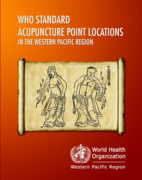
Acupuncture has been practised for more than 2500 years in the Western Pacific Region and has become a global therapeutic method in recent decades. However, it was reportedthat acupuncturists differed by up to 25% in the acupuncture points they used, raising doubts and uncertainty regarding the effi
...
cacy and safety of acupuncture treatment, as well as causing difficulties in the fields of acupuncture research and education.
more

This Tailoring Antimicrobial Resistance Programmes (TAP) process assists Member States in initiating and undertaking projects to address the spread of antimicrobial resistance (AMR) in their countries. AMR is a complex problem requiring
...
unique, context-specific solutions. This TAP Toolbox contains a series of exercises and is aligned with the stages outlined in the TAP Quick Guide. The Toolbox is designed to be used by a TAP working group as they work through the stages outlined in the TAP Quick Guide. The exercises and tools presented in this Toolbox have been abridged and adapted from the TAP Manual which will be available soon.
more
Getting on track to end AIDS as a public health threat by 2030. This new Road Map charts a way forward for country-level actions to achieve an ambitious set of HIV prevention targets by 2025. Those targets emerged from the 2021 Political Declaration
...
on HIV and AIDS, which the United Nations General Assembly adopted in June 2021 and they are underpinned by the Global AIDS Strategy (2021–2026). The Strategy sets out the principles, approaches, priority action area and programmatic targets for the global HIV response
more
The QualityRights training and orientation modules have been developed to enhance the knowledge, skills and understanding of key stakeholders on how to promote the rights of people with psychosocial
...
, intellectual or cognitive disabilities, improve the quality of services and support provided in the field of mental health and related areas, in line with international human rights standards, in particular the UN Convention on the Rights of Persons with Disabilities and the recovery approach.
mental health and related fields, in accordance with international human rights standards, in particular the UN Convention on the Rights of Persons with Disabilities and the recovery approach.
more

The Strategy to respond to antimalarial drug resistance in Africa is a technical and advocacy document, grounded in the best available evidence to date and aimed at minimizing the threat and impact of antimalarial drug resistance
...
of Plasmodium falciparum parasites in Africa. Its objectives are to: i) improve the detection of resistance to ensure a timely response; ii) delay the emergence of resistance to artemisinin and artemisinin-based combination therapy (ACT) partner drugs; and iii) limit the selection and spread of resistant parasites where resistance has been confirmed.
WHO Team
Global Malaria Programme
Editors
World Health Organization
Number of pages
87
Reference numbers
ISBN: 978 92 4 006026 5
Copyright
more
This report provides insight into the work that UNFPA has been doing to tackle FGM across borders in these border areas, where country offices are implementing a wide range of initiatives to address the issue. The information provided in this report
...
is structured into four pillars, namely those listed in the regional action plan to eliminate cross-border FGM endorsed by the Governments that participated in the interministerial meeting on ending cross-border FGM held in 2019.
more
The chapter Dementia in Latin America and the Caribbean: Prevalence, Incidence, Impact, and Trends over Time, is part of the publication series titled “Decade of Healthy Aging: situation and chall
...
enges”. This document aims to provide an outline of the current situation in Latin America and the Caribbean in respect of the prevalence and incidence of dementia and its impact on the health status of older people. As dementia is a significant global health problem which also has social and economic impacts this document highlights the importance of monitoring dementia in the region. The document evidences that dementia is one of the main contributors to dependence and disability in older people in Latin America and the Caribbean and, although its prevalence and incidence increase exponentially with age, it is not part of normal aging. Alzheimer’s disease is the most common dementia, and there is no cure for this condition, but with timely diagnosis is possible to ameliorate symptoms. It is important to assess what are the needs of people leaving with dementia and their families and to integrate dementia risk reduction strategies in pre-existing strategies for other non-communicable diseases. As shown in the report, despite the huge burden dementia is still underdiagnosed, and it is fundamental to better monitor its prevalence, incidence and the different societal impact that dementia can have. For that, it is crucial to promote the use of harmonized methodologies to address this information in a broader number of studies and countries in the region. This can contribute to the generation of direct actions to decrease dementia risk and lead to healthier lives for people with dementia and their families.
more

Due to high routine vaccination coverage, overall counts of diphtheria case have significantly declined in the Western Pacific Region recently. However, diphtheria is still prevalent in several countries and areas
...
of the Region and remains a public health issue due to its high case fatality rate.
This Field Guide for Preparedness and Response to Diphtheria Outbreaks in the Western Pacific Region is a reference resource for Member States to develop national guidelines adapted to their local context. Countries may also use this Guide to facilitate outbreak preparedness and public health responses to reduce morbidity and mortality due to diphtheria.
more

Adolescence, defined as the period between 10 and 19 years of age, is a developmental stage during which many psychosocial and mental health challenges emerge. There is a well-established link between mental health and HIV outcomes. Adolescents and
...
young adults living with HIV typically have additional mental health needs linked to their experiences of living with and managing a chronic illness, along with prevailing stigma and discrimination. Mental health promotion and prevention is thus a critical priority for this group.
more
The ongoing COVID-19 pandemic has shown that public financial management (PFM) should be an integral part of the response. Effectiveness in financing the health response depends not only on the level of
...
funding but also on the way public funds are allocated and spent, this is determined by the PFM rules, and how money flows to health service providers. So far, early assessments have shown that PFM systems ranged from being a fundamental enabler to acting as a roadblock in the COVID-19 health response. While service delivery mechanisms have been extensively documented throughout the pandemic, the underlying PFM mechanisms of the response also merit attention. To highlight the importance of PFM in health emergency contexts, this rapid review analyses various country PFM experiences and identifies early lessons emerging from the financing of the health response to COVID-19. The assessment is done by stages of the budget cycle: budget allocation, budget execution, and budget oversight. Identifying lessons from the varying PFM modalities used to finance the response to COVID-19 is fundamental both for health policy-makers and for finance authorities to prepare for future health emergencies.
more

Sound periodic programme reviews provide opportunities for countries to objectively assess progress and take corrective action to sustain or get back on track towards achieving their medium and long-term programme goals. It reflects people’s diverse needs, enables efficient use
...
of health system resources and improves the predictability, sustainability and transparency of the programmes.
This publication provides guidance to countries on how to perform programme reviews for HIV, viral hepatitis and sexually transmitted infections in this dynamic health sector context. The guidance encourages integrated reviews across health programmes for more efficient use of health system resources. The welfare of populations to be served must be at the centre of health programme reviews, with the overarching resolve to protect and promote health as a human right.
This guidance is intended for use by all national partners, including health ministries, related ministries, civil society, affected communities and other stakeholders, for participatory and evidence-informed programme reviews.
more

People affected by impairments and disabilities associated with TB are even more likely to belong to marginalized segments of society and are more likely to have their human rights unprotected. The challenges faced by people affected by TB include t
...
he consequences of impairment and disability associated with the disease, its treatment as well as with the stigma and discrimination applied to people affected by TB. There is now compelling evidence that the disease and its treatment affect quality of life and life expectancy even after successful treatment.
The WHO Global Tuberculosis Programme has produced the first policy brief on TB-associated disability, building on the increasing evidence in recent years on the unaddressed needs of people with TB who experience impairment and disability while on TB treatment and after completing TB treatment.
more

The World Heart Federation (WHF) commenced a Roadmap initiative in 2015 to reduce the global burden of cardiovascular disease and resultant burgeoning of healthcare costs. Roadmaps provide a bluepri
...
nt for implementation of priority solutions for the principal cardiovascular diseases leading to death and disability. Atrial fibrillation (AF) is one of these conditions and is an increasing problem due to ageing of the world’s population and an increase in cardiovascular risk factors that predispose to AF. The goal of the AF roadmap was to provide guidance on priority interventions that are feasible in multiple countries, and to identify roadblocks and potential strategies to overcome them.
more

Benchmarking is a strategic process often used by businesses and institutes to standardize performance in relation to the best practices of their sector. The World Health Organization (WHO) and partners have developed a tool with a list
...
of benchmarks and corresponding suggested actions that can be applied to implement the International Health Regulations 2005 (IHR) and strengthen health emergency prevention, preparedness, response and resilience capacities.
The first edition of the benchmarks was published in 2019 to support countries in developing, implementing and documenting progress of national IHR or health security plans (e.g. national action plan for health security (NAPHS), national action plan for emerging infectious diseases, public health emergencies and health security and other country level plans for health emergencies). The tool has been updated to incorporate lessons from COVID-19 and other health emergencies, to align with the updated IHR monitoring & evaluation framework (IHR MEF) tools and the health systems for health security framework, and to support strengthening health emergency prevention, preparedness, response and resilience (HEPR) capacities and the Preparedness and Resilience for Emerging Threats (PRET) initiative.
more

World malaria report 2024
recommended
New data from the WHO reveal that an estimated 2.2 billion cases of malaria and 12.7 million deaths have been averted since 2000, but the disease remains a serious global health threat, particularly in the WHO African Region. According to WHO’s la
...
test World malaria report, there were an estimated 263 million cases and 597 000 malaria deaths worldwide in 2023. This represents about 11 million more cases in 2023 compared to 2022, and nearly the same number of deaths. Approximately 95% of the deaths occurred in the WHO African Region, where many at risk still lack access to the services they need to prevent, detect and treat the disease.
more

Social and Behaviour Change Communication (SBCC) is essential for the effective control, prevention and elimination of malaria. The 2018–2030 Strategic Framework for Malaria SBCC guides countries and partners in strengthening capacities, refining
...
strategies and sharing best practices, all of which are aligned with the WHO Global Technical Strategy for Malaria. Despite progress, malaria continues to threaten billions of people, and success hinges on access to interventions and behavioural change. This framework emphasises advocacy, technical guidance and tools to ensure that SBCC is prioritised and resourced as an essential element in the global fight against malaria.
more

Offering additional pre-exposure prophylaxis (PrEP) choices has the potential to increase uptake and effective use of PrEP, and of HIV prevention overall, as it allows people to choose a method that
...
they prefer.
In this guideline, WHO recommends an offering long-acting injectable lenacapavir (LEN) as an additional HIV prevention choice, as part of combination HIV prevention approaches. LEN, administered twice a year as PrEP, has been shown to be highly effective at reducing the risk of HIV acquisition. In this guideline, WHO also recommends using HIV rapid diagnostic tests (RDTs) for individuals initiating or continuing long-acting injectable PrEP, such as LEN and long acting injectable cabotegravir (CAB-LA). Flexible HIV testing approaches are essential for ensuring that testing does not become a barrier to accessing or continuing PrEP, including long-acting injectable options.
more
