
Filter
2768
Text search:
child
preventive
care
Featured
293
891
Language
2673
49
47
37
22
19
13
11
6
6
5
5
5
4
4
4
3
3
3
3
2
2
2
2
2
2
2
2
2
2
2
2
2
2
1
1
1
1
1
1
1
1
1
1
1
1
1
1
1
1
1
1
1
Document type
1637
366
356
144
135
51
33
25
8
7
5
1
Countries
165
127
97
83
78
78
73
69
64
64
61
59
59
57
57
52
44
32
31
30
30
29
29
28
23
23
22
22
20
20
19
19
18
18
17
15
14
12
11
11
10
10
10
9
9
9
9
9
8
8
7
7
7
7
6
6
6
6
5
5
5
4
4
4
4
4
4
4
4
3
3
3
3
3
3
2
2
2
2
2
2
2
2
2
2
2
2
2
2
2
2
2
2
1
1
1
1
1
1
1
1
1
1
1
1
1
1
1
1
1
1
1
1
1
1
1
1
Authors & Publishers
340
122
83
76
69
63
56
35
34
30
30
26
21
20
18
16
16
16
14
14
14
13
13
13
13
13
12
12
12
12
12
12
11
11
11
10
10
9
9
9
9
9
9
9
9
9
8
8
8
8
8
8
8
7
7
7
7
7
7
6
6
6
6
6
6
6
6
6
6
6
6
6
6
5
5
5
5
5
5
5
5
5
5
5
5
5
5
5
5
5
5
5
4
4
4
4
4
4
4
4
4
4
4
4
4
4
4
4
4
4
4
4
4
4
4
4
4
4
4
4
4
4
4
4
4
4
4
3
3
3
3
3
3
3
3
3
3
3
3
3
3
3
3
3
3
3
3
3
3
3
3
3
3
3
3
3
3
3
3
3
3
3
3
3
3
3
3
3
3
3
3
3
3
3
3
3
3
3
3
3
3
3
2
2
2
2
2
2
2
2
2
2
2
2
2
2
2
2
2
2
2
2
2
2
2
2
2
2
2
2
2
2
2
2
2
2
2
2
2
2
2
2
2
2
2
2
2
2
2
2
2
2
2
2
2
2
2
2
2
2
2
2
2
2
2
2
2
2
2
2
2
2
2
2
2
2
2
2
2
2
2
2
2
2
2
2
2
2
2
2
2
2
2
2
2
2
2
2
2
2
2
2
2
2
2
2
2
2
2
2
2
2
2
2
2
2
2
2
2
2
2
2
2
2
2
2
2
2
2
2
2
2
2
2
2
2
2
2
2
2
2
2
2
2
2
2
2
2
2
2
2
2
2
2
2
2
2
2
2
2
2
2
2
2
2
2
2
2
2
2
2
2
2
2
2
2
2
2
2
2
2
2
1
1
1
1
1
1
1
1
1
1
1
1
1
1
1
1
1
1
1
1
1
1
1
1
1
1
1
1
1
1
1
1
1
1
1
1
1
1
1
1
1
1
1
1
1
1
1
1
1
1
1
1
1
1
1
1
1
1
1
1
1
1
1
1
1
1
1
1
1
1
1
1
1
1
1
1
1
1
1
1
1
1
1
1
1
1
1
1
1
1
1
1
1
1
1
1
1
1
1
1
1
1
1
1
1
1
1
1
1
1
1
1
1
1
1
1
1
1
1
1
1
1
1
1
1
1
1
1
1
1
1
1
1
1
1
1
1
1
1
1
1
1
1
1
1
1
1
1
1
1
1
1
1
1
1
1
1
1
1
1
1
1
1
1
1
1
1
1
1
1
1
1
1
1
1
1
1
1
1
1
1
1
1
1
1
1
1
1
1
1
1
1
1
1
1
1
1
1
1
1
1
1
1
1
1
1
1
1
1
1
1
1
1
1
1
1
1
1
1
1
1
1
1
1
1
1
1
1
1
1
1
1
1
1
1
1
1
1
1
1
1
1
1
1
1
1
1
1
1
1
1
1
1
1
1
1
1
1
1
1
1
1
1
1
1
1
1
1
1
1
1
1
1
1
1
1
1
1
1
1
1
1
1
1
1
1
1
1
1
1
1
1
1
1
1
1
1
1
1
1
1
1
1
1
1
1
1
1
1
1
1
1
1
1
1
1
1
1
1
1
1
1
1
1
1
1
1
1
1
1
1
1
1
1
1
1
1
1
1
1
1
1
1
1
1
1
1
1
1
1
1
1
1
1
1
1
1
1
1
1
1
1
1
1
1
1
1
1
1
1
1
1
1
1
1
1
1
1
1
1
1
1
1
1
1
1
1
1
1
1
1
1
1
1
1
1
1
1
1
1
1
1
1
1
1
1
1
1
1
1
1
1
1
1
1
1
1
1
1
1
1
1
1
1
1
1
1
1
1
1
1
1
1
1
1
1
1
1
1
1
1
1
1
1
1
1
1
1
1
1
1
1
1
1
1
1
1
1
1
1
1
1
1
1
1
1
1
1
1
1
1
1
1
1
1
1
1
1
1
1
1
1
1
1
1
1
1
1
1
1
1
1
1
1
1
1
1
1
1
1
1
1
1
1
1
1
1
1
1
1
1
1
1
1
1
1
1
1
1
1
1
1
1
1
1
1
1
1
1
1
1
1
1
1
1
1
1
1
1
1
1
1
1
1
1
1
1
1
1
1
1
1
1
1
1
1
1
1
1
1
1
1
1
1
1
1
1
1
1
1
1
1
1
1
1
1
1
1
1
1
1
1
1
1
1
1
1
1
1
1
1
1
1
1
1
1
1
1
1
1
1
1
1
1
1
1
1
1
1
1
1
1
1
1
1
1
1
1
1
1
1
1
1
1
1
1
1
1
1
1
1
1
1
1
1
1
1
1
1
1
1
1
1
1
1
1
1
1
1
1
1
1
1
1
1
1
1
1
1
1
1
1
1
1
1
1
1
1
1
1
1
1
1
1
1
1
1
1
1
1
1
1
1
1
1
1
1
1
1
1
1
1
1
1
1
1
1
1
1
1
1
1
1
1
1
1
1
1
1
1
1
1
1
1
1
1
1
1
1
1
1
1
1
1
1
1
1
1
1
1
1
1
1
1
1
1
1
1
1
1
1
1
1
1
1
1
1
1
1
1
1
1
1
1
1
1
1
1
1
1
1
1
1
1
1
1
1
1
1
1
1
1
1
1
1
1
1
1
1
1
1
1
1
1
1
1
1
1
1
1
1
1
1
1
1
1
1
1
1
1
1
1
1
1
1
1
1
1
1
1
1
1
1
1
1
1
1
1
1
1
1
1
1
1
1
1
1
1
1
1
1
1
1
1
1
1
1
1
1
1
1
1
1
1
1
1
1
1
1
1
1
1
1
1
1
1
1
1
1
1
1
1
1
1
1
1
1
1
1
1
1
1
1
1
1
1
1
1
1
1
1
1
1
1
1
1
1
1
1
1
1
1
1
1
1
1
1
1
1
1
1
1
1
1
1
1
1
1
1
1
1
1
1
1
1
1
1
1
1
1
1
1
1
1
1
1
1
1
1
1
1
1
1
1
1
1
1
1
1
1
1
1
1
1
1
1
1
1
1
1
1
1
1
1
1
1
1
1
1
1
1
1
1
1
1
1
1
1
1
1
1
1
1
1
1
1
1
1
1
1
1
1
1
1
1
1
1
1
1
1
1
1
1
1
1
1
1
1
1
1
1
1
1
1
1
1
1
1
1
1
1
1
1
1
1
1
1
1
1
1
1
1
1
1
1
1
1
1
1
1
1
1
1
1
1
1
1
1
1
1
1
1
1
1
1
1
1
1
1
1
1
1
1
1
1
1
1
1
1
1
1
1
1
1
1
1
1
1
1
1
1
1
1
1
1
1
1
1
1
1
1
1
1
1
1
1
1
1
1
1
1
1
1
1
1
1
1
1
1
1
1
1
1
1
1
1
1
1
1
1
1
1
1
1
1
1
1
1
1
1
1
1
1
1
1
1
1
1
1
1
1
1
1
1
1
1
1
1
1
1
1
1
1
1
1
1
1
1
1
1
1
1
1
1
1
1
1
1
1
1
1
1
1
1
1
1
1
1
1
1
1
1
1
1
1
1
1
1
1
1
1
1
1
1
1
1
1
1
1
1
1
1
1
1
1
1
1
1
1
1
1
1
1
1
1
1
1
1
1
1
1
1
1
1
1
1
1
1
1
1
1
1
1
1
1
1
1
1
1
1
1
1
1
1
1
1
1
1
1
1
1
1
1
1
1
1
1
1
1
1
1
1
1
1
1
1
1
1
1
1
1
1
1
1
1
1
1
1
1
1
1
1
1
1
1
1
1
1
1
1
1
1
1
1
1
1
1
1
1
1
1
1
1
1
1
1
1
1
1
1
1
1
1
1
1
1
1
1
1
1
1
1
1
1
1
1
1
1
1
1
1
1
1
1
1
1
1
1
1
1
1
1
1
1
1
1
1
1
1
1
1
1
1
1
1
1
1
1
1
1
1
1
1
1
1
1
1
1
1
1
1
1
1
1
1
1
1
1
1
1
1
1
1
1
1
1
1
1
1
1
1
1
1
1
1
1
1
1
1
1
1
1
1
1
1
1
1
1
1
1
1
1
1
1
1
1
1
1
1
1
1
1
1
1
1
1
1
1
1
1
1
1
1
1
1
1
1
1
1
1
1
1
1
1
1
1
1
1
1
1
1
1
1
1
1
1
1
1
1
1
1
1
1
1
1
1
1
1
1
1
1
1
1
1
1
1
1
1
1
1
1
1
1
1
1
1
1
1
1
1
1
1
1
1
1
1
1
1
1
1
1
1
1
1
1
1
1
1
1
1
1
1
1
1
1
1
1
1
1
1
1
1
1
1
1
1
1
1
1
1
1
1
1
1
1
1
1
1
1
1
1
1
1
1
1
1
1
1
1
1
1
1
1
1
1
1
1
1
1
1
1
1
1
1
1
1
1
1
1
1
1
1
1
1
1
1
1
1
1
1
1
1
1
1
1
1
1
1
1
1
1
1
1
1
1
1
1
1
1
1
1
1
1
1
1
1
1
1
1
1
1
1
1
1
1
1
1
1
1
1
1
1
1
1
1
1
1
1
1
1
1
1
1
1
1
1
1
1
1
1
1
1
1
1
1
1
1
1
1
1
1
1
1
1
1
1
1
1
1
1
1
1
1
1
1
1
1
1
1
1
1
1
1
1
1
1
1
1
1
1
1
1
1
1
1
1
1
1
1
1
1
1
1
1
1
1
1
1
1
1
1
1
1
1
1
1
1
1
1
1
1
1
1
1
1
1
1
1
1
1
1
1
1
1
1
1
1
1
1
1
1
1
1
1
1
1
1
1
1
1
1
1
1
1
1
1
1
1
1
1
1
1
1
1
1
1
1
1
1
1
1
1
1
1
1
1
1
1
1
1
1
1
1
1
1
1
1
1
1
1
1
1
1
1
1
1
1
1
1
1
1
1
1
1
1
1
1
1
1
1
1
1
1
1
1
1
1
1
1
1
1
1
1
1
1
1
1
1
1
1
1
1
1
1
1
Publication Years
745
1736
271
15
1
Category
1379
205
188
173
131
53
13
Toolboxes
194
190
185
111
84
79
67
60
57
53
52
52
45
35
29
27
27
26
26
24
20
14
8
4
3
1
1
23 February 2022
A summary of the commitments and targets within the United Nations General Assembly’s 2021 Political Declaration on HIV and AIDS.The United Nations General Assembly’s 2021 Political Declaration on AIDS features bold global commitments and targets for 2025 that are ambitious but
...
achievable if countries and communities follow the evidence-informed guidance within the Global AIDS Strategy 2021–2026. This UNAIDS publication provides a summary of those commitments and targets to get every country and every community on-track to end AIDS as a public health threat by 2030
more
(Last Update: July 2022)
PFA for Red Cross and Red Crescent Societies has several parts that can be used separately or together. It comprises this guide, a small booklet on PFA, and four training modules on PFA. This guide has general information about psychological first aid. It can be used on its own for psycho-education
...
and as a reference for the training modules that accompany it. The training modules include instructions, notes, and training resources for the facilitators.
more

WHO's Health in the Green Economy sector briefings examine the health impacts of climate change mitigation strategies considered by the Intergovernmental Panel on Climate Change in their Fourth Assessment Report (Climate Change, 2007). Large, immediate health benefits from some climate change strate
...
gies are to be expected.
more

Safe water, sanitation and hygiene (collectively known as WASH) are crucial for human health and well-being. Yet, millions of people globally lack adequate WASH services and consequently suffer from or are exposed to a multitude of preventable illnesses.
The WHO Global strategy on human resources for health: workforce 2030 encourages development partners and global health initiatives to leverage their support to health systems in countries to sustainably strengthen the health workforce. To assess the impact of these investments, a methodology was de
...
veloped and pilot tested by WHO.
The impact assessment tool (consisting of an MS Excel calculator with two subsets) supports users to:
• assess and quantify the health impact of HRH investments made in the context of HIV, tuberculosis (TB) and malaria programmes through their modelled effect on health service coverage of these three diseases; and
• provide aggregate indicative estimates of the range of health workers required to attain high coverage of selected health services.
more
International health regulations (2005): state party self-assessment annual reporting tool, 2nd ed
Second edition.
AVailable in English, French, Spanish, Russian, Chinese and Portuguese
Building on our decades of commitment to human rights in medicine and healthcare, we have published a new report on emerging threats in health-related human rights both globally and in the UK.
'Health and human rights in the new world (dis)order' outlines a shifting rights landscape in which new
...
technologies, environmental change and geopolitical reconfigurations are putting renewed and at times intense stress on human rights, both in medicine and healthcare more broadly.
more
Environmental Research Volume 151, November 2016, Pages 115-123
Dengue is the world’s most important arboviral disease in terms of number of people affected. Over the past 50 years, incidence increased 30-fold: there were approximately 390 million infections in 2010. Globalization, trade, travel,
...
demographic trends, and warming temperatures are associated with the recent spread of the primary vectors Aedes aegypti and Aedes albopictus and of dengue. Overall, models project that new geographic areas along the fringe of current geographic ranges for Aedes will become environmentally suitable for the mosquito’s lifecycle, and for dengue transmission. Many endemic countries where dengue is likely to spread further have underdeveloped health systems, increasing the substantial challenges of disease prevention and control. Control focuses on management of Aedes, although these efforts have typically had limited effectiveness in preventing outbreaks. New prevention and control efforts are needed to counter the potential consequences of climate change on the geographic range and incidence of dengue, including novel methods of vector control and dengue vaccines.
more
This document provides guidance on interventions to prevent vaccine-preventable disease outbreaks in the context of mass population movement resulting from the ongoing crisis in Ukraine.
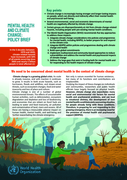
We need to be concerned about mental health in the context of climate change
The threat climate change poses to health, equity, and development has been rigorously documented. However, in an era marked by economic crisis, regional conflicts, natural disasters and growing disparities between rich and poor, the joint global actions required to address climate change have been
...
vigorously debated – and critical decisions postponed.
This document, part of WHO’s Health in the Green Economy series, describes how many climate change measures can be “win-wins” for people and the planet.
These policies yield large, immediate public health benefits while reducing the upward trajectory of greenhouse gas emissions. Many of these policies can improve the health and equity of people in poor countries and assist developing countries in adapting to climate change that is already occurring, as evidenced by more extreme storms, flooding, drought and heatwaves.
WHO’s Department of Public Health and Environment launched the Health in the Green Economy initiative in 2010 to review potential health and equity “co-benefits” of proposed climate change measures – as well as relevant risks.
This review examines mitigation strategies discussed in the Fourth Assessment Report of the Intergovernmental Panel on Climate Change which constitutes the most broad-based global review of mitigation options by scientific experts.
more
Helping Adolescents Thrive (HAT) is a joint WHO-UNICEF initiative to strengthen programming and policy responses for adolescents, to promote positive mental health, prevent mental health conditions,
and prevent self-harm and other risk behaviours. The vision of HAT is a world in which all adolescen
...
ts, their caregivers, civil society and communities unite with governments to protect and promote adolescent mental health. This means taking action routinely to implement and monitor evidence-informed and human rights-based strategies for improving mental health, and to prevent and reduce mental health and substance use conditions in adolescents in order to improve lifelong well-being
more

Human rights-based approaches to the creation of knowledge involve application of human rights principles to both the content and process of knowledge creation. Human rights-based approaches have special significance for the sexual and reproductive health and rights (SRHR) of all people, in particul
...
ar for women and girls, people living with disability, lesbian, gay, bisexual, trans, queer or Intersex (LGBTQI) populations, refugees, migrants and other marginalised populations.
more

Tuberculosis continues to represent a severe public health problem in the Region of the Americas, even more so in the case of indigenous peoples, whose TB incidence is much higher than that of the general population. To achieve tuberculosis control in these communities, it is necessary to respond t
...
o communities’ diverse needs from an intercultural perspective that allows the application of a holistic approach—from a standpoint of equality and mutual respect—and considers the value of their cultural practices. In the Region of the Americas, although there has been progress toward recognizing the need for an intercultural approach to health services, obstacles rooted in discrimination, racism, and the exclusion of indigenous peoples and other ethnic groups persist. To respond to this situation, the Pan American Health Organization (PAHO) prepared this guidance which––based on an intercultural approach in accordance with the priority lines of the current PAHO Policy on Ethnicity and Health and its practical development in the Region’s indigenous populations––represent a support tool for implementing the End TB Strategy. This publication integrates PAHO’s accumulated experience and best practices developed by its Member States in recent years, including discussions and experiences shared in regional meetings on the issue, and emphasizes innovation and social inclusion. This requires an urgent shift away from traditional paradigms, taking specific actions that gradually reduce TB incidence and moving toward effective multisectoral actions that have proven effective in quickly containing the epidemic. This publication integrates PAHO’s accumulated experience and best practices developed by its Member States in recent years, including discussions and experiences shared in regional meetings on the issue, and emphasizes innovation and social inclusion. This requires an urgent shift away from traditional paradigms, taking specific actions that gradually reduce TB incidence and moving toward effective multisectoral actions that have proven effective in quickly containing the epidemic.
more
Consultancy Report May 2022

Despite the continuing war in Ukraine, the Government is preparing for the country’s recovery and reconstruction. Given the magnitude of the attacks on the health infrastructure and consequent disruption to health system functioning, reconstruction of the health system is integral to the countryâ€
...
™s recovery. The immediate priorities are to restore essential services, respond to new physical and mental health needs, protect public health, and provide a secure and attractive environment for the return of both health professionals and the general population. This policy note identifies strategic directions for post-war health system recovery in the short and longer terms, while sustaining essential health services during the ongoing invasion
more

This annual report highlights the work of the WHO from January to June 2021 ( December 2021). The activities featured herein are by no means exhausted but implemented with technical and financial support through WHO in Nigeria; facilitated by its presence at all levels of governance (national, state
...
, local government, and wards).
more

This document is a guide defining requirements for quality and safety for malaria rapid diagnostic testing services to safeguard the quality of the results, the safety of the operators and patients and that of the environment for use by national malaria control programmes, regulators, implementers a
...
nd rapid diagnostic providers.
more
