
Filter
7916
Text search:
WHO
et
al.
Featured
Recommendations
635
New Publications
1528
Language
Document type
No document type
3893
Studies & Reports
1779
Guidelines
1134
Manuals
399
Fact sheets
219
Strategic & Response Plan
213
Training Material
142
Infographics
57
Situation Updates
33
Resource Platforms
25
Brochures
17
Online Courses
3
App
1
Countries / Regions
Global
361
India
205
Latin America and the Carribbean
184
Kenya
174
South Africa
172
Western and Central Europe
161
Africa
134
Ethiopia
131
Russia
122
Sierra Leone
109
Malawi
108
Nigeria
106
Nepal
101
Zambia
100
Uganda
97
Tanzania
91
Syria
90
Liberia
88
Bangladesh
88
Ukraine
87
Germany
82
Brazil
82
Myanmar / Burma
76
Ghana
70
Eastern Europe
69
Rwanda
63
Congo, Democratic Republic of
61
Senegal
55
Mozambique
53
Middle East and North Africa
53
Indonesia
51
Namibia
50
Eastern Europe and Central Asia
47
Colombia
46
South–East Asia Region
46
Asia
46
Philippines
45
West and Central Africa
43
Burkina Faso
42
Zimbabwe
42
Yemen
40
Guinea
39
Haiti
39
East and Southern Africa
37
Venezuela
37
South Sudan
30
Lesotho
29
Cambodia
28
Cameroon
26
Peru
26
Benin
24
Paraguay
24
Argentina
22
Pakistan
21
Angola
21
Botswana
20
Sudan
19
Chile
19
Mali
18
Spain
18
China
17
Lebanon
16
Somalia
15
Jordan
15
Thailand
15
Ecuador
15
Tajikistan
15
USA
14
Afghanistan
14
Western Pacific Region
14
Vietnam
14
Central African Republic
12
Madagascar
12
Guinea-Bissau
11
Eswatini/ Swaziland
11
Bolivia
11
Sri Lanka
11
Niger
10
Iraq
10
Chad
10
El Salvador
10
Albania
10
Côte d’Ivoire / Ivory Coast
9
Egypt
9
Mexico
9
Palestine
9
Honduras
8
Guatemala
8
Southern Africa
8
Saudi Arabia
7
Libya
7
Laos
7
Kyrgyzstan
7
Georgia
7
North America
7
Turkey
6
Iran
6
France
6
United Kingdom
6
Portugal
6
Belarus
6
Nicaragua
5
Italy
5
Moldova
5
Kazakhstan
5
Morocco
4
Papua New Guinea
4
Dominican Republic
4
North Macedonia
4
Burundi
4
Greece
4
Armenia
4
Canada
4
Timor Leste/ East Timor
4
Tunisia
4
Togo
3
Switzerland
3
Congo-Brazzaville
3
Qatar
3
Estonia
3
Uruguay
3
Jamaica
3
Israel
3
Malaysia
2
Singapore
2
Austria
2
Hungary
2
Fiji
2
Djibouti
2
Romania
2
Gabon
2
Turkmenistan
2
Japan
2
Denmark
2
Bosnia and Herzegovina
2
Mauritania
1
Ireland
1
Croatia
1
Cuba
1
Other region
1
Solomon Islands
1
Bhutan
1
Poland
1
North Korea
1
Mongolia
1
Bulgaria
1
Lithuania
1
Slovakia
1
Uzbekistan
1
Belgium
1
Mauritius
1
Morocco
1
French Guyana
1
Latvia
1
Belize
1
Costa Rica
1
Panama
1
Authors & Publishers
Publication Years
Category
Countries
2531
Clinical Guidelines
622
Public Health
421
Women & Child Health
412
Key Resources
395
Capacity Building
152
Pharmacy & Technologies
71
Toolboxes
COVID-19
876
Mental Health
760
HIV
727
TB
498
Planetary Health
376
NTDs
301
Disability
274
Caregiver
239
AMR
212
NCDs
197
Ebola & Marburg
171
Conflict
156
Refugee
146
Global Health Education
142
Health Financing Toolbox
123
Rapid Response
108
Pharmacy
100
Malaria
91
Zika
67
Natural Hazards
63
2.0 Rapid Response
54
Cholera
42
Specific Hazards
39
Social Ethics
38
Polio
32
South Sudan
1
Typhoon
1
The ninth WHO report on the global tobacco epidemic tracks the progress made by countries in tobacco control since 2008 and, marks 15 years since the introduction of the MPOWER technical package which is designed to help countries implement the dema
...
This module is part of the WHO series The Immunological Basis for Immunization, which was initially developed in 1993 as a set of eight modules, comprising one module on general immunology and seven modules each devoted to one of the vaccines recomm
...
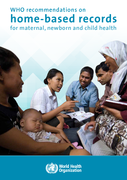
The primary audience for the guideline is policy makers and health programme managers of MNCH and immunization programmes in ministries of health where decisions are made and policies created on the use and implementation of homebased records.
The guideline is also aimed at health providers
...
WHO would like to express its gratitude and appreciation to all Member States that provided information to the WHO survey on policies and activities at the national level in the area of antimicrobia
...

Data on the essential building blocks of mental health systems, including mental health
governance, financing, service delivery, human resources and information, are reported. For
mental health planning, it is important to know not only the level of resources in these six areas,
but also how thos
...
(Mise à jour décembre 2014)
A global Review of evidence and practice

Self-care interventions are among the most promising and exciting new approaches to improve health and well-being, both from a health systems perspective and for people who use these interventions.
The World Health Organization (
...
Three classess of tests are now recommended in the latest consolidated guideles on tests for tuberculosis infection. It includes for the first-time a new class of Mycobacterium tuberculosis antigen-based skin tests (TBSTs), and the two existing classes of tests: the tuberculin skin test (TST) and t
...

The World Health Organization (WHO) convened a meeting of the Technical Advisory Group on Buruli ulcer at its headquarters in Geneva, Switzerland on 25 to 27 March 2019
WHO Guideline on self-care interventions for health and well-being, 2022 revision: executive summary
recommended
A global shortage of an estimated 18 million health workers is anticipated by 2030, a record 130 million people are in need of humanitarian assistance, and there is the global threat of pandemics such as COVID-19. At least 400 million people worldwide lack access to the most essential health service
...
The internationally recognized criteria for diagnosis of neurocysticercosis include a requirement for neuroimaging techniques, such as computerized tomography (CT) and/or magnetic resonance imaging (MRI), ideally supported by serology. These facilities are not available in all settings, especially i
...

This purpose of this guide is to inform robust evaluations of the WHO training package – a package aimed at personnel whose primary role in health-care facilities is environmental cleaning, hereafter referred to as cleaners.
The
...
Guidelines for national programmes and other stakeholders
Annexes for webposting and CD-Rom distribution with the policy guidelines
This document has been developed to support countries to develop and strengthen peer support groups in mental health and related areas. It addresses the provision of peer support groups in the context of health services and the wider community.

Disability inclusive shelter programming enables persons with disabilities to contribute more to their communities, participate more in consultations and decision-making, and facilitate their own protection. The key concepts include: Disability inclusive shelter programming is both a process and an
...
