
Filter
5642
Text search:
priority
areas
Featured
549
1622
Language
5562
115
84
57
53
32
27
14
9
5
5
5
4
4
4
4
4
4
4
4
3
3
3
3
3
3
3
3
3
2
2
2
2
2
2
2
2
2
2
2
2
2
2
1
1
1
1
1
1
1
1
1
1
1
1
1
1
1
1
1
Document type
2930
1014
742
363
338
93
73
65
11
6
3
1
1
Countries
289
213
180
146
132
132
124
124
118
113
108
102
101
91
89
87
82
77
77
73
71
60
54
51
46
41
40
40
39
38
38
36
35
35
33
31
30
28
28
26
25
24
24
23
23
21
19
16
16
15
14
14
13
13
13
12
12
12
12
12
11
11
11
10
10
10
10
9
8
8
7
6
6
6
5
5
5
5
5
5
4
4
4
4
4
4
4
4
3
3
3
3
3
3
3
3
3
3
2
2
2
2
2
2
2
2
2
2
2
2
2
2
2
2
2
2
2
2
2
2
2
1
1
1
1
1
1
1
1
1
1
1
1
1
1
1
1
1
1
1
1
1
1
1
1
1
1
1
1
1
1
1
Authors & Publishers
823
235
169
160
153
112
85
83
62
53
43
32
31
28
28
26
25
25
23
23
22
22
21
21
20
19
19
19
19
19
19
18
18
17
17
16
16
16
15
15
15
15
15
15
15
14
14
14
14
14
14
13
13
13
12
12
12
12
12
12
12
12
12
12
12
12
11
11
11
11
11
10
10
10
10
10
10
10
10
10
9
9
9
9
9
9
9
9
9
9
8
8
8
8
8
8
8
8
8
8
8
8
8
8
8
8
7
7
7
7
7
7
7
7
7
7
7
7
7
7
6
6
6
6
6
6
6
6
6
6
6
6
6
6
6
6
6
6
6
6
5
5
5
5
5
5
5
5
5
5
5
5
5
5
5
5
5
5
5
5
5
5
5
5
5
5
5
5
5
5
5
5
5
5
5
5
5
5
5
5
5
5
5
5
5
5
5
4
4
4
4
4
4
4
4
4
4
4
4
4
4
4
4
4
4
4
4
4
4
4
4
4
4
4
4
4
4
4
4
4
4
4
4
4
4
4
4
4
4
4
4
4
4
4
4
4
4
4
4
4
3
3
3
3
3
3
3
3
3
3
3
3
3
3
3
3
3
3
3
3
3
3
3
3
3
3
3
3
3
3
3
3
3
3
3
3
3
3
3
3
3
3
3
3
3
3
3
3
3
3
3
3
3
3
3
3
3
3
3
3
3
3
3
3
3
3
3
3
3
3
3
3
3
3
3
3
3
3
3
3
3
3
3
3
3
3
3
3
3
3
3
3
3
3
3
3
3
3
3
3
3
3
2
2
2
2
2
2
2
2
2
2
2
2
2
2
2
2
2
2
2
2
2
2
2
2
2
2
2
2
2
2
2
2
2
2
2
2
2
2
2
2
2
2
2
2
2
2
2
2
2
2
2
2
2
2
2
2
2
2
2
2
2
2
2
2
2
2
2
2
2
2
2
2
2
2
2
2
2
2
2
2
2
2
2
2
2
2
2
2
2
2
2
2
2
2
2
2
2
2
2
2
2
2
2
2
2
2
2
2
2
2
2
2
2
2
2
2
2
2
2
2
2
2
2
2
2
2
2
2
2
2
2
2
2
2
2
2
2
2
2
2
2
2
2
2
2
2
2
2
2
2
2
2
2
2
2
2
2
2
2
2
2
2
2
2
2
2
2
2
2
2
2
2
2
2
2
2
2
2
2
2
2
2
2
2
2
2
2
2
2
2
2
2
2
2
2
2
2
2
2
2
2
2
2
2
2
2
2
2
2
2
2
2
2
2
2
2
2
2
2
2
2
2
2
2
2
2
2
2
2
2
2
2
2
2
2
2
2
2
2
2
2
2
2
2
2
2
2
2
2
2
2
2
2
2
2
2
2
2
2
2
2
2
2
2
2
2
2
2
2
2
2
2
2
2
2
1
1
1
1
1
1
1
1
1
1
1
1
1
1
1
1
1
1
1
1
1
1
1
1
1
1
1
1
1
1
1
1
1
1
1
1
1
1
1
1
1
1
1
1
1
1
1
1
1
1
1
1
1
1
1
1
1
1
1
1
1
1
1
1
1
1
1
1
1
1
1
1
1
1
1
1
1
1
1
1
1
1
1
1
1
1
1
1
1
1
1
1
1
1
1
1
1
1
1
1
1
1
1
1
1
1
1
1
1
1
1
1
1
1
1
1
1
1
1
1
1
1
1
1
1
1
1
1
1
1
1
1
1
1
1
1
1
1
1
1
1
1
1
1
1
1
1
1
1
1
1
1
1
1
1
1
1
1
1
1
1
1
1
1
1
1
1
1
1
1
1
1
1
1
1
1
1
1
1
1
1
1
1
1
1
1
1
1
1
1
1
1
1
1
1
1
1
1
1
1
1
1
1
1
1
1
1
1
1
1
1
1
1
1
1
1
1
1
1
1
1
1
1
1
1
1
1
1
1
1
1
1
1
1
1
1
1
1
1
1
1
1
1
1
1
1
1
1
1
1
1
1
1
1
1
1
1
1
1
1
1
1
1
1
1
1
1
1
1
1
1
1
1
1
1
1
1
1
1
1
1
1
1
1
1
1
1
1
1
1
1
1
1
1
1
1
1
1
1
1
1
1
1
1
1
1
1
1
1
1
1
1
1
1
1
1
1
1
1
1
1
1
1
1
1
1
1
1
1
1
1
1
1
1
1
1
1
1
1
1
1
1
1
1
1
1
1
1
1
1
1
1
1
1
1
1
1
1
1
1
1
1
1
1
1
1
1
1
1
1
1
1
1
1
1
1
1
1
1
1
1
1
1
1
1
1
1
1
1
1
1
1
1
1
1
1
1
1
1
1
1
1
1
1
1
1
1
1
1
1
1
1
1
1
1
1
1
1
1
1
1
1
1
1
1
1
1
1
1
1
1
1
1
1
1
1
1
1
1
1
1
1
1
1
1
1
1
1
1
1
1
1
1
1
1
1
1
1
1
1
1
1
1
1
1
1
1
1
1
1
1
1
1
1
1
1
1
1
1
1
1
1
1
1
1
1
1
1
1
1
1
1
1
1
1
1
1
1
1
1
1
1
1
1
1
1
1
1
1
1
1
1
1
1
1
1
1
1
1
1
1
1
1
1
1
1
1
1
1
1
1
1
1
1
1
1
1
1
1
1
1
1
1
1
1
1
1
1
1
1
1
1
1
1
1
1
1
1
1
1
1
1
1
1
1
1
1
1
1
1
1
1
1
1
1
1
1
1
1
1
1
1
1
1
1
1
1
1
1
1
1
1
1
1
1
1
1
1
1
1
1
1
1
1
1
1
1
1
1
1
1
1
1
1
1
1
1
1
1
1
1
1
1
1
1
1
1
1
1
1
1
1
1
1
1
1
1
1
1
1
1
1
1
1
1
1
1
1
1
1
1
1
1
1
1
1
1
1
1
1
1
1
1
1
1
1
1
1
1
1
1
1
1
1
1
1
1
1
1
1
1
1
1
1
1
1
1
1
1
1
1
1
1
1
1
1
1
1
1
1
1
1
1
1
1
1
1
1
1
1
1
1
1
1
1
1
1
1
1
1
1
1
1
1
1
1
1
1
1
1
1
1
1
1
1
1
1
1
1
1
1
1
1
1
1
1
1
1
1
1
1
1
1
1
1
1
1
1
1
1
1
1
1
1
1
1
1
1
1
1
1
1
1
1
1
1
1
1
1
1
1
1
1
1
1
1
1
1
1
1
1
1
1
1
1
1
1
1
1
1
1
1
1
1
1
1
1
1
1
1
1
1
1
1
1
1
1
1
1
1
1
1
1
1
1
1
1
1
1
1
1
1
1
1
1
1
1
1
1
1
1
1
1
1
1
1
1
1
1
1
1
1
1
1
1
1
1
1
1
1
1
1
1
1
1
1
1
1
1
1
1
1
1
1
1
1
1
1
1
1
1
1
1
1
1
1
1
1
1
1
1
1
1
1
1
1
1
1
1
1
1
1
1
1
1
1
1
1
1
1
1
1
1
1
1
1
1
1
1
1
1
1
1
1
1
1
1
1
1
1
1
1
1
1
1
1
1
1
1
1
1
1
1
1
1
1
1
1
1
1
1
1
1
1
1
1
1
1
1
1
1
1
1
1
1
1
1
1
1
1
1
1
1
1
1
1
1
1
1
1
1
1
1
1
1
1
1
1
1
1
1
1
1
1
1
1
1
1
1
1
1
1
1
1
1
1
1
1
1
1
1
1
1
1
1
1
1
1
1
1
1
1
1
1
1
1
1
1
1
1
1
1
1
1
1
1
1
1
1
1
1
1
1
1
1
1
1
1
1
1
1
1
1
1
1
1
1
1
1
1
1
1
1
1
1
1
1
1
1
1
1
1
1
1
1
1
1
1
1
1
1
1
1
1
1
1
1
1
1
1
1
1
1
1
1
1
1
1
1
1
1
1
1
1
1
1
1
1
1
1
1
1
1
1
1
1
1
1
1
1
1
1
1
1
1
1
1
1
1
1
1
1
1
1
1
1
1
1
1
1
1
1
1
1
1
1
1
1
1
1
1
1
1
1
1
1
1
1
1
1
1
1
1
1
1
1
1
1
1
1
1
1
1
1
1
1
1
1
1
1
1
1
1
1
1
1
1
1
1
1
1
1
1
1
1
1
1
1
1
1
1
1
1
1
1
1
1
1
1
1
1
1
1
1
1
1
1
1
1
1
1
1
1
1
1
1
1
1
1
1
1
1
1
1
1
1
1
1
1
1
1
1
1
1
1
1
1
1
1
1
1
1
1
1
1
1
1
1
1
1
1
1
1
1
1
1
1
1
1
1
1
1
1
1
1
1
1
1
1
1
1
1
1
1
1
1
1
1
1
1
1
1
1
1
1
1
1
1
1
1
1
1
1
1
1
1
1
1
1
1
1
1
1
1
1
1
1
1
1
1
1
1
1
1
1
1
1
1
1
1
1
1
1
1
1
1
1
1
1
1
1
1
1
1
1
1
1
1
1
1
1
1
1
1
1
1
1
1
1
1
1
1
1
1
1
1
1
1
1
1
1
1
1
1
1
1
1
1
1
1
1
1
1
1
1
1
1
1
1
1
1
1
1
1
1
1
1
1
1
1
1
1
1
1
1
1
1
1
1
1
1
1
1
1
1
1
1
1
1
1
1
1
1
1
1
1
1
1
1
1
1
1
1
1
1
1
1
1
1
1
1
1
1
1
1
1
1
1
1
1
1
1
1
1
1
1
1
1
1
1
1
1
1
1
1
1
1
1
1
1
1
1
1
1
1
1
1
1
1
1
1
1
1
1
1
1
1
1
1
1
1
1
1
1
1
1
1
1
1
1
1
1
1
1
1
1
1
1
1
1
1
1
1
1
1
1
1
1
1
1
1
1
1
1
1
1
1
1
1
1
1
1
1
1
1
1
1
1
1
1
1
1
1
1
1
1
1
1
1
1
1
1
1
1
1
1
1
1
1
1
1
1
1
1
1
1
1
1
1
1
1
1
1
1
1
1
1
1
1
1
1
1
1
1
1
1
1
1
1
1
1
1
1
1
1
1
1
1
1
1
1
1
1
1
1
1
1
1
1
1
1
1
1
1
1
1
1
1
1
1
1
1
1
1
1
1
1
1
1
1
1
1
1
1
1
1
1
1
1
1
1
1
1
1
1
1
1
1
1
1
1
1
1
1
1
1
1
1
1
1
1
1
1
1
1
1
1
1
1
1
1
1
1
1
1
1
1
1
1
1
1
1
1
1
1
1
1
1
1
1
1
1
1
1
1
1
1
1
1
1
1
1
1
1
1
1
1
1
1
1
1
1
1
1
1
1
1
1
1
1
1
1
1
1
1
1
1
1
1
1
1
1
1
1
1
1
1
1
1
1
1
1
1
1
1
1
1
1
1
1
1
1
1
1
1
1
1
1
1
1
1
1
1
1
1
1
1
1
1
1
1
1
1
1
1
1
1
1
1
1
1
1
1
1
1
1
1
1
1
1
1
1
1
1
1
1
1
1
1
1
1
1
1
1
1
1
1
1
1
1
1
1
1
1
1
1
1
1
1
1
1
1
1
1
1
1
1
1
1
1
1
1
1
1
1
1
1
1
1
1
1
1
1
1
1
1
1
1
1
1
1
1
1
1
1
1
1
1
1
1
1
1
1
1
1
1
1
1
1
1
1
1
1
1
1
1
1
1
1
1
1
1
1
1
1
1
1
1
1
1
1
1
1
1
1
1
1
1
1
1
1
1
1
1
1
1
1
1
1
1
1
1
1
1
1
1
1
1
1
1
1
1
1
1
1
1
1
1
1
1
1
1
1
1
1
1
1
1
1
1
1
1
1
1
1
1
1
1
1
1
1
1
1
1
1
1
1
1
1
1
1
1
1
1
1
1
1
1
1
1
1
1
1
1
1
1
1
1
1
1
1
1
1
1
1
1
1
1
1
1
1
1
1
1
1
1
1
1
1
1
1
1
1
1
1
1
1
1
1
1
1
1
1
1
1
1
1
1
1
1
1
1
1
1
1
1
1
1
1
1
1
1
1
1
1
1
1
1
1
1
1
1
1
1
1
1
1
1
1
1
1
1
1
1
1
1
1
1
1
1
1
1
1
1
1
1
1
1
1
1
1
1
1
1
1
1
1
1
1
1
1
1
1
1
1
1
1
1
1
1
1
1
1
1
1
1
1
1
1
1
1
1
1
1
1
1
1
1
1
1
1
1
1
1
1
1
1
1
1
1
1
1
1
1
1
1
1
1
1
1
1
1
1
1
1
1
1
1
1
1
1
1
1
1
1
1
1
1
1
1
1
1
1
1
1
1
1
1
1
1
1
1
1
1
1
1
1
1
1
1
1
1
1
1
1
1
1
1
1
1
1
1
1
1
1
1
1
1
1
1
1
1
1
1
1
1
1
1
1
1
1
1
1
1
1
1
1
1
1
1
1
1
1
1
1
1
1
1
1
1
1
1
1
1
1
1
1
1
1
1
1
1
1
1
1
1
1
1
1
1
1
1
1
1
1
1
1
1
1
1
1
1
1
1
1
1
1
1
1
1
1
1
1
1
1
1
1
1
1
1
1
1
1
1
1
1
1
1
1
1
1
1
1
1
1
1
1
1
1
1
1
1
1
1
1
1
1
1
1
1
1
1
1
1
1
1
1
1
1
1
1
1
1
1
1
1
1
1
1
1
1
1
1
1
1
1
1
1
1
1
1
1
1
1
1
1
1
1
1
1
1
1
1
1
1
1
1
1
1
1
1
1
1
1
1
1
1
1
1
1
1
1
1
1
1
1
1
1
1
1
1
1
1
1
1
1
1
1
1
1
1
1
1
1
1
1
1
1
1
1
1
1
1
1
1
1
1
1
1
1
1
1
1
1
1
1
1
1
1
1
1
1
1
1
1
1
1
1
1
1
1
1
1
1
1
1
1
1
1
1
1
1
1
1
1
1
1
1
1
1
1
1
1
1
1
1
1
1
1
1
1
1
1
1
1
1
1
1
1
1
1
1
1
1
1
1
1
1
1
1
1
1
1
1
1
1
1
1
1
1
1
1
1
1
1
1
1
1
1
1
1
1
1
1
1
1
1
1
1
1
1
1
1
1
1
1
1
1
1
1
1
1
1
1
1
1
1
1
1
1
1
1
1
1
1
1
1
1
1
1
1
1
1
1
1
1
1
1
1
1
1
1
1
1
1
1
1
1
1
1
1
1
1
1
1
1
1
1
1
1
1
1
1
1
1
1
1
1
1
1
1
1
1
1
1
1
1
1
1
1
1
1
1
1
1
1
1
1
1
1
1
1
1
1
1
1
1
1
1
1
1
1
1
1
1
1
1
1
1
1
1
1
1
1
1
1
1
1
1
1
1
1
1
1
1
1
1
1
1
1
1
1
1
1
1
1
1
1
1
1
1
1
1
1
1
1
1
1
1
1
1
1
1
1
1
1
1
1
1
1
1
1
1
1
1
1
1
1
1
1
1
1
1
1
1
1
1
1
1
1
1
1
1
1
1
1
1
1
1
1
1
1
1
1
1
1
1
1
1
1
1
1
1
1
1
1
1
1
1
1
1
1
1
1
1
1
1
1
1
1
1
1
1
1
1
1
1
1
1
1
1
1
1
1
1
1
1
1
1
1
1
1
1
1
1
1
1
1
1
1
1
1
1
1
1
1
1
1
1
1
1
1
1
1
1
1
1
1
1
1
1
1
1
1
1
1
1
1
1
1
1
1
1
1
1
1
1
1
1
1
1
1
1
1
1
1
1
1
1
1
1
1
1
1
1
1
1
1
1
1
1
1
1
1
1
1
1
1
1
1
1
1
1
1
1
1
1
1
1
1
1
1
1
1
1
1
1
1
1
1
1
1
1
1
1
1
1
1
1
1
1
1
1
1
1
1
1
1
1
1
1
1
1
1
1
1
1
1
1
1
1
1
1
1
1
1
1
1
1
1
1
1
1
1
1
1
1
1
1
1
1
1
1
1
1
1
1
1
1
1
1
1
1
1
1
1
1
1
1
1
1
1
1
1
1
1
1
1
1
1
1
1
1
1
1
1
1
1
1
1
1
1
1
1
1
1
1
1
1
1
1
1
1
1
1
1
1
1
1
1
1
1
1
1
1
1
1
1
1
1
1
1
1
1
1
1
1
1
1
1
1
1
1
1
1
1
1
1
1
1
1
1
1
1
1
1
1
1
1
1
1
1
1
1
1
1
1
1
1
1
1
1
1
1
1
1
1
1
1
1
1
1
1
1
1
1
1
1
1
1
1
1
1
1
1
1
1
1
1
1
1
1
1
1
1
1
1
1
1
1
1
1
1
1
1
1
1
1
1
1
1
1
1
1
1
1
1
1
1
1
1
1
1
1
1
1
1
1
1
1
1
1
1
1
1
1
1
1
1
1
1
1
1
1
1
1
1
1
1
1
1
1
1
1
1
1
1
1
1
1
1
1
1
1
1
1
1
1
1
1
1
1
1
1
1
1
1
1
1
1
1
1
1
1
1
1
1
1
1
1
1
1
1
1
1
1
1
1
1
1
1
1
1
1
1
1
1
1
1
1
1
1
1
1
1
1
1
1
1
1
1
1
1
1
1
1
1
1
1
1
1
1
1
1
1
1
1
1
1
1
1
1
1
1
1
1
1
1
1
1
1
1
1
1
1
1
1
1
1
1
1
1
1
1
1
1
1
1
1
1
1
1
1
1
1
1
1
1
1
1
1
1
1
1
1
1
1
1
1
1
1
1
1
1
1
1
1
1
1
1
1
1
1
1
1
1
1
1
1
1
1
1
1
1
1
1
1
1
1
1
1
1
1
1
1
1
1
1
1
1
1
1
1
1
1
1
1
1
1
1
1
1
1
1
1
1
1
1
1
1
1
1
1
1
1
1
1
1
1
1
1
1
1
1
1
1
1
1
1
1
1
1
1
1
1
1
1
1
1
1
1
1
1
1
1
1
1
1
1
1
1
1
1
1
1
1
1
1
1
1
1
1
1
1
1
1
1
1
1
1
1
1
1
1
1
1
1
1
1
1
1
1
1
1
1
1
1
1
1
1
1
1
1
1
1
1
1
1
1
1
1
1
1
1
1
1
1
1
1
1
1
1
1
1
1
1
1
1
Publication Years
1764
3346
498
31
3
Category
2232
495
347
344
308
120
48
2
Toolboxes
423
367
230
230
227
220
184
157
156
148
139
135
123
120
110
95
92
89
88
82
47
38
38
28
27
10
1
Zika virus is primarily transmitted by the Aedes species of mosquito which is also responsible for the spread of dengue, Chikungunya and yellow fever viruses. In most areas, the primary vector of these viruses is Aedes aegypti, with Aedes albopictus
...
a proven or potential vector in some settings. Well-implemented vector control against Aedes using existing tools effectively reduces the transmission of viruses spread by these vectors. Pilot studies are being undertaken on new tools which have potential for future reductions in Aedes populations
more
Integrated Response Plan: Yemen Cholera Outbreak
recommended
The plan outlines emergency health, WASH and communications interventions to contain and prevent further spread of the outbreak in the 227 high risk districts, where suspected cholera cases were reported during the period October 2016 to May 2017. Health and WASH clusters will continually identify
...
priority districts from at
high risk districts, by considering the number of caseload and attack rate. As of 15 May, 30 priority high risk districts (10 Governorates) that report over 100 or more suspected cholera cases have been identified.
more

A case study of the role of an Essential Health Benefit in the delivery of integrated health services in Zambia
Luwabelwa, M.; Banda, P; Palale M.; Chama-Chiliba, C.
Regional Network for Equity in Health in east and southern Africa (EQUINET)
(2017)
C1
Regional Network for Equity in Health in east and southern Africa (EQUINET): Disussion Paper 111
The health services delivery system in Zambia is pyramid in structure, with primary healthcare (PHC) services at community level, at the base, followed by first and second level hospitals at distric ... t and provincial levels, respectively, and third level (tertiary) services at national level. Notably, primary health services are free in Zambia and health service providers are either governmentowned or not-for-profit facilities.
Over the years, resource constraints have affected the quality and extent of healthcare services at all levels, requiring the mobilisation of additional resources for the sector. In doing so, prioritisation was high on the agenda of health sector reform. The EHB, therefore, prioritises interventions with the highest impact on the population, enabling policy makers to revisit priority diseases and conditions and to cost the services provided at each level of facility. Other key issues in developing the EHB in Zambia have included the need to have cost-effective services and cost per capita of services for more systematic budgeting, to rank interventions and to validate and cost the health benefit package as a whole. more
The health services delivery system in Zambia is pyramid in structure, with primary healthcare (PHC) services at community level, at the base, followed by first and second level hospitals at distric ... t and provincial levels, respectively, and third level (tertiary) services at national level. Notably, primary health services are free in Zambia and health service providers are either governmentowned or not-for-profit facilities.
Over the years, resource constraints have affected the quality and extent of healthcare services at all levels, requiring the mobilisation of additional resources for the sector. In doing so, prioritisation was high on the agenda of health sector reform. The EHB, therefore, prioritises interventions with the highest impact on the population, enabling policy makers to revisit priority diseases and conditions and to cost the services provided at each level of facility. Other key issues in developing the EHB in Zambia have included the need to have cost-effective services and cost per capita of services for more systematic budgeting, to rank interventions and to validate and cost the health benefit package as a whole. more

Myanmar is one of the world’s 22 high tuberculosis (TB) burden countries, and supporting TB control in Myanmar is a global priority. This report reflects the findings, discussions, conclusions and recommendations of the fourth international review
...
mission of the Myanmar National TB Programme (NTP), which brought together international and national partners to review progress in TB control and to offer guidance on future TB control directions and efforts.
A high-quality national disease prevalence survey completed in 2010 demonstrated a TB disease burden two to three times higher than anticipated on the basis of previous surveys. In 2011 about 200 000 adults and children will have developed TB, including 20 000 HIV infected and 9000 suffering from MDR-TB, both of which will require additional care and costly treatment. TB remains among the top killers of adults, and more women die of TB than from maternal causes. more
A high-quality national disease prevalence survey completed in 2010 demonstrated a TB disease burden two to three times higher than anticipated on the basis of previous surveys. In 2011 about 200 000 adults and children will have developed TB, including 20 000 HIV infected and 9000 suffering from MDR-TB, both of which will require additional care and costly treatment. TB remains among the top killers of adults, and more women die of TB than from maternal causes. more
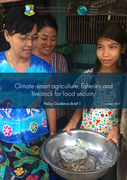
Policy Guidance Brief 1
• Climate change has already challenged the agriculture sector in Myanmar by afecting rice yields and livestock production, while disasters such as foods and cyclones have caused massive destruction in rural areas.
... • Without adaptation, the long-term consequences of climate change will likely include reduced productivity and huge economic losses, food insecurity, poverty and migration.
• According to the Climate Change Action Plan for the Agriculture, Fisheries and Livestock sector, by 2030 Myanmar should achieve climate-resilient productivity and promote climate-smart responses to support food security and livelihood strategies while also introducing resource-efficient and lowcarbon practices. more
• Climate change has already challenged the agriculture sector in Myanmar by afecting rice yields and livestock production, while disasters such as foods and cyclones have caused massive destruction in rural areas.
... • Without adaptation, the long-term consequences of climate change will likely include reduced productivity and huge economic losses, food insecurity, poverty and migration.
• According to the Climate Change Action Plan for the Agriculture, Fisheries and Livestock sector, by 2030 Myanmar should achieve climate-resilient productivity and promote climate-smart responses to support food security and livelihood strategies while also introducing resource-efficient and lowcarbon practices. more
mhGAP is based on evidence-based technical guidelines (4) and provides a set of tools and
training packages to extend service provision. The mhGAP Intervention Guide (mhGAP-IG)
for MNS disorders in non-specialized health settings (8) is a clinical decision-making tool
for assessing and managing
...
priority MNS conditions (depression, psychoses, epilepsy, child
and adolescent mental and behavioural disorders, dementia, disorders due to substance
use, self-harm and suicide).
more
The threat posed by antimicrobial resistance (AMR) to public health as well as global health security has been reiterated in umerous World Health Assembly (WHA) resolutions. AMR is also prioritized under the Global Health Security Agenda (GHSA), and India is one of the contributing countries. The Mi
...
nistry of Health & Family Welfare (MoHFW) identified AMR as one of the top 10 priorities for the ministry’s collaborative work with WHO. The National Health Policy 2017 identifies antimicrobial resistance as a problem and calls for effective action to address it. An international conference on AMR – “Combating Antimicrobial Resistance: A
Public Health Challenge and Priority”, was jointly organized by the Government of India and World Health Organization (WHO) in February 2016, which was attended by more than 350 participants. The Hon’ble Prime Minister, Shri Narendra Modi, and the Hon’ble Union Minister for Health, Shri J.P. Nadda have reiterated government’s commitment to tackle AMR.
more

31 Janaury 2021
SCORE for health data technical package. The first global assessment on the status and capacity of health information systems in 133 countries, covering 87% of the global population.
It identifies gaps and provides guidance for investment in
...
areas that can have the greatest impact on the quality, availability, analysis, accessibility and use of health data.
more
This global guidance provided the framework for over 100 countries to develop their NDVPs. This updated (second) version supersedes the previous version published in 16 November 2020. New information has been added on the following areas:
th
...
e COVID-19 Partners Platform;
the use of COVID-19 simulation exercises to test deployment strategies;
the indemnity agreement and no-fault compensation programme for vaccines secured through the COVAX Facility in the Advance Market Commitment (AMC) eligible economies;
the availability and use of the WHO-UNICEF COVID-19 Vaccine Introduction and deployment Costing (CVIC) tool;
the COVAX Facility’s humanitarian buffer that enables allocation of vaccine to cover high-risk populations in humanitarian settings;
recommendations for vaccination of pregnant and lactating women;
supplementary information on infection prevention and control (IPC) measures to be used to deliver COVID-19 vaccines safely;
the WHO licensed COVID-19 vaccines product-specific information;
use of geospatial data and digital micro plans for equitable access and delivery of COVID-19 vaccines;
lessons learned from the development of NDVPs and early experiences in COVID-19 vaccine deployment in countries; and
updated additional resources at the end of each chapter.
more
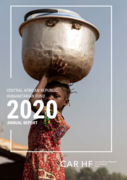
Almost two years after the signing of the Political Accord for Peace and Reconciliation (APPR), the Central African population is still hostage to an unstable and unpredictable security environment. Continuing conflicts in several areas of the count
...
ry, structural weaknesses combined with the socio-economic effects of the COVID-19 pandemic, and the devastating effects of natural disasters have plunged 2.6 million people into dire needs. Of this total, 1.6 million have severe humanitarian needs, a figure unmatched for five years, reflecting a deterioration in the physical and mental well-being and living conditions of populations across the country.
more
The Assessment package has been developed for countries to evaluate the implementation of the WHO Standards for prosthetics and orthotics. It enables identification of areas in need of strengthening and facilitates relevant planning. The complete As
...
sessment package consists of four components: Assessment guide: gives directions on how to organize and implement the assessment. Assessment tool: Excel instrument used to carry out assessments and record results.
User manual: explains how the Assessment tool should be used.
Planning document: Excel file into which the recommendations that are generated by the Assessment tool can be pasted for easy use in subsequent planning.
more
COVID-19 has altered health sector capacity in low-income and middle-income countries (LMICs). Cost data to inform evidence-based priority setting are urgently needed. Consequently, in this paper, we calculate the full economic health sector costs o
...
f COVID-19 clinical management in 79 LMICs under different epidemiological scenarios.
more

Hepatitis B (HBV) infection is a major public health problem and cause of chronic liver disease.
The 2024 HBV guidelines provide updated evidence-informed recommendations on key priority topics. These include expanded and simplified treatment cri
...
teria for adults but now also for adolescents; expanded eligibility for antiviral prophylaxis for pregnant women to prevent mother-to-child transmission of HBV; improving HBV diagnostics through use of point-of-care HBV DNA viral load and reflex approaches to HBV DNA testing; who to test and how to test for HDV infection; and approaches to promote delivery of high-quality HBV services, including strategies to promote adherence to long-term antiviral therapy and retention in care.
The 2024 guidelines include 11 updated chapters with new recommendations and also update existing chapters without new recommendations, such as those on treatment monitoring and surveillance for liver cancer.
more

Diabetes in pregnancy
National Institute for Health and Care Excellence (NICE)
National Institute for Health and Care Excellence (NICE)
(2016)
CC2
The document "Diabetes in Pregnancy" by NICE (National Institute for Health and Care Excellence) outlines quality standards for managing diabetes in women during pregnancy, with a focus on five key areas. First, it emphasizes the importance of preco
...
nception planning for women of childbearing age with diabetes. These women should receive guidance on optimizing their health before pregnancy, including achieving target HbA1c levels and taking high-dose folic acid to minimize risks. Second, joint diabetes and antenatal care is recommended for pregnant women with pre-existing diabetes, who should be seen early in pregnancy (ideally by 10 weeks gestation) by a combined diabetes and antenatal team to ensure optimal care throughout their pregnancy.
The third focus area is continuous glucose monitoring (CGM), which should be offered to pregnant women with type 1 diabetes. This includes either real-time CGM or flash monitoring to help improve blood glucose control and reduce complications during pregnancy. Fourth, postnatal testing and referral are essential for women diagnosed with gestational diabetes, who should receive glucose testing after birth to detect any persistent diabetes. Those eligible are referred to the National Diabetes Prevention Programme to lower their risk of developing type 2 diabetes. Lastly, the document recommends annual HbA1c testing for women with a history of gestational diabetes to monitor for type 2 diabetes development.
These standards aim to improve pregnancy outcomes for women with diabetes by providing individualized, accessible, and culturally appropriate care.
more

This global status report on prevention and control of NCDs (2014), is framed around the nine voluntary global targets. The report provides data on the current situation, identifying bottlenecks as well as opportunities and priority actions for atta
...
ining the targets. The 2010 baseline estimates on NCD mortality and risk factors are provided so that countries can report on progress, starting in 2015. In addition, the report also provides the latest available estimates on NCD mortality (2012) and risk factors, 2010-2012.All ministries of health need to set national NCD targets and lead the development and implementation of policies and interventions to attain them. There is no single pathway to attain NCD targets that fits all countries, as they are at different points in their progress in the prevention and control of NCDs and at different levels of socioeconomic development. However all countries can benefit from the comprehensive response to attaining the voluntary global targets presented in this report.
more
The technical note from the Global Task Force on Cholera Control (GTFCC) examines the risks and benefits of vaccinating pregnant women with WHO-prequalified oral cholera vaccines (OCVs) during mass vaccination campaigns. It highlights that three WHO-approved vaccines (Dukoral®, Shanchol™, and Euv
...
ichol®) offer sustained protection and a strong safety profile.
While these vaccines are not explicitly contraindicated for pregnant women, there is limited clinical data on their use during pregnancy. However, studies indicate that pregnant women with cholera face higher risks of fetal loss, stillbirth, and complications, especially if they experience severe dehydration. Some evidence suggests that vaccination can reduce cholera incidence in pregnant women and indirectly protect infants.
Although no controlled trials have focused on pregnant women, retrospective studies in Guinea and Zanzibar showed no significant increase in adverse pregnancy outcomes after OCV administration. The GTFCC concludes that the benefits of vaccination outweigh the risks, particularly in high-risk areas, and recommends including pregnant women in cholera vaccination campaigns while continuing to monitor safety data.
more

The Demographic Dividend study on Rwanda assessed the socio-economic and human development potential of our country in the short, medium and long-term period using a comprehensive approach. It generated relevant policy and programme information to guide a well-informed polciy required to propel Rwan
...
da towards achieving its aspirations of being high middle income country by 2035 and high income country by 2050.
The primary objectives of this study were to assess Rwanda’s prospects for harnessing the demographic dividend and demonstrate priority policy and programme options that the country should adopt in order to optimise its chances of earning a maximum demographic dividend in the context of its youthful population and medium, long-term socio-economic development aspirations.
more
Responding to a polio outbreak. Guidelines
recommended
The occurrence of a case of wild polio in a previously polio free area as presently in Syria, whether through importation, laboratory accident, or mutation of vaccine virus (VDPV), should be considered a public health emergency, that requires a rapid and high quality response as utmost
...
priority
more
This Technical Brief focuses on current principles and approaches to Moderate Acute Malnutrition (MAM) management, highlighting key constraints, gaps in knowledge and areas still lacking consensus. It is intended to inform ongoing debates among prac
...
titioners, national partners, donors and analysts on what information and evidence on best practices are currently available, where the gaps are, and priorities for going forward.
more
An all-hazards tool for hospital administrators and emergency managers.
The World Health Organization Regional Office for Europe has developed the Hospital emergency response checklist to assist hospital administrators and emergency managers in responding effectively to the most likely disaster sce
...
narios. This tool comprises current hospital-based emergency management principles and best practices and integrates priority action required for rapid, effective response to a critical event based on an all-hazards approach
more
