
Filter
1809
Text search:
mobility
Featured
133
421
Language
Document type
963
361
184
108
91
40
25
21
8
5
2
1
Countries
80
73
43
39
39
38
36
36
35
32
31
30
30
28
26
26
24
23
23
20
20
19
18
18
17
17
17
16
14
13
13
12
12
12
12
11
11
10
10
9
9
9
9
9
9
8
8
8
7
7
7
7
6
6
6
6
6
6
5
5
5
5
4
4
4
4
4
4
3
3
3
3
3
2
2
2
2
2
2
2
2
2
2
2
2
2
2
2
2
1
1
1
1
1
1
1
1
1
1
1
1
1
1
1
1
1
1
1
1
1
1
1
1
1
Authors & Publishers
Publication Years
Category
683
129
97
74
70
26
8
Toolboxes
324
237
112
104
89
75
55
47
46
38
36
30
27
21
20
18
17
15
15
14
9
7
6
5
4
2
1
Standard Treatment Guideline

Progress report of the Human Rights Council Advisory Committee (A/HRC/33/53) (Advance edited version)

Submission by the WHO Collaborating Centre on training and policy on opioid availability and WHO collaborating Centre for community participation in palliative care and long term care To the Indian Nursing Council for consideration to be included in the Undergraduate Nursing education curriculum

Lessons from the IRC’s Early Emergency Response in the Urban Areas of Lesbos between September 2015 and March 2016

Shoman et al. Globalization and Health (2017) 13:1 DOI 10.1186/s12992-016-0224-2
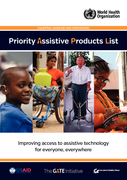
Improving access to assistive technology for everyone, everywhere.
The first WHO Priority Assistive Products List was launched in May 2016. The List includes hearing aids, wheelchairs, communication aids, spectacles, artificial limbs, pill organizers, memory aids and other essential items for many
...
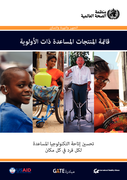
The first WHO Priority Assistive Products List was launched in May 2016. The List includes hearing aids, wheelchairs, communication aids, spectacles, artificial limbs, pill organizers, memory aids and other essential items for many older people and people with disabilities to be able to live a healt
...


This report from Human Rights Watch found that South Africa has failed to guarantee the right to education for many of the country’s children and young adults due to widespread discrimination against children with disabilities in enrollment decisions. Human Rights Watch research in five out of Sou
...
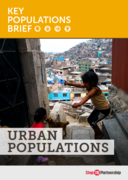
Key Populations Brief
Accessed November 2017
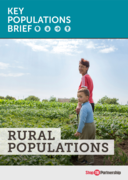
Key populations brief
Accessed 2017
Statement
Impact of migration on infectious diseases in Europe | August 2007 | 1-7
A manual for programme managers.
БОРЬБА С ТУБЕРКУЛЕЗОМ В ТЮРЬМАХ
Руководство для руководителей программ
