
Filter
3402
Text search:
laboratory
capacity
Featured
417
1013
Language
3337
71
51
35
28
26
15
6
5
4
3
2
2
2
2
2
1
1
1
1
1
1
1
1
1
1
1
1
1
1
1
1
1
1
1
1
1
1
1
1
1
1
1
1
1
1
Document type
1635
589
544
223
218
70
63
37
8
5
3
3
2
1
1
Countries
198
148
124
111
109
91
90
74
74
69
69
68
59
58
50
46
45
42
40
34
34
34
33
33
32
32
32
29
28
27
23
23
22
20
20
20
19
17
15
14
14
14
13
13
13
12
12
11
10
8
7
7
7
7
6
6
6
6
6
5
5
5
5
5
5
5
5
4
4
4
4
4
4
4
4
3
3
3
3
3
3
3
3
3
3
3
3
2
2
2
2
2
2
2
2
2
2
2
2
2
2
2
2
2
2
2
2
2
2
1
1
1
1
1
1
1
1
1
1
1
1
1
1
1
1
1
1
1
1
1
1
1
1
1
1
1
1
1
Authors & Publishers
655
170
96
90
78
54
52
51
32
30
29
28
24
24
22
20
19
19
18
16
16
16
16
15
15
14
14
14
13
13
13
12
12
12
12
12
11
11
11
11
11
10
10
10
10
10
10
10
10
10
9
9
9
9
9
8
8
8
8
8
8
8
8
8
8
8
7
7
7
7
7
7
7
6
6
6
6
6
6
6
6
6
6
6
6
6
6
6
6
5
5
5
5
5
5
5
5
5
5
5
5
5
5
5
5
5
5
5
5
5
5
5
4
4
4
4
4
4
4
4
4
4
4
4
4
4
4
4
4
4
4
4
4
4
4
4
4
4
4
4
4
4
4
4
4
4
3
3
3
3
3
3
3
3
3
3
3
3
3
3
3
3
3
3
3
3
3
3
3
3
3
3
3
3
3
3
3
3
3
3
3
3
3
3
3
3
3
3
3
3
3
3
3
3
3
3
3
3
2
2
2
2
2
2
2
2
2
2
2
2
2
2
2
2
2
2
2
2
2
2
2
2
2
2
2
2
2
2
2
2
2
2
2
2
2
2
2
2
2
2
2
2
2
2
2
2
2
2
2
2
2
2
2
2
2
2
2
2
2
2
2
2
2
2
2
2
2
2
2
2
2
2
2
2
2
2
2
2
2
2
2
2
2
2
2
2
2
2
2
2
2
2
2
2
2
2
2
2
2
2
2
2
2
2
2
2
2
2
2
2
2
2
2
2
2
2
2
2
2
2
2
2
2
2
2
2
2
2
2
2
2
2
2
2
2
2
2
2
2
2
2
2
2
2
2
2
2
2
2
2
2
2
2
2
2
2
2
2
2
2
2
1
1
1
1
1
1
1
1
1
1
1
1
1
1
1
1
1
1
1
1
1
1
1
1
1
1
1
1
1
1
1
1
1
1
1
1
1
1
1
1
1
1
1
1
1
1
1
1
1
1
1
1
1
1
1
1
1
1
1
1
1
1
1
1
1
1
1
1
1
1
1
1
1
1
1
1
1
1
1
1
1
1
1
1
1
1
1
1
1
1
1
1
1
1
1
1
1
1
1
1
1
1
1
1
1
1
1
1
1
1
1
1
1
1
1
1
1
1
1
1
1
1
1
1
1
1
1
1
1
1
1
1
1
1
1
1
1
1
1
1
1
1
1
1
1
1
1
1
1
1
1
1
1
1
1
1
1
1
1
1
1
1
1
1
1
1
1
1
1
1
1
1
1
1
1
1
1
1
1
1
1
1
1
1
1
1
1
1
1
1
1
1
1
1
1
1
1
1
1
1
1
1
1
1
1
1
1
1
1
1
1
1
1
1
1
1
1
1
1
1
1
1
1
1
1
1
1
1
1
1
1
1
1
1
1
1
1
1
1
1
1
1
1
1
1
1
1
1
1
1
1
1
1
1
1
1
1
1
1
1
1
1
1
1
1
1
1
1
1
1
1
1
1
1
1
1
1
1
1
1
1
1
1
1
1
1
1
1
1
1
1
1
1
1
1
1
1
1
1
1
1
1
1
1
1
1
1
1
1
1
1
1
1
1
1
1
1
1
1
1
1
1
1
1
1
1
1
1
1
1
1
1
1
1
1
1
1
1
1
1
1
1
1
1
1
1
1
1
1
1
1
1
1
1
1
1
1
1
1
1
1
1
1
1
1
1
1
1
1
1
1
1
1
1
1
1
1
1
1
1
1
1
1
1
1
1
1
1
1
1
1
1
1
1
1
1
1
1
1
1
1
1
1
1
1
1
1
1
1
1
1
1
1
1
1
1
1
1
1
1
1
1
1
1
1
1
1
1
1
1
1
1
1
1
1
1
1
1
1
1
1
1
1
1
1
1
1
1
1
1
1
1
1
1
1
1
1
1
1
1
1
1
1
1
1
1
1
1
1
1
1
1
1
1
1
1
1
1
1
1
1
1
1
1
1
1
1
1
1
1
1
1
1
1
1
1
1
1
1
1
1
1
1
1
1
1
1
1
1
1
1
1
1
1
1
1
1
1
1
1
1
1
1
1
1
1
1
1
1
1
1
1
1
1
1
1
1
1
1
1
1
1
1
1
1
1
1
1
1
1
1
1
1
1
1
1
1
1
1
1
1
1
1
1
1
1
1
1
1
1
1
1
1
1
1
1
1
1
1
1
1
1
1
1
1
1
1
1
1
1
1
1
1
1
1
1
1
1
1
1
1
1
1
1
1
1
1
1
1
1
1
1
1
1
1
1
1
1
1
1
1
1
1
1
1
1
1
1
1
1
1
1
1
1
1
1
1
1
1
1
1
1
1
1
1
1
1
1
1
1
1
1
1
1
1
1
1
1
1
1
1
1
1
1
1
1
1
1
1
1
1
1
1
1
1
1
1
1
1
1
1
1
1
1
1
1
1
1
1
1
1
1
1
1
1
1
1
1
1
1
1
1
1
1
1
1
1
1
1
1
1
1
1
1
1
1
1
1
1
1
1
1
1
1
1
1
1
1
1
1
1
1
1
1
1
1
1
1
1
1
1
1
1
1
1
1
1
1
1
1
1
1
1
1
1
1
1
1
1
1
1
1
1
1
1
1
1
1
1
1
1
1
1
1
1
1
1
1
1
1
1
1
1
1
1
1
1
1
1
1
1
1
1
1
1
1
1
1
1
1
1
1
1
1
1
1
1
1
1
1
1
1
1
1
1
1
1
1
1
1
1
1
1
1
1
1
1
1
1
1
1
1
1
1
1
1
1
1
1
1
1
1
1
1
1
1
1
1
1
1
1
1
1
1
1
1
1
1
1
1
1
1
1
1
1
1
1
1
1
1
1
1
1
1
1
1
1
1
1
1
1
1
1
1
1
1
1
1
1
1
1
1
1
1
1
1
1
1
1
1
1
1
1
1
1
1
1
1
1
1
1
1
1
1
1
1
1
1
1
1
1
1
1
1
1
1
1
1
1
1
1
1
1
1
1
1
1
1
1
1
1
1
1
1
1
1
1
1
1
1
1
1
1
1
1
1
1
1
1
1
1
1
1
1
1
1
1
1
1
1
1
1
1
1
1
1
1
1
1
1
1
1
1
1
1
1
1
1
1
1
1
1
1
1
1
1
1
1
1
1
1
1
1
1
1
1
1
1
1
1
1
1
1
1
1
1
1
1
1
1
1
1
1
1
1
1
1
1
1
1
1
1
1
1
1
1
1
1
1
1
1
1
1
1
1
1
1
1
1
1
1
1
1
1
1
1
1
1
1
1
1
1
1
1
1
1
1
1
1
1
1
1
1
1
1
1
1
1
1
1
1
1
1
1
1
1
1
1
1
1
1
1
1
1
1
1
1
1
1
1
1
1
1
1
1
1
1
1
1
1
1
1
1
1
1
1
1
1
1
1
1
1
1
1
1
1
1
1
1
1
1
1
1
1
1
1
1
1
1
1
1
1
1
1
1
1
1
1
1
1
1
1
1
1
1
1
1
1
1
1
1
1
1
1
1
1
1
1
1
1
1
1
1
1
1
1
1
1
1
1
1
1
1
1
1
1
1
1
1
1
1
1
1
1
1
1
1
1
1
1
1
1
1
1
1
1
1
1
1
1
1
1
1
1
1
1
1
1
1
1
1
1
1
1
1
1
1
1
1
1
1
1
1
1
1
1
1
1
1
1
1
1
1
1
1
1
1
1
1
1
1
1
1
1
1
1
1
1
1
1
1
1
1
1
1
1
1
1
1
1
1
1
1
1
1
1
1
1
1
1
1
1
1
1
1
1
1
1
1
1
1
1
1
1
1
1
1
1
1
1
1
1
1
1
1
1
1
1
1
1
1
1
1
1
1
1
1
1
1
1
1
1
1
1
1
1
1
1
1
1
1
1
1
1
1
1
1
1
1
1
1
1
1
1
1
1
1
1
1
1
1
1
1
1
1
1
1
1
1
1
1
1
1
1
1
1
1
1
1
1
1
1
1
1
1
1
1
1
1
1
1
1
1
1
1
1
1
1
1
1
1
1
1
1
1
1
1
1
1
1
1
1
1
1
1
1
1
1
1
1
1
1
1
1
1
1
1
1
1
1
1
1
1
1
1
1
1
1
1
1
1
1
1
1
1
1
1
1
1
1
1
1
1
1
1
1
1
1
1
1
1
1
1
1
1
1
1
1
1
1
1
1
1
1
1
1
1
1
1
1
1
1
1
1
1
1
1
1
1
1
1
1
1
1
1
1
1
1
1
1
1
1
1
1
1
1
1
1
1
1
1
1
1
1
1
1
1
1
1
1
1
1
1
1
1
1
1
1
1
1
1
1
1
1
1
1
1
1
1
1
1
1
1
1
1
1
1
1
1
1
1
1
1
1
1
1
1
1
1
1
1
1
1
1
1
1
1
1
1
1
1
1
1
1
1
1
1
1
1
1
1
1
1
1
1
1
1
1
1
1
1
1
1
1
1
1
1
1
1
1
1
1
1
1
1
1
1
1
1
1
1
1
1
1
1
1
1
1
1
1
1
1
1
1
1
1
1
1
1
1
1
1
1
1
1
1
1
1
1
1
1
1
1
1
1
1
1
1
1
1
1
1
1
1
1
1
1
1
1
1
1
1
1
1
1
1
1
1
1
1
1
1
1
1
1
1
1
1
1
1
1
1
1
1
1
1
1
1
1
1
1
1
1
1
1
1
1
1
1
1
1
1
1
1
1
1
1
1
1
1
1
1
1
1
1
1
1
1
1
1
1
1
1
1
1
1
1
1
1
1
1
1
1
1
1
1
1
1
1
1
1
1
1
1
1
1
1
1
1
1
1
1
1
1
1
1
1
1
1
1
1
1
1
1
1
1
1
1
1
1
1
1
1
1
1
1
1
1
1
1
1
1
1
1
1
1
1
1
1
1
1
1
1
1
1
1
1
1
1
1
1
1
1
1
1
1
1
1
1
1
1
1
1
1
1
1
1
1
1
1
1
1
1
1
1
1
1
1
1
1
1
1
1
1
1
1
1
1
1
1
1
1
1
1
1
1
1
1
1
1
1
1
1
1
1
1
1
1
1
1
1
1
1
1
1
1
1
1
1
1
1
1
1
1
1
1
1
1
1
1
1
1
1
1
1
1
1
1
1
1
1
1
Publication Years
1152
1946
286
17
1
Category
1479
279
196
195
88
84
64
1
Toolboxes
350
270
197
175
155
132
115
98
85
75
70
67
66
61
49
43
37
30
28
28
27
24
24
17
1
1

The meningitis road map has been designated as a flagship global strategy of the WHO’s Thirteenth General Programme of Work, 2019–2023 and is an essential component in achieving universal health coverage.
The road map will reinforce and combine with wider initiatives, such as those aimed at s
...
trengthening primary health care and health systems, increasing immunization coverage, improving global health security, fighting antimicrobial resistance and advocating for the rights of persons with disabilities. It will complement other global control strategies, such as those addressing sepsis, pneumonia, tuberculosis and HIV. Implementation will be a challenge for all countries across the world, but especially in resource-poor settings where the burden of meningitis is greatest. The targets for the visionary and strategic goals will be adapted to regional and local contexts.
more

World Health Organization, Food and Agriculture Organization of the United Nations & World Organisation for Animal Health. (2021). Antimicrobial resistance and the United Nations sustainable development cooperation framework: guidance for United Nations country teams. World Health Organization
...
more
Organisation mondiale de la Santé, Organisation des Nations Unies pour l’alimentation et l’agriculture & Organisation mondiale de la santé animale. (2021). Résistance aux antimicrobiens et plan-cadre de coopération des Nations Unies pour le développement durable : orientations pour le
...
s équipes de pays des Nations Unies. Organisation mondiale de la Santé.
more
Organización Mundial de la Salud, Organización de las Naciones Unidas para la Alimentación y la Agricultura & Organización Mundial de Sanidad Animal. (2021). La resistencia a los antimicrobianos y el marco de cooperación de las Naciones Unidas para el desarrollo sostenible: orientaciones
...
para los equipos de las Naciones Unidas en los países. Organización Mundial de la Salud.
more
Orientação provisória 25 de junho de 2021
Recommendations for national testing strategies for SARS-CoV-2 and diagnostic capabilities

The Zimbabwe Multi-Sectoral Cholera Elimination Plan (2018–2028) aims to eradicate cholera by improving water, sanitation, and healthcare infrastructure, strengthening disease surveillance, and expanding oral cholera vaccination (OCV). The strategy focuses on five pillars, including public health
...
response, WASH, infrastructure, community empowerment, and financing. A multi-sectoral approach involving government, international organizations, and local communities targets cholera hotspots to prevent outbreaks and ensure long-term disease control.
more
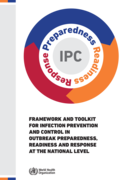
This document is the national level companion to a broader document on health care facility level developed by the WHO Health Emergencies Programme for national level stakeholders

The purpose of this publication is to to provide a practical, stepwise approach to the implementation of the national action plans on AMR within the human health sector; and to provide a process and collation of existing WHO tools to prioritize, cost, implement, monitor and evaluate national action
...
plan activities. The target audience of the publication are national/subnational stakeholders working on AMR within the human health sector. This includes national health authorities, national multi-sectoral coordination groups, senior technical experts and policymakers involved in implementing AMR activities at all levels of the health system, and implementation partners to accelerate sustainable implementation and monitoring and evaluation of national action plans on AMR.
more
(Last Update: July 2022)
8 March 2022
A very large number of people from Ukraine are fleeing the country and entering the European Union (EU) countries bordering Ukraine (Hungary, Poland, Romania, Slovakia) and the EU-neighbourhood country of the Republic of Moldova. Those fleeing Ukraine - mainly women and children - are
...
currently dispersing into communities, but as more people congregate at border crossings it is likely that they will also need to be housed in reception centres.
more
PlosOne https://doi.org/10.1371/journal.pone.0196799; Zoonotic diseases continue to be a public health burden globally. Uganda is especially vulnerable due to its location, biodiversity, and population. Given these concerns, the Ugandan government in collaboration with the Global Health Security Age
...
nda conducted a One Health Zoonotic Disease Prioritization Workshop to identify zoonotic diseases of greatest national concern to the Ugandan government.
more
There is a broad consensus nowadays that the Earth is warming up as a result of greenhouse gas emissions caused by anthropogenic activities. It is also clear that current trends in the fields of energy, development and population growth will lead to continuous and ever more dramatic climate change.
...
This is bound to affect the fundamental prerequisites for maintaining good health: clean air and water, sufficient food and adequate housing. The planet will warm up gradually, but the consequences of the extreme weather conditions such as frequent
storms, floods, droughts and heat-waves will have sudden onset and acute repercussions. It is widely accepted that climate change will have an impact on the spread of infectious diseases in Europe, which is likely to bring about new public health risks in the majority of cases. Transmission of infectious diseases depends on a number of factors, including climate and environmental elements. Foodborne and waterborne diseases, for instance, are associated with high temperatures. Disease-transmitting vectors (e.g. mosquitoes, sandflies and ticks) are highly sensitive to climate conditions, including temperature and humidity; their geographical distribution will widen as climate conditions change, potentially allowing them to spread into regions where they are not currently able to live.
The primary purpose of this manual on climate change and infectious diseases is to raise the awareness and the level of knowledge of health workers at national, regional and local levels in the former Yugoslav Republic of Macedonia on the health risks associated with climate change and infectious diseases. This manual was devel-
oped as part of the WHO Regional Office for Europe project, Protecting health from climate change: a seven–country initiative, implemented with financial support from the German Federal Ministry for the Environment, Nature Conservation and Nuclear Safety.
more
The EYE communication strategy is intended for use by all EYE partners and respective communication teams, as well as regional and country colleagues who will need to communicate about the work of EYE. It will also be publicly available for others, such as non-governmental organizations (NGOs) and p
...
rivate sector organizations, who may wish to read or share content published about EYE.
more

This annual report highlights the work of the WHO from January to June 2021 ( December 2021). The activities featured herein are by no means exhausted but implemented with technical and financial support through WHO in Nigeria; facilitated by its presence at all levels of governance (national, state
...
, local government, and wards).
more
Infectious disease outbreaks and epidemics are increasing in frequency, scale and impact. Health care facilities can amplify the transmission of emerging infectious diseases or multidrug-resistant organisms (MDRO) within their settings and communities. Therefore, evidence-based infection prevention
...
and control (IPC) measures in health care facilities are critical for preventing and containing outbreaks, while still delivering safe, effective and quality health care. This toolkit is intended to support IPC improvements for outbreak management in all such facilities, both public and private throughout the health system. Specifically, this document systematically describes a framework of overarching principles to approach the preparedness, readiness and response outbreak management phases. The document also provides a toolkit of resource links to guide specific actions for each infectious disease and/or MDRO outbreak management phase at any health facility. This document is specifically tailored to an audience of stakeholders who establish and monitor health care facility-level IPC programs including: IPC focal points, epidemiologists, public health experts, outbreak response incident managers, facility-level IPC committee(s), safety and quality leads and managers, and other facility level IPC stakeholders.
more
This report’s central premise is that diagnostics and therapeutics, and associated test to treat strategies, are fundamental components of the pandemic response, both for COVID-19 and for future health threats. Two years into the COVID-19 pandemic, this report reflects on the main challenges and k
...
ey solutions on the road to equitable access to diagnostics and therapeutics.
This report draws from experience gained through the Access to COVID-19 Tools (ACT) Accelerator Diagnostics and Therapeutics pillars, and includes the perspectives of collaborating stakeholders (countries, civil society representatives and the private sector). Building on these findings, this report proposes sixteen recommended actions to address what have been identified as key structural challenges and specifies a potential owner for each action.
more

Through technical consultations with countries and partners, WHO has led the development of Preparedness and Resilience for Emerging Threats Module 1: Planning for respiratory pathogen pandemics. Version 1.0. The Module, currently available as an advanced draft, builds on previous pandemic lessons a
...
nd guidance, and has the following new elements:
It presents an integrated and efficient respiratory pathogen pandemic planning approach covering both novel pathogens and those known to have pandemic potential;
It enables coherence in addressing pathogen-agnostic and pathogen-specific elements for better preparedness;
It gives an organizing framework including operational stages and triggers for escalation and de-escalation between pandemic preparedness and response periods;
It contextualizes 12 IHR (2005) core capacities within the five components of health emergency preparedness, response and resilience (HEPR), from the respiratory threats perspective; and
It describes the critical sectors for respiratory pathogen pandemic preparedness to trigger multisectoral collaboration.
WHO will finalize and publish this Module after a global technical meeting that will be held on 24-26 April 2023.
more

The Quadripartite Organizations – the Food and Agriculture Organization of the United Nations (FAO), the United Nations Environment Programme (UNEP), the World Organisation for Animal Health (WOAH, founded as OIE), and the World Health Organization (WHO) – collaborate to drive the change and tra
...
nsformation required to mitigate the impact of current and future health challenges at the human–animal– plant–environment interface at global, regional and country level.
more

Essential health care service disruption due to COVID-19: lessons for sustainability in Nigeria
AHOP National Centre based in Nigeria
World Health Organization WHO, Regional Office Africa
(2022)
C_WHO
The brief concludes that sustaining the continuity of EHS requires policies that ensure a whole-society and systems strengthening approach. This involves increased health care investment, community engagement, disease control regulations, and multisector approaches to improve resilience, EHS quality
...
, and equity.
more
