
Filter
2343
Text search:
humanitarian
rights
Featured
263
601
Language
Document type
1081
497
299
163
146
56
55
25
8
6
2
2
1
Countries
172
120
88
72
56
54
45
45
45
42
41
41
38
35
32
31
29
27
25
24
23
21
19
19
19
17
17
17
15
15
15
15
15
14
14
14
13
13
13
12
12
11
11
10
9
9
9
9
9
8
8
8
8
8
7
7
6
6
6
6
5
5
5
5
4
4
4
4
4
4
4
4
4
3
3
3
3
3
3
3
3
3
3
2
2
2
2
2
2
2
2
2
1
1
1
1
1
1
1
1
1
1
1
1
1
1
1
1
1
1
1
1
1
1
1
1
1
1
Authors & Publishers
Publication Years
Category
686
347
189
122
96
45
6
3
Toolboxes
312
301
205
170
160
87
73
68
65
56
47
42
35
34
24
23
20
19
15
12
11
10
8
7
6
5
2
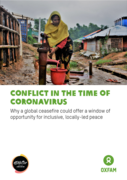
The equation is simple: we cannot effectively respond to a global pandemic when millions of people are still caught in warzones. We cannot treat sick people when hospitals are being bombed, or prevent the spread of coronavirus when tens of millions are forced to flee from violence. We must have a gl
...
Research Report

Hygiene Promotion In Emergencies
recommended
Communities affected by a disaster often lack basic water
and sanitation facilities. They are likely to be traumatized and
vulnerable to disease. Disruption of familiar practices or the
relocation to new environments can result in a deterioration
in existing hygiene behaviours. This, in turn, wi
...
WaterAid is an international NGO that provides assistance for safe water supply,
sanitation and hygiene practice in the poor communities in the world.
Primary Health-Care Services
recommended
In health emergencies as in periods of stability, restoring access to primary health-care services is a priority in so far as many health problems can be dealt with by means of preventive care and
conventional therapy. Depending on the context, the ICRC must often take action in this area, taking i
...

Training On The Misp For Sexual And Reproductive Health In Crisis Part 2

This Topic Guide has been compiled to provide an overview of undernutrition in the context of development. The focus of the Guide is on undernutrition, defined as the outcome of insufficient (quantity and quality) of food intake (hunger) and repeated infectious diseases. Undernutrition includes bein
...

This manual is a guide to psychosocial interventions to help people cope with the emotional effects of disasters. Some are direct responses to the trauma of disasters, while others are longer-term responses. Even more than the physical effects of disasters, the emotional effects cause long-lasting s
...
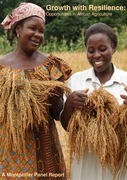
- Resilient Markets
- Resilient Agriculture
- Resilient People
- Political Leadership for Resilient Growth

The occurrence of a high percentage of couterfeit medicines on the global medicines market is often attributed to a lack of effective regulation and a weak enforcement capacity. This review, while focusing on counterfeit medicines and medical devices in developing countries, will present information
...
This document provides information for WHO Member States, particularly low-income and middle-income countries, to strengthen preparedness and response plans with regard to the social and mental health consequences of biological and chemical attacks.
Please read online the lastest updated versions http://www.cdc.gov/vhf/ebola/qa.html
Guidelines for planning and provision of pastoral and social support services
Education is UNESCO’s top priority because
it is a basic human right and the foundation
on which to build peace and drive sustainable
development. UNESCO is the United Nations’
specialized agency for education and the
Education Sector provides global and
regional leadership in education, s
...

Accessed 2014
