
Filter
5342
Filtered Results: 5342
Text search:
World
Relief
Featured
Recommendations
485
New Publications
1446
Language
Document type
No document type
2940
Studies & Reports
973
Guidelines
609
Manuals
322
Strategic & Response Plan
204
Fact sheets
95
Training Material
93
Situation Updates
65
Brochures
14
Infographics
13
Resource Platforms
9
Dashboards/Maps
2
Online Courses
2
App
1
Countries / Regions
Global
237
India
194
Kenya
150
Myanmar / Burma
143
Sierra Leone
113
Nigeria
107
Ethiopia
107
Uganda
105
Syria
104
South Africa
104
Liberia
94
Zambia
88
Africa
84
Nepal
81
Western and Central Europe
81
Bangladesh
74
Congo, Democratic Republic of
72
Malawi
71
Rwanda
70
Latin America and the Carribbean
62
Tanzania
62
South Sudan
62
Ukraine
61
Namibia
58
Haiti
52
Ghana
51
Lesotho
44
Philippines
42
Yemen
41
Guinea
39
Mozambique
39
Zimbabwe
36
Senegal
34
Venezuela
31
Eastern Europe
31
South–East Asia Region
30
Asia
28
Indonesia
27
Pakistan
26
Cameroon
24
Burkina Faso
23
Cambodia
23
Central African Republic
22
Eswatini/ Swaziland
21
West and Central Africa
20
East and Southern Africa
20
Jordan
19
Lebanon
19
Colombia
18
Middle East and North Africa
18
Eastern Europe and Central Asia
18
Brazil
18
Sudan
18
Afghanistan
17
Benin
16
Germany
16
Russia
16
Botswana
16
Mali
13
Iraq
13
Vietnam
12
Somalia
12
Côte d’Ivoire / Ivory Coast
11
Madagascar
11
Thailand
9
China
9
Niger
9
Burundi
9
Laos
8
USA
8
Western Pacific Region
8
Greece
8
Palestine
8
Southern Africa
7
Sri Lanka
7
Chad
7
Ecuador
7
Tajikistan
6
Turkey
6
Iran
6
Argentina
6
Moldova
6
Angola
6
Gambia
5
Chile
5
Peru
5
Portugal
5
Papua New Guinea
5
Mexico
4
Togo
4
Armenia
4
Guinea-Bissau
4
Tunisia
4
United Kingdom
4
Egypt
4
Georgia
4
Libya
4
North Macedonia
3
Albania
3
Fiji
3
Kyrgyzstan
3
Vanuatu
3
Morocco
3
Croatia
3
Hungary
3
North America
3
Jamaica
3
Japan
3
Spain
3
Bhutan
3
Timor Leste/ East Timor
2
Singapore
2
Congo-Brazzaville
2
Malaysia
2
Mongolia
2
Qatar
2
Bulgaria
2
Ireland
2
Saudi Arabia
2
Paraguay
2
Turkmenistan
2
France
2
Mauritius
2
Djibouti
2
Romania
2
Poland
2
North Korea
1
Switzerland
1
El Salvador
1
Serbia
1
Kazakhstan
1
Estonia
1
Uzbekistan
1
Mauritania
1
Italy
1
Dominican Republic
1
Lithuania
1
Gabon
1
Norway
1
Algeria
1
Morocco
1
Azerbaijan
1
Belarus
1
Israel
1
Bosnia and Herzegovina
1
Bolivia
1
Slovakia
1
Honduras
1
Solomon Islands
1
Guatemala
1
Authors & Publishers
Publication Years
Category
Countries
1942
Key Resources
452
Clinical Guidelines
380
Women & Child Health
273
Public Health
258
Capacity Building
107
Pharmacy & Technologies
38
Annual Report MEDBOX
1
Toolboxes
COVID-19
461
HIV
396
Mental Health
376
Conflict
272
Disability
234
TB
213
Planetary Health
170
Ebola & Marburg
164
NTDs
151
Natural Hazards
147
Caregiver
138
Refugee
122
Health Financing Toolbox
120
Rapid Response
92
Global Health Education
84
NCDs
78
AMR
77
Pharmacy
71
2.0 Rapid Response
60
Malaria
54
Social Ethics
50
Specific Hazards
39
Cholera
34
Zika
24
Polio
21
Typhoon
8
South Sudan
2
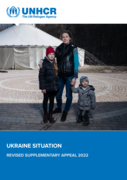
Given that the emergency has exceeded the worst-case scenario, this revised supplementary appeal for the Ukraine situation outlines UNHCR’s additional requirements of $1.246 billion for March to December 2022.

For the estimated 20 million refugees and 25 million internally displaced people worldwide, well-planned settlements can help to maximise their protection and security, and support them to minimise the spread of disease, manage natural resources sustainably, and maintain good relations with their ho...
Part 2: Part 2 Beyond the evidence: Implications for innovation and practice
Part 2 of the Gap Analysis presents the insights from individuals working in humanitarian response, disability inclusion and older age inclusion. This report begins by looking at how an agenda for the inclusion of people ...
Transforming health: Acclerating the attainment of health goals

Revision for Field Review
Online version of the manual: https://iawgfieldmanual.com/manual
On 19 August 2016, the former UN Secretary-General announced a new approach to cholera in Haiti, consisting of two tracks. Track 1 focuses on reducing cholera transmission, improving access to care, and addressing water, sanitation, and health system issues. Track 2 aims to provide material assistan...
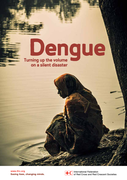
Over the past 50 years, dengue has spread from nine to over a hundred countries, making it the most rapidly spreading vector-borne disease. Yet, dengue continues to have a low profile among policy-makers and donors and does not receive the media attention it deserves. While there is no vaccine or cu...
Sexual and Reproductive Health
Capability and Performance
The unmet need for palliative care in Cox’s Bazar

The Myanmar National Framework seeks to achieve people-centered, inclusive, and sustainable socioeconomic development in the face of disasters triggered by natural hazards and climate change. The framework articulates a common understanding, proposes a coherent approach, and identifies potential opp...
Latin America and the Caribbean is characterized by a matrix of social inequality whose axes —such as
socioeconomic stratum, gender, stage in the life cycle, ethnicity and race, territory, disability, and immigration
status— create multiple, often concurrent, situations of exclusion and discri...
