
Filter
2321
Text search:
Psychosocial
Centre
Featured
Recommendations
267
New Publications
586
Language
Document type
No document type
1371
Studies & Reports
322
Guidelines
255
Manuals
135
Strategic & Response Plan
107
Training Material
51
Situation Updates
37
Fact sheets
29
Resource Platforms
8
Infographics
3
Brochures
2
Online Courses
1
Countries / Regions
India
93
Global
83
Congo, Democratic Republic of
73
Syria
62
Kenya
62
Western and Central Europe
59
Uganda
56
Sierra Leone
55
Ukraine
46
Nigeria
43
South Africa
43
Bangladesh
42
Myanmar / Burma
41
Liberia
40
Nepal
37
Zambia
34
Rwanda
32
Haiti
31
Ethiopia
29
Malawi
27
Mozambique
27
Namibia
27
Africa
27
Ghana
26
Eastern Europe
26
South Sudan
25
Guinea
23
Burkina Faso
22
Tanzania
20
Senegal
19
Central African Republic
19
Philippines
16
West and Central Africa
16
Russia
16
Zimbabwe
15
Indonesia
13
Germany
12
Lesotho
12
Yemen
12
Latin America and the Carribbean
12
Mali
11
Afghanistan
11
Lebanon
11
Middle East and North Africa
11
South–East Asia Region
11
Asia
11
Jordan
10
Cameroon
9
East and Southern Africa
9
Pakistan
8
Turkey
8
Cambodia
8
Burundi
8
Sri Lanka
8
Eastern Europe and Central Asia
8
Niger
7
Iraq
7
Brazil
7
Botswana
7
Madagascar
7
Moldova
7
Vietnam
7
Benin
6
Venezuela
6
Tajikistan
6
Georgia
6
Somalia
5
Sudan
5
Eswatini/ Swaziland
5
Colombia
5
Albania
5
Laos
5
Côte d’Ivoire / Ivory Coast
4
Thailand
4
China
4
Libya
4
Palestine
4
Canada
4
Guinea-Bissau
3
Togo
3
North Macedonia
3
Croatia
3
Angola
3
Western Pacific Region
3
Romania
3
Iran
3
Turkmenistan
3
Belarus
3
Egypt
2
Chad
2
Singapore
2
Papua New Guinea
2
Peru
2
Serbia
2
Mexico
2
Bhutan
2
Poland
2
Armenia
2
Southern Africa
2
Estonia
2
Lithuania
2
Uzbekistan
2
Kyrgyzstan
2
Kazakhstan
2
Belgium
2
Tunisia
2
Algeria
2
Gambia
1
Malaysia
1
Mauritania
1
Ireland
1
Hungary
1
El Salvador
1
Greece
1
Paraguay
1
Luxembourg
1
Fiji
1
Djibouti
1
Mongolia
1
Congo-Brazzaville
1
Timor Leste/ East Timor
1
Bulgaria
1
Japan
1
France
1
Mauritius
1
United Kingdom
1
Portugal
1
Spain
1
Azerbaijan
1
Bosnia and Herzegovina
1
Authors & Publishers
Publication Years
Category
Countries
827
Key Resources
140
Clinical Guidelines
124
Women & Child Health
120
Public Health
88
Capacity Building
45
Pharmacy & Technologies
4
Toolboxes
Mental Health
434
COVID-19
211
HIV
205
Disability
161
Conflict
143
Ebola & Marburg
123
Refugee
90
TB
74
Natural Hazards
62
Caregiver
56
Rapid Response
38
Planetary Health
32
NTDs
24
NCDs
23
2.0 Rapid Response
16
Global Health Education
15
Zika
9
Health Financing Toolbox
7
Specific Hazards
6
Social Ethics
6
Pharmacy
6
Polio
5
Cholera
3
AMR
2
South Sudan
1
Typhoon
1
Malaria
1
Areas for action include: increasing prioritisation and awareness of dementia; reducing the risk of dementia; diagnosis, treatment and care; support for dementia carers; strengthening information systems for dementia; and research and innovation.
The World Food Programme (WFP) has taken important steps to progress disability inclusion across its programming and operations. In late 2022, WFP commissioned the Nossal Institute, University of Melbourne in partnership with the Faculty of Psychology, Universitas Gadjah Mada, Indonesia to identify
...

The key actions, activities, and approaches in this document are organized within each of the 5Cs (see Table 1 in the PDF) and those of the Strategic preparedness and response plan (SPRP) pillars as follows:
National action plan key activities, prioritized for the current context and the current
...
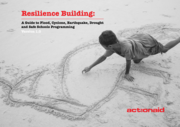
This guidance document is meant to support practitioners working in disaster prone contexts to develop and implement more effective integrated resilience programming. It promotes programming that cuts across different fields of work like rights awareness, food security, emergency preparedness, livel
...
July 2021. This publication brings together important clinical and programmatic updates produced by WHO since 2016 and provides comprehensive, evidence-informed recommendations and good practice statements within a public health, rights-based and person-centred approach.
These guidelines bring in
...
The Guide to operationalize HIV viral load testing HIV presents 60 lessons learnt from the project in a systemic approach including: viral load strategy, laboratories, procurement and supply management, patient care and economy.
Disabled people in developing countries are the poorest of the poor: if we are serious about tackling extreme poverty, our development work has to target them. The post-2015 development framework offers hope that disabled people will finally get the prominence they deserve on the global development
...
Option B+
The “United Nations Framework for the immediate socio-economic response to COVID-19: Shared responsibility, global solidarity and urgent action for people in need” calls for protecting jobs, businesses and livelihoods to set in motion a safe recovery of societies and economies as soon as possibl
...
The Contingency Fund for Emergencies (CFE) provides WHO with rapid and flexible resources to respond to disease outbreaks and other health emergencies. The annual report provides an overview of the use and impact of the Fund over the previous year.
Emergency response framework, 2nd ed.
recommended
The purpose of this Emergency Response Framework (ERF) is to clarify WHO’s roles and responsibilities in this regard and to provide a common approach for its work in emergencies. Ultimately, the ERF requires WHO to act with urgency and predictability to best serve and be accountable to populations
...
Alternative Thematic Report on implementation of the Convention on Elimination of all Forms of discrimination against Women on the issues related to women living with HIV from the affected groups (women – former prisoners, women using injected drugs, women sex workers).
Accessed: 04.10.2019

Une note d'orientation interagencesur la collaboration avec les communautés des zones à forte densité pour planifier des approches locales de prévention et de gestion de la COVID-19.

Caring for burns patients from the incident scene to definitive treatment can be a complex, resource-consuming process with the potential to overwhelm health system capacity.This document provides practical guidance for building capacity and capability for burns care from clinical, human resources a
...

Stigma and discrimination related to mental health conditions are widespread and harmful. Reducing stigma and discrimination can benefit families, societies and economies – it can save lives. The toolkit offers practical guidance on how to achieve this, based on three core evidence-based principle
...
