Filter
2120
Text search:
harm
reduction
Featured
Recommendations
235
New Publications
459
Language
Document type
No document type
1185
Studies & Reports
322
Guidelines
312
Manuals
138
Strategic & Response Plan
82
Training Material
31
Fact sheets
25
Situation Updates
11
Resource Platforms
4
Infographics
4
Brochures
1
Online Courses
1
Countries / Regions
Global
98
India
71
Western and Central Europe
57
Kenya
39
Ukraine
39
Myanmar / Burma
35
South Africa
34
Nepal
32
Uganda
30
Syria
30
Asia
27
Eastern Europe
26
Zambia
25
Sierra Leone
23
Ethiopia
22
Tanzania
22
Bangladesh
21
Latin America and the Carribbean
20
Nigeria
19
Philippines
19
Namibia
19
South Sudan
17
South–East Asia Region
17
Indonesia
16
Russia
14
Liberia
13
Ghana
13
Rwanda
13
Africa
13
Congo, Democratic Republic of
11
Mozambique
10
Lebanon
9
Haiti
8
Malawi
8
Eastern Europe and Central Asia
8
Albania
8
Zimbabwe
7
Pakistan
7
Cambodia
7
Yemen
7
East and Southern Africa
7
Middle East and North Africa
7
Senegal
6
USA
6
Iraq
6
Afghanistan
6
Germany
6
Thailand
6
Brazil
6
Tajikistan
6
Georgia
6
China
5
Colombia
5
West and Central Africa
5
Western Pacific Region
5
Moldova
5
Guinea
4
Jordan
4
Central African Republic
4
Lesotho
4
Venezuela
4
Kyrgyzstan
4
Vietnam
4
Sudan
3
Eswatini/ Swaziland
3
North Macedonia
3
Hungary
3
Botswana
3
Poland
3
Laos
3
Turkey
2
Singapore
2
Serbia
2
Sri Lanka
2
Fiji
2
Palestine
2
Romania
2
Iran
2
Kazakhstan
2
Turkmenistan
2
Portugal
2
Guinea-Bissau
1
Morocco
1
Cameroon
1
Niger
1
Somalia
1
Egypt
1
Gambia
1
Ireland
1
Papua New Guinea
1
Benin
1
Argentina
1
Croatia
1
Burundi
1
Greece
1
Libya
1
Angola
1
Guatemala
1
Madagascar
1
Mexico
1
Chile
1
Bhutan
1
Armenia
1
Mongolia
1
Canada
1
Qatar
1
Estonia
1
Uzbekistan
1
North America
1
Jamaica
1
Japan
1
United Kingdom
1
Norway
1
Spain
1
Azerbaijan
1
Belarus
1
Bosnia and Herzegovina
1
Latvia
1
Authors & Publishers
Publication Years
Category
Countries
501
Key Resources
165
Clinical Guidelines
154
Women & Child Health
115
Public Health
106
Capacity Building
50
Pharmacy & Technologies
12
Toolboxes
HIV
378
Mental Health
333
COVID-19
117
Planetary Health
105
TB
92
Conflict
68
Caregiver
52
Global Health Education
51
Disability
48
Refugee
39
Pharmacy
36
Rapid Response
33
AMR
33
NCDs
29
Specific Hazards
27
2.0 Rapid Response
25
Natural Hazards
23
NTDs
22
Ebola & Marburg
20
Health Financing Toolbox
20
Polio
9
Malaria
9
Zika
8
Cholera
6
Social Ethics
4
South Sudan
1
Introduction
Chapter A.6
The purpose of this field guide is to provide comprehensive information on planning and implementing high-quality3 SIAs for injectable vaccines and highlight the opportunities to strengthen RI and surveillance. The guide uses measles–rubella SIAs as the main example throughout, but the informatio
...
HRH SA 2030 | Draft HR Strategy for the Health Sector: 2012/13 – 2016/17 Consultation Document
An output of a series of workshops on psychosocial support held in 2004-2005 by the Bernard van Leer Foundation and the Coalition on Children Affected by AIDS. Authors Linda Richter, Geoff Foster and Lorraine Sherr discuss the issues surrounding psychosocial care and support for children made vulner
...
The goal of the United States Government for the President's Emergency Plan for AIDS Relief (PEPFAR) in Mozambique is to support country efforts to achieve epidemic control by 2020 through evidence-based policies and interventions to drive progress and save
lives. This document details PEPFAR's op
...

Meeting Report 27-29 October 2020
The overall goal of the meeting was to discuss recent changes in treatment regimens and diagnostics for drug-resistant TB and to determine how these impact on the definition of XDR-TB, with a view to revising this definition. The pre-existing definition of XDR-TB w
...
The primary audience for this guideline includes health-care professionals who are responsible for developing national and local health-care protocols and policies, as well as managers of maternal and child health programmes and policy-makers in all settings. The guideline will also be useful to tho
...
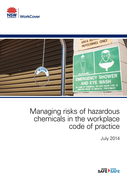
"This Code provides practical guidance on how to manage health and safety risks associated with hazardous
chemicals for persons conducting a business or undertaking who use chemicals in their workplace."
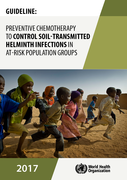
Preventive chemotherapy to control soil-transmitted helminth infections in at-risk population groups
recommended
Treating children infected with intestinal worms is one of the simplest and most cost–effective ways to improve their health.
The recommendations are intended for a wide audience, including policy-makers and their expert advisers as well as technical and programme staff at government institution
...
Saving Lives: Universal access to Trauma Services in Kenya
WHO has published the first-ever guidance on the clinical management of diphtheria. The only previously available guidance was an operational protocol. The new guidance followed the rigorous process for developing guidance at WHO.
It addresses the use of Diphtheria Antitoxin (DAT) in the treatmen
...
Welcome to the World Health Organization pulse oximeter training manual. In many countries pulse
oximetry is mandatory for monitoring patients during anaesthesia. Although pulse oximetry is a simple and reliable technology that can detect low levels of oxygen in the blood, it is only effective if t
...
From Participation to Partnerships (September 2020)
Despite the COVID-19 challenges, children around the world have found meaningful ways to support and protect their peers, families, and communities. Children are on the frontlines of innovative responses and are working closely with their adult al
...
This handbook is an adaptation from the WHO Clinical Handbook Health care for women subjected to intimate partner violence or sexual violence developed by the World Health Organization (WHO), UN Women and United Nations Population Fund. The handbook draws on the work from professionals who are dedic
...
Namibia is no exception to the growingglobal concern on the increasing burden of NCDs. Namibia is an upper middle income country with fast economic growth since independence in 1990. The country is bearing the double burden of communicable and noncommunicable diseases and rapid urbanizat
...