
Filter
3316
Text search:
emergency
aid
Featured
356
997
Language
3165
87
42
41
33
18
16
12
9
7
6
6
5
5
5
4
4
4
4
4
4
4
4
3
3
3
3
3
3
2
2
2
2
2
2
2
2
2
2
1
1
1
1
1
1
1
1
1
1
1
1
1
1
1
1
1
1
Document type
1792
516
380
252
151
70
70
56
12
5
4
4
2
1
Countries
174
109
105
99
99
94
89
68
67
66
65
65
61
56
52
51
46
46
41
37
37
36
35
32
31
31
29
27
24
23
23
22
22
20
18
17
17
16
16
16
15
15
15
14
13
12
11
11
10
9
9
9
9
9
8
8
8
8
8
7
7
7
7
7
7
7
6
6
6
5
5
5
5
5
4
4
4
4
4
3
3
3
3
3
3
3
3
3
2
2
2
2
2
2
2
2
2
2
2
2
2
2
2
2
2
2
2
2
2
2
1
1
1
1
1
1
1
1
1
1
1
1
1
1
1
1
1
1
1
1
Authors & Publishers
322
108
92
68
65
60
59
52
49
47
30
28
27
25
25
23
22
22
20
19
18
16
16
15
14
14
14
14
14
13
13
13
12
12
12
11
11
11
11
11
11
11
11
11
11
10
9
9
9
9
8
8
8
8
8
8
8
8
8
7
7
7
7
7
7
7
7
7
7
7
7
6
6
6
6
6
6
6
6
6
6
6
6
6
6
6
6
5
5
5
5
5
5
5
5
5
5
5
5
5
5
5
5
5
5
5
5
5
5
5
5
5
5
5
5
5
4
4
4
4
4
4
4
4
4
4
4
4
4
4
4
4
4
4
4
4
4
4
4
4
4
4
4
4
4
4
4
4
4
4
4
4
4
4
4
4
4
4
4
4
4
4
4
4
3
3
3
3
3
3
3
3
3
3
3
3
3
3
3
3
3
3
3
3
3
3
3
3
3
3
3
3
3
3
3
3
3
3
3
3
3
3
3
3
3
3
3
3
3
3
3
3
3
3
3
3
3
3
3
3
3
3
3
3
3
3
3
3
3
3
2
2
2
2
2
2
2
2
2
2
2
2
2
2
2
2
2
2
2
2
2
2
2
2
2
2
2
2
2
2
2
2
2
2
2
2
2
2
2
2
2
2
2
2
2
2
2
2
2
2
2
2
2
2
2
2
2
2
2
2
2
2
2
2
2
2
2
2
2
2
2
2
2
2
2
2
2
2
2
2
2
2
2
2
2
2
2
2
2
2
2
2
2
2
2
2
2
2
2
2
2
2
2
2
2
2
2
2
2
2
2
2
2
2
2
2
2
2
2
2
2
2
2
2
2
2
2
2
2
2
2
2
2
2
2
2
2
2
2
2
2
2
2
2
2
2
2
2
2
2
2
2
2
2
2
2
2
2
2
2
2
2
2
2
2
2
2
2
2
2
2
2
2
2
2
2
2
2
2
2
2
2
2
2
2
2
2
2
2
2
2
2
2
2
2
2
2
2
2
2
2
2
2
2
1
1
1
1
1
1
1
1
1
1
1
1
1
1
1
1
1
1
1
1
1
1
1
1
1
1
1
1
1
1
1
1
1
1
1
1
1
1
1
1
1
1
1
1
1
1
1
1
1
1
1
1
1
1
1
1
1
1
1
1
1
1
1
1
1
1
1
1
1
1
1
1
1
1
1
1
1
1
1
1
1
1
1
1
1
1
1
1
1
1
1
1
1
1
1
1
1
1
1
1
1
1
1
1
1
1
1
1
1
1
1
1
1
1
1
1
1
1
1
1
1
1
1
1
1
1
1
1
1
1
1
1
1
1
1
1
1
1
1
1
1
1
1
1
1
1
1
1
1
1
1
1
1
1
1
1
1
1
1
1
1
1
1
1
1
1
1
1
1
1
1
1
1
1
1
1
1
1
1
1
1
1
1
1
1
1
1
1
1
1
1
1
1
1
1
1
1
1
1
1
1
1
1
1
1
1
1
1
1
1
1
1
1
1
1
1
1
1
1
1
1
1
1
1
1
1
1
1
1
1
1
1
1
1
1
1
1
1
1
1
1
1
1
1
1
1
1
1
1
1
1
1
1
1
1
1
1
1
1
1
1
1
1
1
1
1
1
1
1
1
1
1
1
1
1
1
1
1
1
1
1
1
1
1
1
1
1
1
1
1
1
1
1
1
1
1
1
1
1
1
1
1
1
1
1
1
1
1
1
1
1
1
1
1
1
1
1
1
1
1
1
1
1
1
1
1
1
1
1
1
1
1
1
1
1
1
1
1
1
1
1
1
1
1
1
1
1
1
1
1
1
1
1
1
1
1
1
1
1
1
1
1
1
1
1
1
1
1
1
1
1
1
1
1
1
1
1
1
1
1
1
1
1
1
1
1
1
1
1
1
1
1
1
1
1
1
1
1
1
1
1
1
1
1
1
1
1
1
1
1
1
1
1
1
1
1
1
1
1
1
1
1
1
1
1
1
1
1
1
1
1
1
1
1
1
1
1
1
1
1
1
1
1
1
1
1
1
1
1
1
1
1
1
1
1
1
1
1
1
1
1
1
1
1
1
1
1
1
1
1
1
1
1
1
1
1
1
1
1
1
1
1
1
1
1
1
1
1
1
1
1
1
1
1
1
1
1
1
1
1
1
1
1
1
1
1
1
1
1
1
1
1
1
1
1
1
1
1
1
1
1
1
1
1
1
1
1
1
1
1
1
1
1
1
1
1
1
1
1
1
1
1
1
1
1
1
1
1
1
1
1
1
1
1
1
1
1
1
1
1
1
1
1
1
1
1
1
1
1
1
1
1
1
1
1
1
1
1
1
1
1
1
1
1
1
1
1
1
1
1
1
1
1
1
1
1
1
1
1
1
1
1
1
1
1
1
1
1
1
1
1
1
1
1
1
1
1
1
1
1
1
1
1
1
1
1
1
1
1
1
1
1
1
1
1
1
1
1
1
1
1
1
1
1
1
1
1
1
1
1
1
1
1
1
1
1
1
1
1
1
1
1
1
1
1
1
1
1
1
1
1
1
1
1
1
1
1
1
1
1
1
1
1
1
1
1
1
1
1
1
1
1
1
1
1
1
1
1
1
1
1
1
1
1
1
1
1
1
1
1
1
1
1
1
1
1
1
1
1
1
1
1
1
1
1
1
1
1
1
1
1
1
1
1
1
1
1
1
1
1
1
1
1
1
1
1
1
1
1
1
1
1
1
1
1
1
1
1
1
1
1
1
1
1
1
1
1
1
1
1
1
1
1
1
1
1
1
1
1
1
1
1
1
1
1
1
1
1
1
1
1
1
1
1
1
1
1
1
1
1
1
1
1
1
1
1
1
1
1
1
1
1
1
1
1
1
1
1
1
1
1
1
1
1
1
1
1
1
1
1
1
1
1
1
1
1
1
1
1
1
1
1
1
1
1
1
1
1
1
1
1
1
1
1
1
1
1
1
1
1
1
1
1
1
1
1
1
1
1
1
1
1
1
1
1
1
1
1
1
1
1
1
1
1
1
1
1
1
1
1
1
1
1
1
1
1
1
1
1
1
1
1
1
1
1
1
1
1
1
1
1
1
1
1
1
1
1
1
1
1
1
1
1
1
1
1
1
1
1
1
1
1
1
1
1
1
1
1
1
1
1
1
1
1
1
1
1
1
1
1
1
1
1
1
1
1
1
1
1
1
1
1
1
1
1
1
1
1
1
1
1
1
1
1
1
1
1
1
1
1
1
1
1
1
1
1
1
1
1
1
1
1
1
1
1
1
1
1
1
1
1
1
1
1
1
1
1
1
1
1
1
1
1
1
1
1
1
1
1
1
1
1
1
1
1
1
1
1
1
1
1
1
1
1
1
1
1
1
1
1
1
1
1
1
1
1
1
1
1
1
1
1
1
1
1
1
1
1
1
1
1
1
1
1
1
1
1
1
1
1
1
1
1
1
1
1
1
1
1
1
1
1
1
1
1
1
1
1
1
1
1
1
1
1
1
1
1
1
1
1
1
1
1
1
1
1
1
1
1
1
1
1
1
1
1
1
1
1
1
1
1
1
1
1
1
1
1
1
1
1
1
1
1
1
1
1
1
1
1
1
1
1
1
1
1
1
1
1
1
1
1
1
1
1
1
1
1
1
1
1
1
1
1
1
1
1
1
1
1
1
1
1
1
1
1
1
1
1
1
1
1
1
1
1
1
1
1
1
1
1
1
1
1
1
1
1
1
1
1
1
1
1
1
1
1
1
1
1
1
1
1
1
1
1
1
1
1
1
1
1
1
1
1
1
1
1
1
1
1
1
1
1
1
1
1
1
1
1
1
1
1
1
1
1
1
1
1
1
1
1
1
1
1
1
1
1
1
1
1
1
1
1
1
1
1
1
1
1
1
1
1
1
1
1
1
1
1
1
1
1
1
1
1
1
1
1
1
1
1
1
1
1
1
1
1
1
1
1
1
1
1
1
1
1
1
1
1
1
1
1
1
1
1
1
1
1
1
1
1
1
1
1
1
1
1
1
1
1
1
1
1
1
1
1
1
1
1
1
1
1
1
1
1
1
1
1
1
1
1
1
1
1
1
1
1
1
1
1
1
1
1
1
1
1
1
1
1
1
1
1
1
1
1
1
1
1
1
1
1
1
1
1
1
1
1
1
1
1
1
1
1
1
1
1
1
1
1
1
1
1
1
1
1
1
1
1
1
1
1
1
1
1
1
1
1
1
1
1
1
1
1
1
1
1
1
1
1
1
1
1
1
1
1
1
1
1
1
1
1
1
1
1
1
1
1
1
1
1
1
1
1
1
1
1
1
1
1
1
1
1
1
1
1
1
1
1
1
1
1
1
1
1
1
1
1
1
1
1
1
1
1
1
1
1
1
1
1
1
1
1
1
1
1
1
1
1
1
1
1
1
1
1
1
1
1
1
1
1
1
1
1
1
1
1
1
1
1
1
1
1
1
1
1
1
1
1
1
1
1
1
1
1
1
1
1
1
1
1
1
1
1
1
1
1
1
1
1
1
1
1
1
1
1
1
1
1
1
1
1
1
1
1
1
1
1
1
1
1
1
1
1
1
1
1
1
1
1
1
1
1
1
1
1
1
1
1
1
1
1
1
1
1
1
1
1
1
1
1
1
1
1
1
1
1
1
1
1
1
1
1
1
1
1
1
1
1
1
1
1
1
1
1
1
1
1
1
1
1
1
1
1
1
1
1
1
1
1
1
1
1
1
1
1
1
1
1
1
1
1
1
1
1
1
1
1
1
1
1
1
1
1
1
1
1
1
1
1
1
1
1
1
1
1
1
1
1
1
1
1
1
1
1
1
1
1
1
1
1
1
1
1
1
1
1
1
1
1
1
1
1
1
1
1
1
1
1
1
1
1
1
1
1
1
1
1
1
1
1
1
1
1
1
1
1
1
1
1
1
1
1
1
1
1
1
1
1
1
1
1
1
1
1
1
1
1
1
1
1
1
1
1
1
1
1
1
1
1
1
1
1
1
1
1
1
1
1
1
1
1
1
1
1
1
1
1
1
1
1
1
1
1
1
1
1
1
1
1
1
1
1
1
1
1
1
1
1
1
1
1
1
1
1
1
1
1
1
1
1
1
1
1
1
1
1
1
1
1
1
1
1
1
1
1
1
1
1
1
1
1
1
1
1
1
1
1
1
1
1
1
1
1
1
1
1
1
1
1
1
1
1
1
1
1
1
1
1
1
1
1
1
1
1
1
1
1
1
1
1
1
1
1
1
1
1
1
1
1
1
1
1
1
1
1
1
1
1
1
1
1
1
1
1
1
1
1
1
1
1
1
1
1
1
1
1
1
1
1
1
1
1
1
1
1
1
1
1
1
1
1
1
1
1
1
1
1
1
1
1
1
1
1
1
1
1
1
1
1
1
1
1
1
1
1
1
1
1
1
1
1
1
1
1
1
1
1
1
1
1
1
1
1
1
1
1
1
1
1
1
1
1
1
1
1
1
1
1
1
1
1
1
1
1
1
1
1
1
1
1
1
1
1
1
1
1
1
1
1
1
1
1
1
1
1
1
1
1
1
1
1
1
1
1
1
1
1
1
1
1
1
1
1
1
1
1
1
1
1
1
1
1
1
1
1
1
1
1
1
1
1
1
1
1
1
1
1
1
1
1
1
1
1
1
1
1
1
1
1
1
1
1
1
1
1
1
1
1
1
1
1
1
1
1
1
1
1
1
1
1
1
1
1
1
1
1
1
1
1
1
1
1
1
1
1
1
1
1
1
1
1
1
1
1
1
1
1
1
1
1
1
1
1
1
1
1
1
1
1
1
1
1
1
1
1
1
1
1
1
1
1
1
1
1
1
Publication Years
1030
1955
313
18
Category
1237
454
192
149
124
86
28
1
Toolboxes
300
287
255
150
141
126
123
103
84
81
71
69
63
50
50
47
34
34
26
23
22
21
19
16
13
9
2

The 2021 WHO health and climate change global survey report provides a valuable snapshot of the overall progress governments have made in addressing the health risks of climate change. The findings on key health and climate change indicators aim to empower policy makers to: make informed decisions o
...
n the implementation of policies and plans; identify evidence gaps; and better understand the barriers to achieving adaptation and resilience priorities in the health sector while maximizing the health benefits of sector-wide climate mitigation efforts.
more
Early data estimates suggest that 90% of the Ukrainian population could be facing poverty and extreme economic vulnerability should the war deepen, setting the country – and the region – back decades and leaving deep social and economic scars for generations to come
Current Environmental Health Reports volume 7, pages 363–370 (2020)
Climate change has direct impacts on human health, but those impacts vary widely by location. Local health impacts depend on a large number of factors including specific regional climate impacts, demographics and human vulnerabil
...
ities, and existing local adaptation capacity. There is a need to incorporate local data and concerns into climate adaptation plans and evaluate different approaches.
more
In 2007, WHO warned that infectious diseases are emerging and re-emerging at a rate that has not been seen before. The potential for infectious diseases to spread rapidly results in high morbidity and mortality, causing a potential global public health treat of major concern.
Several factors are
...
contributing to the (re)emergence of infectious diseases such as population growth, living in close contact with animals, frequent travelling, poverty, destructive ecological changes due to economic development and land use and climate change result in global warming.
Especially Africa is at a threat for (re)emerging infectious diseases due to the huge population growth (expected to reach 2.5 billion by 2050) with rapid urbanisation. Additionally, people across and beyond the continent are excessively mobile which is combined with a weak health system. Moreover, the risk of (re)emerging infectious disease is further heightened by three newly adopted continental initiatives: African Continental Free Trade Area, Free Movement of Persons and African Passport and Single African Air Transport Market.
more

It outlines key achievements, needs and opportunities for intervention in the field of rehabilitation in Ukraine. The content of this document is a snapshot in time – not an in-depth analysis of the entire rehabilitation sector. The analysis focuses on rehabilitation policy and governance, service
...
provision, financing, information management and human resources, with the aim of improving access to high-quality rehabilitation services in Ukraine.
more
This document offers public health guidance for the prevention and control of COVID-19 in reception centres, and other temporary accommodation facilities, in the context of the mass influx of Ukrainian people into the European Union (EU), the European Economic Area (EEA) and the Republic of Moldova.
...
more

India: health system review
Srivastava, Swati, Karan, Anup K., Bhan, Nandita, Mukhopadhya, Indranil. et al.
.World Health Organization (WHO), Regional Office for South-East Asia
(2022)
C_WHO
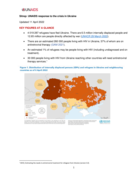
As the war in Ukraine enters its fifth year, the humanitarian crisis continues to deepen, with profound consequences for access to essential services, including health care. Modern warfare tactics, including the widespread use of drones and repeated attacks on critical infrastructure, are increasing
...
civilian harm and fundamentally reshaping how health services are delivered, especially in conflict-affected settings.
more
This catalogue serves the purpose of connecting stakeholders from the
energy and health sectors with solutions providers, to help meet the
energy needs of healthcare facilities in response to COVID-19 and
beyond. The solutions provided herein represent a sample of a larger
group of solution prov
...
iders who can contribute to addressing this
challenge
more
Cascading risks from rising prices and supply disruptions, April 2022.
Global resource markets are still reeling from the impacts of Russia’s invasion of Ukraine; the two countries are major suppliers of energy, food and fertilizers. Supply disruption and the sudden imposition, in response to the
...
crisis, of unprecedented economic sanctions, trade restrictions and policy interventions have caused prices of commodities to skyrocket.
Before the conflict, demand for global resources already exceeded supply and drove up prices as economies rebounded after the COVID-19 pandemic. This gave rise to a global cost-of-living crisis, characterized by increasing levels of energy and food poverty. This situation is likely to become much worse as a consequence of the war in Ukraine, and poses a threat to human security, particularly among low-income and vulnerable populations.
more
A global food crisis fuelled by conflict, climate shocks and the COVID-19 pandemic is growing because of the ripple effects of the war in Ukraine driving rising prices of food, fuel and fertilizer. Millions of people across the world are at risk of being driven into starvation unless action is taken
...
now to respond together and at scale. Due to the unprecedented overlap of crises, WFP’s annual operational requirements are at an all-time high of US$22.2 billion, with confirmed contributions so far at US$4.8 billion (22 percent). WFP is calling for coordinated action to address this crisis.
more
We need to be concerned about mental health in the context of climate change
Caregiver Part 1: Key Resources
recommended
May 17,2022 MEDBOX Issue Brief no.21
Strengthening mental health responses to COVID-19 in the Americas: A health policy analysis and recommendations
A. Tausch; Oliveira e Souza, R.; Martinez Viciana, C.; et al.
Pan American Health Organization
(2021)
CC
The COVID-19 pandemic is having a major impact on the mental health of populations in the Americas. Studies
show high rates of depression and anxiety, among other psychological symptoms, particularly among women, young
people, those with pre-existing mental health conditions, health workers, and p
...
ersons living in vulnerable condi-
tions. Mental health systems and services have also been severely disrupted. A lack of financial and human resource
investments in mental health services, limited implementation of the decentralized community-based care approach
and policies to address the mental health gap prior to the pandemic, have all contributed to the current crisis. Coun-
tries must urgently strengthen their mental health responses to COVID-19 by taking actions to scale up mental
health and psychosocial support services for all, reach marginalized and at-risk populations, and build back better
mental health systems and services for the future.
more
During the COVID-19 health crisis, community pharmacists had an enhanced role in supporting health-care systems that were overburdened by managing seriously ill patients. This study was undertaken to determine the patterns of community supply of antiviral and antibacterial agents from community phar
...
macies during the COVID-19 pandemic in selected countries in eastern Europe and central Asia. Nine countries – Armenia, Georgia, Kazakhstan, Kyrgyzstan, North Macedonia, the Russian Federation, Serbia, Tajikistan and Uzbekistan – participated in this cross-sectional study.
more
Consultancy Report May 2022

Despite the continuing war in Ukraine, the Government is preparing for the country’s recovery and reconstruction. Given the magnitude of the attacks on the health infrastructure and consequent disruption to health system functioning, reconstruction of the health system is integral to the countryâ€
...
™s recovery. The immediate priorities are to restore essential services, respond to new physical and mental health needs, protect public health, and provide a secure and attractive environment for the return of both health professionals and the general population. This policy note identifies strategic directions for post-war health system recovery in the short and longer terms, while sustaining essential health services during the ongoing invasion
more

Conflict, climate change, the COVID-19 pandemic, and the economic effects of the Ukraine crisis are interacting to create new and worsen existing hunger hotspots, reversing the gains families had made to escape poverty.
The WHO BioHub Biosafety & Biosecurity: criteria and operational modalities sets out the requirements to which laboratories wishing to receive biological materials as part of this international exchange system should abide, to ensure safe and secure operations. These provisions are in accordance wit
...
h the recommendations of the WHO Laboratory Biosafety Manual 4th edition (LBM4), adopting an evidence- and risk-based approach to enable scalable and adaptable biosafety provisions and actions, proportionate to the assessed risk
more
