
Filter
3666
Text search:
2022
Featured
402
174
Language
2998
490
467
211
187
175
122
112
89
17
13
12
11
9
8
5
5
5
5
5
4
4
4
4
4
3
3
3
3
3
2
2
2
2
2
2
1
1
1
1
1
1
1
1
1
1
1
1
1
1
1
1
Document type
1173
597
345
293
287
287
190
115
113
109
57
43
31
14
4
Countries
372
195
104
98
96
54
53
51
49
45
45
41
33
32
32
30
29
29
27
25
24
23
23
23
22
21
21
21
20
18
17
17
16
15
15
15
13
13
13
13
13
13
13
12
12
11
11
11
11
11
10
10
9
8
7
7
7
7
7
7
7
7
6
6
6
6
6
5
5
5
5
5
5
5
5
5
4
4
4
4
4
4
4
4
4
4
4
3
3
3
3
3
3
3
3
3
3
2
2
2
2
2
2
2
2
2
2
1
1
1
1
1
1
1
1
1
1
1
1
1
1
1
1
1
1
1
1
1
1
1
1
1
1
1
1
Authors & Publishers
712
253
89
84
82
74
57
55
51
40
37
33
27
27
26
25
25
22
22
20
20
17
17
16
16
16
16
15
14
14
13
13
13
12
12
12
11
11
10
10
10
10
10
10
9
9
9
8
8
8
8
8
8
8
8
8
8
8
8
8
8
7
7
7
7
7
7
7
7
7
7
6
6
6
6
6
6
6
6
6
6
6
6
5
5
5
5
5
5
5
5
5
5
5
5
5
5
5
5
5
5
5
5
5
5
5
5
5
4
4
4
4
4
4
4
4
4
4
4
4
4
4
4
4
4
4
4
4
4
4
4
4
4
4
4
4
4
4
4
4
4
4
3
3
3
3
3
3
3
3
3
3
3
3
3
3
3
3
3
3
3
3
3
3
3
3
3
3
3
3
3
3
3
3
3
3
3
3
3
3
3
3
3
3
3
3
3
3
3
3
3
3
3
3
3
2
2
2
2
2
2
2
2
2
2
2
2
2
2
2
2
2
2
2
2
2
2
2
2
2
2
2
2
2
2
2
2
2
2
2
2
2
2
2
2
2
2
2
2
2
2
2
2
2
2
2
2
2
2
2
2
2
2
2
2
2
2
2
2
2
2
2
2
2
2
2
2
2
2
2
2
2
2
2
2
2
2
2
2
2
2
2
2
2
2
2
2
2
2
2
2
2
2
2
2
2
2
2
2
2
2
2
2
2
2
2
2
2
2
2
2
2
2
2
2
2
2
2
2
2
2
2
2
2
2
2
2
2
2
2
2
2
2
2
2
2
2
2
2
2
2
2
2
2
2
2
2
2
2
2
2
2
2
2
2
2
2
2
2
2
2
2
2
2
2
2
2
2
2
2
2
2
2
2
2
2
2
2
2
2
2
2
2
1
1
1
1
1
1
1
1
1
1
1
1
1
1
1
1
1
1
1
1
1
1
1
1
1
1
1
1
1
1
1
1
1
1
1
1
1
1
1
1
1
1
1
1
1
1
1
1
1
1
1
1
1
1
1
1
1
1
1
1
1
1
1
1
1
1
1
1
1
1
1
1
1
1
1
1
1
1
1
1
1
1
1
1
1
1
1
1
1
1
1
1
1
1
1
1
1
1
1
1
1
1
1
1
1
1
1
1
1
1
1
1
1
1
1
1
1
1
1
1
1
1
1
1
1
1
1
1
1
1
1
1
1
1
1
1
1
1
1
1
1
1
1
1
1
1
1
1
1
1
1
1
1
1
1
1
1
1
1
1
1
1
1
1
1
1
1
1
1
1
1
1
1
1
1
1
1
1
1
1
1
1
1
1
1
1
1
1
1
1
1
1
1
1
1
1
1
1
1
1
1
1
1
1
1
1
1
1
1
1
1
1
1
1
1
1
1
1
1
1
1
1
1
1
1
1
1
1
1
1
1
1
1
1
1
1
1
1
1
1
1
1
1
1
1
1
1
1
1
1
1
1
1
1
1
1
1
1
1
1
1
1
1
1
1
1
1
1
1
1
1
1
1
1
1
1
1
1
1
1
1
1
1
1
1
1
1
1
1
1
1
1
1
1
1
1
1
1
1
1
1
1
1
1
1
1
1
1
1
1
1
1
1
1
1
1
1
1
1
1
1
1
1
1
1
1
1
1
1
1
1
1
1
1
1
1
1
1
1
1
1
1
1
1
1
1
1
1
1
1
1
1
1
1
1
1
1
1
1
1
1
1
1
1
1
1
1
1
1
1
1
1
1
1
1
1
1
1
1
1
1
1
1
1
1
1
1
1
1
1
1
1
1
1
1
1
1
1
1
1
1
1
1
1
1
1
1
1
1
1
1
1
1
1
1
1
1
1
1
1
1
1
1
1
1
1
1
1
1
1
1
1
1
1
1
1
1
1
1
1
1
1
1
1
1
1
1
1
1
1
1
1
1
1
1
1
1
1
1
1
1
1
1
1
1
1
1
1
1
1
1
1
1
1
1
1
1
1
1
1
1
1
1
1
1
1
1
1
1
1
1
1
1
1
1
1
1
1
1
1
1
1
1
1
1
1
1
1
1
1
1
1
1
1
1
1
1
1
1
1
1
1
1
1
1
1
1
1
1
1
1
1
1
1
1
1
1
1
1
1
1
1
1
1
1
1
1
1
1
1
1
1
1
1
1
1
1
1
1
1
1
1
1
1
1
1
1
1
1
1
1
1
1
1
1
1
1
1
1
1
1
1
1
1
1
1
1
1
1
1
1
1
1
1
1
1
1
1
1
1
1
1
1
1
1
1
1
1
1
1
1
1
1
1
1
1
1
1
1
1
1
1
1
1
1
1
1
1
1
1
1
1
1
1
1
1
1
1
1
1
1
1
1
1
1
1
1
1
1
1
1
1
1
1
1
1
1
1
1
1
1
1
1
1
1
1
1
1
1
1
1
1
1
1
1
1
1
1
1
1
1
1
1
1
1
1
1
1
1
1
1
1
1
1
1
1
1
1
1
1
1
1
1
1
1
1
1
1
1
1
1
1
1
1
1
1
1
1
1
1
1
1
1
1
1
1
1
1
1
1
1
1
1
1
1
1
1
1
1
1
1
1
1
1
1
1
1
1
1
1
1
1
1
1
1
1
1
1
1
1
1
1
1
1
1
1
1
1
1
1
1
1
1
1
1
1
1
1
1
1
1
1
1
1
1
1
1
1
1
1
1
1
1
1
1
1
1
1
1
1
1
1
1
1
1
1
1
1
1
1
1
1
1
1
1
1
1
1
1
1
1
1
1
1
1
1
1
1
1
1
1
1
1
1
1
1
1
1
1
1
1
1
1
1
1
1
1
1
1
1
1
1
1
1
1
1
1
1
1
1
1
1
1
1
1
1
1
1
1
1
1
1
1
1
1
1
1
1
1
1
1
1
1
1
1
1
1
1
1
1
1
1
1
1
1
1
1
1
1
1
1
1
1
1
1
1
1
1
1
1
1
1
1
1
1
1
1
1
1
1
1
1
1
1
1
1
1
1
1
1
1
1
1
1
1
1
1
1
1
1
1
1
1
1
1
1
1
1
1
1
1
1
1
1
1
1
1
1
1
1
1
1
1
1
1
1
1
1
1
1
1
1
1
1
1
1
1
1
1
1
1
1
1
1
1
1
1
1
1
1
1
1
1
1
1
1
1
1
1
1
1
1
1
1
1
1
1
1
1
1
1
1
1
1
1
1
1
1
1
1
1
1
1
1
1
1
1
1
1
1
1
1
1
1
1
1
1
1
1
1
1
1
1
1
1
1
1
1
1
1
1
1
1
1
1
1
1
1
1
1
1
1
1
1
1
1
1
1
1
1
1
1
1
1
1
1
1
1
1
1
1
1
1
1
1
1
1
1
1
1
1
1
1
1
1
1
1
1
1
1
1
1
1
1
1
1
1
1
1
1
1
1
1
1
1
1
1
1
1
1
1
1
1
1
1
1
1
1
1
1
1
1
1
1
1
1
1
1
1
1
1
1
1
1
1
1
1
1
1
1
1
1
1
1
1
1
1
1
1
1
1
1
1
1
1
1
1
1
1
1
1
1
1
1
1
1
1
1
1
1
1
1
1
1
1
1
1
1
1
1
1
1
1
1
1
1
1
1
1
1
1
1
1
1
1
1
1
1
1
1
1
1
1
1
1
1
1
1
1
1
1
1
1
1
1
1
1
1
1
1
1
1
1
1
1
1
1
1
1
1
1
1
1
1
1
1
1
1
1
1
1
1
1
1
1
1
1
1
1
1
1
1
1
1
1
1
1
1
1
1
1
1
1
1
1
1
1
1
1
1
1
1
1
1
1
1
1
1
1
1
1
1
1
1
1
1
1
1
1
1
1
1
1
1
1
1
1
1
1
1
1
1
1
1
1
1
1
1
1
1
1
1
1
1
1
1
1
1
1
1
1
1
1
1
1
1
1
1
1
1
1
1
1
1
1
1
1
1
1
1
1
1
1
1
1
1
1
1
1
1
1
1
1
1
1
1
1
1
1
1
1
1
1
1
1
1
1
1
1
1
1
1
1
1
1
1
1
1
1
1
1
1
1
1
1
1
1
1
1
1
1
1
1
1
1
1
1
1
1
1
1
1
1
1
1
1
1
1
1
1
1
1
1
1
1
1
1
1
1
1
1
1
1
1
1
1
1
1
1
1
1
1
1
1
1
1
1
1
1
1
1
1
1
1
1
1
1
1
1
1
1
1
1
1
1
1
1
1
1
1
1
1
1
1
1
1
1
1
1
1
1
1
1
1
1
1
1
1
1
1
1
1
1
1
1
1
1
1
1
1
1
1
1
1
1
1
1
1
1
1
1
1
1
1
1
1
1
1
1
1
1
1
1
1
1
1
1
1
1
1
1
1
1
1
1
1
1
1
1
1
1
1
1
1
1
1
1
1
1
1
1
1
1
1
1
1
1
1
1
1
1
1
1
1
1
1
1
1
1
1
1
1
1
1
1
1
1
1
1
1
1
1
1
1
1
1
1
1
1
1
1
1
1
1
1
1
1
1
1
1
1
1
1
1
1
1
1
1
1
1
1
1
1
1
1
1
1
1
1
1
1
1
1
1
1
1
1
1
1
1
1
1
1
1
1
1
1
1
1
1
1
1
1
1
1
1
1
1
1
1
1
1
1
1
1
1
1
1
1
1
1
1
1
1
1
1
1
1
1
1
1
1
1
1
1
1
1
1
1
1
1
1
1
1
1
1
1
1
1
1
1
1
1
1
1
1
1
1
1
1
1
1
1
1
1
1
1
1
1
1
1
1
1
1
1
1
1
1
1
1
1
1
1
1
1
1
1
1
1
1
1
1
1
1
1
1
1
1
1
1
1
1
1
1
1
1
1
1
1
1
1
1
1
1
1
1
1
1
1
1
1
1
1
1
1
1
1
1
1
1
1
1
1
1
1
1
1
1
1
1
1
1
1
1
1
1
1
1
1
1
1
1
1
1
1
1
1
1
1
1
1
1
1
1
1
1
1
1
1
1
Publication Years
3338
314
12
1
1
Category
1106
279
275
180
170
84
35
2
Toolboxes
410
334
276
234
220
219
192
180
141
140
138
119
119
112
90
65
60
53
50
36
30
16
10
5
2
As a conflict between two major agricultural powers, the Russia–Ukraine war has various negative socioeconomic impacts that are now being felt internationally and might worsen, notably, for global food security. If the war deepens, the food crisis will worsen, posing a challenge to many countries,
...
especially those that rely on food imports, such as those in the Middle East and North Africa (MENA) region. Simultaneously, the war came at a bad time for global food markets because food prices were already high due to disruptions in the supply chain caused by the COVID-19 pandemic, strong global demand, and poor harvests in some countries. Understanding how conflict-related disruptions in global food and fertilizer markets might affect price and availability is critical for understanding the overall impact on global food security. Further, four months into the war, its implications for food security suggest that this review is timely, urgent, and highly needed.
more
Considered a neglected tropical disease, Guinea worm disease (dracunculiasis) is a parasitic infection caused by the nematode roundworm parasite Dracunculus medinensis. It is contracted when people consume water from stagnant sources contaminated with Guinea worm larvae. Inside a human's abdomen, Gu
...
inea worm larvae mate and female worms mature and grow. After about a year of incubation, the female Guinea worm, one meter long, creates an agonizingly painful lesion on the skin and slowly emerges from the body. Guinea worm sufferers may try to seek relief from the burning sensation caused by the emerging worm and immerse their limbs in water sources, but this contact with water stimulates the emerging worm to release its larvae into the water and begin the cycle of infection all over again.
more
About a year after infection, a painful blister forms – 90% of the time on the lower leg – and one or more worms emerge accompanied by a burning sensation. To soothe the burning pain, patients often immerse the infected part of the body in water. The worm(s) then releases thousands of larvae (ba
...
by worms) into the water. These larvae reach the infective stage after being ingested by tiny crustaceans or copepods, also called water fleas.
more
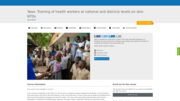
Course information
Yaws is targeted for eradication by WHO in the 2021-2030 NTD Roadmap. It is therefore crucial to know how to identify cases, design and implement activities to eradicate the disease at the community level.
In the context of integration of skin NTDs it is vital to learn to recogn
...
ize a disease targeted for eradication. At the individual level yaws lesions may mimic other skin diseases. At the community level, it is key to know how to design and implement the total community treatment strategy and monitor its impact. This course aims at providing health workers with the basic knowledge to understand the epidemiology, diagnosis, treatment, impact, eradication strategy and reporting of yaws.
more
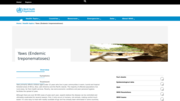
Yaws is a chronic skin infection characterized by papillomas (noncancerous lumps) and ulcers. It is caused by the bacterium Treponema pallidum subspecies pertenue, which belongs to the same group of bacteria that causes venereal syphilis.
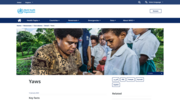
Yaws forms part of a group of chronic bacterial infections commonly known as the endemic treponematoses. These diseases are caused by spiral bacteria of the genus Treponema, which also includes endemic syphilis (bejel) and pinta. Yaws is the most common of these three infections.
El maltrato infantil incluye la perpetración de violencia física, sexual y psicológica o emocional, y el descuido de bebés, niños, niñas y adolescentes de 0 a 17 años por parte de progenitores, cuidadores y otras figuras de autoridad, con mayor frecuencia en el hogar, pero también en entorno
...
s como escuelas y orfanatos. Es un problema importante de salud pública y
una violación de los derechos humanos fundamentales, incluido el derecho a la vida, el derecho a la protección contra todas las formas de violencia y el derecho al goce del grado más alto posible de salud. El maltrato infantil puede tener consecuencias negativas graves y, a menudo, de por vida para la salud mental y física, la salud sexual y reproductiva, el desempeño
académico y la vida social.
more
Course information
Yaws is targeted for eradication by WHO in the 2021-2030 NTD Roadmap. It is therefore crucial to know how to identify cases, design and implement activities to eradicate the disease at the community level.
In the context of integration of skin NTDs it is vital to learn to recogn
...
ize a disease targeted for eradication. At the individual level yaws lesions may mimic other skin diseases. At the community level, it is key to know how to design and implement the total community treatment strategy and monitor its impact. This course aims at providing health workers with the basic knowledge to understand the epidemiology, diagnosis, treatment, impact, eradication strategy and reporting of yaws.
more
Cutaneous leishmaniasis (CL) is a neglected infectious endemic disease that is transmitted through the bite of a vector insect (sandfly) of the Lutzomyia genus,typical of rural geographical territories, and causes disfiguring skin ulcers and disabilities. It is estimated that CL affects between 600
...
000 and 1 000 000 people a year around the world, mainly in the America s, the Mediterranean basin, the Middle East and Central Asia. Eighteen of the 21 countries that make up the Latin American (LA) region are considered endemic areas for this neglected tropical disease. Colombia is one of the countries that reports the majority of global cases with 6161 in 2020 and has the second highest number of cases in the Americas, after Brazil.
more
We reviewed the evidence on community-based interventions for the prevention and control of cutaneous leishmaniasis (CL). Community initiatives tailored towards awareness and mobilisation are regarded as a priority area in the Neglected Tropical Disease Roadmap 2021–2030 by the World Health Organi
...
zation. We searched nine electronic databases for intervention-based
studies. Two independent reviewers screened and assessed the articles for methodological quality using predefined criteria. We conducted a meta-analysis using a random effects model, along with narrative synthesis. Thirteen articles were eligible for inclusion, of which 12 were quantitative studies (quasi-experimental with control group and pre-post interventions) and one qualitative
study. All articles reported on health education interventions aimed at changing people’s knowledge, attitudes, and practices (KAP) in relation to CL. Participant groups included students, mothers, housewives, volunteer health workers, and residents in general. An increased score was recorded for all outcomes across all interventions: knowledge (SMD: 1.85, 95% CI: 1.23, 2.47), attitudes (SMD:
1.36, 95% CI: 0.56, 2.15), and practices (SMD: 1.73, 95% CI: 0.99, 2.47). Whilst our findings show that educational interventions improved people’s knowledge, attitudes, and practices about CL, we argue that this approach is not sufficient for the prevention and control of this disease. Knowledge does not always translate into action, particularly where other structural barriers exist. Therefore,
we recommend the design of more innovative community-based interventions with a broader focus (e.g., stigma, financial barriers, and healthcare access).
more
Leishmaniasis is a vector-borne disease with a wide variety of parasite species, reservoirs, and vectors involved in transmission. It is caused by different species of the protozoa Leishmania and is transmitted to animals and humans through a bite of insects in the Psychodidae family. Its presence i
...
s directly linked to poverty, but social, environmental, and climatalogic factors directly influence the disease's epidemiology.
more
Data from 22 countries across the region featured in the study shows children are bearing the heaviest burden of the economic crisis caused by the war in Ukraine. While children make up 25 per cent of the population, they account for nearly 40 per cent of the additional 10.4 million people experienc
...
ing poverty this year.
The Russian Federation has experienced the most significant increase in the number of children living in poverty, with an additional 2.8 million children now living in households below the poverty line, accounting for nearly three-quarters of the total increase across the region. Ukraine is home to half a million additional children living in poverty, the second largest share. It is important to note that this is a conservative estimate which uses a GDP drop of 10 per cent.
more
Food is one of the most traded goods, and the conflict in Ukraine, one of the European breadbaskets, has triggered a significant additional disruption in the global food supply chains after the COVID-19 impact. The disruption to food output, supply chains, availability, and affordability could have
...
a long-standing impact. As a result, the availability and supply of a wide range of food raw materials and finished food products are under threat, and global markets have seen recent increases in food prices. Furthermore, the Russian-Ukrainian conflict has adversely affected food supply chains, with significant effects on production, sourcing, manufacturing, processing, logistics, and significant shifts in demand between nations reliant on imports from Ukraine.
more

A parasitic disease caused by the larval stage of tapeworms in the Echinococcus.
The disease often starts without symptoms and this may last for years. The symptoms depend on the cyst's location and size.
Alveolar disease usually begins in the liver, but can spread to other parts of the body, such
...
as the lungs or brain.
more
Echinococcosis, or hydatid disease, is an infection caused by tapeworms of the genus Echinococcus, a tiny tapeworm just a few millimetres long. Five species of Echinococcus have been identified which infect a wide range of domestic and wild animals. Echinococcosis is a zoonosis, a disease of animals
...
that affects humans.
more
Leishmaniasis is a complex vector-borne disease involving in its transmission several species of protozoan parasites called Leishmania, a wide variety of animal reservoirs and phlebotomine sandflies vectors. Cutaneous Leishmaniasis (CL) is the most common form of the disease, and its clinical manife
...
stations vary from few papules to multiple ulcers affecting the skin but also the mucous membranes, leaving permanent scars and serious disability. It is a disfiguring and stigmatizing disease that often has a devastating psychosocial and economic impact on the affected resources limited communities.
more
High prevalence of target diseases in rural and developing nations, increased prevalence of malnutrition across the globe, lack of hygiene and poor sanitation facilities, Migratory patterns of population, introduction of new chemical entity in the field of therapeutics, favorable government regulati
...
ons, and increased R&D investments are key factors contributing to high CAGR of point of care diagnostics market during the forecast period.
more
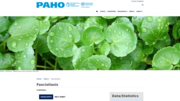
Fascioliasis is an animal parasitic disease (in cattle and sheep, but also pigs, donkeys, Llamas and alpacas that can be transmitted to humans. The infection is caught when aquatic or semi-aquatic plants with the larvae of the worm attached to their stem or leaves are ingested raw or poorly cooked.
...
Once in the human body, the worm lodges itself in the main bile ducts and is responsible for severe morbidity. Endemic areas are distributed globally, but some of the most affected communities are found in the Andean highlands of South America. Triclabendazole is the only drug recommended for prevention and treatment and is provided free-of-charge to endemic countries through WHO. It can be distributed in mass interventions when clusters of cases are detected.
more
L’infection d’une plaie demeure problématique pour les personnes présentant une plaie, leur famille et les professionnels de santé. L’infection d’une plaie peut entraîner un retard de la cicatrisation, de multiples visites aux services de soins et une durée
d’hospitalisation accrue.
...
Cela a un coût économique important et des répercussions négatives sur la qualité de vie de la personne présentant une plaie et de sa famille. Une identification précise et rapide des signes et symptômes d’infection de la plaie est essentielle pour sa prise en charge efficace.
more
La Stratégie de riposte face à la résistance aux antipaludiques en Afrique est un document technique de sensibilisation qui se fonde sur les bases factuelles les plus solides dont on dispose et vise à réduire au maximum la menace et l’impact de la résistance aux antipaludiques de Plasmodium
...
falciparum en Afrique. Elle a pour objectifs i) d’améliorer la détection de la résistance et d’assurer une riposte en temps utile ; ii) de retarder l’émergence de la résistance à l’artémisinine et aux médicaments associés utilisés dans les combinaisons thérapeutiques à base d’artémisinine (CTA) ; et iii) de freiner la sélection et la propagation des parasites résistants là où une pharmacorésistance est confirmée. Si la Stratégie cible l’Afrique, il convient de noter que la
menace de la résistance aux antipaludiques concerne tous les pays d’endémie palustre et que les interventions proposées dans le présent document sont applicables dans d’autres régions géographiques à condition d’être adaptées aux spécificités locales.
more
