
Filter
4736
Text search:
WHO,
UNICEF
Featured
Recommendations
439
New Publications
1413
Language
Document type
No document type
2702
Studies & Reports
681
Guidelines
533
Manuals
201
Strategic & Response Plan
192
Fact sheets
154
Training Material
93
Situation Updates
82
Infographics
55
Resource Platforms
21
Brochures
14
Online Courses
4
Videos
2
App
1
Countries / Regions
Global
196
Sierra Leone
148
India
139
Liberia
138
Kenya
126
Ethiopia
124
Nepal
116
Nigeria
102
Uganda
101
Myanmar / Burma
92
Syria
90
Malawi
85
Bangladesh
80
Congo, Democratic Republic of
79
Zambia
77
Ukraine
66
Latin America and the Carribbean
65
South Sudan
63
Rwanda
58
Tanzania
57
Mozambique
56
Namibia
55
Ghana
54
Africa
54
Indonesia
52
Zimbabwe
49
Yemen
48
Russia
48
Senegal
47
Guinea
43
Cambodia
39
South Africa
39
Haiti
38
Lesotho
38
Lebanon
37
Philippines
36
Western and Central Europe
35
Middle East and North Africa
32
Burkina Faso
31
Eastern Europe and Central Asia
29
Brazil
28
East and Southern Africa
28
Asia
28
Madagascar
27
West and Central Africa
27
Pakistan
26
Venezuela
26
Mali
25
South–East Asia Region
24
Somalia
22
Afghanistan
22
Central African Republic
21
Cameroon
20
Jordan
19
Germany
19
Sudan
18
Côte d’Ivoire / Ivory Coast
17
Benin
17
Eastern Europe
15
Botswana
13
Niger
12
Eswatini/ Swaziland
12
Colombia
12
Angola
12
Togo
11
Thailand
10
China
10
Vietnam
10
Burundi
9
Western Pacific Region
9
Albania
9
Guinea-Bissau
8
Papua New Guinea
8
Moldova
8
Spain
8
Turkey
7
Malaysia
7
Argentina
7
Peru
7
Laos
7
Iraq
6
Paraguay
6
Portugal
6
Chad
5
Mexico
5
Sri Lanka
5
Tajikistan
5
Japan
5
Greece
4
Libya
4
Timor Leste/ East Timor
4
France
4
Egypt
3
North Macedonia
3
Croatia
3
Ecuador
3
Bolivia
3
Palestine
3
Italy
3
Iran
3
Kyrgyzstan
3
Turkmenistan
3
Belarus
3
Gambia
2
Singapore
2
Serbia
2
Hungary
2
El Salvador
2
Guatemala
2
Chile
2
Poland
2
Congo-Brazzaville
2
Bulgaria
2
Romania
2
Slovakia
2
Kazakhstan
2
Georgia
2
Gabon
2
Morocco
1
Saudi Arabia
1
Mauritania
1
Vanuatu
1
Honduras
1
Nicaragua
1
Other region
1
Luxembourg
1
Fiji
1
Solomon Islands
1
Bhutan
1
North Korea
1
Djibouti
1
Armenia
1
Southern Africa
1
Canada
1
Uzbekistan
1
Uruguay
1
Denmark
1
Belgium
1
Tunisia
1
South Korea
1
Azerbaijan
1
Bosnia and Herzegovina
1
Authors & Publishers
Publication Years
Category
Countries
2026
Women & Child Health
460
Key Resources
334
Clinical Guidelines
244
Public Health
155
Capacity Building
85
Pharmacy & Technologies
27
Toolboxes
COVID-19
571
HIV
342
Disability
258
Mental Health
218
Conflict
201
Ebola & Marburg
192
Caregiver
128
Planetary Health
111
Refugee
108
Global Health Education
75
Natural Hazards
70
Rapid Response
70
Health Financing Toolbox
61
Cholera
60
TB
57
AMR
49
Pharmacy
45
Polio
38
Malaria
37
2.0 Rapid Response
36
NTDs
30
Zika
27
Specific Hazards
11
NCDs
11
Social Ethics
5
Typhoon
4
South Sudan
1
In addition to the ongoing humanitarian emergencies in the country, the COVID-19 pandemic poses a potential monumental social and economic threat to Nigeria, with a devastating knock on effect for the most vulnerable population in the BAY states who
...

The marathon to eradicate polio is on its final lap: the world is more than 99% of the way to success. After millennia of living with poliovirus and suffering the paralysis it causes, today nearly all the world’s people live in polio-free countries; two of the three strains of wild poliovirus (WPV
...
he refugee flow to Ethiopia continued during 2018, with 36,1351 persons seeking safety and protection within the country’s borders. At the start of 2019, the nation hosted 905,8312 thousand refugees who were forced to flee their homes as a result
...
This bi-weekly brief details the latest developments in scientific knowledge and public health policy from around the world as well as updates to the COVID-19-related guidance from Africa CDC, WHO and other public health agencies.
Prioritise education in conflict-affected areas:
Across the world 28 million1 primary school-age children living in conflict-affected countries are
out-of-school, and they form half of the world’s total out-of-school population. During conflict,
infrastructure assets such as schools are damaged
...

Over half a billion children are living in areas with extremely high levels of floods and nearly 160 million children live in areas of high or extremely high droughts. The World Health Organisation (WHO) estimates that 26% of the annual 6.6 million
...
Section One
summarizes UNHCR’s mandate of international protecdtion and the aim and principles of emergency
response;
Section Two
deals with emergency management;
Section Three
covers the vital sectors and problem areas in refugee emergencies, including health, food, sanitation
and water, a
...
Children malnutrition eradication in developing countries is a real challenge, especially among
vulnerable population. There are so many effort towards women (who are the main care providers)
socio-economic situation in order to improve their chil
...

In India, in response to the above and guided by our counterparts in the government of India, the UN agencies have developed the Novel Coronavirus Disease Joint Health Response Plan by UN Agencies and Partners, led by WHO-India, in close collaborati
...
As the global community aims to fulfill its commitments to the UN Sustainable Development Goals, and the achievement of universal health coverage, dozens of countries have committed to the expansion of community health workers (CHWs) as the front line of their healthcare systems [1, 2]. Robust resea
...

This National Health Policy has 5 objectives, namely
i. To strengthen the healthcare delivery system to be resilient
ii. To encourage the adoption of healthy lifestyles
iii. To improve the physical environment
iv. To improve the socio-economic status of the population
v. To ensure sustainable f
...
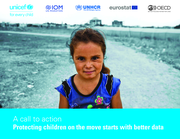
Gaps in data covering refugees, asylum seekers, migrants and internally displaced populations are endangering the lives and wellbeing of millions of children on the move, warned five UN and partner agencies today. In 'A call to action: Protecting children on the move starts with better data',
...

The power relations around global decisions which shape population health can be changed through new alliances and information flows. The Democratising Global Health Governance Initiative, of which WHO Watch is a project, is designed to contribute t
...
This guide presents new knowledge and guidelines on the provision of care to persons living with HIV/AIDS, in accordance with the last guidelines of the World Health Organization (WHO) published in 2006 and adapted to the Rwandan national context. I
...
UN, international agencies and experts released a groundbreaking report demanding immediate, coordinated and ambitious action to avert a potentially disastrous drug-resistance crisis.
If no action is taken - warns the UN Ad hoc Interagency Coordinating Group on Antimicrobial Resistance
...
Taking the whole of Africa approach to fighting the COVID-19 pandemic has and will continue to require coordinated efforts from multiple stakeholders from across the continent. Africa CDC would like to acknowledge the deep partnership and continued support of AUDA-NEPAD, AVAREF,
...
El propósito general de la reunión fue analizar la interrelación entre la salud, la nutrición y el desarrollo infantil, dentro del marco de la “Estrategia Global para la Alimentación y Nutrición del Infante y Niño Pequeño” (OMS/UNICEF).
The number of new Ebola infections in Sierra Leone is declining, despite the outbreak continuing to claim lives. New cases have dropped to around 9-12 per week, according to recent WHO figures. There were over 500 cases per week at the height of the
...
The 65-page report names more than 15 commanders and officials from both the government Sudan People’s Liberation Army (SPLA) and the rebel SPLA-in Opposition and their allies who have used child soldiers. The report is based on interviews with 10
...
