
Filter
3881
Text search:
water
&
sanitation
Featured
385
1256
Language
3643
139
95
72
49
44
23
14
12
9
8
6
6
6
6
5
5
5
5
4
4
4
4
3
3
3
3
2
2
2
2
2
2
2
1
1
1
1
1
1
1
1
1
1
1
1
Document type
1999
675
443
218
216
115
72
67
33
17
9
9
6
1
Countries
169
162
149
131
103
97
95
87
86
82
75
68
64
63
56
54
54
54
52
50
50
50
48
38
37
37
33
32
29
27
26
26
25
24
24
21
20
18
18
18
18
16
16
15
14
14
13
13
13
13
12
12
11
11
11
10
10
9
9
8
8
8
8
7
7
7
7
7
7
6
6
6
5
5
5
4
4
4
4
4
4
3
3
3
3
3
3
3
3
3
3
3
3
3
2
2
2
2
2
2
2
2
2
2
2
2
2
1
1
1
1
1
1
1
1
1
1
1
1
1
1
1
1
1
1
1
1
1
1
1
Authors & Publishers
438
145
117
98
90
90
82
55
44
40
38
32
26
24
24
24
23
23
22
21
21
21
19
19
18
17
17
17
17
15
14
14
12
12
12
12
11
11
11
11
11
11
11
11
11
10
10
10
10
10
10
10
10
10
10
9
9
9
9
8
8
8
8
8
8
8
8
8
8
8
8
7
7
7
7
7
7
7
7
7
7
7
7
7
7
7
7
7
6
6
6
6
6
6
6
6
6
6
6
6
6
6
6
6
6
6
6
5
5
5
5
5
5
5
5
5
5
5
5
5
5
5
5
5
5
5
5
5
5
5
5
5
5
5
5
4
4
4
4
4
4
4
4
4
4
4
4
4
4
4
4
4
4
4
4
4
4
4
4
4
4
4
4
4
4
4
4
4
4
4
4
4
4
4
4
4
4
4
3
3
3
3
3
3
3
3
3
3
3
3
3
3
3
3
3
3
3
3
3
3
3
3
3
3
3
3
3
3
3
3
3
3
3
3
3
3
3
3
3
3
3
3
3
3
3
3
3
3
3
3
3
3
3
3
3
3
3
3
3
3
3
3
3
3
3
3
3
3
3
3
3
3
3
3
3
3
3
3
3
3
3
3
3
3
3
3
3
3
2
2
2
2
2
2
2
2
2
2
2
2
2
2
2
2
2
2
2
2
2
2
2
2
2
2
2
2
2
2
2
2
2
2
2
2
2
2
2
2
2
2
2
2
2
2
2
2
2
2
2
2
2
2
2
2
2
2
2
2
2
2
2
2
2
2
2
2
2
2
2
2
2
2
2
2
2
2
2
2
2
2
2
2
2
2
2
2
2
2
2
2
2
2
2
2
2
2
2
2
2
2
2
2
2
2
2
2
2
2
2
2
2
2
2
2
2
2
2
2
2
2
2
2
2
2
2
2
2
2
2
2
2
2
2
2
2
2
2
2
2
2
2
2
2
2
2
2
2
2
2
2
2
2
2
2
2
2
2
2
2
2
2
2
2
2
2
2
2
2
2
2
2
2
2
2
2
2
2
2
2
2
2
2
2
2
2
2
2
2
2
2
2
2
2
2
2
2
2
2
2
2
2
1
1
1
1
1
1
1
1
1
1
1
1
1
1
1
1
1
1
1
1
1
1
1
1
1
1
1
1
1
1
1
1
1
1
1
1
1
1
1
1
1
1
1
1
1
1
1
1
1
1
1
1
1
1
1
1
1
1
1
1
1
1
1
1
1
1
1
1
1
1
1
1
1
1
1
1
1
1
1
1
1
1
1
1
1
1
1
1
1
1
1
1
1
1
1
1
1
1
1
1
1
1
1
1
1
1
1
1
1
1
1
1
1
1
1
1
1
1
1
1
1
1
1
1
1
1
1
1
1
1
1
1
1
1
1
1
1
1
1
1
1
1
1
1
1
1
1
1
1
1
1
1
1
1
1
1
1
1
1
1
1
1
1
1
1
1
1
1
1
1
1
1
1
1
1
1
1
1
1
1
1
1
1
1
1
1
1
1
1
1
1
1
1
1
1
1
1
1
1
1
1
1
1
1
1
1
1
1
1
1
1
1
1
1
1
1
1
1
1
1
1
1
1
1
1
1
1
1
1
1
1
1
1
1
1
1
1
1
1
1
1
1
1
1
1
1
1
1
1
1
1
1
1
1
1
1
1
1
1
1
1
1
1
1
1
1
1
1
1
1
1
1
1
1
1
1
1
1
1
1
1
1
1
1
1
1
1
1
1
1
1
1
1
1
1
1
1
1
1
1
1
1
1
1
1
1
1
1
1
1
1
1
1
1
1
1
1
1
1
1
1
1
1
1
1
1
1
1
1
1
1
1
1
1
1
1
1
1
1
1
1
1
1
1
1
1
1
1
1
1
1
1
1
1
1
1
1
1
1
1
1
1
1
1
1
1
1
1
1
1
1
1
1
1
1
1
1
1
1
1
1
1
1
1
1
1
1
1
1
1
1
1
1
1
1
1
1
1
1
1
1
1
1
1
1
1
1
1
1
1
1
1
1
1
1
1
1
1
1
1
1
1
1
1
1
1
1
1
1
1
1
1
1
1
1
1
1
1
1
1
1
1
1
1
1
1
1
1
1
1
1
1
1
1
1
1
1
1
1
1
1
1
1
1
1
1
1
1
1
1
1
1
1
1
1
1
1
1
1
1
1
1
1
1
1
1
1
1
1
1
1
1
1
1
1
1
1
1
1
1
1
1
1
1
1
1
1
1
1
1
1
1
1
1
1
1
1
1
1
1
1
1
1
1
1
1
1
1
1
1
1
1
1
1
1
1
1
1
1
1
1
1
1
1
1
1
1
1
1
1
1
1
1
1
1
1
1
1
1
1
1
1
1
1
1
1
1
1
1
1
1
1
1
1
1
1
1
1
1
1
1
1
1
1
1
1
1
1
1
1
1
1
1
1
1
1
1
1
1
1
1
1
1
1
1
1
1
1
1
1
1
1
1
1
1
1
1
1
1
1
1
1
1
1
1
1
1
1
1
1
1
1
1
1
1
1
1
1
1
1
1
1
1
1
1
1
1
1
1
1
1
1
1
1
1
1
1
1
1
1
1
1
1
1
1
1
1
1
1
1
1
1
1
1
1
1
1
1
1
1
1
1
1
1
1
1
1
1
1
1
1
1
1
1
1
1
1
1
1
1
1
1
1
1
1
1
1
1
1
1
1
1
1
1
1
1
1
1
1
1
1
1
1
1
1
1
1
1
1
1
1
1
1
1
1
1
1
1
1
1
1
1
1
1
1
1
1
1
1
1
1
1
1
1
1
1
1
1
1
1
1
1
1
1
1
1
1
1
1
1
1
1
1
1
1
1
1
1
1
1
1
1
1
1
1
1
1
1
1
1
1
1
1
1
1
1
1
1
1
1
1
1
1
1
1
1
1
1
1
1
1
1
1
1
1
1
1
1
1
1
1
1
1
1
1
1
1
1
1
1
1
1
1
1
1
1
1
1
1
1
1
1
1
1
1
1
1
1
1
1
1
1
1
1
1
1
1
1
1
1
1
1
1
1
1
1
1
1
1
1
1
1
1
1
1
1
1
1
1
1
1
1
1
1
1
1
1
1
1
1
1
1
1
1
1
1
1
1
1
1
1
1
1
1
1
1
1
1
1
1
1
1
1
1
1
1
1
1
1
1
1
1
1
1
1
1
1
1
1
1
1
1
1
1
1
1
1
1
1
1
1
1
1
1
1
1
1
1
1
1
1
1
1
1
1
1
1
1
1
1
1
1
1
1
1
1
1
1
1
1
1
1
1
1
1
1
1
1
1
1
1
1
1
1
1
1
1
1
1
1
1
1
1
1
1
1
1
1
1
1
1
1
1
1
1
1
1
1
1
1
1
1
1
1
1
1
1
1
1
1
1
1
1
1
1
1
1
1
1
1
1
1
1
1
1
1
1
1
1
1
1
1
1
1
1
1
1
1
1
1
1
1
1
1
1
1
1
1
1
1
1
1
1
1
1
1
1
1
1
1
1
1
1
1
1
1
1
1
1
1
1
1
1
1
1
1
1
1
1
1
1
1
1
1
1
1
1
1
1
1
1
1
1
1
1
1
1
1
1
1
1
1
1
1
1
1
1
1
1
1
1
1
1
1
1
1
1
1
1
1
1
1
1
1
1
1
1
1
1
1
1
1
1
1
1
1
1
1
1
1
1
1
1
1
1
1
1
1
1
1
1
1
1
1
1
1
1
1
1
1
1
1
1
1
1
1
1
1
1
1
1
1
1
1
1
1
1
1
1
1
1
1
1
1
1
1
1
1
1
1
1
1
1
1
1
1
1
1
1
1
1
1
1
1
1
1
1
1
1
1
1
1
1
1
1
1
1
1
1
1
1
1
1
1
1
1
1
1
1
1
1
1
1
1
1
1
1
1
1
1
1
1
1
1
1
1
1
1
1
1
1
1
1
1
1
1
1
1
1
1
1
1
1
1
1
1
1
1
1
1
1
1
1
1
1
1
1
1
1
1
1
1
1
1
1
1
1
1
1
1
1
1
1
1
1
1
1
1
1
1
1
1
1
1
1
1
1
1
1
1
1
1
1
1
1
1
1
1
1
1
1
1
1
1
1
1
1
1
1
1
1
1
1
1
1
1
1
1
1
1
1
1
1
1
1
1
1
1
1
1
1
1
1
1
1
1
1
1
1
1
1
1
1
1
1
1
1
1
1
1
1
1
1
1
1
1
1
1
1
1
1
1
1
1
1
1
1
1
1
1
1
1
1
1
1
1
1
1
1
1
1
1
1
1
1
1
1
1
1
1
1
1
1
1
1
1
1
1
1
1
1
1
1
1
1
1
1
1
1
1
1
1
1
1
1
1
1
1
1
1
1
1
1
1
1
1
1
1
1
1
1
1
1
1
1
1
1
1
1
1
1
1
1
1
1
1
1
1
1
1
1
1
1
1
1
1
1
1
1
1
1
1
1
1
1
1
1
1
1
1
1
1
1
1
1
1
1
1
1
1
1
1
1
1
1
1
1
1
1
1
1
1
1
1
1
1
1
1
1
1
1
1
1
1
1
1
1
1
1
1
1
1
1
1
1
1
1
1
1
1
1
1
1
1
1
1
1
1
1
1
1
1
1
1
1
1
1
1
1
1
1
1
1
1
1
1
1
1
1
1
1
1
1
1
1
1
1
1
1
1
1
1
1
1
1
1
1
1
1
1
1
1
1
1
1
1
1
1
1
1
1
1
1
1
1
1
1
1
1
1
1
1
1
1
1
1
1
1
1
1
1
1
1
1
1
1
1
1
1
1
1
1
1
1
1
1
1
1
1
1
1
1
1
1
1
1
1
1
1
1
1
1
1
1
1
1
1
1
1
1
1
1
1
1
1
1
1
1
1
1
1
1
1
1
1
1
1
1
1
1
1
1
1
1
1
1
1
1
1
1
1
1
1
1
1
1
1
1
1
1
1
1
1
1
1
1
1
1
1
1
1
1
1
1
1
1
1
1
1
1
1
1
1
1
1
1
1
1
1
1
1
1
1
1
1
1
1
1
1
1
1
1
1
1
1
1
1
1
1
1
1
1
1
1
1
1
1
1
1
1
1
1
1
1
1
1
1
1
1
1
1
1
1
1
1
1
1
1
1
1
1
1
1
1
1
1
1
1
1
1
1
1
1
1
1
1
1
1
1
1
1
1
1
1
1
1
1
1
1
1
1
1
1
1
1
1
1
1
1
1
1
1
1
1
1
1
1
1
1
1
1
1
1
1
1
1
1
1
1
1
1
1
1
1
1
1
1
1
1
1
1
1
1
1
1
1
1
1
1
1
1
1
1
1
1
1
1
1
1
1
1
1
1
1
1
1
1
1
1
1
1
1
1
1
1
1
1
1
1
1
1
1
1
1
1
1
1
1
1
1
1
1
1
1
1
1
1
1
1
1
1
1
1
1
1
1
1
1
1
1
1
1
1
1
1
1
1
1
1
1
1
1
1
1
1
1
1
1
1
1
1
1
1
1
1
1
1
1
1
1
1
1
1
1
1
1
1
1
1
1
1
1
1
1
1
1
1
1
1
1
1
1
1
1
1
1
1
1
1
1
1
1
1
1
1
1
1
1
1
1
1
1
1
1
1
1
1
1
1
1
1
1
1
1
1
1
1
1
1
1
1
1
1
1
1
1
1
1
1
1
1
1
1
1
1
1
1
1
1
1
1
1
1
1
1
1
1
1
1
1
1
1
1
1
1
1
1
1
1
1
1
1
1
1
1
1
1
1
1
1
1
1
1
1
1
1
1
1
1
1
1
1
1
1
1
1
1
1
1
1
1
1
1
1
1
1
1
1
1
1
1
1
1
1
1
1
1
1
1
1
1
1
1
1
1
1
1
1
1
1
1
1
1
1
1
1
1
1
1
1
1
1
1
1
1
1
1
1
1
1
1
1
1
1
1
1
1
1
1
1
1
1
1
1
1
1
1
1
1
1
1
1
1
1
1
1
1
1
1
1
1
1
1
Publication Years
1228
2321
313
17
2
Category
1697
516
178
159
136
87
12
1
Toolboxes
351
234
205
182
169
156
153
139
120
111
98
93
93
85
62
35
31
26
22
20
18
17
13
12
12
4
2
Maldives has made significant strides in the area of infectious disease prevention and control. This is exemplified by elimination of malaria from Maldives in 2015 and successes in TB control. In addition, Maldives is a front runner in infectious disease prevention through successful
...
water, sanitation, hygiene and vaccination campaigns and coverage. However, given the limited evidence that exists with respect to the occurrence of resistant organisms in the nation, it is hard to estimate the exact antimicrobial resistance (AMR) scenario. Also, it becomes difficult to compare the current situation with other countries in the region. Moreover, limited evidence exists on the trends of use of antimicrobial agents (AMA) in Maldives. Although, recent prescription audits have indicated overuse of antibiotics, especially for common conditions such as flu, cough and fever.
more

The study on health facility preparedness for cholera outbreak response in Cameroon evaluates the ability of healthcare facilities in four cholera-prone districts to manage cholera outbreaks. The findings highlight significant weaknesses, including limited surveillance systems, inadequate access to
...
water, poor sanitation, and lack of essential medical supplies such as Oral Rehydration Solution (ORS) and cholera case management guidelines. Many health facilities also lacked trained personnel and proper waste disposal systems, increasing the risk of disease spread within healthcare centers. The study underscores the urgent need for improved hygiene infrastructure, better training, and resource allocation to enhance outbreak response and reduce cholera-related mortality.
more
Infection prevention and control (IPC) in a CTC/ CTU IPC are all practical measures taken in the healthcare facility to prevent harm caused by infections to patients, health workers and communities.
The main goal of IPC in the cholera response is to
• To reduce transmission of health care-as
...
sociated infections of cholera and any other infectious disease
• To enhance the safety of staff, patients and visitors
• To enhance the ability of the organization/health care facility to respond to an outbreak
• To reduce the risk of the hospital (health care facility) itself amplifying the outbreak
Water, Sanitation and Hygiene (WASH)
WASH are all measures taken to guarantee environmental hygiene, safe water of all used within the health facility. It encompasses water, sanitation, waste management, cleaning within the health facility which in this case is CTU/C. A complete WASH package in the CTU/CTC reduces the risk of spread of Vibrio cholerae inside and outside the CTC/CTU.
The probability of spreading or acquiring cholera through a CTC/CTU can be highly reduced when proper IPC and WASH measures are respected, followed and monitored. These measures are, in principle, valid in CTC/CTUs and ORPs, although they need to be adapted to the specific characteristics of the facility concerned.
more
Section One
summarizes UNHCR’s mandate of international protecdtion and the aim and principles of emergency
response;
Section Two
deals with emergency management;
Section Three
covers the vital sectors and problem areas in refugee emergencies, including health, food,
...
sanitation
and water, as well as key field activities underpinning the operations such as logistics, community
services and registration. The chapters in this section start with a summary so that readers, who
might not need the full level of detail in each of these chapters, can understand the basic principles of
the subject quickly;
Section Four
gives guidance on the support to field operations, primarily administration and staffing;
The Appendices
include a “Toolbox” which gathers, in one location, the standards, indicators and useful references
used throughout the handbook;
more
The WHO webpage on cholera provides an overview of the disease, its causes, and prevention strategies. Cholera is an acute diarrheal infection caused by the bacterium Vibrio cholerae, typically spread through contaminated food or water. It remains a
...
significant global health issue, particularly in areas with poor water and sanitation infrastructure.
more
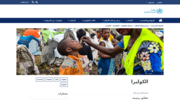
The World Health Organization's cholera fact sheet provides essential information about cholera, an acute diarrheal infection caused by ingesting food or water contaminated with Vibrio cholerae bacteria. The disease remains a global public health th
...
reat, particularly in areas lacking safe water and adequate sanitation. While many infected individuals exhibit mild or no symptoms, severe cases can lead to rapid dehydration and death if untreated. Prevention focuses on ensuring access to clean water, proper sanitation, and hygiene practices. Effective treatment primarily involves prompt administration of oral rehydration solutions. The fact sheet also highlights the importance of surveillance, preparedness, and response strategies to control outbreaks.
more
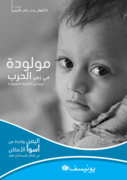
According to the report:
More than 5,000 children have been killed or injured in the violence – an average of five children every day since March 2015.
More than 11 million children now need humanitarian assistance – nearly every child in Yemen.
More than half of the country’s
...
children don’t have access to safe drinking water or adequate sanitation.
An estimated 1.8 million children are acutely malnourished, including nearly 400,000 severe acutely malnourished children who are fighting for their lives.
Nearly 2 million children are out of school, including almost half a million who dropped out since the conflict escalated in March 2015.
Suspected cholera and acute watery diarrhea have affected over 1 million people, with children under 5 years old accounting for a quarter of all cases.
more
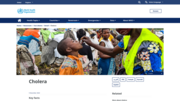
The World Health Organization's cholera fact sheet provides essential information about cholera, an acute diarrheal infection caused by ingesting food or water contaminated with Vibrio cholerae bacteria. The disease remains a global public health th
...
reat, particularly in areas lacking safe water and adequate sanitation. While many infected individuals exhibit mild or no symptoms, severe cases can lead to rapid dehydration and death if untreated. Prevention focuses on ensuring access to clean water, proper sanitation, and hygiene practices. Effective treatment primarily involves prompt administration of oral rehydration solutions. The fact sheet also highlights the importance of surveillance, preparedness, and response strategies to control outbreaks.
more

The video "Cholera - Questions & Answers" by the World Health Organization (WHO) explains the essential aspects of cholera, an acute diarrheal disease caused by ingesting water or food contaminated with the Vibrio cholerae bacterium. It highlights t
...
he main symptoms, including severe watery diarrhea, vomiting, and rapid dehydration, which can be fatal without proper treatment. Transmission occurs primarily through unsafe water and poor sanitation conditions. To prevent the disease, it is crucial to have access to clean drinking water, improve hygiene and sanitation, and use vaccination in high-risk areas. In case of infection, oral or intravenous rehydration is the primary treatment, while antibiotics are sometimes administered in severe cases. The video emphasizes the importance of rapid intervention and preventive measures to limit the spread of cholera and protect at-risk populations.
more
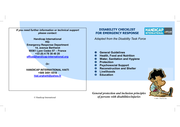
Adapted from the 'Disability Task Force', this checklist provides useful guidelines about general protection and inclusion principles for people with disabilites or injuries in emergency situations. The following topics are highlighted: health, food and nutrition;
...
water, sanitation and hygiene; protection; psychosocial support; reconstruction and shelter; livelihoods; and education. This checklist would be useful for practitioners interested in the protection and inclusion of people with disabilities in emergency situations
more
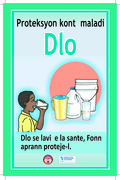
The document "Proteksyon Maladi" focuses on preventing waterborne and hygiene-related diseases through practical measures. It emphasizes the importance of personal hygiene, including washing hands with soap and clean water before eating, after using
...
the toilet, and during food preparation. Maintaining personal cleanliness is highlighted as a key step in preventing the spread of diseases.
Water safety is another critical focus, with recommendations to use treated or boiled water for drinking and cooking and to store water in clean, covered containers to prevent contamination. The document also addresses sanitation, encouraging the construction and maintenance of latrines to eliminate open defecation and promoting proper waste disposal to protect the environment and water sources.
Overall, the document serves as an educational resource, providing simple and effective strategies for communities to reduce the risk of diseases and improve public health through better hygiene, sanitation, and water safety practices.
more

Hygiene Awareness Manual (Arabic) - GIZ
recommended
The "Hygiene Awareness Manual" focuses on promoting improved hygiene practices within communities, emphasizing personal and household hygiene, water safety, and environmental health. It highlights the importance of handwashing, oral hygiene, and mai
...
ntaining cleanliness of the skin and clothing as key aspects of personal and family hygiene. Specific practices such as regular bathing and wearing clean clothes are also emphasized.
For household hygiene, the manual provides guidance on safe food preparation and storage, as well as keeping living spaces, kitchens, and latrines clean to prevent contamination. It also addresses water safety, emphasizing the need to store water in clean containers, treat it for safe consumption, and dispose of wastewater properly to avoid environmental contamination.
The manual underscores the significance of balanced nutrition and food safety, offering guidelines for cooking and preserving food to reduce health risks. It also delves into disease prevention, explaining the causes and transmission of waterborne and hygiene-related diseases, such as cholera and dysentery, and outlining effective methods to prevent them through proper sanitation and hygiene.
This comprehensive guide serves as a practical resource for community health workers and households, aiming to foster better hygiene practices, prevent diseases, and enhance overall health and well-being.
more
The document provides essential guidelines for preventing and managing acute diarrhoeal diseases, particularly in complex emergency situations such as conflicts, natural disasters, or health crises. It highlights the importance of access to safe drinking w
...
ater, sanitation, personal hygiene, and the prompt treatment of patients using oral rehydration solutions (ORS). The text also emphasizes the need for coordination between local and international actors to ensure an effective and sustainable response.
more
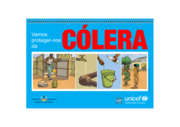
The PDF "Vamos proteger-nos da Cólera" provides comprehensive guidance on cholera prevention and response strategies, particularly for use in community health settings. It emphasizes the importance of safe water use by treating
...
water with bleach, boiling it for at least 5 minutes, or using purification tablets like Aquatabs. Handwashing is highlighted as a key measure, especially after using the latrine, before preparing food, and before eating. Sanitation practices include using and maintaining clean latrines or, if unavailable, burying feces far from homes and water sources.
The document also addresses diarrhea treatment, recommending the preparation and use of Oral Rehydration Solution (ORS) with added zinc for effective recovery. It encourages breastfeeding for infants with diarrhea and stresses the importance of cooking food thoroughly, keeping it covered, and ensuring all utensils and surfaces are clean. Proper waste management, including the disposal of household waste, is highlighted to maintain a clean and safe environment.
In emergency situations, the guide advises seeking immediate medical attention for severe diarrhea and emphasizes the prompt burial of bodies during outbreaks to prevent contamination. Additionally, it provides visuals and strategies for community engagement, empowering health workers and communities to promote awareness and adopt effective cholera prevention measures.
more

Updated 8 June 2021. The document has two sections:
A. The first section covers fundamental principles which are crucial to a successful, holistic intervention.
B. The second covers relevant standards and guidance in the handbook’s Water Supply,
...
Sanitation and Hygiene Promotion (WASH) and Health chapters.
more
The CDC's "About Cholera" webpage provides essential information on cholera, an intestinal infection caused by the bacterium Vibrio cholerae. It highlights that cholera is primarily spread through contaminated water and food, leading to severe diarr
...
hea, dehydration, and potentially death if untreated. Individuals in areas with unsafe drinking water, poor sanitation, and inadequate hygiene are at the highest risk. The page emphasizes the importance of early and proper treatment, such as rehydration therapy, to improve survival rates. Preventative measures include using treated water, practicing good hygiene, and vaccination, especially for travelers to regions where cholera is prevalent.
more
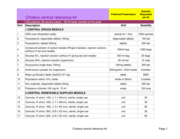
The document lists the components of various cholera kits designed for managing cholera outbreaks. It includes items for rehydration therapy (e.g., oral rehydration salts and IV fluids), medications, sanitation supplies, diagnostic tools, and logist
...
ical materials such as cholera beds and water purification systems. These kits aim to support healthcare providers in treating patients, preventing the spread of the disease, and maintaining hygiene in affected areas.
more

Trends in under-five mortality rate in Malawi: Child health; Child protection ; Child survival ;Early childhood ;Education ;HIV/AIDS
Maternal and newborn health ;Nutrition ;Sanitation ;Drinking water
...
;MICS
more

The Cholera Outbreak Guidelines: Preparedness, Prevention, and Control provide a practical field guide for responding to cholera outbreaks. Developed by Oxfam GB, the guidelines combine lessons from past cholera interventions and best practices for effective outbreak management. The document outline
...
s key strategies, including preparedness planning, rapid response to outbreaks, water and sanitation improvements, hygiene education, and coordination among stakeholders. It covers both non-endemic and endemic cholera outbreaks, offering step-by-step guidance on surveillance, intervention, and monitoring. The aim is to ensure community-based, gender-sensitive, and rapid public health responses to control cholera and minimize mortality.
more
Cholera Outbreak Response
recommended
The document provides comprehensive guidelines for managing cholera outbreaks, including detection, confirmation, response, treatment, and prevention. It emphasizes the importance of rehydration, water san
...
itation, hygiene promotion, and community mobilization to limit the spread. This guide is designed for healthcare professionals and public authorities to ensure an effective and coordinated response.
more
