
Filter
455
Text search:
World
Health
Organization
(South-East-Asia)
Featured
Recommendations
59
New Publications
124
Language
Document type
No document type
222
Studies & Reports
94
Guidelines
66
Manuals
30
Strategic & Response Plan
17
Training Material
8
Fact sheets
6
Resource Platforms
5
Situation Updates
3
Infographics
3
Online Courses
1
Countries / Regions
Global
40
South–East Asia Region
34
India
18
Asia
15
Myanmar / Burma
13
Bangladesh
10
Nepal
6
Western and Central Europe
6
Philippines
5
Cambodia
5
Syria
4
Kenya
4
Indonesia
4
Latin America and the Carribbean
4
Nigeria
3
Congo, Democratic Republic of
3
Thailand
3
South Africa
3
Middle East and North Africa
3
Western Pacific Region
3
Uganda
2
Tanzania
2
China
2
Rwanda
2
East and Southern Africa
2
West and Central Africa
2
Eastern Europe and Central Asia
2
Africa
2
Russia
2
Ethiopia
1
Cameroon
1
South Sudan
1
Egypt
1
Malaysia
1
Malawi
1
Sudan
1
Benin
1
Eswatini/ Swaziland
1
Brazil
1
Serbia
1
Yemen
1
Other region
1
Venezuela
1
Eastern Europe
1
Timor Leste/ East Timor
1
Tajikistan
1
Kazakhstan
1
Vietnam
1
Japan
1
Authors & Publishers
Publication Years
Category
Countries
85
Clinical Guidelines
68
Women & Child Health
44
Public Health
41
Key Resources
30
Capacity Building
13
Pharmacy & Technologies
8
Toolboxes
HIV
45
Mental Health
34
TB
32
NTDs
30
Planetary Health
27
COVID-19
23
AMR
20
Caregiver
20
Rapid Response
15
Global Health Education
15
Disability
11
Zika
9
NCDs
9
Conflict
7
Pharmacy
7
Ebola & Marburg
6
Natural Hazards
6
2.0 Rapid Response
6
Refugee
5
Polio
4
Malaria
4
Specific Hazards
3
Cholera
2
Typhoon
1
Oral diseases are among the most common chronic diseases worldwide and constitute a major public health problem due to the huge health and economic burden on individuals, families, societies, and
...

This South-East Asia Regional Strategy for Primary Health Care: 2022-2030 aims to accelerate pro
...
This template dossier complements and should be used after fulfilling the criteria and preconditions specified in the Process of validation of elimination of kala-azar as a public health problem in South
...
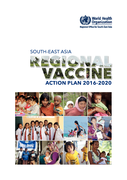
The current SEARVAP (South-East Asia regional vaccine action plan) describes a set of regional goals and objectives for immunization and control of
...
Based on WHO South-East Asia Regional Strategy on Autism Spectrum Disorder
The collaborative framework for implementation of the “WHO ...
The collaborative framework for implementation of the “WHO ...

The WHO End TB Strategy aims to end the global TB epidemic by 2030, in alignment with Goal 3 of the United Nations (UN) Sustainable Development Goals (SDGs). Member States of the World Health
...
To implement the set of recommendations on the marketing of foods and non-alcoholic beverages to children
With the growing obesity crisis among children, WHO and other public health advocates and consumer groups have called for restrictions on ...
With the growing obesity crisis among children, WHO and other public health advocates and consumer groups have called for restrictions on ...
A series of information sheets to help empower communities and strengthen health systems
This series of information sheets introduces health literacy, its
relevance to public policy, and the way
...

Antimicrobial resistance (AMR) is described as a situation when bacteria, viruses, fungi and parasites
change over time and no longer respond to medicines, making infections harder or impossible to treat,
and increasing the risk of disease spread, severe illness and death.1 AMR in recent years has
...
The meeting of leprosy programme managers in the South-East (SE) Asia Region was convened by the WHO Regional Office for South-East Asia (WHO-SEARO
...
The report aims to help policy-makers and programme managers identify the areas that need attention and to work towards effective implementation and enforcement of policies and legislations. The need for alcohol policy-specific infrastructures to support the alcohol policy process, including designa
...
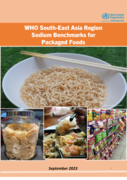
Sodium Benchmarks for Packaged Foods
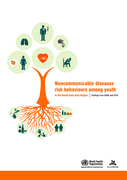
The publication conveys the quantitative surveillance results focusing on tobacco use and noncommunicable disease (NCD) related behaviours among youth (13–15 years) in Member States of the WHO South-East
...
