
Filter
192
Text search:
European
Commission
Directorate
General
for
Environment
Featured
Recommendations
10
New Publications
63
Language
Document type
No document type
103
Studies & Reports
45
Manuals
17
Guidelines
16
Strategic & Response Plan
7
Training Material
4
Countries / Regions
Western and Central Europe
17
Myanmar / Burma
9
Global
9
Nepal
7
Sierra Leone
6
Ghana
6
Zambia
6
Bangladesh
6
India
5
Syria
4
Kenya
4
Ukraine
4
Ethiopia
3
Uganda
3
Zimbabwe
3
South Africa
3
North Macedonia
3
Philippines
2
Turkey
2
Tanzania
2
Cambodia
2
Thailand
2
Namibia
2
Eastern Europe and Central Asia
2
Asia
2
Africa
2
Eastern Europe
2
Guinea
1
Liberia
1
Nigeria
1
Senegal
1
USA
1
Niger
1
Haiti
1
Pakistan
1
Afghanistan
1
Germany
1
China
1
Indonesia
1
Ireland
1
Malawi
1
Mozambique
1
Sudan
1
Peru
1
Croatia
1
Greece
1
Lesotho
1
Middle East and North Africa
1
South–East Asia Region
1
Latin America and the Carribbean
1
Albania
1
Bulgaria
1
Authors & Publishers
Publication Years
Category
Countries
60
Key Resources
28
Public Health
9
Women & Child Health
5
Clinical Guidelines
3
Pharmacy & Technologies
2
Toolboxes
Mental Health
22
Planetary Health
18
Refugee
12
Disability
9
Conflict
7
Rapid Response
7
Pharmacy
7
TB
5
AMR
5
Ebola & Marburg
4
Natural Hazards
4
HIV
4
Global Health Education
3
COVID-19
3
Caregiver
3
Health Financing Toolbox
3
Specific Hazards
2
NCDs
2
2.0 Rapid Response
2
Polio
1
Zika
1
NTDs
1
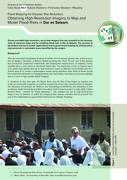
With an estimated population of about 5 million and an annual growth rate of 8 per cent, Dar es Salaam, Tanzania, is Africa’s fastest growing city.1 Over 70 per cent of the people live in informal, unplanned settlements with inadequate infrastructure. In addition, heavy rainfalls twice a year
...
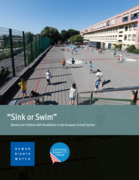
This report found that while European Schools are paying increasing attention to inclusion, children with disabilities continued to face problems. They are rejected, pressured into changing schools, or are not provided with appropriate accommodation
...

The main objectives of these guidelines are to:
1. contribute to the quality assurance of medicinal plant materials used as the source for herbal medicines to improve the quality, safety and efficacy of finished herbal products; 2. guide the f ...
1. contribute to the quality assurance of medicinal plant materials used as the source for herbal medicines to improve the quality, safety and efficacy of finished herbal products; 2. guide the f ...
VADEMECUM | This Vademecum is intended to provide a benchmark for aid workers—whether working in the field or at a strategic level—in particular concerning the formulation and implementation of programmes of prevention or response to humanitaria
...
Antimicrobial resistance (AMR) is an increasing worldwide public health problem with
important implications for the European Union (EU). When antibiotics become
ineffective, bacterial infections l
...
The annual Joint Meeting of the Food and Agriculture Organization of the United Nations (FAO) Panel of Experts on Pesticide Residues in Food and the Environment and the World Health Organization (WHO) Core Assessment Group on Pesticide Residues (JMP
...
Health Evidence Network synthesis report 53
Non-pharmaceutical interventions (NPI) are public health measures that aim to prevent and/or control SARS-CoV-2 transmission in the community. As long as there is no effective and safe vaccine to protect those at risk of severe COVID-19, NPI are the most effective public health interventions against
...
This technical report presents the epidemiology of human and animal leishmaniases in the EU and its neighbouring countries and concludes that the disease remains widespread and underreported in many countries of southern Europe, northern Africa, and the Middle East and that there is a need to improv
...
A process for improving community awareness and preparedness for technological hazards and environmental emergencies
The threat posed by Zika virus infection highlights the need to reinforce preparedness arrangements for mosquito-borne diseases in EU/EEA countries, especially for pathogens transmitted by Aedes aeg
...
The NGO Safety and Security Training Report provides a narrative of the research findings, an updated curriculum, and guidance tools for training. It is based on extensive research and interviews with members of the NGO community. The report draws u
...
Hands-on information and practical advice for everyday life and work in the field as well as background information on crisis management structures in international organizations lie at the heart of the new handbook. It has been developed in the rea
...
The guidelines reiterate that the general principles of ethics for biomedical research involving human participants shall also be applicable. In addition, the guidelines specify unique provisions
...

Once identified as vulnerable, applicants enjoy specific rights and safeguards in the asylum process under EU law. Vulnerability should therefore trigger additional or tailored support to ensure that people have the necessary conditions to bring forward a claim
...
Long-lasting insecticidal nets (LNs) constitute a core vector control intervention against malaria. A number of new LN products are under development and will require assessment of risks to humans. This document provides an updated generic model that can be used
...

In Control: A Practical Handbook for Professionals Working in Health Emergencies Internationally RKI
The greatest risk to persons engaging in international medical emergency response is poor preparation.
The In Control handbook hopes to provide a remedy.
At the time of writing, we are living through the Coronavirus (COVID-19) pandemic, a health emergency that disregards physical borders, brin
...

Drinking-water quality regulations and standards developed or revised in accordance with this guidance will reflect the best practices identified in the WHO Guidelines for Drinking-water Quality to most effectively protect public health. Moreover, t
...
