
Filter
46
Topics:
Policy
Featured
Recommendations
1
New Publications
1
Language
Document type
Studies & Reports
19
Strategic & Response Plan
9
Guidelines
5
Manuals
3
Resource Platforms
3
Infographics
2
Fact sheets
2
No document type
2
Dashboards/Maps
1
Countries / Regions
Malawi
14
Global
10
Namibia
5
Tanzania
2
West and Central Africa
1
Africa
1
North America
1
Authors & Publishers
Publication Years
Category
Non-communicable Diseases
12
Statistics
6
Policies & Guidelines HIV & TB
5
Policies
4
Health System Strengthening
3
Studies & Reports
3
Community Health
2
Disabilities
2
Planetary Health
1
Vaccine-preventable Diseases
1
Public Health
1
Vaccine-preventable Diseases
1
Guidelines
1
Capacity Building
1
Mental Health
1
Other
1
General Guidelines
1
Toolboxes
Policies
3
Databases & Maps
2
Studies & Reports
2
Prevention & Strategies
2
Alcohol Consumption
2
Physical Condition
2
Poor Diet
2
Tobacco Consumption
2
Context & Facts
1
Public Health
1
Substance Use Disorders & Addiction
1
Disability
1
Capacity Building
1
Africa
1
Social Determinants of Health
1
Health Policy & the Global Health Landscape
1
Lobby and Advocacy
1
General
1
Policies and guidelines
1
Others
1
Global
1
Eastern and Southern Africa
1
African Region
1
Food & Nutrition
1
Strategies
1
Clinical Aspects & Diagnosis
1
Statistics & Facts
1
Air Pollution
1
Drug Abuse
1
Socio-Economic & Demographic
1
TB
1
Prevention & Strategies
1
Studies & Reports
1
Statistics & Facts
1
Resource Platform
1
International Health Regulations (IHR)
1
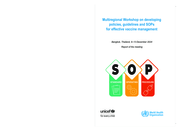
The effective vaccine management (EVM) workshop, jointly organized by WHO and UNICEF, was attended by participants from 13 countries, who reviewed the various EVM benchmarks, identified the gaps in policies, guidelines, SOPs and job aids, and developed respective country action plans to fill these g
...
Malaria No More is a non-profit organisation dedicated to eradicating malaria, a preventable and treatable disease, in our lifetime. Through innovative partnerships, advocacy and data-driven solutions, Malaria No More works globally to ensure access to prevention tools, diagnostics and treatment, pa
...
UNAIDS Sustainability Technial Guidance
recommended
As we approach 2025, the longer-term sustainability of the HIV response is a pressing concern: work to achieve and sustain an impactful HIV response must intensify. As countries work to reach the goal of ending AIDS as a public health threat by 2030, UNAIDS has released the
“HIV Response Sustai
...

UNAIDS leads the world's most extensive data collection on HIV epidemiology, programme coverage and finance and publishes the most authoritative and up-to-date information on the HIV epidemic.

This guidance describes the methods and processes of the Strategic Advisory Group of Experts (SAGE) on Immunization in developing evidence-based recommendations, WHO vaccine position papers, and other immunization policy guidance. Its aim is to facilitate the work of SAGE, its working groups and the
...
This dataset contains data from WHO's data portal covering the following categories:
Air pollution, Antimicrobial resistance (AMR), Assistive technology, Child mortality, Dementia diagnosis, treatment and care, Dementia policy and legislation, Environment and health, Foodborne Diseases Estimates,
...
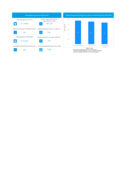
Demographic and socioeconomic data Progress towards HIV testing and treatment cascade targets by 2025 (2023) Health sector cascade (2023) Estimated number of people newly infected with HIV

Alcohol consumption is deeply embedded in the social landscape of many societies. Several major factors have an impact on levels and patterns of alcohol consumption in populations – such as historical trends in alcohol consumption, the availability of alcohol, culture, economic status and trends i
...

The coronavirus disease (COVID-19) pandemic exacerbated pre-existing inequalities in the treatment and care of noncommunicable diseases (NCDs). This report examines the effect of the COVID-19 pandemic on access to NCD medicines, and the policies and strategies implemented by countries and health sys
...
Tobacco kills up to half of its users who don’t quit (1-3).
Tobacco kills more than 8 million people each year, including an estimated 1.3 million non-smokers who are exposed to second-hand smoke Around 80% of the world's 1.3 billion tobacco users live in low- and middle-income countries.In 2020,
...
The "Assessing National Capacity for the Prevention and Control of Noncommunicable Diseases: Report of the 2021 Global Survey" by WHO examines the global state of readiness and infrastructure for managing noncommunicable diseases (NCDs) across countries. Based on the 2021 survey, it analyzes nationa
...

This fourth annual report monitors global progress towards the 2023 target for global elimination of industrially produced trans-fatty acids (TFA), highlighting achievements during the past year (October 2021 – September 2022). Countries are responding to the World Health Organization (WHO) call t
...
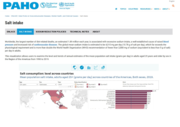
The article on the PAHO website discusses the health risks of excessive salt consumption, which contributes to numerous deaths worldwide. It highlights that average salt intake significantly exceeds WHO recommendations, particularly in the Americas, and suggests measures like reducing salt in foods
...

The document is a policy brief by the NCD Alliance for the 2023 United Nations High-Level Meeting on Universal Health Coverage (UHC). It highlights the importance of integrating non-communicable diseases (NCDs) into UHC efforts, with the goal of ensuring equitable health access worldwide.
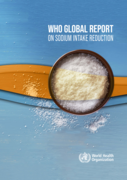
The World Health Organization (WHO) has developed this report to monitor progress and identify areas for action in the implementation of sodium reduction policies and other measures within Member States and across WHO regions and World Bank income groups. For the first time, a Sodium Country Score f
...

The Country Cooperation Strategy is the World Health Organization (WHO)’s reference for country work guiding planning and resource allocation through alignment with national health priorities and harmonization with other development partners. It clarifies roles and functions of WHO in supporting t
...
Third edition.
The main changes within the third edition of the JEE tool include the split of the technical area National legislation, policy, and financing into two technical areas (Legal instruments and Financing); the drop of the technical area previously titled Reporting and the move of indicat
...
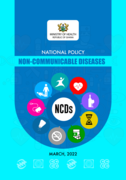
Non- Communicable Diseases (NCDs) over the years have not been given much attention in Ghana and in most Low and Middle- Income Countries (LMICs). The overwhelming burden of communicable diseases and the scarcity of resources has led to the health of all residents in Ghana, NCDs still remain largely
...
Asthma is the most common non-communicable disease in children and remains one of the most common throughout the life course. The great majority of the burden of this disease is seen in low-income and middle-income countries (LMICs), which have disproportionately high asthma-related mortality relati
...

Noncommunicable diseases (NCDs) – chief among them, cardiovascular diseases (heart disease and stroke), cancer, diabetes and chronic respiratory diseases – along with mental health, cause nearly three quarters of deaths in the world. Their drivers are social, environmental, commercial and geneti
...
