
Filter
189
Breadcrumb:
UNAIDS
Featured
16
58
Language
Document type
71
47
20
16
11
7
5
4
2
2
Countries
9
7
7
6
4
4
4
4
4
3
3
3
3
3
2
2
2
2
2
2
2
2
2
1
1
1
1
1
1
1
1
1
1
1
1
1
1
1
1
1
1
1
1
1
1
1
1
1
1
1
Authors & Publishers
Publication Years
Category
47
23
11
7
4
3
3
2
2
1
1
1
1
1
1
1
1
1
Toolboxes
24
17
12
7
6
6
6
6
5
5
4
4
4
4
3
3
3
3
3
3
3
3
3
2
2
2
2
2
2
2
2
2
2
2
2
2
1
1
1
1
1
1
1
1
1
1
1
1
1
1
1
1
1
1
1
1
1
1
1
1
1
1
1
1
1
1
Evidence supports the need for a shift in the global approach to drug use. In this report, Do no harm: health, human rights and people who use drugs, UNAIDS shows what works to reduce the impact of HIV and other harms related to drug use. Countries that have moved away from laws and policies that ar
...
This publication integrates human rights principles into measuring HIV service effectiveness, ensuring accountability for equity and health. It focuses on reducing stigma, removing punitive laws, and ensuring access to care for key populations, aiming to achieve 2030 targets.
UNAIDS | 2016–2021 Strategy
Accessed: 20.11.2019
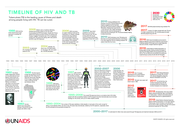
Tuberculosis (TB) is the leading cause of illness and death among people living with HIV. TB can be cured.
Donor government disbursements to combat HIV in low- and middle-income countries totaled US$8 billion in 2018, little changed from the US$8.1 billion total in 2017 and from the levels of a decade ago, finds a new report from the Kaiser Family Foundation (KFF) and the Joint United Nations Programme o
...
Accessed August 2018
Accessed online August 2018
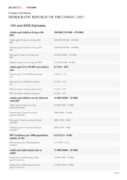
Accessed August 2018
Accessed online August 2018

Accessed August 2018

Accessed August 2018
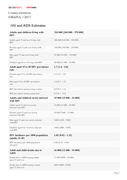
Accessed August 2018
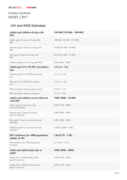
Accessed August 2018
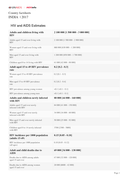
Accessed August 2018
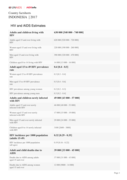
Accessed August 2018

Accessed online August 2018
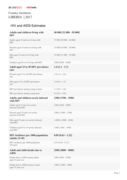
Accessed online August 2018
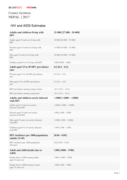
Accessed online August 2018
Accessed online August 2018
