
Filter
568
Featured
2
5
Language
Document type
248
79
64
42
35
22
16
14
12
10
10
8
7
1
Countries
353
64
16
12
8
6
4
4
4
3
3
2
2
2
2
1
1
1
1
1
1
1
1
1
1
1
1
1
Authors & Publishers
Publication Years
Toolboxes
540
10
3
3
3
2
1
1
1
The pharmacological management of asthma has changed considerably in recent decades, as it has come to be understood that it is a complex, heterogeneous disease with different phenotypes and endotypes. It is now clear that the goal of asthma treatment should be to achieve and maintain control of the
...
Asthma is the commonest chronic childhood disease and encompasses a spectrum of airway diseases with similar symptoms. Inaccurate diagnosis remains common, especially in younger children, with failure to characterize the different “asthmas.” Children worldwide repeatedly suffer symptoms which se
...
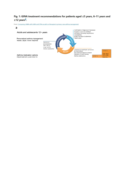
Adults and adolescents 12+ years. Asthma medication options: Adjust treatment up and down for individual patient needs

Asbestosis is a process of diffuse interstitial fibrosis of the lung due to exposure to asbestos dust. Asbestos is the name given to a group of naturally occurring minerals that are resistant to heat and corrosion; these include mineral fibers such as chrysotile, amosite, and crocidolite, among oth
...

Asbestos, the most frequent cause of occupational cancer, continues to be consumed ona massive scale, with millions of people exposed on a daily basis. This review explains why we havefailed in curtailing the silent epidemic of asbestos-related disease and why the numbers of asbestosvictims are like
...

Coronavirus disease 2019 has a mild disease course in children and adolescents. Chronic respiratory conditions, including asthma, have been suggested as risk factors; however, asthma in children is highly variable in both triggers and severity.
During the pandemic, pediatric asthma services limite
...

Childhood obesity is a major public health problem globally, which could undermine progress towards achieving the Sustainable Development Goals. Prevention is recognized as the most efficient means of curbing the epidemic; however, given the scale of the problem and the many children who need profes
...
The document presents a systematic analysis of dietary risks and their health impacts in 195 countries from 1990 to 2017. It highlights that suboptimal diets, such as those high in sodium and low in whole grains, fruits, and vegetables, significantly contribute to non-communicable diseases like hear
...
Document provides basic information on Hypertension (symptoms, risk factors, complications, treatment) in a descriptive way.
The document provides inforation on tobacco use (health effects, quitting, benefits of quitting, e-cigarettes etc.) in a descriptive way.
The document provides information on stroke (definition, risk factors, symptoms etc.) in a descriptive way.
The document provides Information on alcohol use (risk factors, evaluation alcohol use etc.) in a descriptive way.
The document provides information on physical activity (benefits, types, intensities etc.) in a descriptive way.

Coronary heart disease (CHD) is when your coronary arteries become narrowed by a build-up of fatty material within their walls. These arteries supply your heart muscle with oxygen-rich blood. CHD is sometimes called ischaemic heart disease.

Cardiovascular diseases, principally ischemic heart disease (IHD), are the most important cause of death and disability in the majority of low- and lower-middle-income countries (LLMICs). In these countries, IHD mortality rates are significantly greater in individuals of a low socioeconomic status (
...

Socioeconomic status is associated with differences in risk factors for cardiovascular disease incidence and outcomes, including mortality. However, it is unclear whether the associations between cardiovascular disease and common measures of socioeconomic status—wealth and education—differ among
...
Disease epidemiology has a deeper relationship with the dynamic nature of culture. Health behaviors in general are largely shaped by the cultural norms and customs in a society. A mere identification of a behavior could be only a layer on the outer sphere of a particular disease epidemiology and the
...

This two-site randomised trial compared the effectiveness of a voluntary sector-led, community-based diabetes prevention programme to a waiting-list control group at 6 months, and included an observational follow-up of the intervention arm to 12 months.

Outdoor air pollution is one of the world's largest health and environmental problems. The Global Burden of Disease is a major global study on the causes and risk factors for death. These estimates of the annual number of deaths attributed to a wide range of risk factors are shown here. This chart i
...

What is Diabetes? Diabetes means you have too much sugar in your blood. High blood sugar problems starts when your body no longer makes enough of chemical, or hormone, called insulin.
