
Filter
1288
Featured
138
294
Language
Document type
557
218
163
97
62
41
39
26
25
22
17
8
8
2
Countries
70
33
16
16
16
16
15
15
14
13
12
12
12
12
11
11
10
9
8
8
7
7
7
6
6
6
6
5
5
4
4
4
4
4
3
3
3
3
3
3
3
3
2
2
2
2
2
2
2
2
2
2
2
2
2
2
2
2
2
2
2
2
1
1
1
1
1
1
1
1
1
1
1
1
1
1
1
1
1
1
1
1
1
1
1
1
1
Authors & Publishers
Publication Years
Toolboxes
111
88
68
65
29
23
19
19
18
15
13
12
8
7
6
4
3
3
3
3
2
1
1
1
1
This film shows how to draw up the BCG vaccine and the correct technique for giving an intradermal injection.
http://globalhealthmedia.org/newborn/videos/giving-an-intradermal-injection/
This film shows the baby with a high body temperature: how to examine the baby, cool the baby, and determine if the baby is sick and needs referral (or, in cases where there is no referral option, how to treat the baby).
http://globalhealthmedia.org/newborn/videos/the-hot-baby/
This film covers the basic skills of taking a temperature, counting the breathing rate, and weighing a baby.
You can also download this movie for the mobile phone at http://www.healthphone.org/ghmp/basic-skills.htm
http://globalhealthmedia.org/newborn/videos/basic-skills/
This film shows the correct and safe way to feed a baby with a gastric tube. It highlights involving the mother and features a chart that shows the volume of milk to give at each feeding according to the day of life.
http://globalhealthmedia.org/newborn/videos/feeding-with-a-gastric-tube/
This film shows how to take a small sample of blood for lab tests from the side of the heel of a baby.
http://globalhealthmedia.org/newborn/videos/taking-a-heel-blood-sample/
This film shows the essential features of a referral process. It covers involving the family, arranging transport, preparing the baby for the journey, and writing the referral note. It also includes what to do if referral is not an option.
http://globalhealthmedia.org/newborn/videos/referring-a-s
...
The first clinical series is on newborn care and will consist of brief vignettes that “bring to life” internationally accepted newborn care guidelines.
The first clinical series is on newborn care and will consist of brief vignettes that “bring to life” internationally accepted newborn care guidelines.
This film shows ways to help a laboring woman and contribute to a feeling of trust.
This film demonstrates how to feel where the baby is within the uterus and how to measure the station of the baby.
This film teaches how to examine the placenta for any missing pieces.
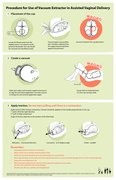
Accessed June 2014
dapted by PATH from: World Health Organization (WHO)/Department of Reproductive Health and Research.
Managing Complications in Pregnancy and Childbirth: a Guide for Midwives and Doctors.
Geneva: WHO; 2007. Available at: http://whqlibdoc.who.int/publications/2007/9241545879_en
...
This film shows how to assess a laboring woman and the signs that indicate the need for transfer to a higher-level facility.
This film presents an overview of basic steps to prevent infection at birth.
This film shows how to care for both the mother and baby right after birth.
It provides selected illustrations and photographs of congenital anomalies that are severe enough to have a high probability of being captured during the first few days following birth
Accessed September 4th, 2014

This film shows how to prevent and manage excessive bleeding after the delivery of a baby, otherwise known as primary postpartum haemorrhage (PPH).
This film is for use in health worker training
