
Filter
477
Featured
99
98
Language
Document type
177
150
30
25
22
16
16
13
13
8
3
2
1
Countries
22
13
9
8
6
6
5
5
4
4
4
4
3
3
3
3
3
2
2
2
2
2
1
1
1
1
1
1
1
1
1
1
1
1
1
1
1
1
1
1
Authors & Publishers
Publication Years
Toolboxes
83
73
26
25
22
19
16
14
11
8
7
6
6
5
3
2
2
1
1
Руководство по ведению пациентов с латентной туберкулезной инфекцией
Le présent document s’adresse essentiellement au personnel des programmes de surveillance du VIH dont la tâche est de surveiller l’évolution de l’épidémie de VIH. Il décrit la manière dont les données recueillies systématiquement dans le cadre des programmes de prévention de la trans
...
Journal of The Association of Physicians of India, Vol. 63 November 2015,, pp.77-96
Antimalarial chemotherapy is crucial for reducing morbidity, mortality, and drug resistance, and is the cornerstone of malaria control. Existing antimalarial drugs act at different stages of the parasite’s life cycle. These drugs range from classic agents such as chloroquine and quinine to newer a
...
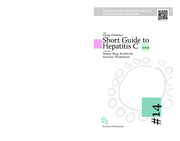
Exciting new treatment approaches make the management of hepatitic C one of the most rapidly developing areas of medicine. The Flying Publisher short Guide to Hepatitis C is an up-to-date source of information for physicians, residents and advanced medical students.
2nd edition.
Like the original, this second edition of the guidance aims to inform the revision of existing national guidelines and standards for managing Tuberculosis (TB), many of which include guidance on children. It includes recommendations, based on the best available evidence, for improving
...

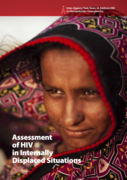
This guide is a resource for physicians and other health care professionals who provide care and treatment to patients with drug-resistant tuberculosis.


It is essential that all people, including people living with HIV, are able to access health services and ongoing treatment. If people living with HIV who are on ART stop abruptly because they cannot access new supplies they could rapidly become unwell, drug resistance may build and the chances of o
...
J. European Academy of Dermatology and Venereology, 4 August 2014
WHO Guideline. Since 2010, countries in the meningitis belt have started to introduce a new serogroup A meningococcal conjugate vaccine conferring individual protection and herd immunity. Following the successful roll-out of this vaccine, epidemics due to Neisseria meningitidis serogroup A (NmA) are
...
The document outlines comprehensive guidelines for managing cholera outbreaks in South Africa, focusing on prevention, diagnosis, treatment, and public health measures. It emphasizes the importance of rehydration therapy, sanitation, clean water access, and community involvement to control the sprea
...
